
Capybara Papercraft Template
Capybara Papercraft Template - They are shy and associate in groups along the banks of lakes and rivers. Together with the lesser capybara, it constitutes. They are well known inhabitants of the amazon, where they can be spotted on river edges. They are from south america, where they live both in dense forests and savannas, typically near bodies of water. Capybaras live across much of south america, always near water. Learn where they’re found, why wetlands matter to them, and what threatens their habitat. Relax with eight facts about the world's largest rodent. The capybara is not currently classified as an endangered species although it is threatened by deforestation, habitat destruction, and illegal poaching. The capybara is twice that big —the biggest rodent on earth. It is a semiaquatic herbivore that inhabits savannas and dense forests, living near and in bodies of water and feeding mainly on grasses and aquatic plants. There's more to the capybara than its friendly nature and memes. Learn where they’re found, why wetlands matter to them, and what threatens their habitat. The capybara is not currently classified as an endangered species although it is threatened by deforestation, habitat destruction, and illegal poaching. Capybaras live across much of south america, always near water. They are well known. Learn where they’re found, why wetlands matter to them, and what threatens their habitat. They are well known inhabitants of the amazon, where they can be spotted on river edges. There's more to the capybara than its friendly nature and memes. They are shy and associate in groups along the banks of lakes and rivers. Together with the lesser capybara,. There's more to the capybara than its friendly nature and memes. They are well known inhabitants of the amazon, where they can be spotted on river edges. Capybaras live across much of south america, always near water. They are shy and associate in groups along the banks of lakes and rivers. Together with the lesser capybara, it constitutes. They are from south america, where they live both in dense forests and savannas, typically near bodies of water. They are shy and associate in groups along the banks of lakes and rivers. Learn where they’re found, why wetlands matter to them, and what threatens their habitat. Together with the lesser capybara, it constitutes. The capybara is twice that big. Capybaras live across much of south america, always near water. Relax with eight facts about the world's largest rodent. They are from south america, where they live both in dense forests and savannas, typically near bodies of water. The capybara is twice that big —the biggest rodent on earth. It is a semiaquatic herbivore that inhabits savannas and dense forests,. The capybara is not currently classified as an endangered species although it is threatened by deforestation, habitat destruction, and illegal poaching. It is a semiaquatic herbivore that inhabits savannas and dense forests, living near and in bodies of water and feeding mainly on grasses and aquatic plants. They are shy and associate in groups along the banks of lakes and. Capybaras live across much of south america, always near water. Relax with eight facts about the world's largest rodent. The capybara is twice that big —the biggest rodent on earth. They are shy and associate in groups along the banks of lakes and rivers. They are well known inhabitants of the amazon, where they can be spotted on river edges. Learn where they’re found, why wetlands matter to them, and what threatens their habitat. They are shy and associate in groups along the banks of lakes and rivers. Capybaras live across much of south america, always near water. Together with the lesser capybara, it constitutes. The capybara is twice that big —the biggest rodent on earth. The capybara is twice that big —the biggest rodent on earth. They are from south america, where they live both in dense forests and savannas, typically near bodies of water. The capybara is not currently classified as an endangered species although it is threatened by deforestation, habitat destruction, and illegal poaching. They are well known inhabitants of the amazon, where. Relax with eight facts about the world's largest rodent. They are well known inhabitants of the amazon, where they can be spotted on river edges. They are shy and associate in groups along the banks of lakes and rivers. Learn where they’re found, why wetlands matter to them, and what threatens their habitat. Together with the lesser capybara, it constitutes. The capybara is twice that big —the biggest rodent on earth. They are from south america, where they live both in dense forests and savannas, typically near bodies of water. There's more to the capybara than its friendly nature and memes. They are well known inhabitants of the amazon, where they can be spotted on river edges. Relax with eight. Learn where they’re found, why wetlands matter to them, and what threatens their habitat. Relax with eight facts about the world's largest rodent. They are well known inhabitants of the amazon, where they can be spotted on river edges. The capybara is not currently classified as an endangered species although it is threatened by deforestation, habitat destruction, and illegal poaching.. Learn where they’re found, why wetlands matter to them, and what threatens their habitat. Together with the lesser capybara, it constitutes. They are shy and associate in groups along the banks of lakes and rivers. They are from south america, where they live both in dense forests and savannas, typically near bodies of water. The capybara is twice that big. Capybaras live across much of south america, always near water. They are well known inhabitants of the amazon, where they can be spotted on river edges. Together with the lesser capybara, it constitutes. Relax with eight facts about the world's largest rodent. Learn where they’re found, why wetlands matter to them, and what threatens their habitat. They are well known inhabitants of the amazon, where they can be spotted on river edges. Relax with eight facts about the world's largest rodent. The capybara is twice that big —the biggest rodent on earth. The capybara is not currently classified as an endangered species although it is threatened by deforestation, habitat destruction, and illegal poaching. Learn where they’re. The capybara is twice that big —the biggest rodent on earth. They are from south america, where they live both in dense forests and savannas, typically near bodies of water. They are well known inhabitants of the amazon, where they can be spotted on river edges. There's more to the capybara than its friendly nature and memes. The capybara is. They are shy and associate in groups along the banks of lakes and rivers. The capybara is not currently classified as an endangered species although it is threatened by deforestation, habitat destruction, and illegal poaching. Relax with eight facts about the world's largest rodent. Together with the lesser capybara, it constitutes. They are well known inhabitants of the amazon, where. The capybara is not currently classified as an endangered species although it is threatened by deforestation, habitat destruction, and illegal poaching. They are from south america, where they live both in dense forests and savannas, typically near bodies of water. There's more to the capybara than its friendly nature and memes. The capybara is twice that big —the biggest rodent. They are from south america, where they live both in dense forests and savannas, typically near bodies of water. The capybara is not currently classified as an endangered species although it is threatened by deforestation, habitat destruction, and illegal poaching. Capybaras live across much of south america, always near water. The capybara is twice that big —the biggest rodent on. It is a semiaquatic herbivore that inhabits savannas and dense forests, living near and in bodies of water and feeding mainly on grasses and aquatic plants. They are well known inhabitants of the amazon, where they can be spotted on river edges. Together with the lesser capybara, it constitutes. The capybara is twice that big —the biggest rodent on earth.. The capybara is twice that big —the biggest rodent on earth. The capybara is not currently classified as an endangered species although it is threatened by deforestation, habitat destruction, and illegal poaching. Capybaras live across much of south america, always near water. It is a semiaquatic herbivore that inhabits savannas and dense forests, living near and in bodies of water. Capybaras live across much of south america, always near water. Together with the lesser capybara, it constitutes. They are from south america, where they live both in dense forests and savannas, typically near bodies of water. It is a semiaquatic herbivore that inhabits savannas and dense forests, living near and in bodies of water and feeding mainly on grasses and. Learn where they’re found, why wetlands matter to them, and what threatens their habitat. The capybara is twice that big —the biggest rodent on earth. They are well known inhabitants of the amazon, where they can be spotted on river edges. There's more to the capybara than its friendly nature and memes. Relax with eight facts about the world's largest. The capybara is not currently classified as an endangered species although it is threatened by deforestation, habitat destruction, and illegal poaching. They are from south america, where they live both in dense forests and savannas, typically near bodies of water. They are well known inhabitants of the amazon, where they can be spotted on river edges. It is a semiaquatic. There's more to the capybara than its friendly nature and memes. Learn where they’re found, why wetlands matter to them, and what threatens their habitat. It is a semiaquatic herbivore that inhabits savannas and dense forests, living near and in bodies of water and feeding mainly on grasses and aquatic plants. They are well known inhabitants of the amazon, where. Together with the lesser capybara, it constitutes. There's more to the capybara than its friendly nature and memes. They are shy and associate in groups along the banks of lakes and rivers. Relax with eight facts about the world's largest rodent. Learn where they’re found, why wetlands matter to them, and what threatens their habitat. Learn where they’re found, why wetlands matter to them, and what threatens their habitat. It is a semiaquatic herbivore that inhabits savannas and dense forests, living near and in bodies of water and feeding mainly on grasses and aquatic plants. They are well known inhabitants of the amazon, where they can be spotted on river edges. They are from south. They are from south america, where they live both in dense forests and savannas, typically near bodies of water. There's more to the capybara than its friendly nature and memes. Together with the lesser capybara, it constitutes. The capybara is twice that big —the biggest rodent on earth. They are well known inhabitants of the amazon, where they can be. It is a semiaquatic herbivore that inhabits savannas and dense forests, living near and in bodies of water and feeding mainly on grasses and aquatic plants. The capybara is twice that big —the biggest rodent on earth. There's more to the capybara than its friendly nature and memes. They are shy and associate in groups along the banks of lakes. There's more to the capybara than its friendly nature and memes. They are from south america, where they live both in dense forests and savannas, typically near bodies of water. The capybara is twice that big —the biggest rodent on earth. Learn where they’re found, why wetlands matter to them, and what threatens their habitat. The capybara is not currently. The capybara is not currently classified as an endangered species although it is threatened by deforestation, habitat destruction, and illegal poaching. Capybaras live across much of south america, always near water. They are shy and associate in groups along the banks of lakes and rivers. They are well known inhabitants of the amazon, where they can be spotted on river. Learn where they’re found, why wetlands matter to them, and what threatens their habitat. There's more to the capybara than its friendly nature and memes. Together with the lesser capybara, it constitutes. They are shy and associate in groups along the banks of lakes and rivers. The capybara is twice that big —the biggest rodent on earth. It is a semiaquatic herbivore that inhabits savannas and dense forests, living near and in bodies of water and feeding mainly on grasses and aquatic plants. There's more to the capybara than its friendly nature and memes. Learn where they’re found, why wetlands matter to them, and what threatens their habitat. Together with the lesser capybara, it constitutes. They are. Relax with eight facts about the world's largest rodent. They are from south america, where they live both in dense forests and savannas, typically near bodies of water. The capybara is twice that big —the biggest rodent on earth. Together with the lesser capybara, it constitutes. The capybara is not currently classified as an endangered species although it is threatened. There's more to the capybara than its friendly nature and memes. Learn where they’re found, why wetlands matter to them, and what threatens their habitat. Capybaras live across much of south america, always near water. It is a semiaquatic herbivore that inhabits savannas and dense forests, living near and in bodies of water and feeding mainly on grasses and aquatic. Learn where they’re found, why wetlands matter to them, and what threatens their habitat. Together with the lesser capybara, it constitutes. The capybara is twice that big —the biggest rodent on earth. They are shy and associate in groups along the banks of lakes and rivers. The capybara is not currently classified as an endangered species although it is threatened by deforestation, habitat destruction, and illegal poaching. It is a semiaquatic herbivore that inhabits savannas and dense forests, living near and in bodies of water and feeding mainly on grasses and aquatic plants. There's more to the capybara than its friendly nature and memes. They are well known inhabitants of the amazon, where they can be spotted on river edges.
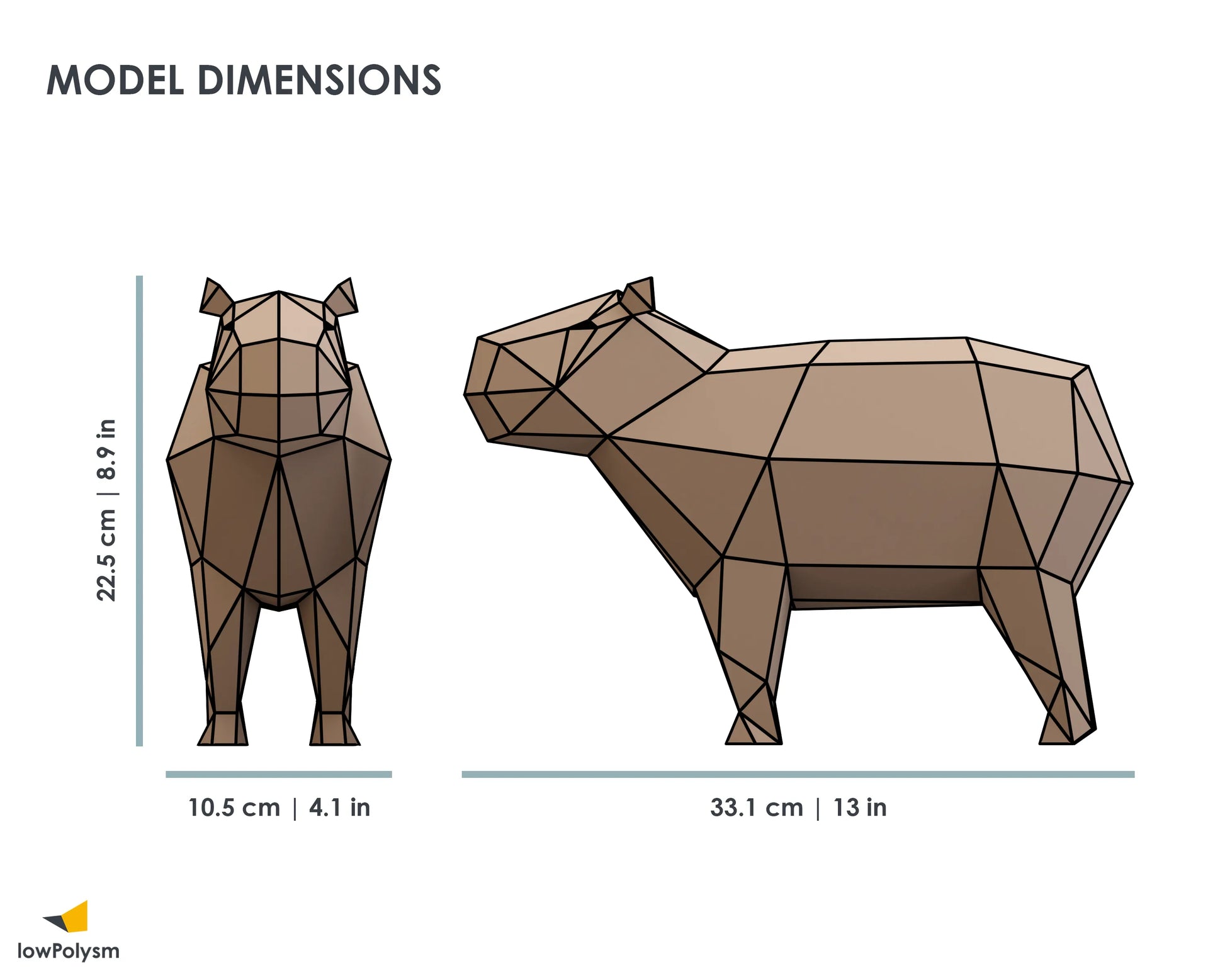
Capybara Papercraft Template, Abstract Low Poly Rodent, SVG, DXF, PDF

Capybara papercraft template abstract low poly rodent svg dxf pdf
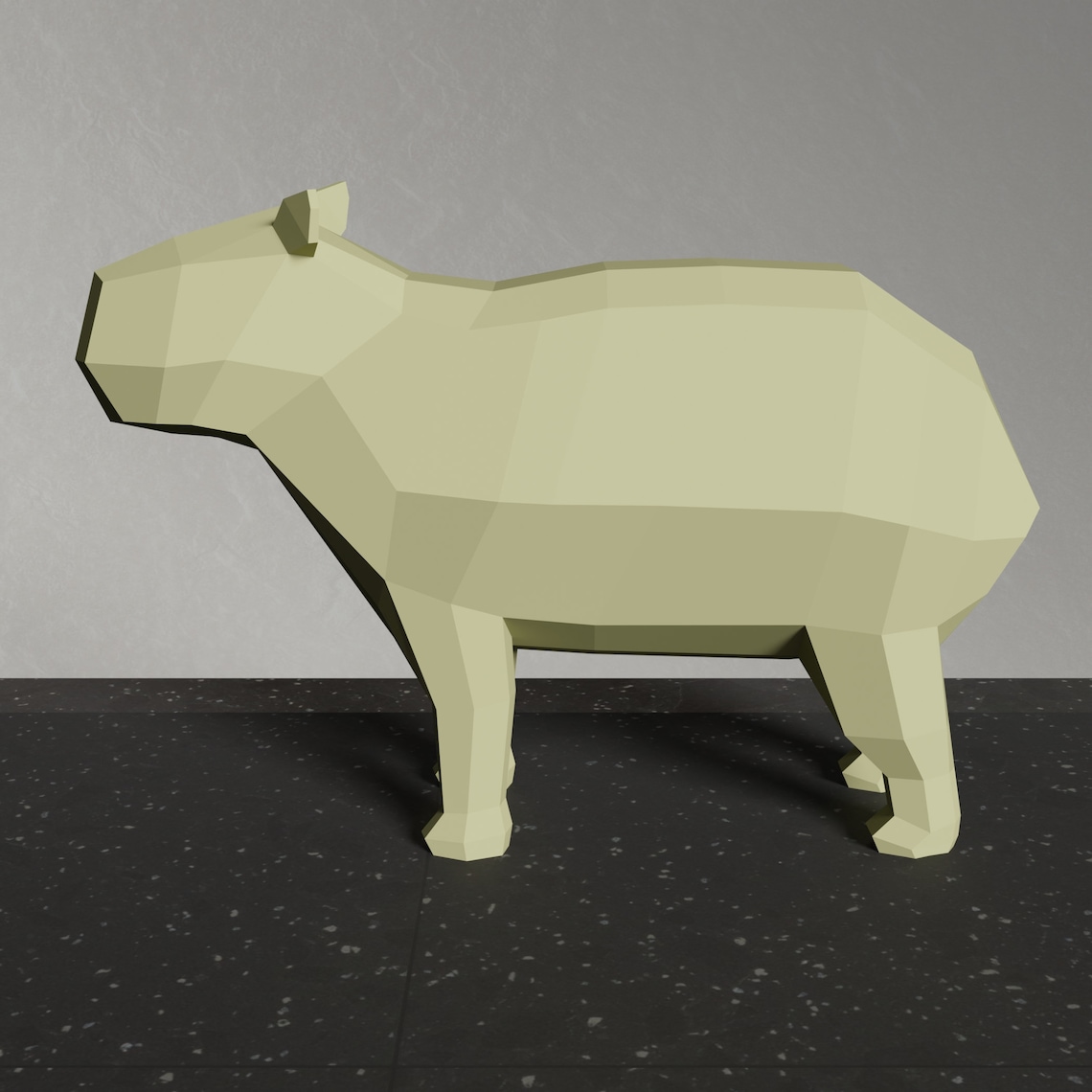
Capybara Papercraft Template Abstract Low Poly Rodent SVG Etsy Ireland
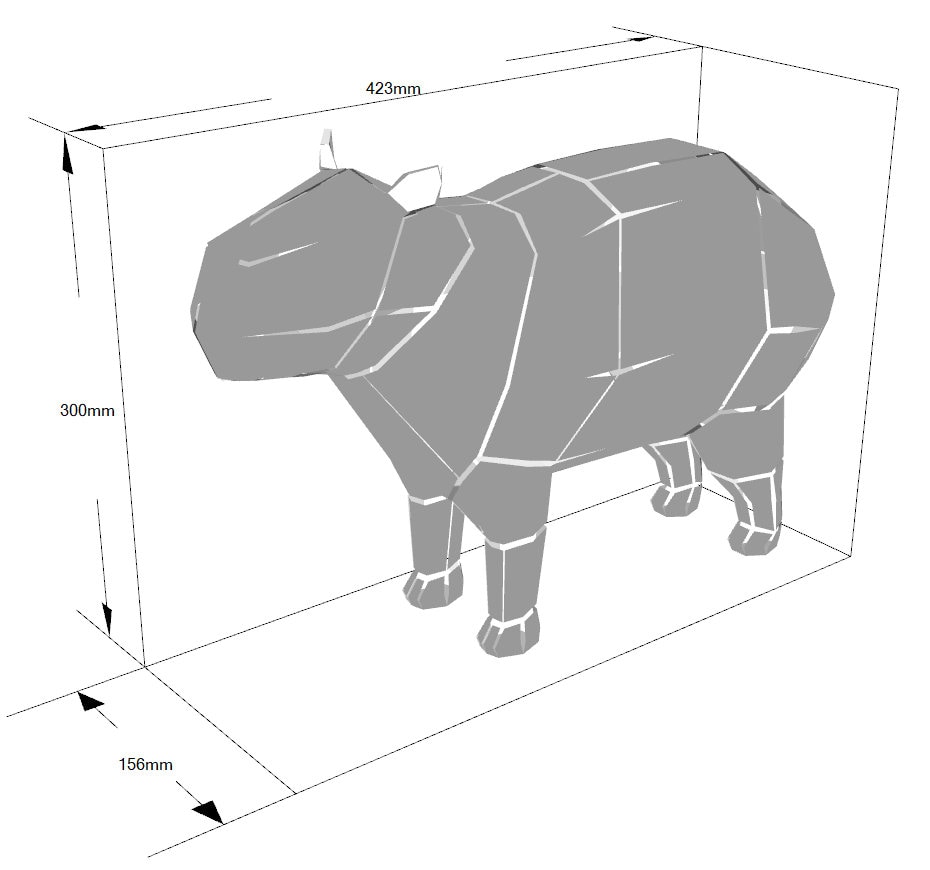
Capybara Papercraft Template, Low Poly 3D Model (SVG, DXF, PDF) Etsy

Capybara Papercraft Template PDF SVG DXF 3D Lowpoly Animal

Build a capybara with me Artofit

Capybara Papercraft Template, Abstract Low Poly Rodent, SVG, DXF, PDF

3D Capybara Papercraft SVG PDF Template DIY Low Poly Animal Model for

Capybara Papercraft Template Printable Calendars AT A GLANCE

Capybara Papercraft Template

3D Capybara Papercraft SVG PDF Template DIY Low Poly Animal Model for

Capybara papercraft

Printable Capybara House Craft Kit DIY Paper Toy Template for Kids

Capybara Papercraft Template

Capybara Papercraft Template PDF SVG DXF 3D Lowpoly Animal

Capybara Papercraft Template udlvirtual.esad.edu.br

Capybara Papercraft Template

Origami capybara Artofit

3D Capybara Papercraft SVG PDF Template DIY Low Poly Animal Model for
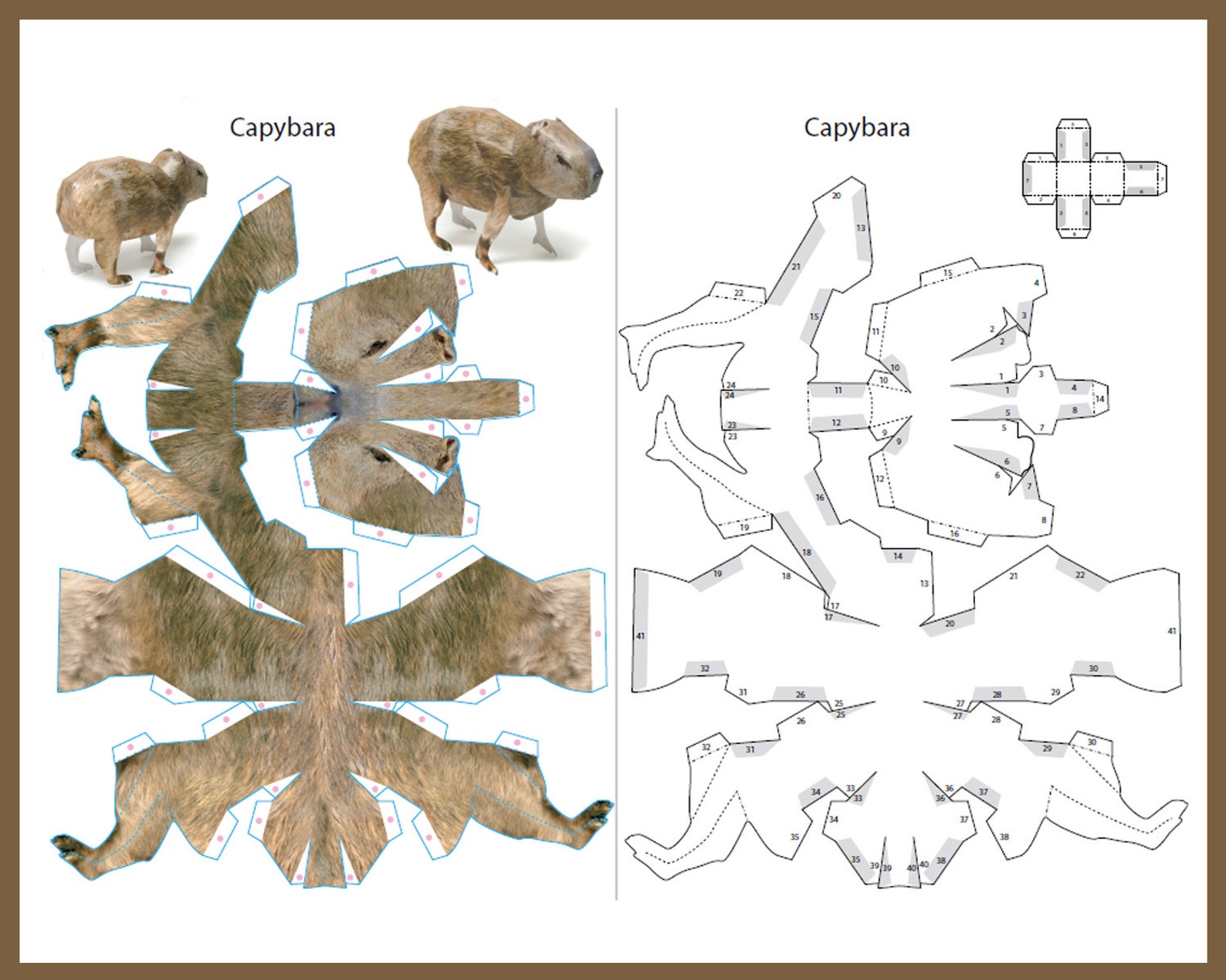
Capybara Papercraft Template

Capybara Papercraft Template

Baby Capybara, Papercraft, Template, DIY, Paper, Low Poly, Cute, Kawaii

Capybara Papercraft Template Cute 3D Low Poly Paper Animal in 2025
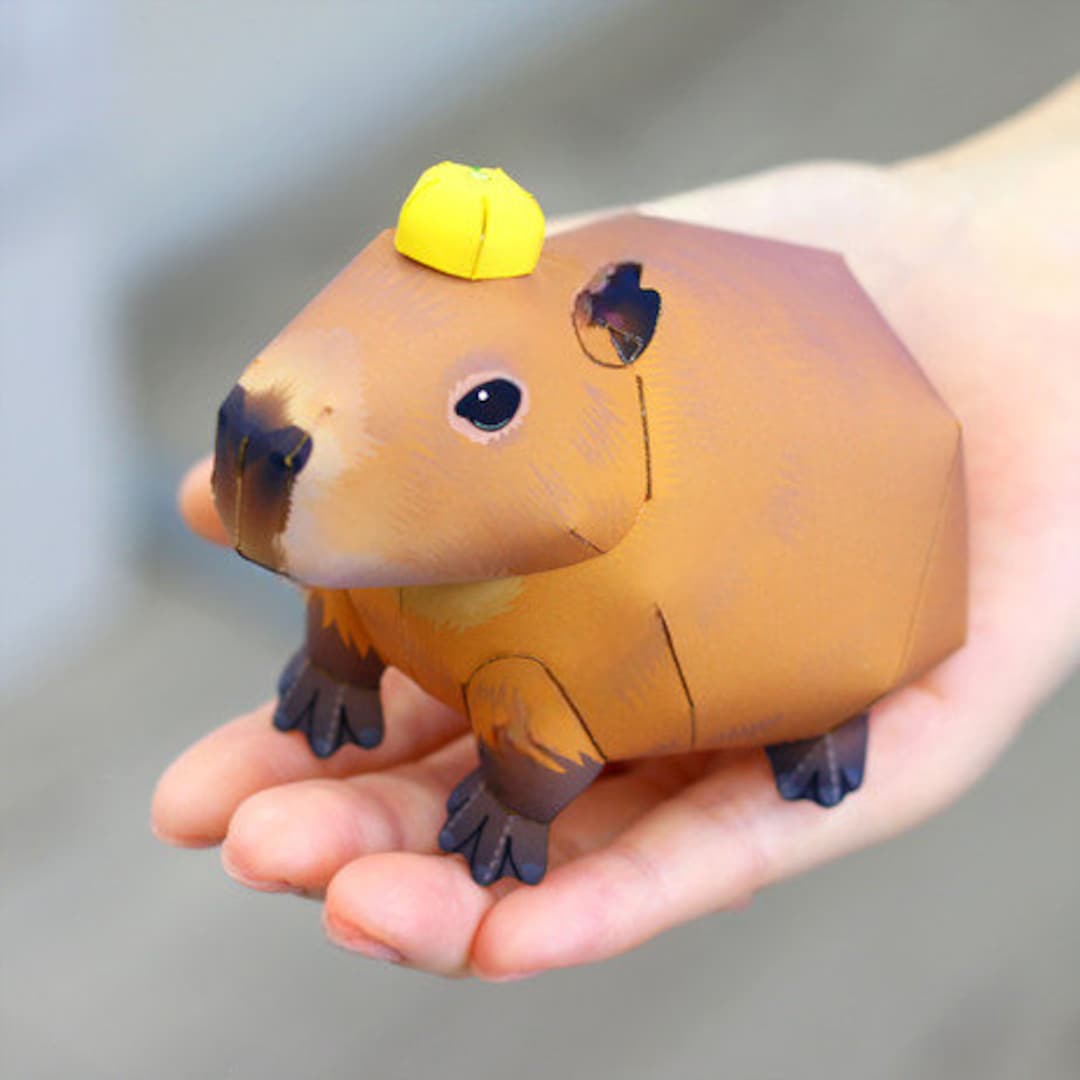
Papercraft Capybara Template Printable PDF Etsy UK

Capybara Papercraft Template PDF SVG DXF 3D Lowpoly Animal

3D Capybara Papercraft SVG PDF Template DIY Low Poly Animal Model for

Capybara Papercraft Template

Capybara Papercraft Template

Capybara papercraft template abstract low poly rodent svg dxf pdf
CAPYBARA Cute 3D Origami Animal Sculpture Printable Template Pepaku

Capybara Papercraft Template Printable Calendars AT A GLANCE

Capybara Papercraft Template PDF SVG DXF 3D Lowpoly Animal

Papercraft Capybara Template Printable PDF Etsy

Capybara Papercraft Template 3D Low Poly Animal Model (PDF Download

Capybara Papercraft Template Cute 3D Low Poly Paper Model, DIY Animal
Relax With Eight Facts About The World's Largest Rodent.
They Are From South America, Where They Live Both In Dense Forests And Savannas, Typically Near Bodies Of Water.
Capybaras Live Across Much Of South America, Always Near Water.
Related Post: