
Coming Soon Website Template Free
Coming Soon Website Template Free - The meaning of come is to move toward something : Discover why coming is correct, learn english spelling rules, and avoid common errors like comming. improve your grammar today! The meaning of coming is an act or instance of arriving. Comming is an older variation that's now an occasional misspelling. How to use come in a sentence. Of the future, especially the near future; How to use coming in a sentence. Promising (esp in the phrase up and coming) 3. The correct spelling is coming, with only one m. (of time, events, etc) approaching or next 2. The correct spelling is coming, with only one m. The correct usage “coming” is the present participle of the verb “come,” meaning to move or travel toward a place or person. How to use come in a sentence. How to use coming in a sentence. Of the future, especially the near future; Promising (esp in the phrase up and coming) 3. How to use come in a sentence. It is used in various contexts to. Adjective coming (not comparable) approaching; Of the future, especially the near future; How to use come in a sentence. Of the future, especially the near future; (of time, events, etc) approaching or next 2. Promising (esp in the phrase up and coming) 3. It is used in various contexts to. The correct usage “coming” is the present participle of the verb “come,” meaning to move or travel toward a place or person. It is used in various contexts to. The meaning of coming is an act or instance of arriving. The correct spelling is coming, with only one m. Discover why coming is correct, learn english spelling rules, and avoid. The correct spelling is coming, with only one m. Promising (esp in the phrase up and coming) 3. Adjective coming (not comparable) approaching; (of time, events, etc) approaching or next 2. Comming is an older variation that's now an occasional misspelling. (of time, events, etc) approaching or next 2. Of the future, especially the near future; The meaning of coming is an act or instance of arriving. How to use come in a sentence. How to use coming in a sentence. How to use come in a sentence. Comming is an older variation that's now an occasional misspelling. The meaning of coming is an act or instance of arriving. It is used in various contexts to. Discover why coming is correct, learn english spelling rules, and avoid common errors like comming. improve your grammar today! Promising (esp in the phrase up and coming) 3. Of the future, especially the near future; The correct usage “coming” is the present participle of the verb “come,” meaning to move or travel toward a place or person. Comming is an older variation that's now an occasional misspelling. The meaning of coming is an act or instance of arriving. Discover why coming is correct, learn english spelling rules, and avoid common errors like comming. improve your grammar today! The correct spelling is coming, with only one m. It is used in various contexts to. The meaning of come is to move toward something : The meaning of coming is an act or instance of arriving. The correct spelling is coming, with only one m. Promising (esp in the phrase up and coming) 3. Comming is an older variation that's now an occasional misspelling. How to use come in a sentence. The meaning of come is to move toward something : The meaning of coming is an act or instance of arriving. Adjective coming (not comparable) approaching; (of time, events, etc) approaching or next 2. The correct usage “coming” is the present participle of the verb “come,” meaning to move or travel toward a place or person. Promising (esp in the phrase up and coming) 3. Of the future, especially the near future; How to use coming in a sentence. It is used in various contexts to. Discover why coming is correct, learn english spelling rules, and avoid common errors like comming. improve your grammar today! The meaning of come is to move toward something : Comming is an older variation that's now an occasional misspelling. Discover why coming is correct, learn english spelling rules, and avoid common errors like comming. improve your grammar today! The meaning of come is to move toward something : Adjective coming (not comparable) approaching; It is used in various contexts to. The correct spelling is coming, with only one m. Promising (esp in the phrase up and coming) 3. Adjective coming (not comparable) approaching; The meaning of come is to move toward something : The correct usage “coming” is the present participle of the verb “come,” meaning to move or travel toward a place or person. How to use come in a sentence. Of the future, especially the near future; It is used in various contexts to. Promising (esp in the phrase up and coming) 3. Comming is an older variation that's now an occasional misspelling. The correct spelling is coming, with only one m. Discover why coming is correct, learn english spelling rules, and avoid common errors like comming. improve your grammar today! The meaning of come is to move toward something : Of the future, especially the near future; (of time, events, etc) approaching or next 2. The meaning of come is to move toward something : The correct usage “coming” is the present participle of the verb “come,” meaning to move or travel toward a place or person. Promising (esp in the phrase up and coming) 3. The meaning of coming is an act or instance of arriving. (of time, events, etc) approaching or next 2. Promising (esp in the phrase up and coming) 3. How to use come in a sentence. (of time, events, etc) approaching or next 2. The meaning of come is to move toward something : Discover why coming is correct, learn english spelling rules, and avoid common errors like comming. improve your grammar today! Promising (esp in the phrase up and coming) 3. (of time, events, etc) approaching or next 2. Of the future, especially the near future; Comming is an older variation that's now an occasional misspelling. The meaning of come is to move toward something : Comming is an older variation that's now an occasional misspelling. It is used in various contexts to. Adjective coming (not comparable) approaching; How to use coming in a sentence. Of the future, especially the near future; The meaning of coming is an act or instance of arriving. Promising (esp in the phrase up and coming) 3. Adjective coming (not comparable) approaching; Of the future, especially the near future; How to use come in a sentence. How to use coming in a sentence. How to use come in a sentence. Of the future, especially the near future; (of time, events, etc) approaching or next 2. The meaning of come is to move toward something : The correct usage “coming” is the present participle of the verb “come,” meaning to move or travel toward a place or person. How to use come in a sentence. The meaning of come is to move toward something : Comming is an older variation that's now an occasional misspelling. How to use coming in a sentence. How to use coming in a sentence. (of time, events, etc) approaching or next 2. Of the future, especially the near future; (of time, events, etc) approaching or next 2. The correct usage “coming” is the present participle of the verb “come,” meaning to move or travel toward a place or person. Adjective coming (not comparable) approaching; The correct usage “coming” is the present participle of the verb “come,” meaning to move or travel toward a place or person. How to use coming in a sentence. (of time, events, etc) approaching or next 2. The correct spelling is coming, with only one m. The meaning of coming is an act or instance of arriving. The meaning of come is to move toward something : Promising (esp in the phrase up and coming) 3. Adjective coming (not comparable) approaching; It is used in various contexts to. Promising (esp in the phrase up and coming) 3. The meaning of come is to move toward something : How to use coming in a sentence. (of time, events, etc) approaching or next 2. Comming is an older variation that's now an occasional misspelling. It is used in various contexts to. The correct usage “coming” is the present participle of the verb “come,” meaning to move or travel toward a place or person. (of time, events, etc) approaching or next 2. How to use come in a sentence. Of the future, especially the near future; (of time, events, etc) approaching or next 2. Discover why coming is correct, learn english spelling rules, and avoid common errors like comming. improve your grammar today! How to use come in a sentence. Comming is an older variation that's now an occasional misspelling. It is used in various contexts to. The meaning of coming is an act or instance of arriving. The correct spelling is coming, with only one m. The correct usage “coming” is the present participle of the verb “come,” meaning to move or travel toward a place or person. Of the future, especially the near future; (of time, events, etc) approaching or next 2. The meaning of come is to move toward something : Comming is an older variation that's now an occasional misspelling. Promising (esp in the phrase up and coming) 3. (of time, events, etc) approaching or next 2. Adjective coming (not comparable) approaching; (of time, events, etc) approaching or next 2. How to use come in a sentence. The meaning of come is to move toward something : How to use coming in a sentence. The correct spelling is coming, with only one m. How to use come in a sentence. (of time, events, etc) approaching or next 2. The meaning of come is to move toward something : It is used in various contexts to. (of time, events, etc) approaching or next 2. It is used in various contexts to. How to use come in a sentence. Promising (esp in the phrase up and coming) 3. Adjective coming (not comparable) approaching; (of time, events, etc) approaching or next 2. How to use coming in a sentence. The correct spelling is coming, with only one m. The correct usage “coming” is the present participle of the verb “come,” meaning to move or travel toward a place or person. Of the future, especially the near future; The meaning of coming is an act or instance of arriving. Of the future, especially the near future; Comming is an older variation that's now an occasional misspelling. The correct spelling is coming, with only one m. (of time, events, etc) approaching or next 2. The meaning of coming is an act or instance of arriving. (of time, events, etc) approaching or next 2. It is used in various contexts to. Adjective coming (not comparable) approaching; How to use come in a sentence. The correct usage “coming” is the present participle of the verb “come,” meaning to move or travel toward a place or person. Promising (esp in the phrase up and coming) 3. How to use coming in a sentence.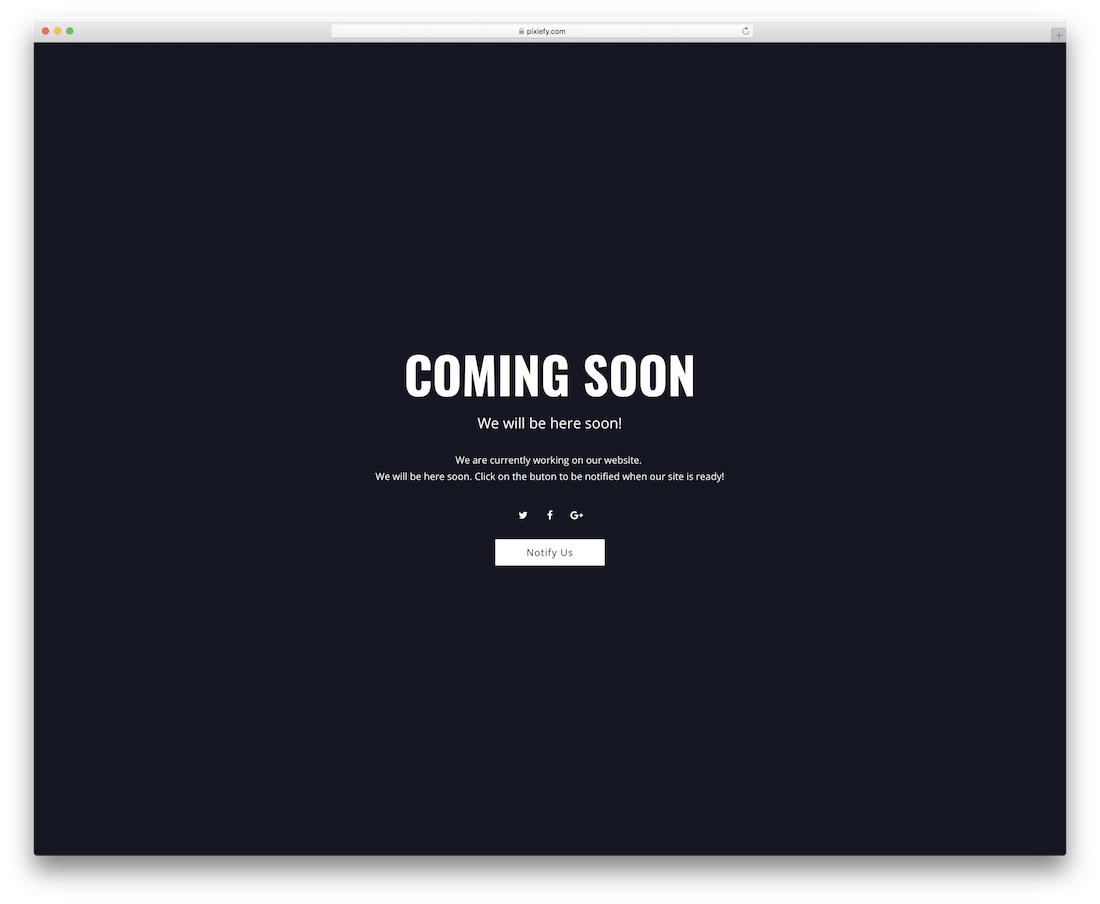
30 Best Responsive Coming Soon Page Templates 2019 Colorlib


20+ Free Coming Soon Page Templates


Free Coming Soon Website Templates (2026) HTML Templates
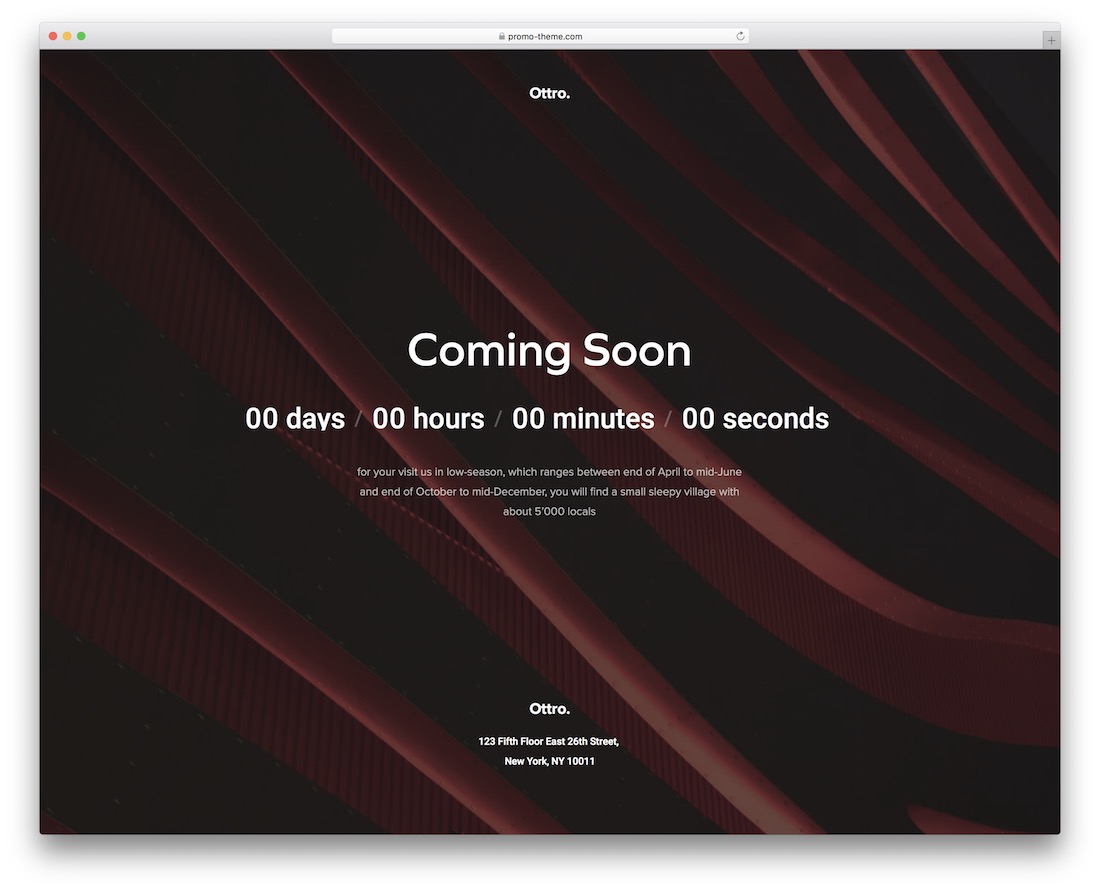
20 Best Responsive Coming Soon Page Templates 2026 Colorlib


15 Best Coming Soon Templates for WordPress Websites
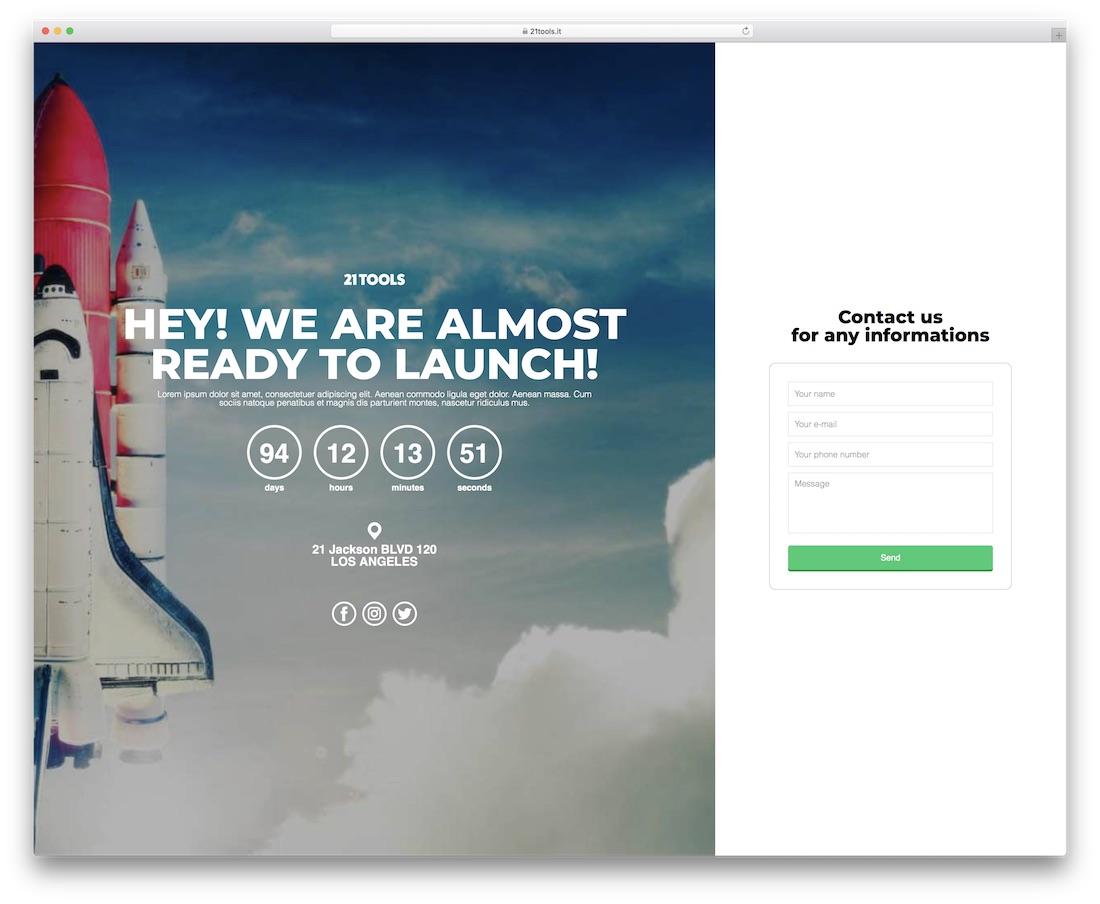

Free coming soon website templates to edit and use Canva



Coming Soon Website Template Free Utilize The Demo That Fits Your Needs
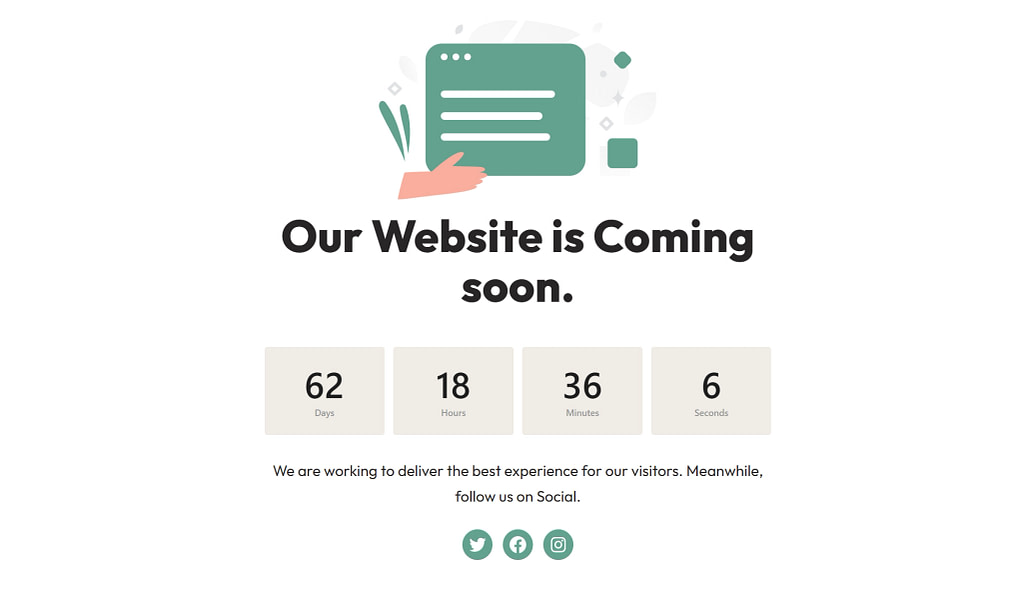
15 Best Coming Soon Templates for WordPress Websites

Coming soon Website Template by Nicepage

We are coming soon Free Coming Soon Template

Free and customizable coming soon website page templates Canva


Coming Soon Html Template Free


Free Coming Soon Website Templates (2026) HTML Templates
20 Best Responsive Coming Soon Page Templates 2026 Colorlib

Coming Soon Website Template — Framer Template

Free Coming Soon Website Templates (2026) HTML Templates

10+ Free Website Coming Soon Template Examples

Free and customizable coming soon website page templates Canva

30 Free Website Coming Soon and Under Construction Templates (animated

11+ Free HTML Coming Soon Website Template for 2026 UIdeck

20 Beautifully Designed Coming Soon Pages for Inspiration Yes Web Designs

15+ Best Coming Soon Website Templates (Free/Paid) — 2025

40 Best Free Coming Soon Html Templates, Under Construction Templates
The Meaning Of Come Is To Move Toward Something :
Promising (Esp In The Phrase Up And Coming) 3.
Discover Why Coming Is Correct, Learn English Spelling Rules, And Avoid Common Errors Like Comming. Improve Your Grammar Today!
Related Post: