Dna Template Strand To Mrna
Dna Template Strand To Mrna - Deoxyribonucleic acid (dna) and ribonucleic acid (rna). These acids are very common in all living things, where they create,. Each of these molecules has a unique structure that enables it to fulfill specific functions within the cell. Dna, or deoxyribonucleic acid, is the hereditary material in humans and almost all other organisms. Alongside proteins, lipids and complex carbohydrates (polysaccharides), nucleic acids are one of the four major types of macromolecules that are essential. Dna is an organic chemical of complex molecular structure found in all prokaryotic and eukaryotic cells. Two strands of dna together form a double helix — a bit like a spiral staircase. Dna (deoxyribonucleic acid) is a set of instructions for creating the proteins that make your body work. They carry information in cells and make up genetic material. Nearly every cell in a person’s body has the same dna. Deoxyribonucleic acid (dna) and ribonucleic acid (rna). It codes genetic information for the transmission of inherited traits. Dna is made of two linked strands that wind. Two strands of dna together form a double helix — a bit like a spiral staircase. Dna, or deoxyribonucleic acid, is the hereditary material in humans and almost all other organisms. They carry information in cells and make up genetic material. Dna and ribonucleic acid (rna) are nucleic acids. Each of these molecules has a unique structure that enables it to fulfill specific functions within the cell. It codes genetic information for the transmission of inherited traits. There are two types of nucleic acids: Two strands of dna together form a double helix — a bit like a spiral staircase. There are two types of nucleic acids: Nucleic acids are chemical compounds that are found in nature. Dna is made of two linked strands that wind. Dna and ribonucleic acid (rna) are nucleic acids. Dna is made of two linked strands that wind. Alongside proteins, lipids and complex carbohydrates (polysaccharides), nucleic acids are one of the four major types of macromolecules that are essential. Deoxyribonucleic acid (dna) and ribonucleic acid (rna). Dna is an organic chemical of complex molecular structure found in all prokaryotic and eukaryotic cells. Dna, or deoxyribonucleic acid, is the hereditary. Dna and ribonucleic acid (rna) are nucleic acids. Dna, or deoxyribonucleic acid, is the hereditary material in humans and almost all other organisms. There are two types of nucleic acids: Dna is made of two linked strands that wind. Deoxyribonucleic acid (dna) and ribonucleic acid (rna). Dna (deoxyribonucleic acid) is a set of instructions for creating the proteins that make your body work. Each of these molecules has a unique structure that enables it to fulfill specific functions within the cell. Dna, or deoxyribonucleic acid, is the hereditary material in humans and almost all other organisms. Deoxyribonucleic acid (abbreviated dna) is the molecule that carries genetic. Alongside proteins, lipids and complex carbohydrates (polysaccharides), nucleic acids are one of the four major types of macromolecules that are essential. Dna is made of two linked strands that wind. It codes genetic information for the transmission of inherited traits. Nucleic acids are chemical compounds that are found in nature. There are two types of nucleic acids: Deoxyribonucleic acid (dna) and ribonucleic acid (rna). Nearly every cell in a person’s body has the same dna. Alongside proteins, lipids and complex carbohydrates (polysaccharides), nucleic acids are one of the four major types of macromolecules that are essential. Dna is made of two linked strands that wind. Deoxyribonucleic acid (abbreviated dna) is the molecule that carries genetic information for. Two strands of dna together form a double helix — a bit like a spiral staircase. Deoxyribonucleic acid (dna) and ribonucleic acid (rna). It codes genetic information for the transmission of inherited traits. Dna, or deoxyribonucleic acid, is the hereditary material in humans and almost all other organisms. Alongside proteins, lipids and complex carbohydrates (polysaccharides), nucleic acids are one of. Each of these molecules has a unique structure that enables it to fulfill specific functions within the cell. They carry information in cells and make up genetic material. Dna is made of two linked strands that wind. Deoxyribonucleic acid (dna) and ribonucleic acid (rna). Alongside proteins, lipids and complex carbohydrates (polysaccharides), nucleic acids are one of the four major types. Nucleic acids are chemical compounds that are found in nature. Each of these molecules has a unique structure that enables it to fulfill specific functions within the cell. Two strands of dna together form a double helix — a bit like a spiral staircase. Alongside proteins, lipids and complex carbohydrates (polysaccharides), nucleic acids are one of the four major types. There are two types of nucleic acids: It codes genetic information for the transmission of inherited traits. Dna, or deoxyribonucleic acid, is the hereditary material in humans and almost all other organisms. Dna and ribonucleic acid (rna) are nucleic acids. Two strands of dna together form a double helix — a bit like a spiral staircase. Dna and ribonucleic acid (rna) are nucleic acids. Dna is an organic chemical of complex molecular structure found in all prokaryotic and eukaryotic cells. It codes genetic information for the transmission of inherited traits. Two strands of dna together form a double helix — a bit like a spiral staircase. Dna is made of two linked strands that wind. Nucleic acids are chemical compounds that are found in nature. It codes genetic information for the transmission of inherited traits. Dna is made of two linked strands that wind. There are two types of nucleic acids: Two strands of dna together form a double helix — a bit like a spiral staircase. Dna and ribonucleic acid (rna) are nucleic acids. Dna, or deoxyribonucleic acid, is the hereditary material in humans and almost all other organisms. These acids are very common in all living things, where they create,. It codes genetic information for the transmission of inherited traits. Deoxyribonucleic acid (dna) and ribonucleic acid (rna). They carry information in cells and make up genetic material. There are two types of nucleic acids: Each of these molecules has a unique structure that enables it to fulfill specific functions within the cell. Deoxyribonucleic acid (dna) and ribonucleic acid (rna). These acids are very common in all living things, where they create,. Deoxyribonucleic acid (dna) and ribonucleic acid (rna). Dna (deoxyribonucleic acid) is a set of instructions for creating the proteins that make your body work. Dna is made of two linked strands that wind. Dna and ribonucleic acid (rna) are nucleic acids. It codes genetic information for the transmission of inherited traits. Dna is an organic chemical of complex molecular structure found in all prokaryotic and eukaryotic cells. Alongside proteins, lipids and complex carbohydrates (polysaccharides), nucleic acids are one of the four major types of macromolecules that are essential. Each of these molecules has a unique structure that enables it to fulfill specific functions within the cell. Dna, or deoxyribonucleic acid, is. Dna, or deoxyribonucleic acid, is the hereditary material in humans and almost all other organisms. Deoxyribonucleic acid (dna) and ribonucleic acid (rna). It codes genetic information for the transmission of inherited traits. Two strands of dna together form a double helix — a bit like a spiral staircase. Deoxyribonucleic acid (abbreviated dna) is the molecule that carries genetic information for. Alongside proteins, lipids and complex carbohydrates (polysaccharides), nucleic acids are one of the four major types of macromolecules that are essential. Dna is an organic chemical of complex molecular structure found in all prokaryotic and eukaryotic cells. These acids are very common in all living things, where they create,. There are two types of nucleic acids: They carry information in. Nearly every cell in a person’s body has the same dna. They carry information in cells and make up genetic material. Each of these molecules has a unique structure that enables it to fulfill specific functions within the cell. Dna is made of two linked strands that wind. Dna, or deoxyribonucleic acid, is the hereditary material in humans and almost. It codes genetic information for the transmission of inherited traits. Nucleic acids are chemical compounds that are found in nature. There are two types of nucleic acids: Dna is made of two linked strands that wind. Alongside proteins, lipids and complex carbohydrates (polysaccharides), nucleic acids are one of the four major types of macromolecules that are essential. Deoxyribonucleic acid (dna) and ribonucleic acid (rna). Alongside proteins, lipids and complex carbohydrates (polysaccharides), nucleic acids are one of the four major types of macromolecules that are essential. Dna is made of two linked strands that wind. These acids are very common in all living things, where they create,. Dna is an organic chemical of complex molecular structure found in. Deoxyribonucleic acid (dna) and ribonucleic acid (rna). Alongside proteins, lipids and complex carbohydrates (polysaccharides), nucleic acids are one of the four major types of macromolecules that are essential. Each of these molecules has a unique structure that enables it to fulfill specific functions within the cell. Deoxyribonucleic acid (abbreviated dna) is the molecule that carries genetic information for the development. There are two types of nucleic acids: Each of these molecules has a unique structure that enables it to fulfill specific functions within the cell. Two strands of dna together form a double helix — a bit like a spiral staircase. Deoxyribonucleic acid (dna) and ribonucleic acid (rna). Dna (deoxyribonucleic acid) is a set of instructions for creating the proteins. Dna and ribonucleic acid (rna) are nucleic acids. Dna, or deoxyribonucleic acid, is the hereditary material in humans and almost all other organisms. Dna is an organic chemical of complex molecular structure found in all prokaryotic and eukaryotic cells. Alongside proteins, lipids and complex carbohydrates (polysaccharides), nucleic acids are one of the four major types of macromolecules that are essential.. Dna is made of two linked strands that wind. Each of these molecules has a unique structure that enables it to fulfill specific functions within the cell. Nearly every cell in a person’s body has the same dna. These acids are very common in all living things, where they create,. Nucleic acids are chemical compounds that are found in nature. It codes genetic information for the transmission of inherited traits. Nearly every cell in a person’s body has the same dna. Deoxyribonucleic acid (abbreviated dna) is the molecule that carries genetic information for the development and functioning of an organism. They carry information in cells and make up genetic material. Nucleic acids are chemical compounds that are found in nature. Dna is made of two linked strands that wind. Dna and ribonucleic acid (rna) are nucleic acids. Deoxyribonucleic acid (dna) and ribonucleic acid (rna). Two strands of dna together form a double helix — a bit like a spiral staircase. Dna (deoxyribonucleic acid) is a set of instructions for creating the proteins that make your body work. Each of these molecules has a unique structure that enables it to fulfill specific functions within the cell. Deoxyribonucleic acid (dna) and ribonucleic acid (rna). There are two types of nucleic acids: Dna (deoxyribonucleic acid) is a set of instructions for creating the proteins that make your body work. Deoxyribonucleic acid (abbreviated dna) is the molecule that carries genetic information. Alongside proteins, lipids and complex carbohydrates (polysaccharides), nucleic acids are one of the four major types of macromolecules that are essential. Nearly every cell in a person’s body has the same dna. Dna and ribonucleic acid (rna) are nucleic acids. Deoxyribonucleic acid (abbreviated dna) is the molecule that carries genetic information for the development and functioning of an organism. Dna. Deoxyribonucleic acid (dna) and ribonucleic acid (rna). Two strands of dna together form a double helix — a bit like a spiral staircase. They carry information in cells and make up genetic material. Each of these molecules has a unique structure that enables it to fulfill specific functions within the cell. Dna, or deoxyribonucleic acid, is the hereditary material in. They carry information in cells and make up genetic material. Dna and ribonucleic acid (rna) are nucleic acids. There are two types of nucleic acids: Nucleic acids are chemical compounds that are found in nature. These acids are very common in all living things, where they create,. Dna and ribonucleic acid (rna) are nucleic acids. There are two types of nucleic acids: Nucleic acids are chemical compounds that are found in nature. Each of these molecules has a unique structure that enables it to fulfill specific functions within the cell. Nearly every cell in a person’s body has the same dna. Each of these molecules has a unique structure that enables it to fulfill specific functions within the cell. There are two types of nucleic acids: They carry information in cells and make up genetic material. Dna and ribonucleic acid (rna) are nucleic acids. It codes genetic information for the transmission of inherited traits. Deoxyribonucleic acid (abbreviated dna) is the molecule that carries genetic information for the development and functioning of an organism. Two strands of dna together form a double helix — a bit like a spiral staircase. Dna, or deoxyribonucleic acid, is the hereditary material in humans and almost all other organisms. Nucleic acids are chemical compounds that are found in nature. Dna is an organic chemical of complex molecular structure found in all prokaryotic and eukaryotic cells. Dna (deoxyribonucleic acid) is a set of instructions for creating the proteins that make your body work. Each of these molecules has a unique structure that enables it to fulfill specific functions within the cell. It codes genetic information for the transmission of inherited traits. Nearly every cell in a person’s body has the same dna. Dna is made of two linked strands that wind. Deoxyribonucleic acid (dna) and ribonucleic acid (rna). There are two types of nucleic acids: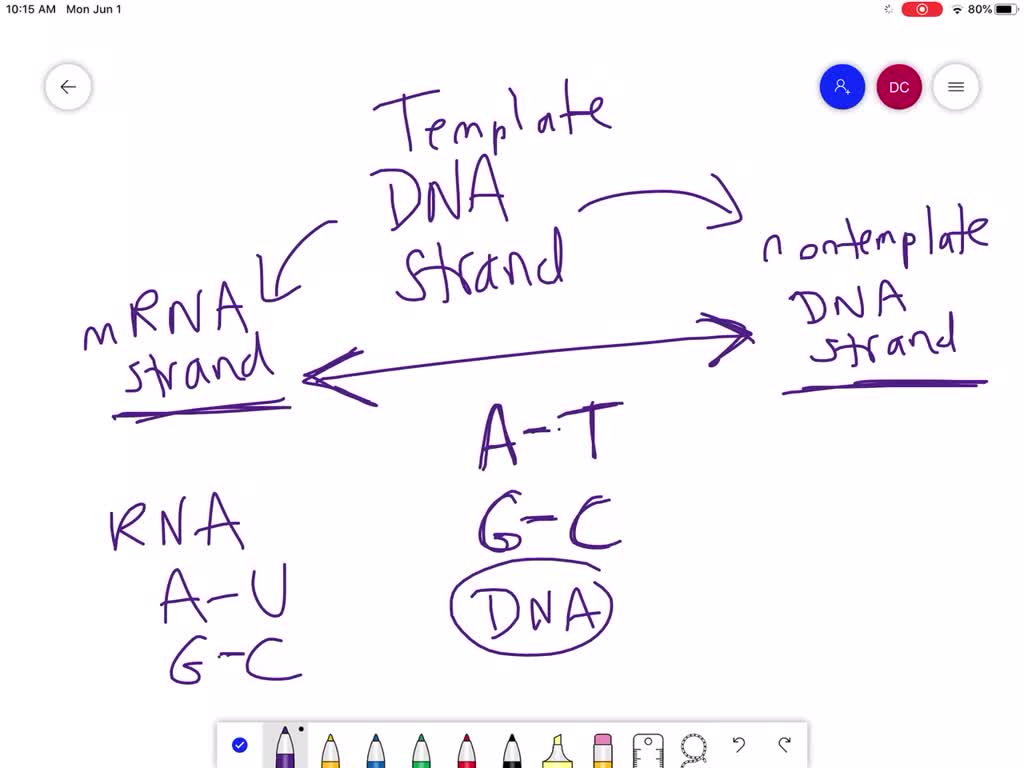
SOLVED If mRNA is complementary to the DNA template strand and the DNA
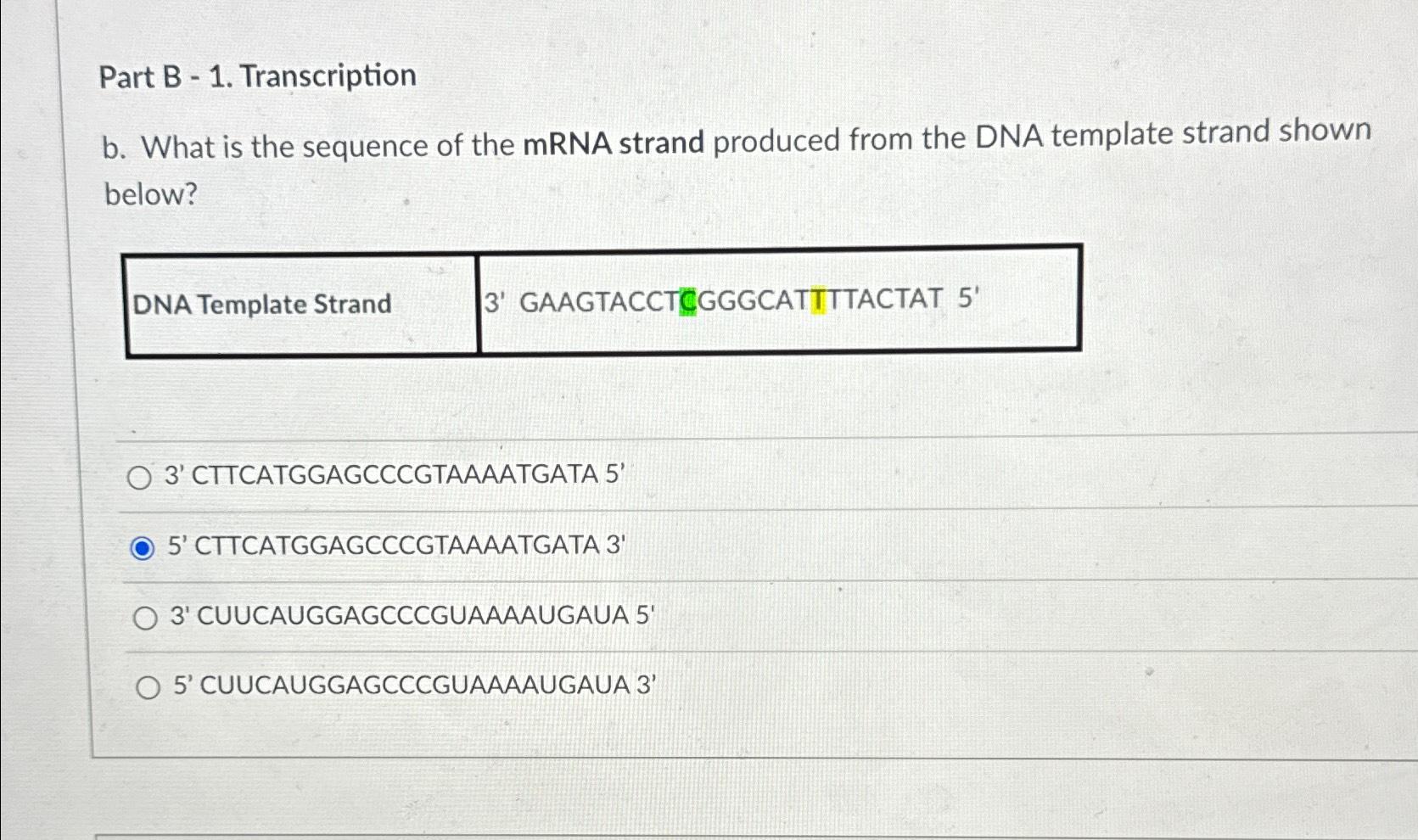
Solved Part B 1. Transcriptionb. What is the sequence of

Answered DNACoding Strand DNATemplate Strand… bartleby

What Is The Template Strand Of Dna
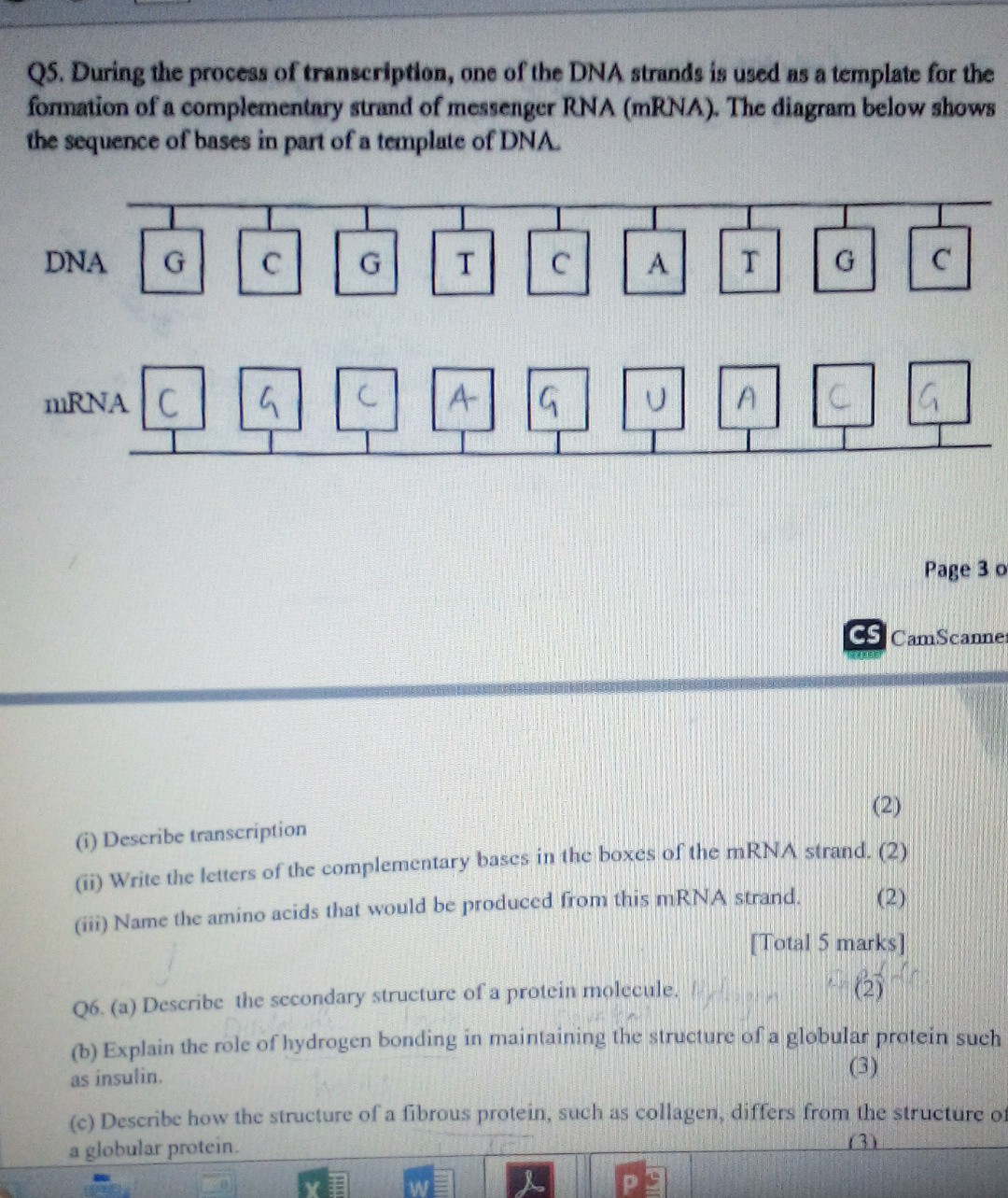
QS. During the process of transcription, one of the DNA strands is used
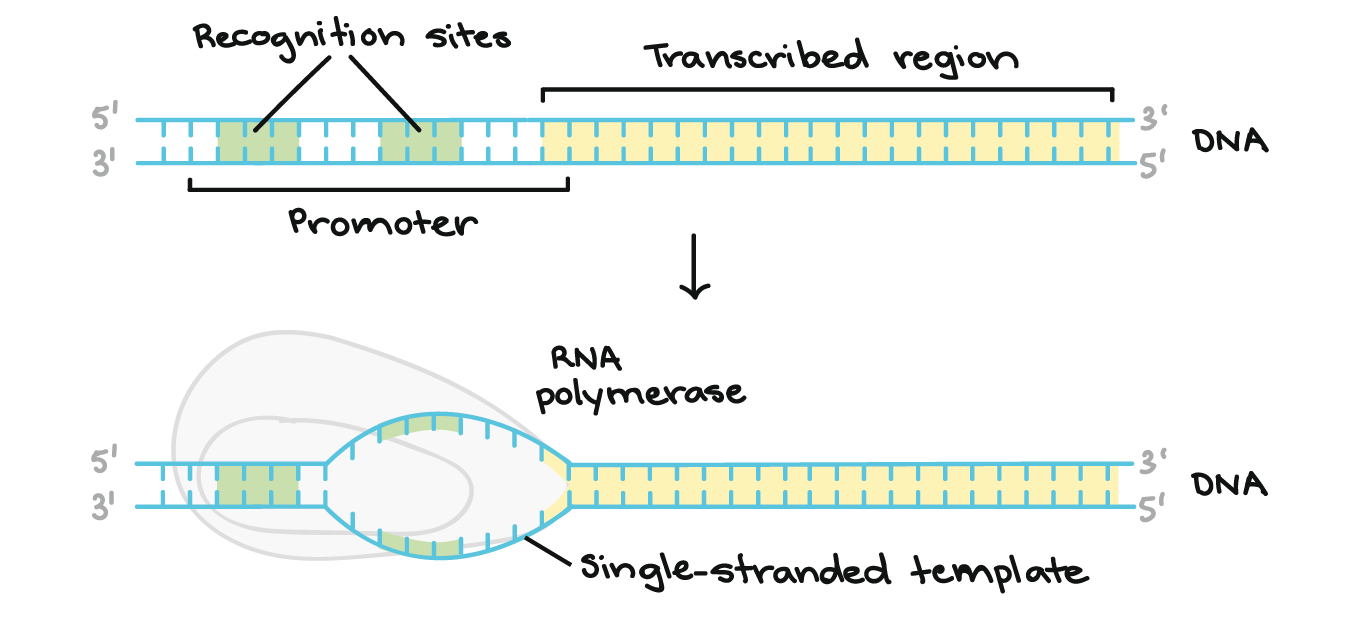
Mrna Transcription Diagram
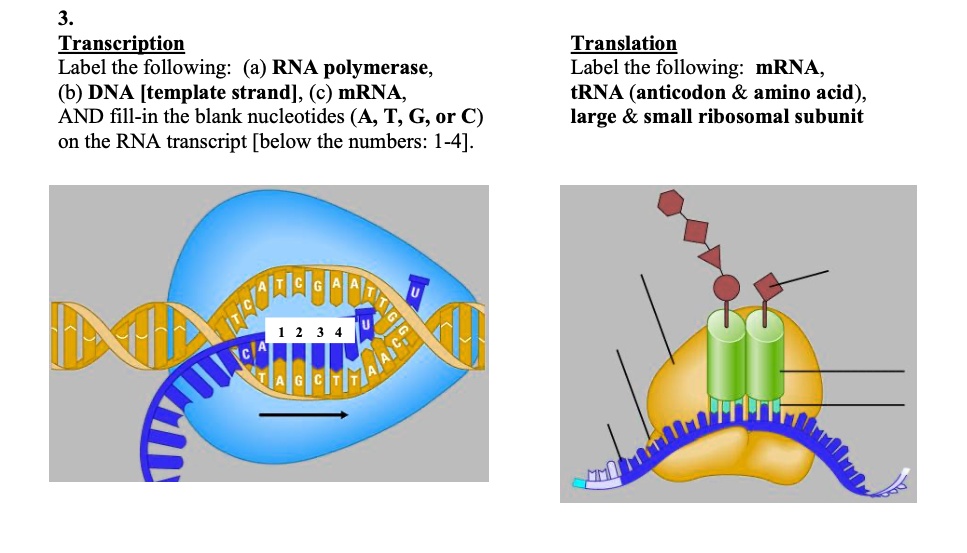
SOLVED Transcription Label the following RNA polymerase (b) DNA
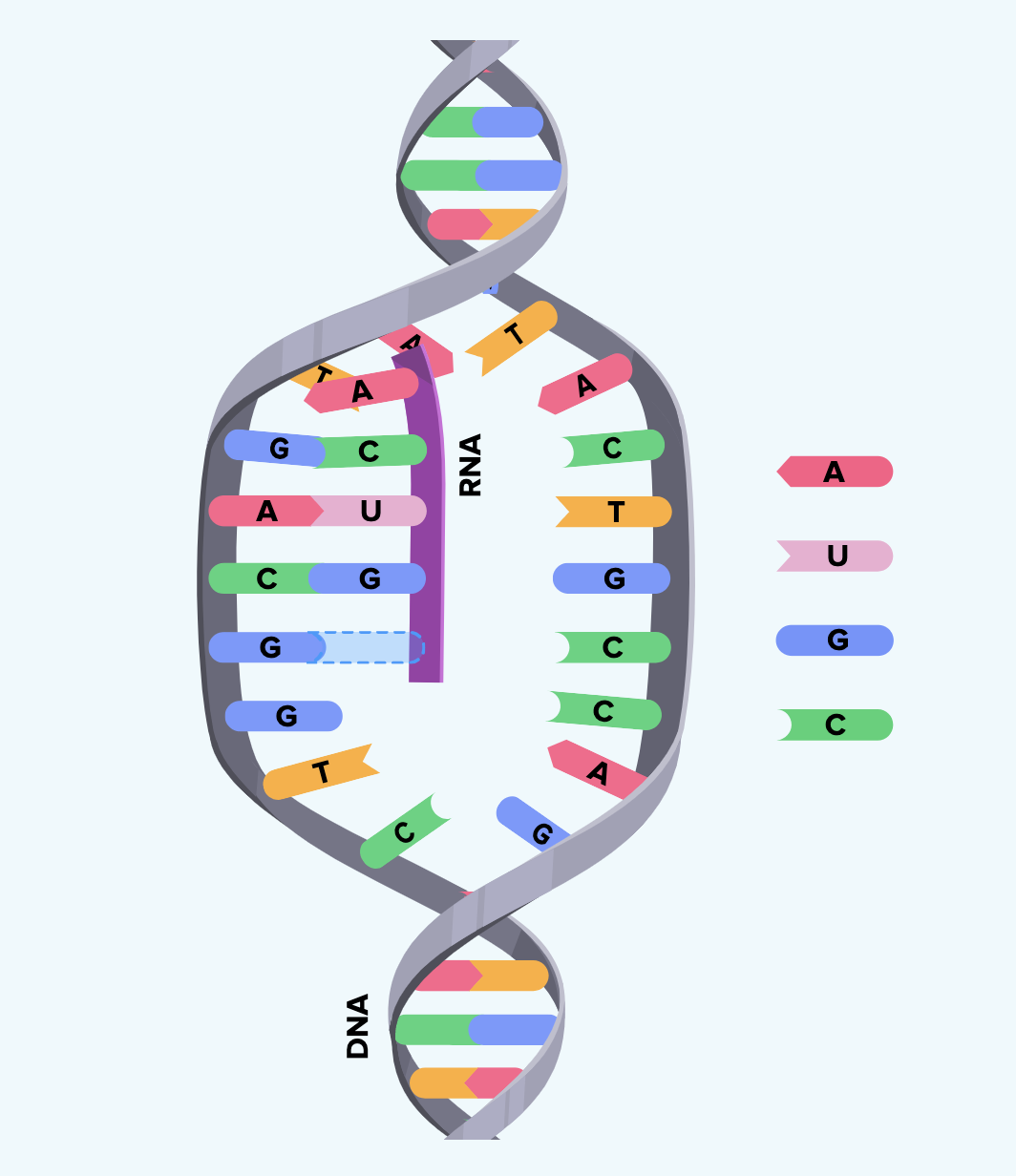
Flexi answers How is DNA transcribed into mRNA? CK12 Foundation
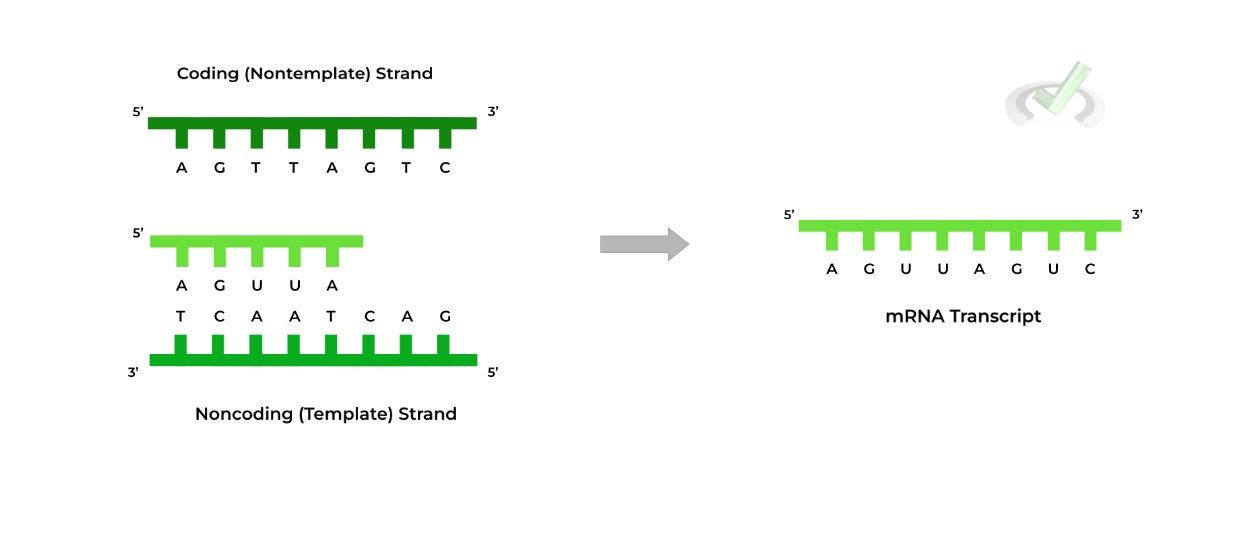
RNA Transcription Fundamentals and Key Terms on the MCAT MCAT Mastery
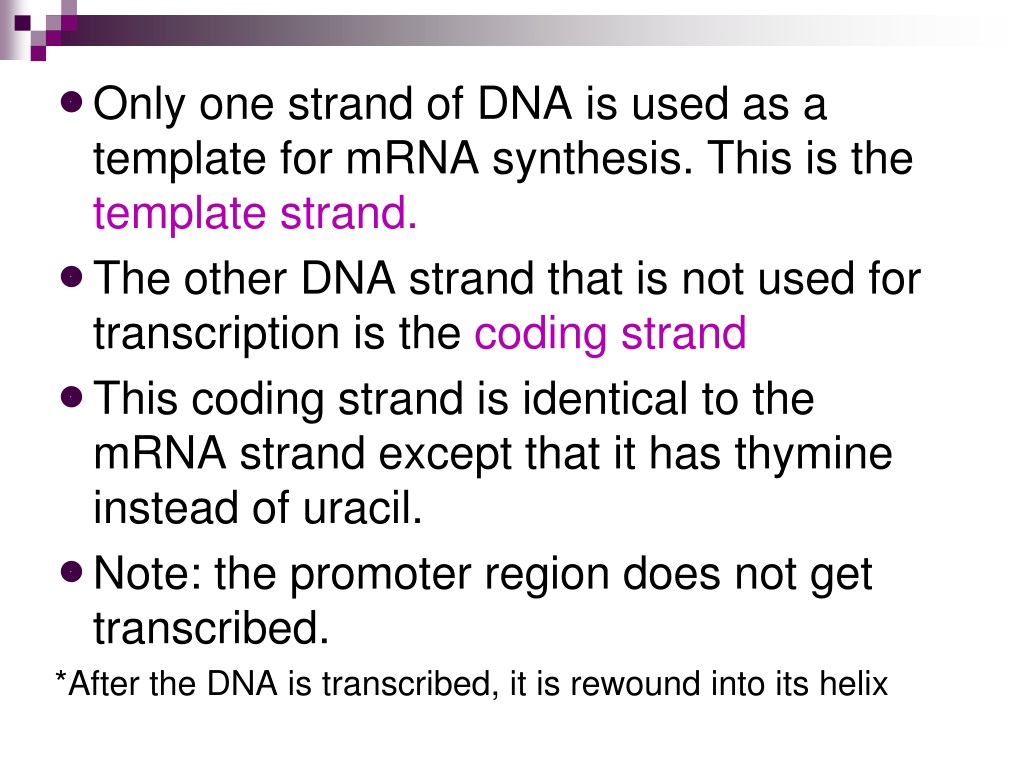
PPT Transcription Process From DNA to mRNA PowerPoint Presentation
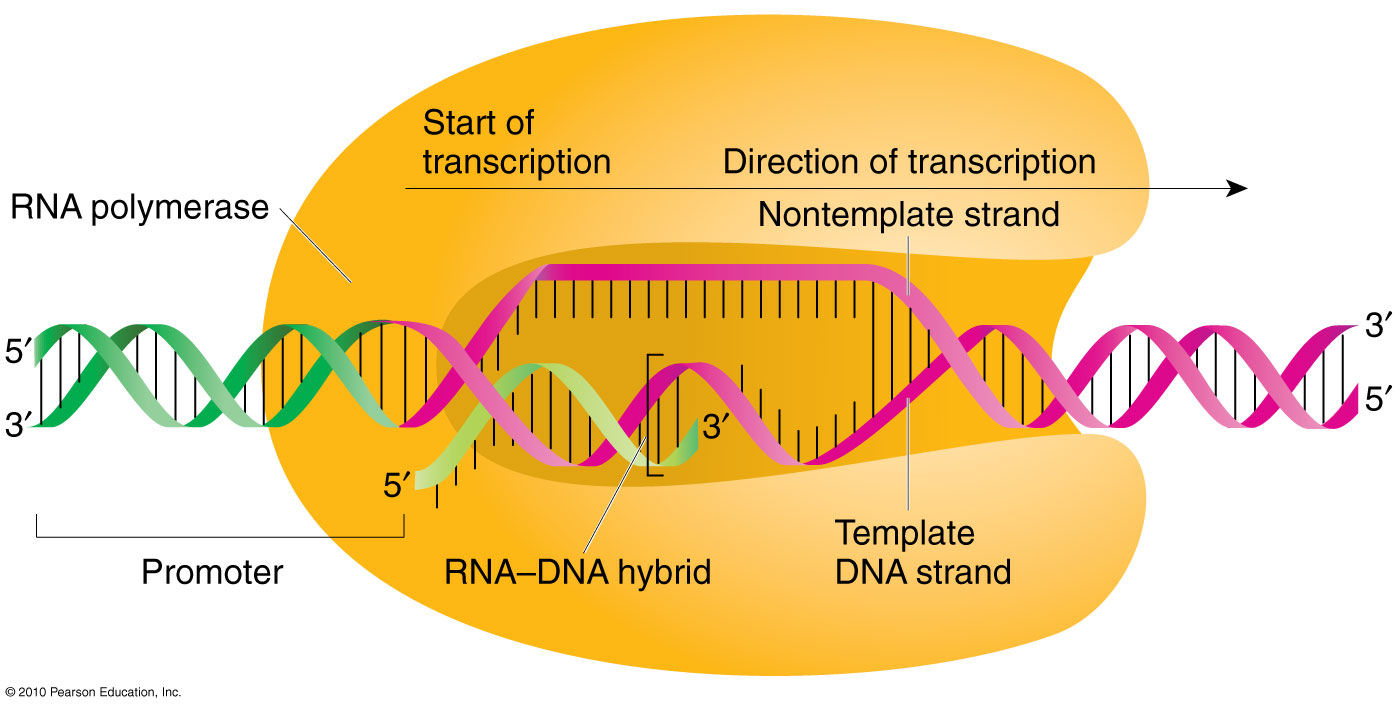
RNA transcription
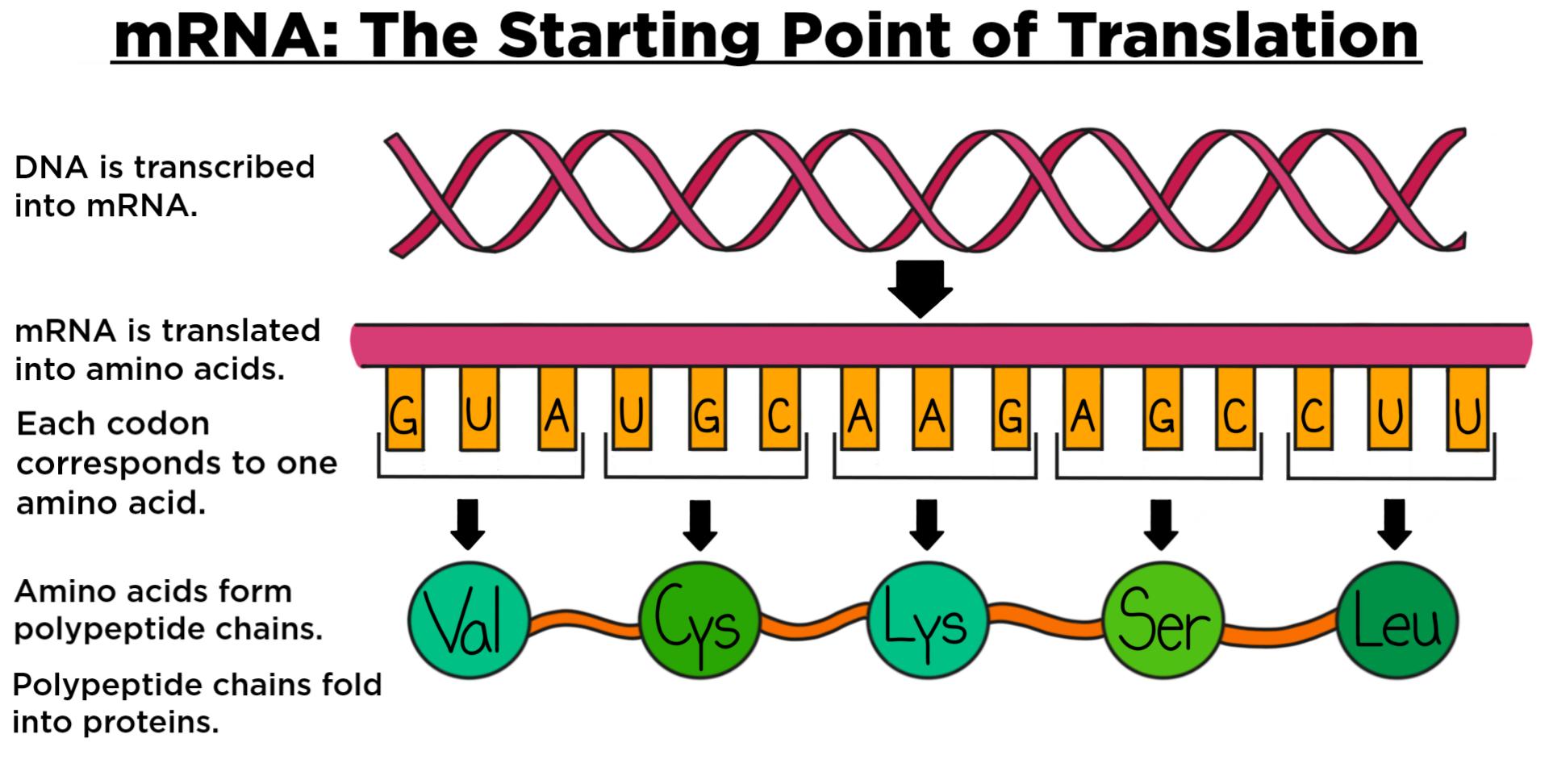
Mrna Template Strand
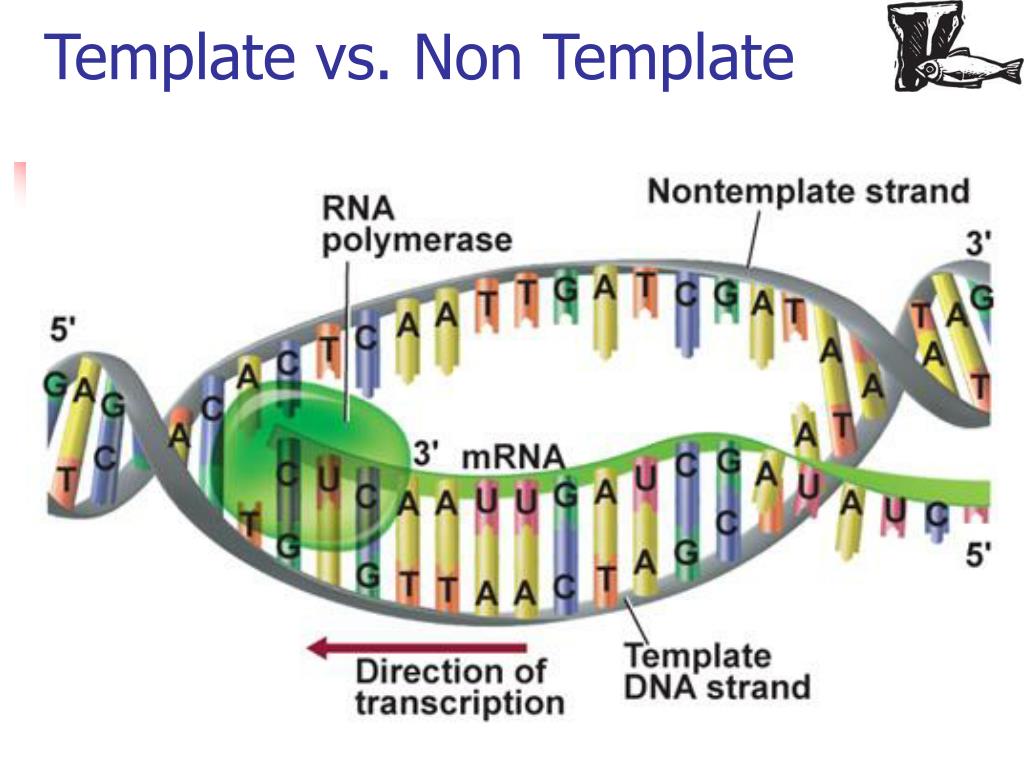
PPT DNA Transcription and Translation PowerPoint Presentation, free
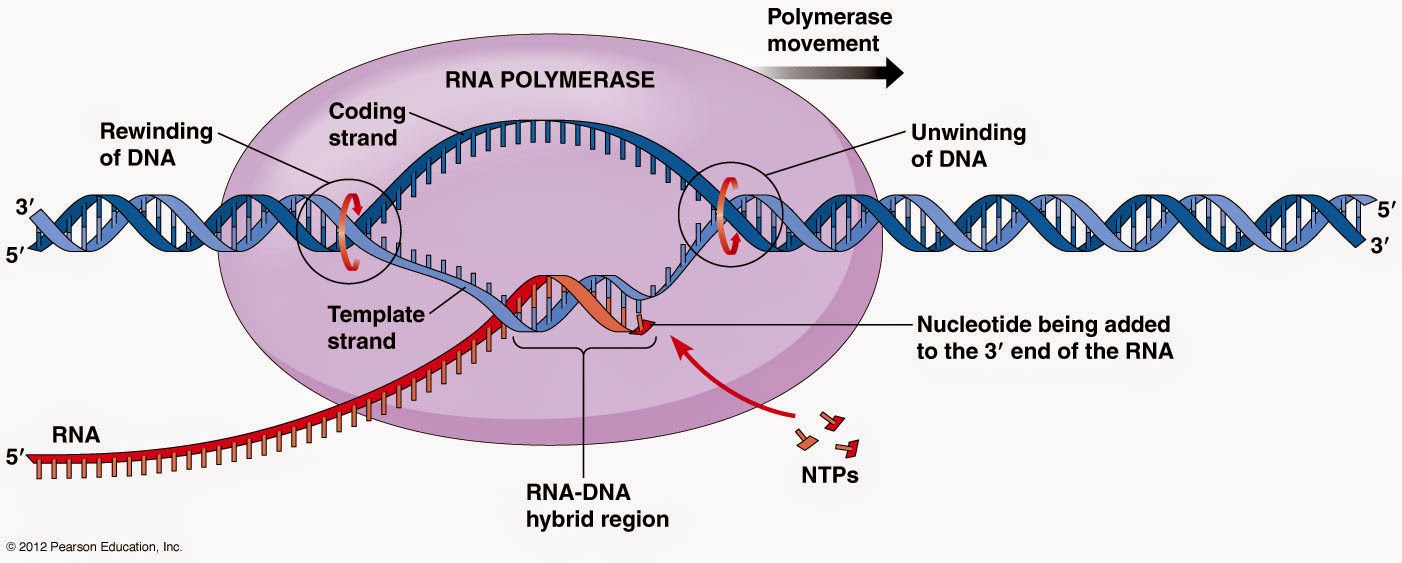
Jordan's Grade 12 Biology Blog Key Points of DNA Transcription

My Biology Blog DNA Transcription
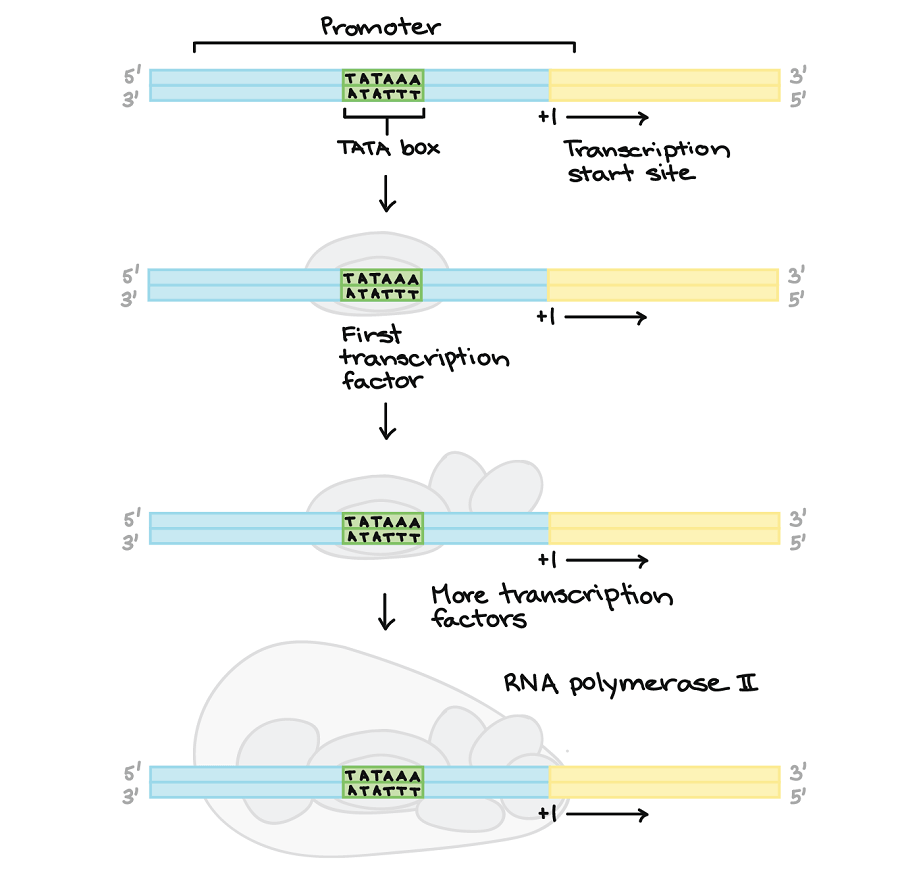
DNA Transcription (RNA Synthesis) Article, Diagrams and Video
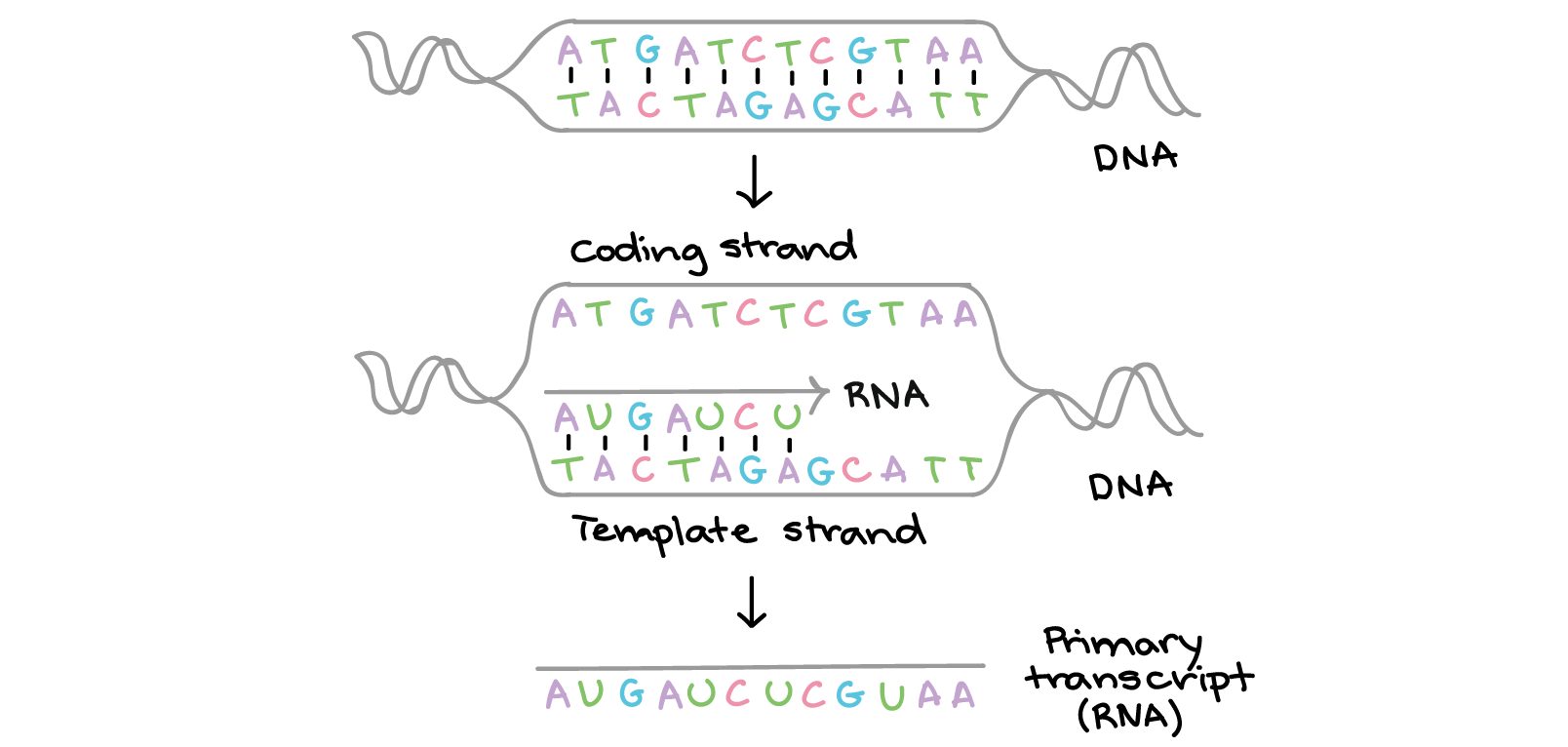
Khan Academy
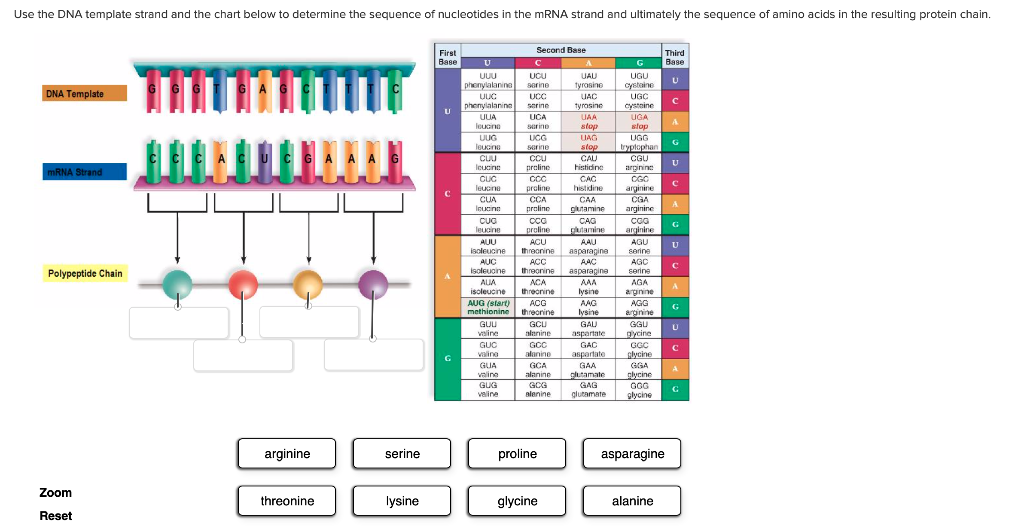
Solved Use the DNA template strand and the chart below to
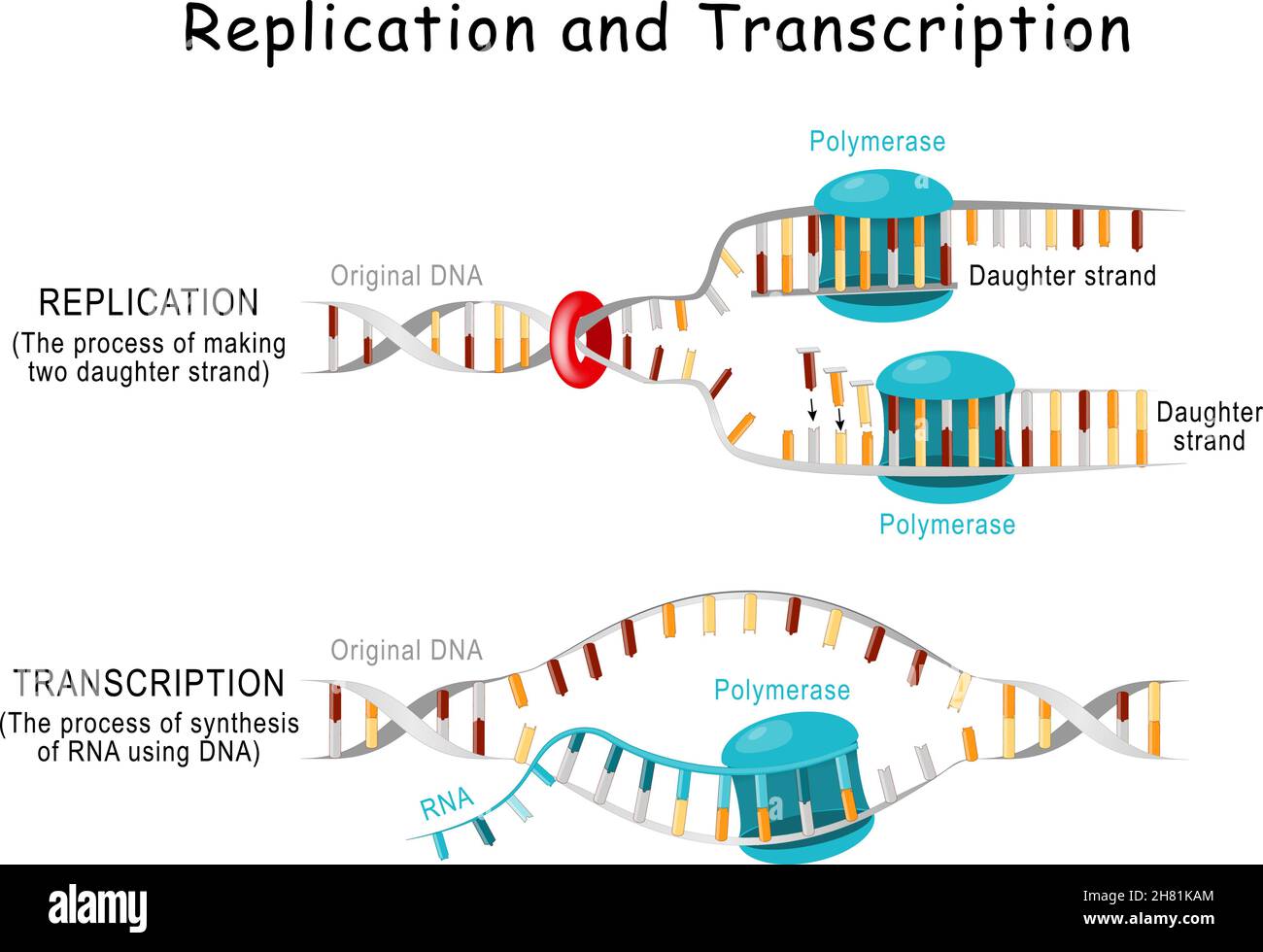
Dna Transcription Steps For Kids DNA Transcription An Overview
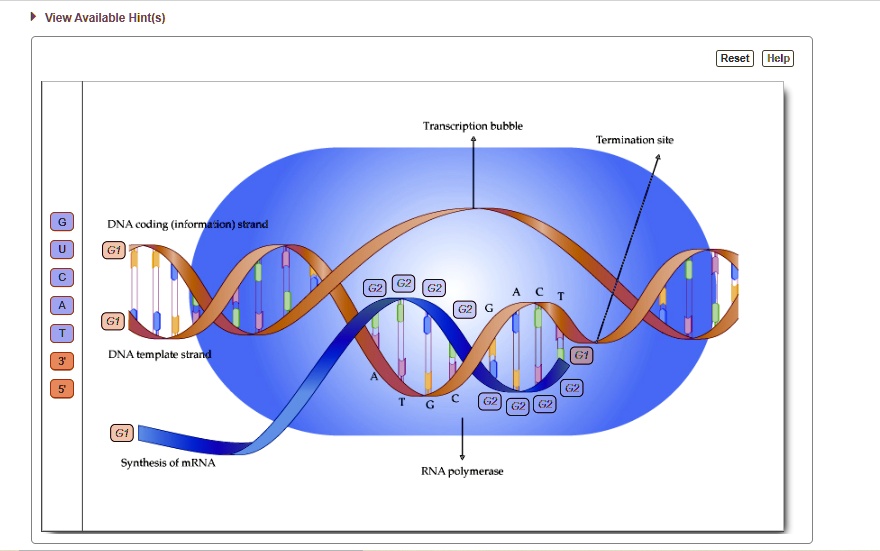
Rebet hen Transcription bubble Termination site DNA coding strand DNA
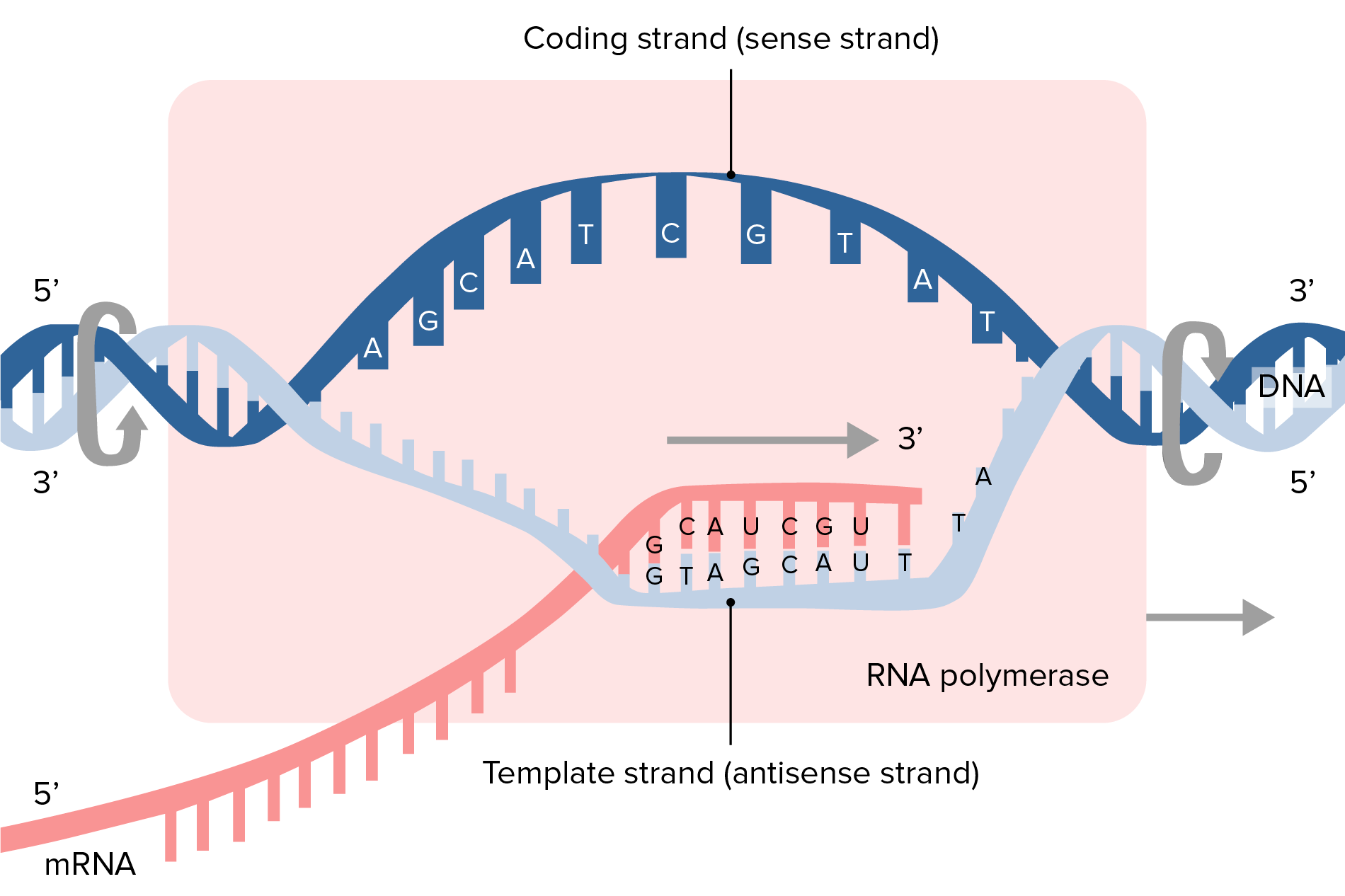
Synthesis Of An Rna Molecule From A Dna Template

PPT TRANSCRIPTION SYNTHESIS OF RNA PowerPoint Presentation, free

Dna Coding And Template Strand AT A GLANCE
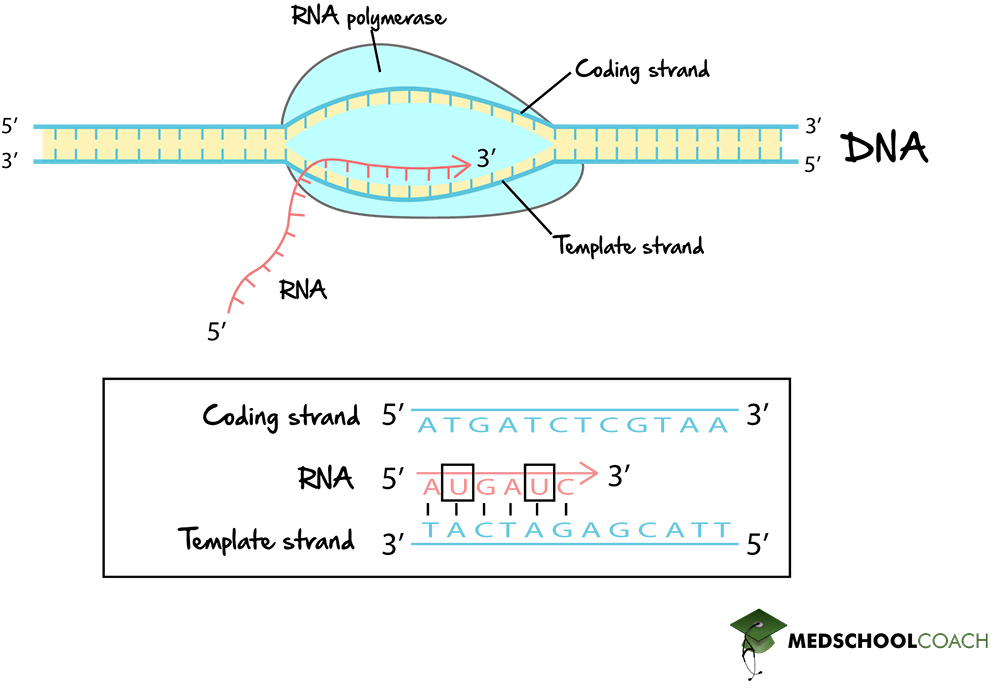
Mechanism of Transcription MCAT Biology MedSchoolCoach
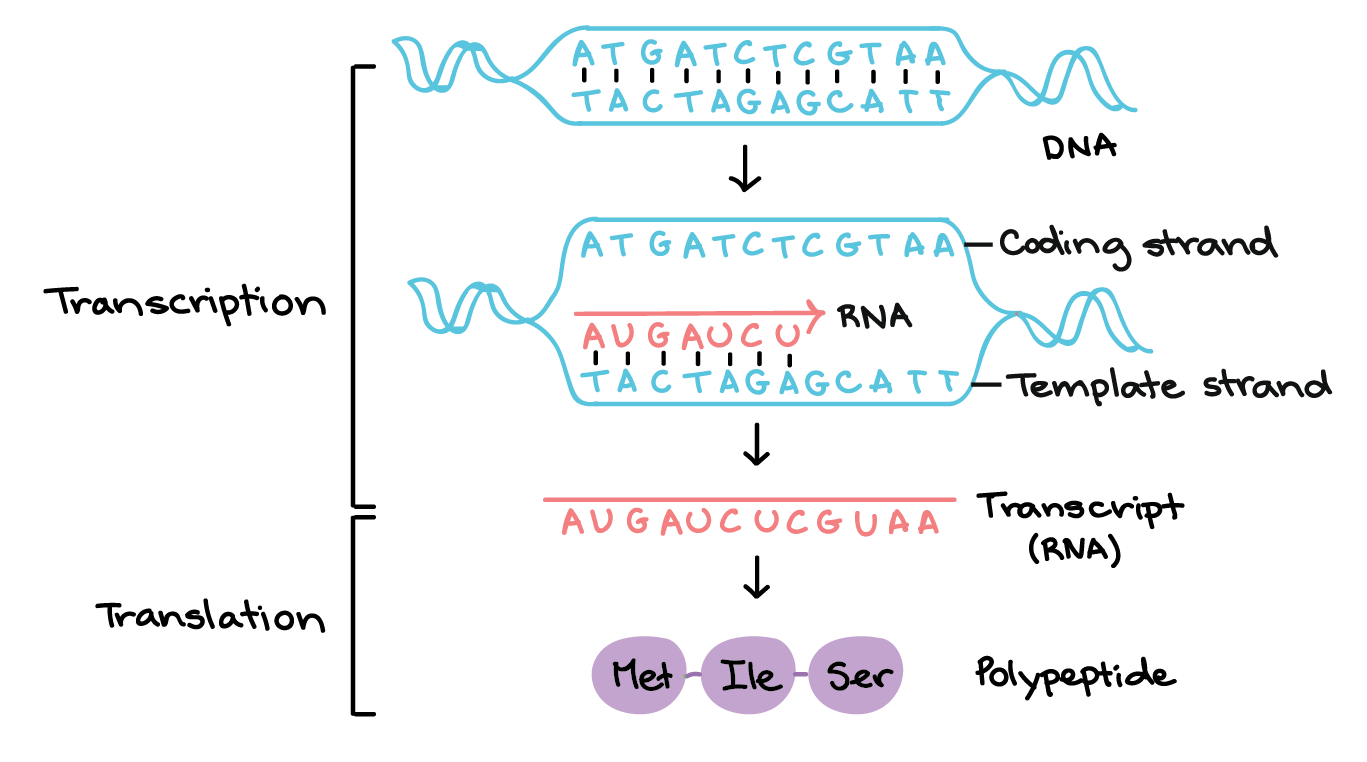
Khan Academy
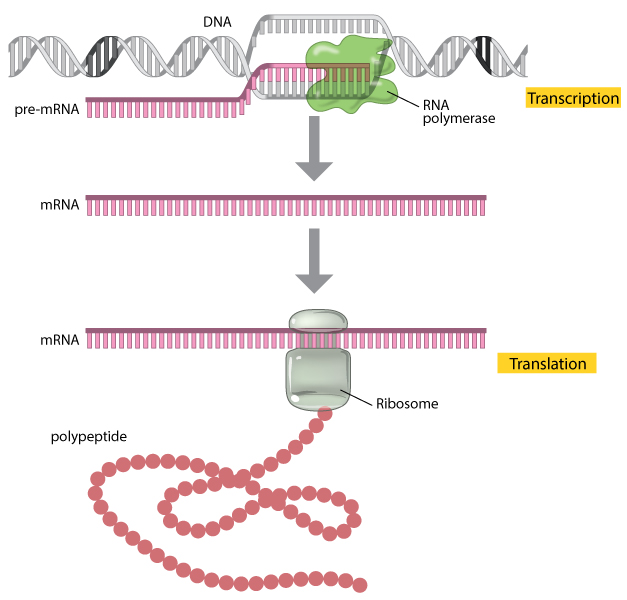
Translation DNA to mRNA to Protein Learn Science at Scitable
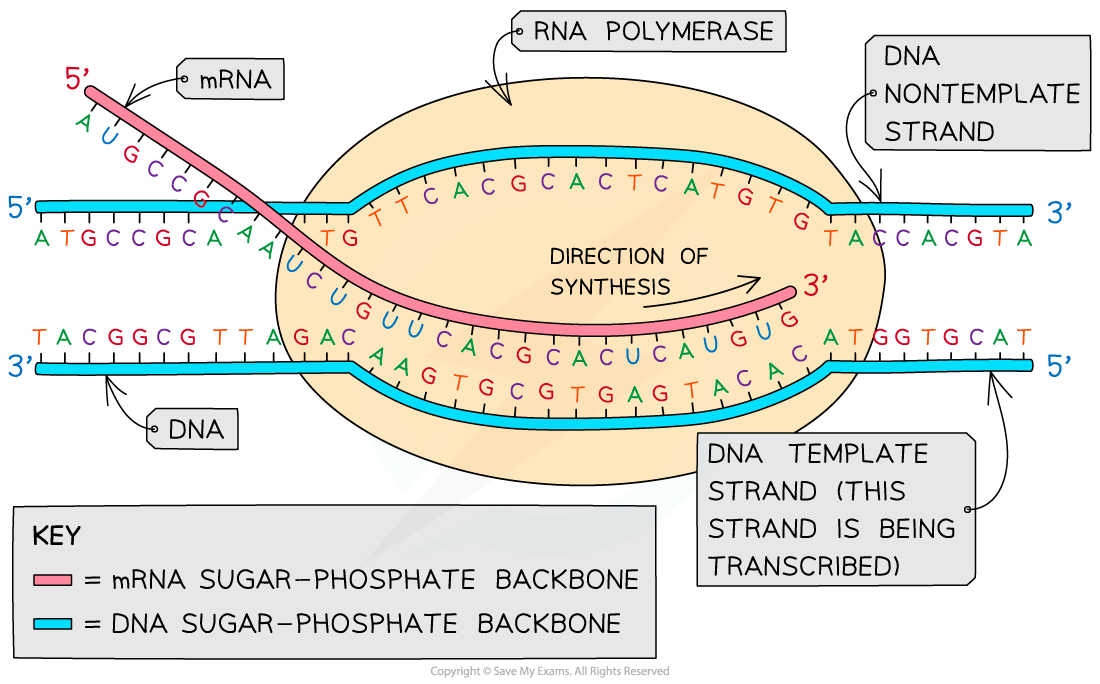
Transcription A Level Biology Revision Notes
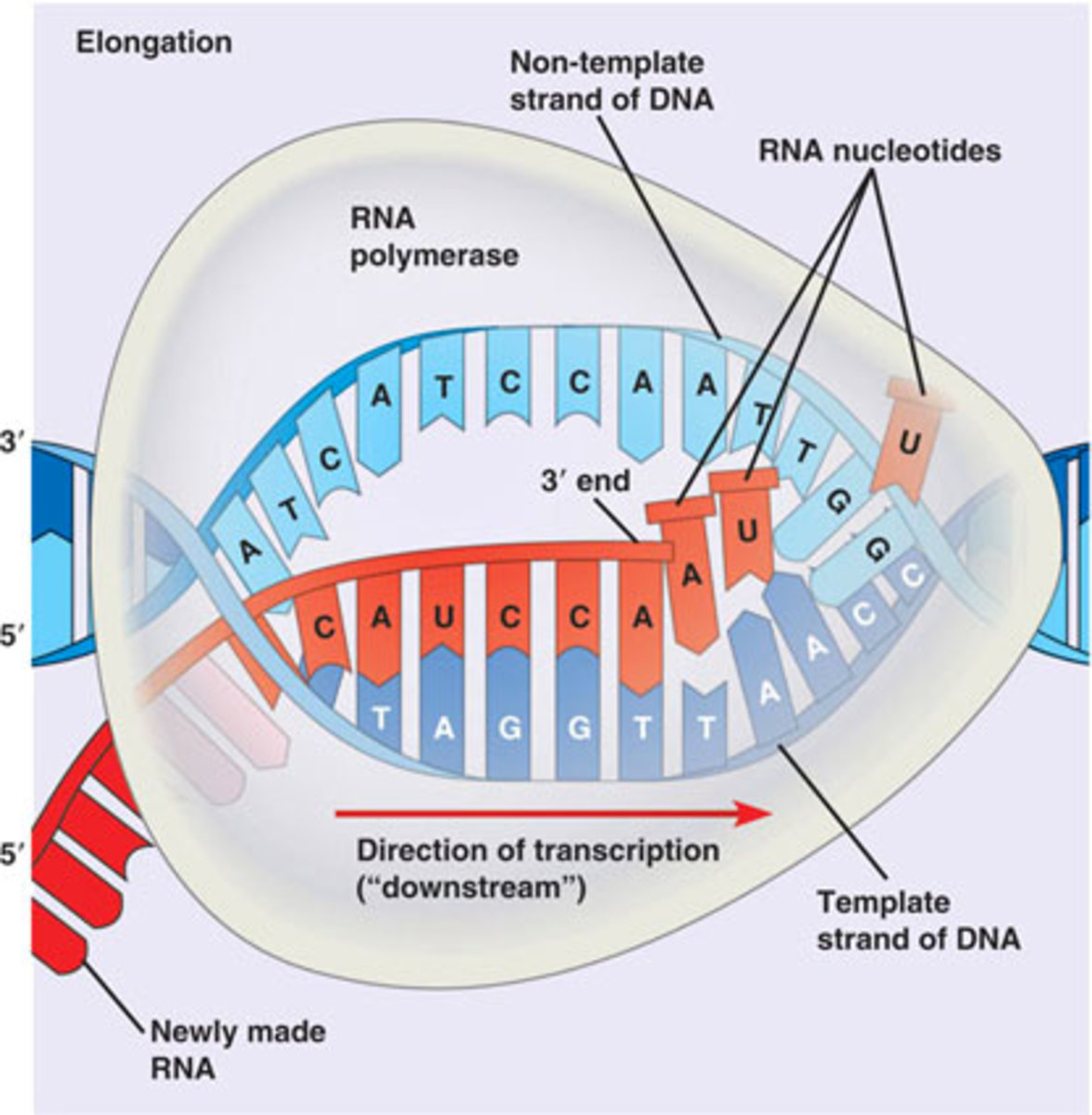
Protein Production A Simple Summary of Transcription and Translation
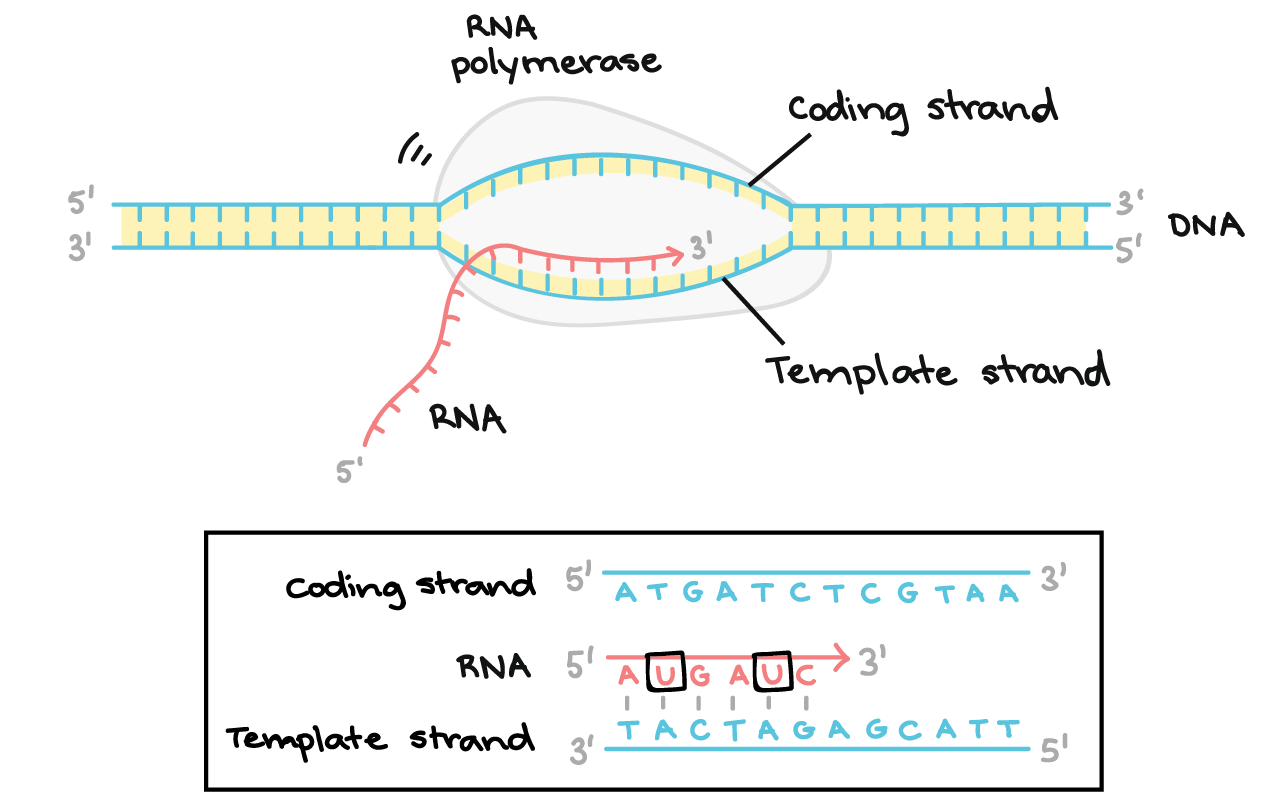
Khan Academy
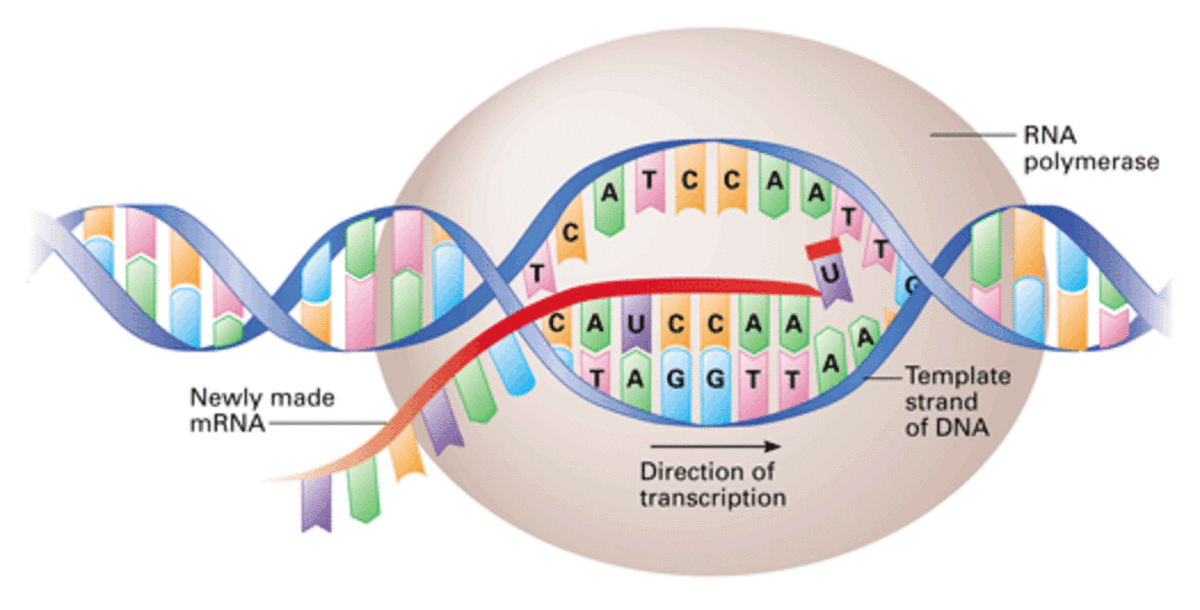
and Translation Owlcation
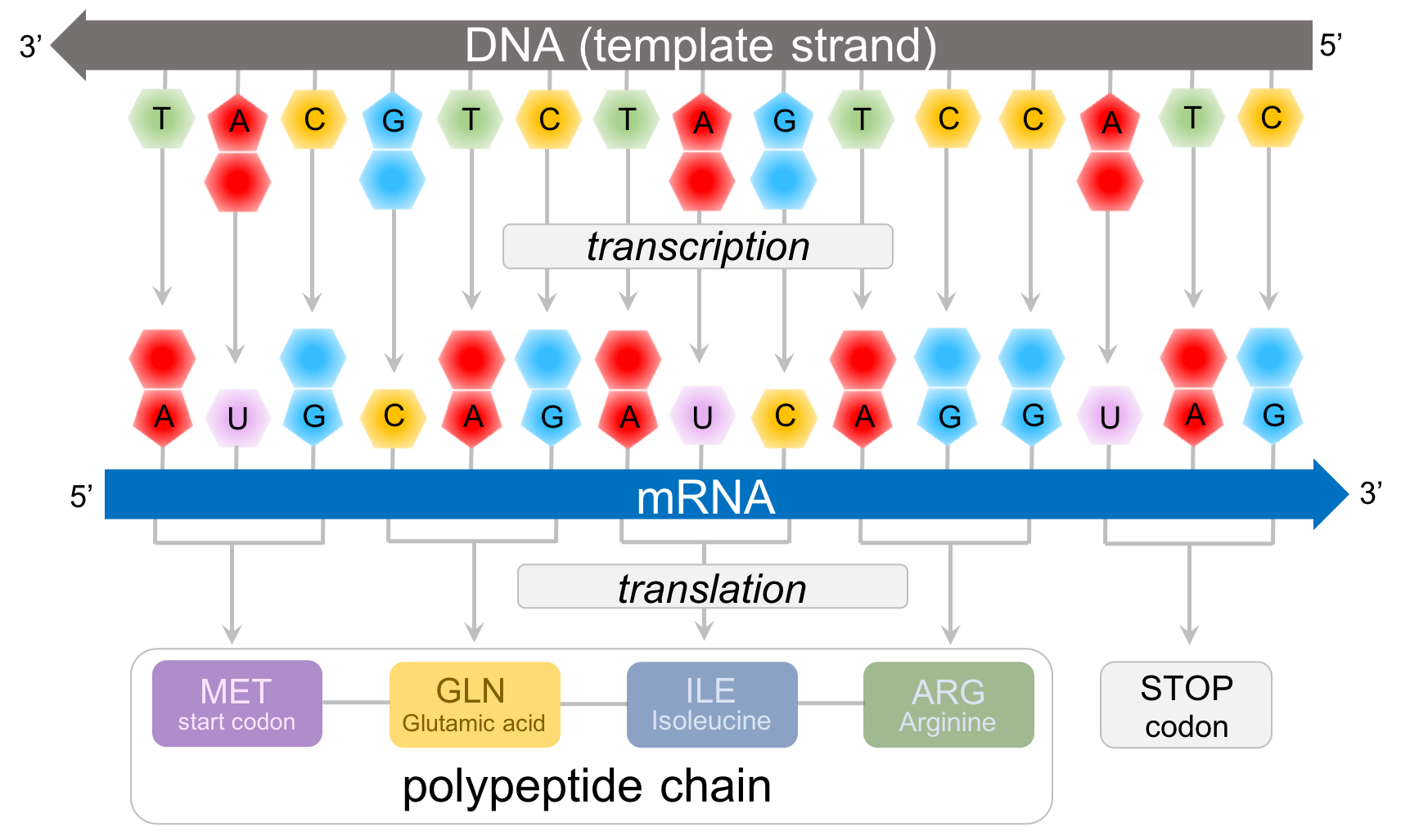
Chapter The Code — The Biology Primer
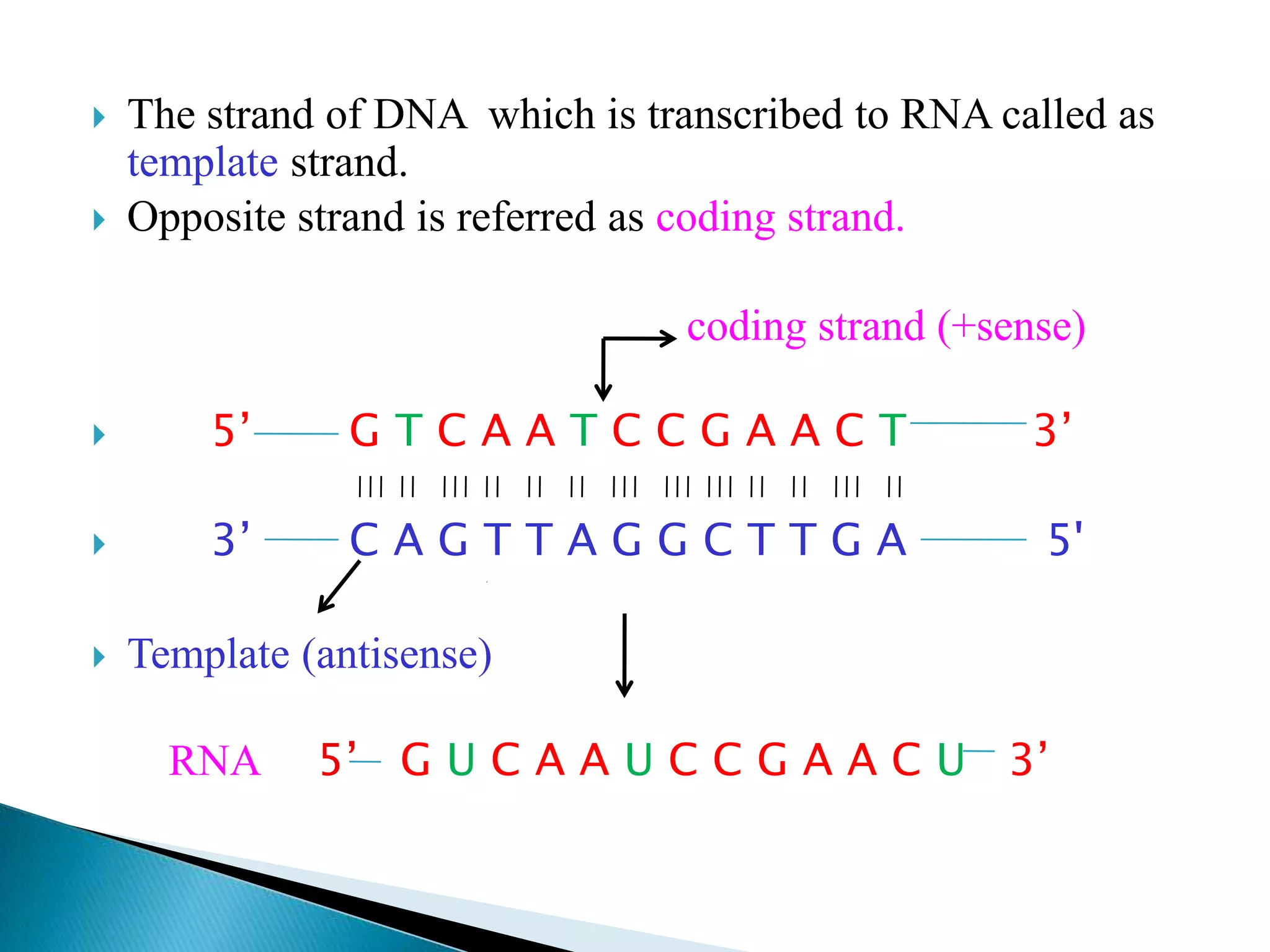
Transcription PPTX

DNA Transcription Explained ChemTalk

Transcription AQA ALevel Biology

DNA to mRNA Converter Online, Free Transcription Tool
These Acids Are Very Common In All Living Things, Where They Create,.
They Carry Information In Cells And Make Up Genetic Material.
Dna And Ribonucleic Acid (Rna) Are Nucleic Acids.
Alongside Proteins, Lipids And Complex Carbohydrates (Polysaccharides), Nucleic Acids Are One Of The Four Major Types Of Macromolecules That Are Essential.
Related Post: