
Forearm Tattoo Template
Forearm Tattoo Template - You have 20 muscles in your forearm, the part of your arm between your elbow and your hand. Explore the forearm anatomy with our comprehensive guide. The term forearm is used in anatomy to distinguish it from the arm, a word which is used to describe the entire appendage of the upper limb, but which in anatomy, technically, means only the region of the. Pain in the forearm is a common problem usually caused by repetitive overuse, nerve damage or an injury. The forearm helps the shoulder and the arm in force application and the. It consists of two long bones—the radius and the ulna—that run parallel to one another, as well as muscles that serve. Extending from the wrist to the elbow joint is the region of the upper extremity called the forearm (antebrachium). Your forearm consists of two bones that come together to join at the wrist, called the ulna and radius. Discover the parts, names, functions & diagrams to understand the human body. The forearm is the region of the upper limb located between the elbow and the wrist. Discover the parts, names, functions & diagrams to understand the human body. They are often grouped into flexor muscles (on the palm side, used for bending) and extensor muscles (on the. The forearm helps the shoulder and the arm in force application and the. Extending from the wrist to the elbow joint is the region of the upper extremity called. The anatomical term for the forearm is the antebrachium. The muscles of the forearm and hand work together to give us both strength and fine control. Injuries to these bones or to nearby nerves, muscles, or joints can lead to forearm pain. Pain in the forearm is a common problem usually caused by repetitive overuse, nerve damage or an injury.. The anatomical term for the forearm is the antebrachium. The forearm helps the shoulder and the arm in force application and the. You have 20 muscles in your forearm, the part of your arm between your elbow and your hand. Discover the parts, names, functions & diagrams to understand the human body. It consists of two long bones—the radius and. Pain in the forearm is a common problem usually caused by repetitive overuse, nerve damage or an injury. The muscles of the forearm and hand work together to give us both strength and fine control. Explore the forearm anatomy with our comprehensive guide. It consists of two long bones—the radius and the ulna—that run parallel to one another, as well. Extending from the wrist to the elbow joint is the region of the upper extremity called the forearm (antebrachium). The muscles of the forearm and hand work together to give us both strength and fine control. You have 20 muscles in your forearm, the part of your arm between your elbow and your hand. Your forearm consists of two bones. The forearm is the region of the upper limb located between the elbow and the wrist. Injuries to these bones or to nearby nerves, muscles, or joints can lead to forearm pain. They are often grouped into flexor muscles (on the palm side, used for bending) and extensor muscles (on the. Two long bones, the radius and ulna, structure this. You have 20 muscles in your forearm, the part of your arm between your elbow and your hand. The forearm helps the shoulder and the arm in force application and the. Pain in the forearm is a common problem usually caused by repetitive overuse, nerve damage or an injury. The forearm is the region of the upper limb located between. The forearm helps the shoulder and the arm in force application and the. The forearm is the region of the upper limb located between the elbow and the wrist. Injuries to these bones or to nearby nerves, muscles, or joints can lead to forearm pain. Posterior compartment of the forearm muscles divided into superficial & deep muscles. It consists of. Injuries to these bones or to nearby nerves, muscles, or joints can lead to forearm pain. It consists of two long bones—the radius and the ulna—that run parallel to one another, as well as muscles that serve. Explore the forearm anatomy with our comprehensive guide. The forearm is the region of the upper limb located between the elbow and the. Extending from the wrist to the elbow joint is the region of the upper extremity called the forearm (antebrachium). Two long bones, the radius and ulna, structure this section of the arm, also acting as the point of attachment for several muscles originating in this. Explore the forearm anatomy with our comprehensive guide. Posterior compartment of the forearm muscles divided. The muscles of the forearm and hand work together to give us both strength and fine control. Discover the parts, names, functions & diagrams to understand the human body. The forearm is the region of the upper limb located between the elbow and the wrist. The forearm helps the shoulder and the arm in force application and the. The term. Your forearm consists of two bones that come together to join at the wrist, called the ulna and radius. Posterior compartment of the forearm muscles divided into superficial & deep muscles. Discover the parts, names, functions & diagrams to understand the human body. It consists of two long bones—the radius and the ulna—that run parallel to one another, as well. Find out about causes, symptoms & treatment of forearm pain. Injuries to these bones or to nearby nerves, muscles, or joints can lead to forearm pain. Anconeus brachioradialis extensor carpi radialis longus extensor carpi radialis brevis. Extending from the wrist to the elbow joint is the region of the upper extremity called the forearm (antebrachium). Discover the parts, names, functions. Explore the forearm anatomy with our comprehensive guide. Find out about causes, symptoms & treatment of forearm pain. Pain in the forearm is a common problem usually caused by repetitive overuse, nerve damage or an injury. The term forearm is used in anatomy to distinguish it from the arm, a word which is used to describe the entire appendage of. Anconeus brachioradialis extensor carpi radialis longus extensor carpi radialis brevis. The anatomical term for the forearm is the antebrachium. Discover the parts, names, functions & diagrams to understand the human body. Pain in the forearm is a common problem usually caused by repetitive overuse, nerve damage or an injury. You have 20 muscles in your forearm, the part of your. It consists of two long bones—the radius and the ulna—that run parallel to one another, as well as muscles that serve. The forearm is the region of the upper limb located between the elbow and the wrist. Two long bones, the radius and ulna, structure this section of the arm, also acting as the point of attachment for several muscles. They are often grouped into flexor muscles (on the palm side, used for bending) and extensor muscles (on the. Explore the forearm anatomy with our comprehensive guide. It consists of two long bones—the radius and the ulna—that run parallel to one another, as well as muscles that serve. Injuries to these bones or to nearby nerves, muscles, or joints can. Extending from the wrist to the elbow joint is the region of the upper extremity called the forearm (antebrachium). The forearm helps the shoulder and the arm in force application and the. They are often grouped into flexor muscles (on the palm side, used for bending) and extensor muscles (on the. The muscles of the forearm and hand work together. The anatomical term for the forearm is the antebrachium. The term forearm is used in anatomy to distinguish it from the arm, a word which is used to describe the entire appendage of the upper limb, but which in anatomy, technically, means only the region of the. Extending from the wrist to the elbow joint is the region of the. Your forearm consists of two bones that come together to join at the wrist, called the ulna and radius. You have 20 muscles in your forearm, the part of your arm between your elbow and your hand. Explore the forearm anatomy with our comprehensive guide. They are often grouped into flexor muscles (on the palm side, used for bending) and. Your forearm consists of two bones that come together to join at the wrist, called the ulna and radius. You have 20 muscles in your forearm, the part of your arm between your elbow and your hand. Two long bones, the radius and ulna, structure this section of the arm, also acting as the point of attachment for several muscles. It consists of two long bones—the radius and the ulna—that run parallel to one another, as well as muscles that serve. They are often grouped into flexor muscles (on the palm side, used for bending) and extensor muscles (on the. Two long bones, the radius and ulna, structure this section of the arm, also acting as the point of attachment. They help you move your elbows, wrists, hands, and fingers and perform many of the tasks of. Posterior compartment of the forearm muscles divided into superficial & deep muscles. Discover the parts, names, functions & diagrams to understand the human body. The term forearm is used in anatomy to distinguish it from the arm, a word which is used to. It consists of two long bones—the radius and the ulna—that run parallel to one another, as well as muscles that serve. The forearm is the region of the upper limb located between the elbow and the wrist. Pain in the forearm is a common problem usually caused by repetitive overuse, nerve damage or an injury. The anatomical term for the. The term forearm is used in anatomy to distinguish it from the arm, a word which is used to describe the entire appendage of the upper limb, but which in anatomy, technically, means only the region of the. The forearm is the region of the upper limb located between the elbow and the wrist. Anconeus brachioradialis extensor carpi radialis longus. Find out about causes, symptoms & treatment of forearm pain. Explore the forearm anatomy with our comprehensive guide. Extending from the wrist to the elbow joint is the region of the upper extremity called the forearm (antebrachium). They help you move your elbows, wrists, hands, and fingers and perform many of the tasks of. The muscles of the forearm and. The forearm helps the shoulder and the arm in force application and the. The anatomical term for the forearm is the antebrachium. It consists of two long bones—the radius and the ulna—that run parallel to one another, as well as muscles that serve. Two long bones, the radius and ulna, structure this section of the arm, also acting as the. It consists of two long bones—the radius and the ulna—that run parallel to one another, as well as muscles that serve. Injuries to these bones or to nearby nerves, muscles, or joints can lead to forearm pain. They help you move your elbows, wrists, hands, and fingers and perform many of the tasks of. Posterior compartment of the forearm muscles. Anconeus brachioradialis extensor carpi radialis longus extensor carpi radialis brevis. They are often grouped into flexor muscles (on the palm side, used for bending) and extensor muscles (on the. The term forearm is used in anatomy to distinguish it from the arm, a word which is used to describe the entire appendage of the upper limb, but which in anatomy,. Anconeus brachioradialis extensor carpi radialis longus extensor carpi radialis brevis. It consists of two long bones—the radius and the ulna—that run parallel to one another, as well as muscles that serve. The muscles of the forearm and hand work together to give us both strength and fine control. The term forearm is used in anatomy to distinguish it from the. The forearm is the region of the upper limb located between the elbow and the wrist. Injuries to these bones or to nearby nerves, muscles, or joints can lead to forearm pain. You have 20 muscles in your forearm, the part of your arm between your elbow and your hand. Find out about causes, symptoms & treatment of forearm pain.. Posterior compartment of the forearm muscles divided into superficial & deep muscles. Extending from the wrist to the elbow joint is the region of the upper extremity called the forearm (antebrachium). Injuries to these bones or to nearby nerves, muscles, or joints can lead to forearm pain. Your forearm consists of two bones that come together to join at the. Find out about causes, symptoms & treatment of forearm pain. The anatomical term for the forearm is the antebrachium. You have 20 muscles in your forearm, the part of your arm between your elbow and your hand. Your forearm consists of two bones that come together to join at the wrist, called the ulna and radius. The forearm is the. The forearm helps the shoulder and the arm in force application and the. Find out about causes, symptoms & treatment of forearm pain. They help you move your elbows, wrists, hands, and fingers and perform many of the tasks of. Explore the forearm anatomy with our comprehensive guide. Anconeus brachioradialis extensor carpi radialis longus extensor carpi radialis brevis. Explore the forearm anatomy with our comprehensive guide. The muscles of the forearm and hand work together to give us both strength and fine control. Discover the parts, names, functions & diagrams to understand the human body. They are often grouped into flexor muscles (on the palm side, used for bending) and extensor muscles (on the. The anatomical term for. Anconeus brachioradialis extensor carpi radialis longus extensor carpi radialis brevis. Posterior compartment of the forearm muscles divided into superficial & deep muscles. The term forearm is used in anatomy to distinguish it from the arm, a word which is used to describe the entire appendage of the upper limb, but which in anatomy, technically, means only the region of the. Pain in the forearm is a common problem usually caused by repetitive overuse, nerve damage or an injury. The muscles of the forearm and hand work together to give us both strength and fine control. It consists of two long bones—the radius and the ulna—that run parallel to one another, as well as muscles that serve. They help you move your elbows, wrists, hands, and fingers and perform many of the tasks of. Two long bones, the radius and ulna, structure this section of the arm, also acting as the point of attachment for several muscles originating in this. Extending from the wrist to the elbow joint is the region of the upper extremity called the forearm (antebrachium). Your forearm consists of two bones that come together to join at the wrist, called the ulna and radius. You have 20 muscles in your forearm, the part of your arm between your elbow and your hand. Find out about causes, symptoms & treatment of forearm pain. Injuries to these bones or to nearby nerves, muscles, or joints can lead to forearm pain. Explore the forearm anatomy with our comprehensive guide. The forearm is the region of the upper limb located between the elbow and the wrist.
Forearm Tattoo Template with Chain Wrap Stable Diffusion Online

Arm Tattoo Sleeve Template AT A GLANCE
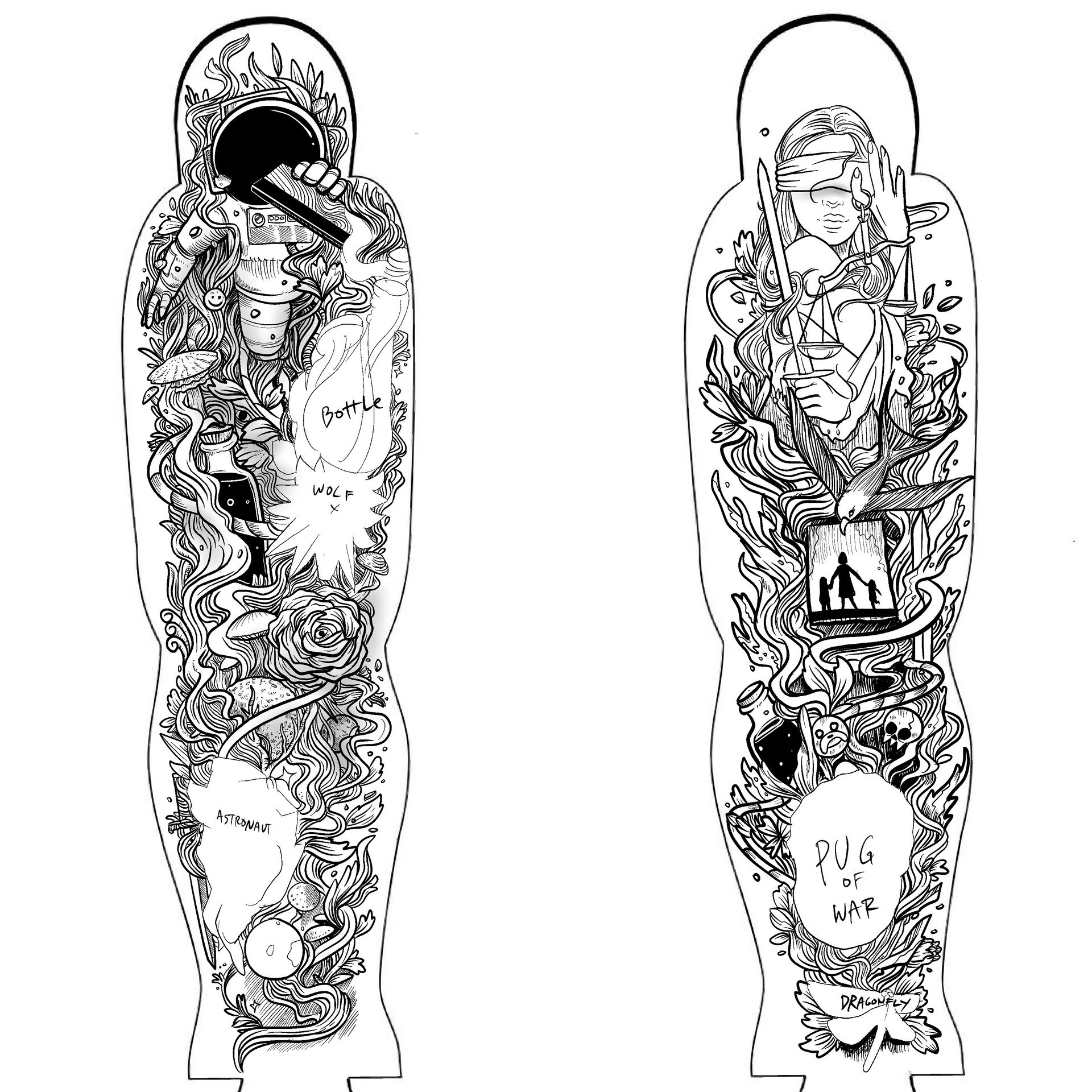
Arm template for tattoo sleeve

Arm Tattoo Template Printable AT A GLANCE

Forearm Tattoo Template

Tattoo Arm Template AT A GLANCE

Blank Arm Tattoo Template Social Media Template

Arm Tattoo Template

Blank Arm Tattoos
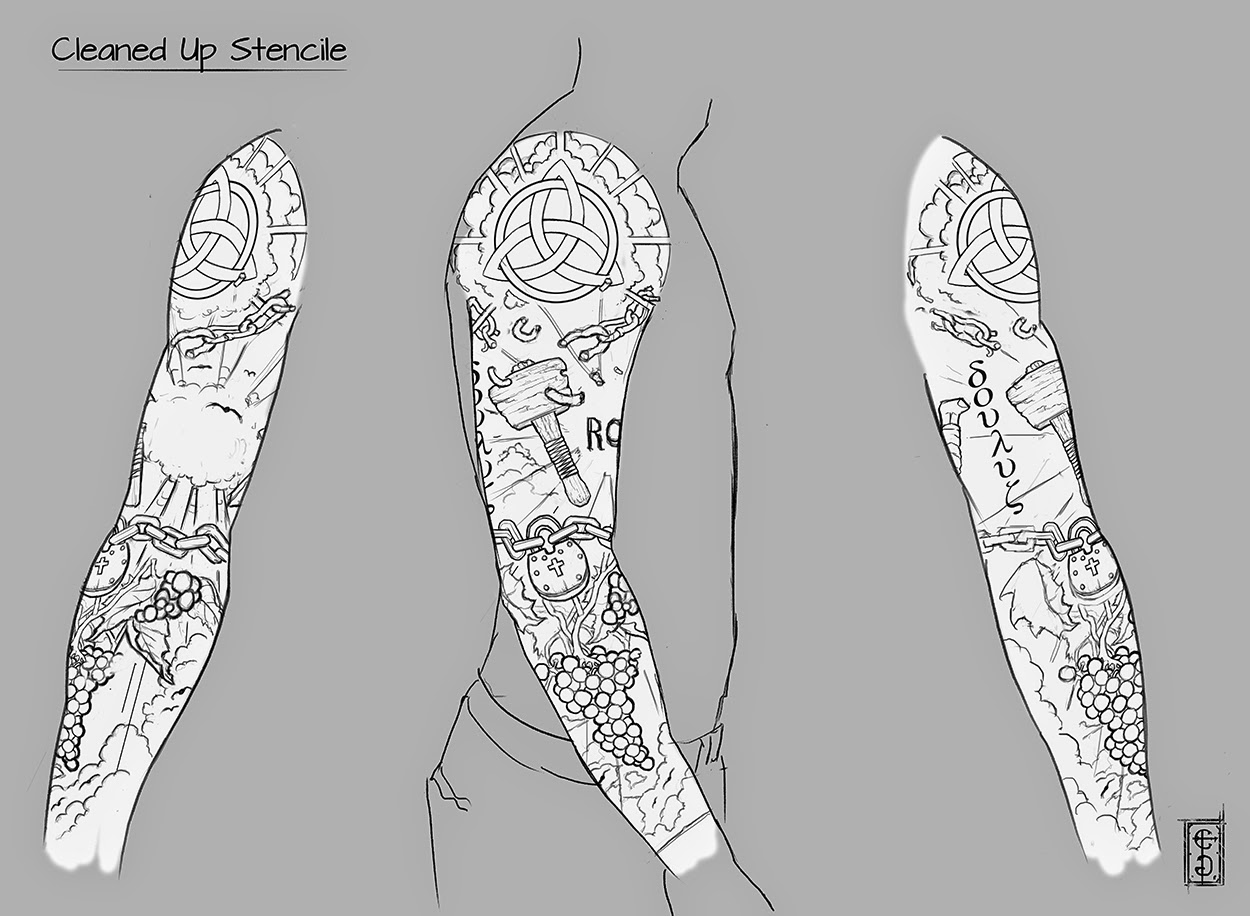
Arm Outline Template Full Sleeve Tattoo

Blank Arm Tattoo Template Social Media Template

Forearm Tattoo Template Best Templates Resources

Arm template for tattoo

Forearm Tattoo Template Educational Printable Activities

Blank Forearm Tattoo Template Best Templates Resources

Polynesian forearm tattoo Artofit

Sleeve Tattoo Design Template Ultimate Guide to Custom Inked Artwork
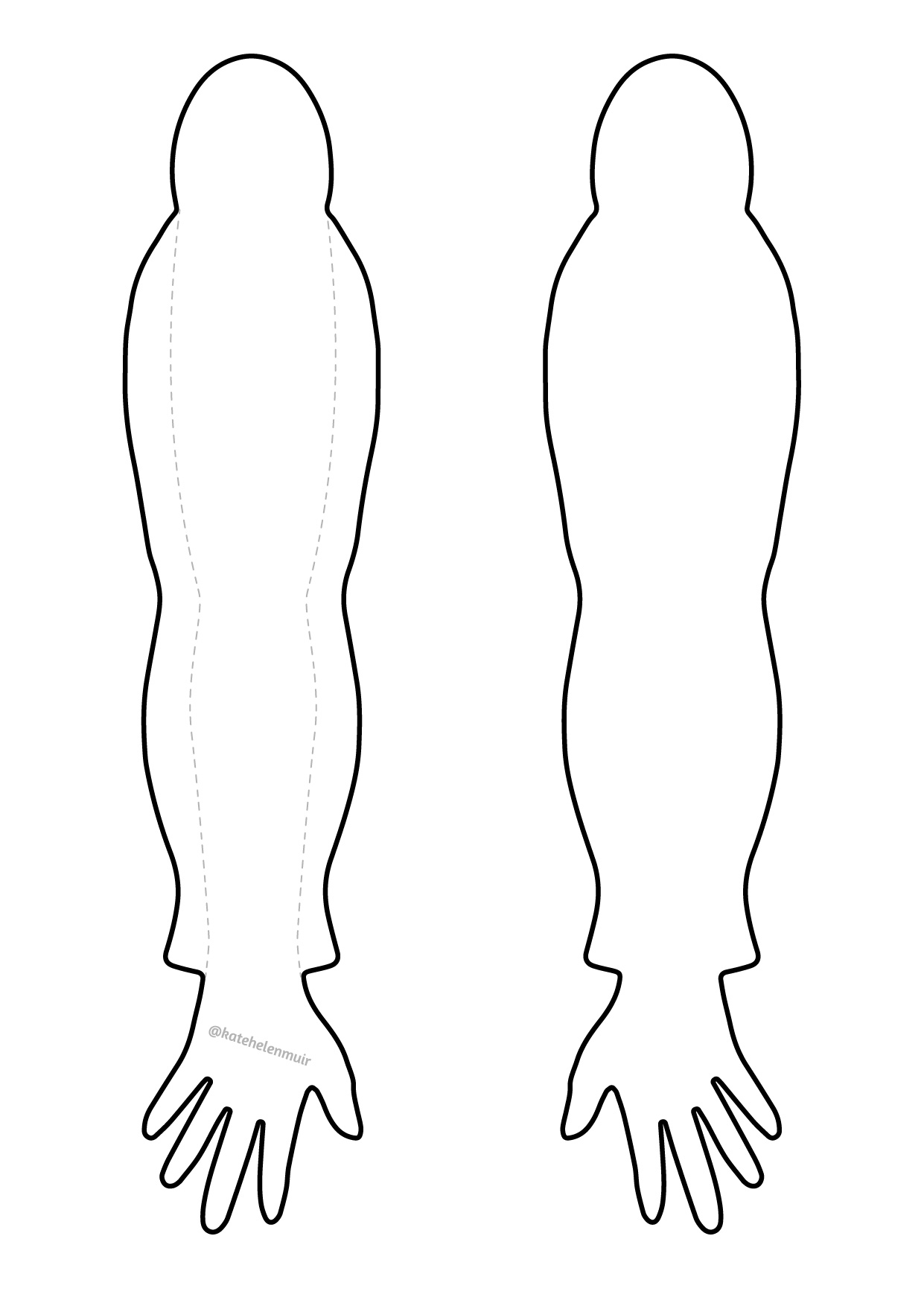
Blank arm for tattoo design
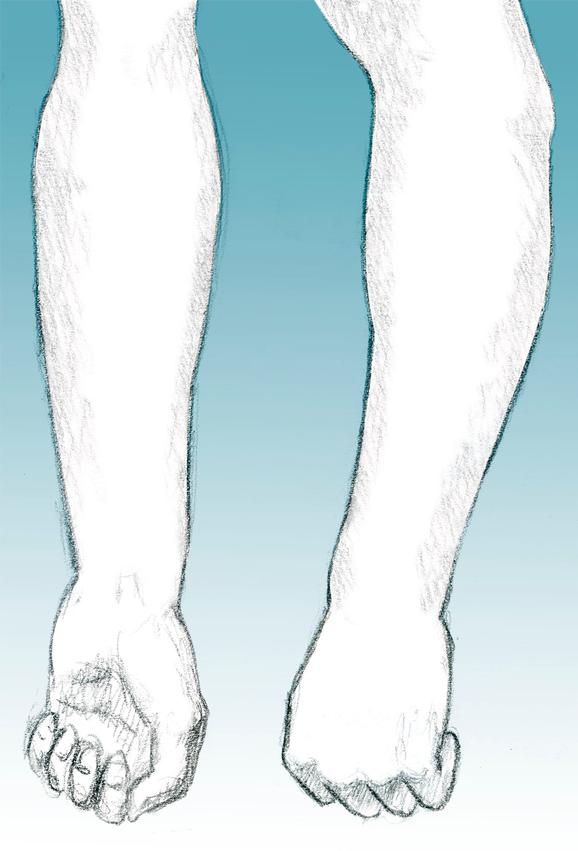
Blank Forearm Tattoo Template

Forearm Tattoo Template Content Calendar Template

Forearm Tattoo Template Printable AT A GLANCE
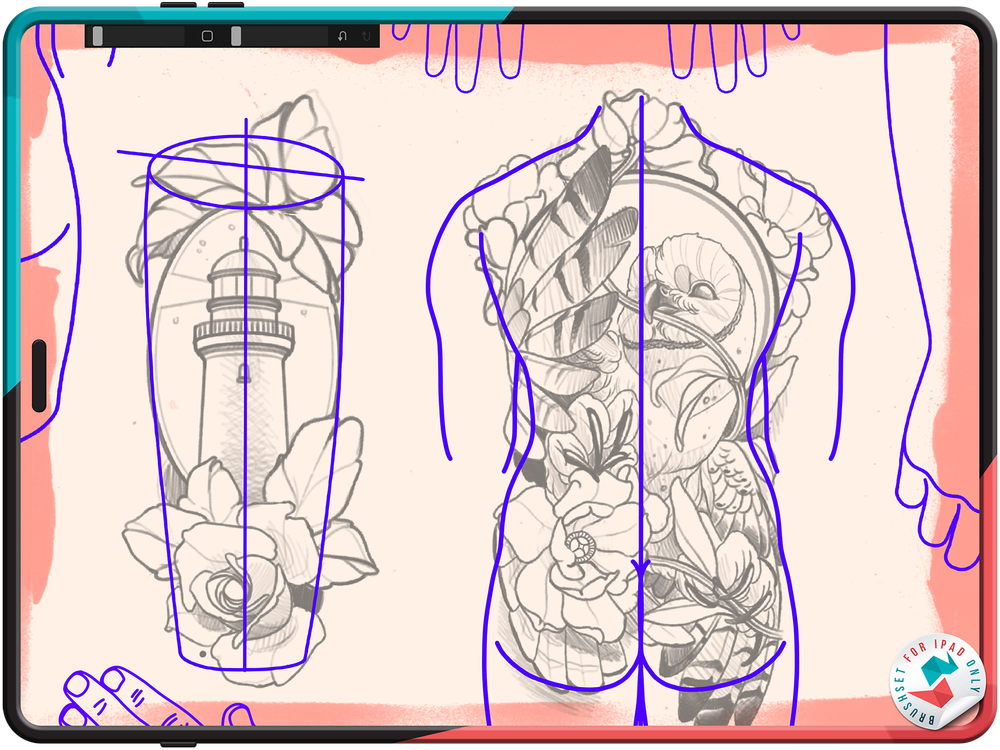
Blank Sleeve Tattoo Template

Forearm Tattoo Template

Arm Template For Tattoo Design

Tattoo templates tattoo arm designs arm tattoo Artofit

Forearm Tattoo Man

Arm Tattoo Design Template Tatoo

Arm Tattoo Sleeve Template

Blank forearm tattoo template Artofit

Arm Outline Template Full Sleeve Tattoo

Blank Arm Template For Tattoo AT A GLANCE

Forearm Tattoo Stencils Maori Defense Forearm Tattoo Stencil Template

Tattoo Arm Template

Blank forearm tattoo template Artofit

Forearm Tattoo Template Printable AT A GLANCE
The Forearm Helps The Shoulder And The Arm In Force Application And The.
They Are Often Grouped Into Flexor Muscles (On The Palm Side, Used For Bending) And Extensor Muscles (On The.
Discover The Parts, Names, Functions & Diagrams To Understand The Human Body.
The Anatomical Term For The Forearm Is The Antebrachium.
Related Post: