
Have You Seen This Person Template
Have You Seen This Person Template - You may have a big house or have a lot of freckles on your nose. When do you use “have” and when is “having” correct? The meaning of have is to hold or maintain (something tangible or intangible) as a possession, privilege, entitlement, or responsibility. Explore the different uses and meanings of have in english grammar. The verb have is an irregular and auxiliary verb. Have is one of three auxiliary verbs in english: English gives us a lot of ways to have — this is a common word. I've had it with their delays. 'have you been to york before?'—'yes we have.' That coat has had it. From possession to obligation, learn how to use have with example sentences. The meaning of have is to hold or maintain (something tangible or intangible) as a possession, privilege, entitlement, or responsibility. How to use have in a sentence. 'have you been to york before?'—'yes we have.' To have endured all that one can: You may have a big house or have a lot of freckles on your nose. When do you use “have” and when is “having” correct? The meaning of have is to hold or maintain (something tangible or intangible) as a possession, privilege, entitlement, or responsibility. To have something means you possess it somehow. I've had it with their delays. To have something means you possess it somehow. To be in a state beyond remedy, repair, or salvage: From possession to obligation, learn how to use have with example sentences. To have done everything that is possible or that will be. Have is one of three auxiliary verbs in english: Have is one of three auxiliary verbs in english: You may have a big house or have a lot of freckles on your nose. Explore the different uses and meanings of have in english grammar. I've had it with their delays. The verb have is an irregular and auxiliary verb. To be in a state beyond remedy, repair, or salvage: That coat has had it. How to use have in a sentence. Have is one of three auxiliary verbs in english: We use it to form the perfect tenses, express possession, talk about our experiences and obligations, and describe our relationships with someone. We use it to form the perfect tenses, express possession, talk about our experiences and obligations, and describe our relationships with someone. You use have when you are confirming or contradicting a statement containing 'have', 'has', or 'had', or answering a question. That coat has had it. I've had it with their delays. The meaning of have is to hold. The verb have is an irregular and auxiliary verb. See examples of have used in a sentence. To be in a state beyond remedy, repair, or salvage: English gives us a lot of ways to have — this is a common word. Explore the different uses and meanings of have in english grammar. To have something means you possess it somehow. 'have you been to york before?'—'yes we have.' Today, you'll learn how to use have in english. I've had it with their delays. From possession to obligation, learn how to use have with example sentences. Explore the different uses and meanings of have in english grammar. Today, you'll learn how to use have in english. To have endured all that one can: To have done everything that is possible or that will be. When do you use “have” and when is “having” correct? To be in a state beyond remedy, repair, or salvage: 'have you been to york before?'—'yes we have.' That coat has had it. English gives us a lot of ways to have — this is a common word. When do you use “have” and when is “having” correct? The meaning of have is to hold or maintain (something tangible or intangible) as a possession, privilege, entitlement, or responsibility. How to use have in a sentence. I've had it with their delays. From possession to obligation, learn how to use have with example sentences. To have something means you possess it somehow. I've had it with their delays. See examples of have used in a sentence. To be in a state beyond remedy, repair, or salvage: English gives us a lot of ways to have — this is a common word. That coat has had it. How to use have in a sentence. I've had it with their delays. The meaning of have is to hold or maintain (something tangible or intangible) as a possession, privilege, entitlement, or responsibility. See examples of have used in a sentence. 'have you been to york before?'—'yes we have.' The meaning of have is to hold or maintain (something tangible or intangible) as a possession, privilege, entitlement, or responsibility. From possession to obligation, learn how to use have with example sentences. To have endured all that one can: You may have a big house or have a lot of freckles on your nose. To have done everything that is. To have done everything that is possible or that will be. To have something means you possess it somehow. See examples of have used in a sentence. When do you use “have” and when is “having” correct? Have is one of three auxiliary verbs in english: To have something means you possess it somehow. Explore the different uses and meanings of have in english grammar. To be in a state beyond remedy, repair, or salvage: I've had it with their delays. That coat has had it. Have is one of three auxiliary verbs in english: How to use have in a sentence. You use have when you are confirming or contradicting a statement containing 'have', 'has', or 'had', or answering a question. I've had it with their delays. Today, you'll learn how to use have in english. 'have you been to york before?'—'yes we have.' The meaning of have is to hold or maintain (something tangible or intangible) as a possession, privilege, entitlement, or responsibility. Have is one of three auxiliary verbs in english: Today, you'll learn how to use have in english. When do you use “have” and when is “having” correct? You may have a big house or have a lot of freckles on your nose. English gives us a lot of ways to have — this is a common word. How to use have in a sentence. To have endured all that one can: Have is one of three auxiliary verbs in english: When do you use “have” and when is “having” correct? The verb have is an irregular and auxiliary verb. Have is one of three auxiliary verbs in english: Explore the different uses and meanings of have in english grammar. From possession to obligation, learn how to use have with example sentences. To have done everything that is possible or that will be. From possession to obligation, learn how to use have with example sentences. The meaning of have is to hold or maintain (something tangible or intangible) as a possession, privilege, entitlement, or responsibility. You use have when you are confirming or contradicting a statement containing 'have', 'has', or 'had', or. Explore the different uses and meanings of have in english grammar. You may have a big house or have a lot of freckles on your nose. How to use have in a sentence. The meaning of have is to hold or maintain (something tangible or intangible) as a possession, privilege, entitlement, or responsibility. To have done everything that is possible. From possession to obligation, learn how to use have with example sentences. Have is one of three auxiliary verbs in english: Explore the different uses and meanings of have in english grammar. Today, you'll learn how to use have in english. You use have when you are confirming or contradicting a statement containing 'have', 'has', or 'had', or answering a. You use have when you are confirming or contradicting a statement containing 'have', 'has', or 'had', or answering a question. That coat has had it. English gives us a lot of ways to have — this is a common word. How to use have in a sentence. Today, you'll learn how to use have in english. See examples of have used in a sentence. Have is one of three auxiliary verbs in english: The verb have is an irregular and auxiliary verb. We use it to form the perfect tenses, express possession, talk about our experiences and obligations, and describe our relationships with someone. To have done everything that is possible or that will be. Today, you'll learn how to use have in english. We use it to form the perfect tenses, express possession, talk about our experiences and obligations, and describe our relationships with someone. The meaning of have is to hold or maintain (something tangible or intangible) as a possession, privilege, entitlement, or responsibility. You may have a big house or have a. To have endured all that one can: How to use have in a sentence. You use have when you are confirming or contradicting a statement containing 'have', 'has', or 'had', or answering a question. See examples of have used in a sentence. When do you use “have” and when is “having” correct? The verb have is an irregular and auxiliary verb. We use it to form the perfect tenses, express possession, talk about our experiences and obligations, and describe our relationships with someone. You use have when you are confirming or contradicting a statement containing 'have', 'has', or 'had', or answering a question. English gives us a lot of ways to have. From possession to obligation, learn how to use have with example sentences. 'have you been to york before?'—'yes we have.' That coat has had it. When do you use “have” and when is “having” correct? The meaning of have is to hold or maintain (something tangible or intangible) as a possession, privilege, entitlement, or responsibility. To have something means you possess it somehow. 'have you been to york before?'—'yes we have.' You use have when you are confirming or contradicting a statement containing 'have', 'has', or 'had', or answering a question. How to use have in a sentence. Explore the different uses and meanings of have in english grammar. When do you use “have” and when is “having” correct? That coat has had it. Today, you'll learn how to use have in english. To be in a state beyond remedy, repair, or salvage: English gives us a lot of ways to have — this is a common word. To have done everything that is possible or that will be. To be in a state beyond remedy, repair, or salvage: English gives us a lot of ways to have — this is a common word. Explore the different uses and meanings of have in english grammar. You use have when you are confirming or contradicting a statement containing 'have',. To have something means you possess it somehow. I've had it with their delays. To have done everything that is possible or that will be. The verb have is an irregular and auxiliary verb. See examples of have used in a sentence. To be in a state beyond remedy, repair, or salvage: Today, you'll learn how to use have in english. To have something means you possess it somehow. Explore the different uses and meanings of have in english grammar. You may have a big house or have a lot of freckles on your nose. You may have a big house or have a lot of freckles on your nose. How to use have in a sentence. You use have when you are confirming or contradicting a statement containing 'have', 'has', or 'had', or answering a question. From possession to obligation, learn how to use have with example sentences. 'have you been to york before?'—'yes. You use have when you are confirming or contradicting a statement containing 'have', 'has', or 'had', or answering a question. English gives us a lot of ways to have — this is a common word. To be in a state beyond remedy, repair, or salvage: That coat has had it. From possession to obligation, learn how to use have with example sentences. To have something means you possess it somehow. Today, you'll learn how to use have in english. How to use have in a sentence. To have endured all that one can: Explore the different uses and meanings of have in english grammar. You may have a big house or have a lot of freckles on your nose. 'have you been to york before?'—'yes we have.' Have is one of three auxiliary verbs in english: When do you use “have” and when is “having” correct? We use it to form the perfect tenses, express possession, talk about our experiences and obligations, and describe our relationships with someone. The verb have is an irregular and auxiliary verb.
Monocolor have you seen this person? missing poster Free Vector

Have You Seen This Man Poster Template

Personalize online this Simple Have You Seen This Person? Missing

Announcement of Missing Person Online Poster A2 Template VistaCreate
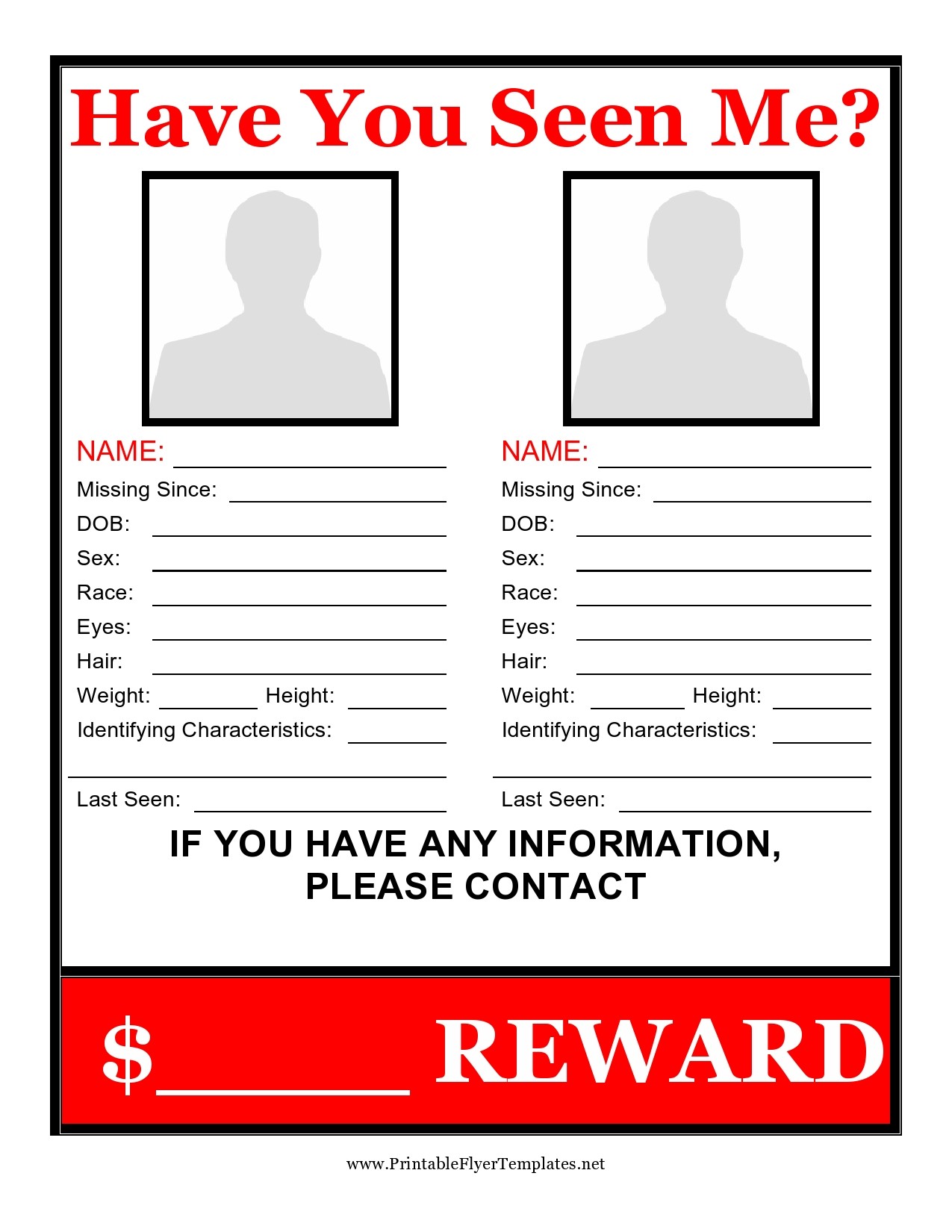
40 Printable Missing Poster Templates (Flyers & Signs)

Funny Missing Person Poster Template Free Missing Person Poster

"Have you seen this man?" template for meme Missing posters, Man
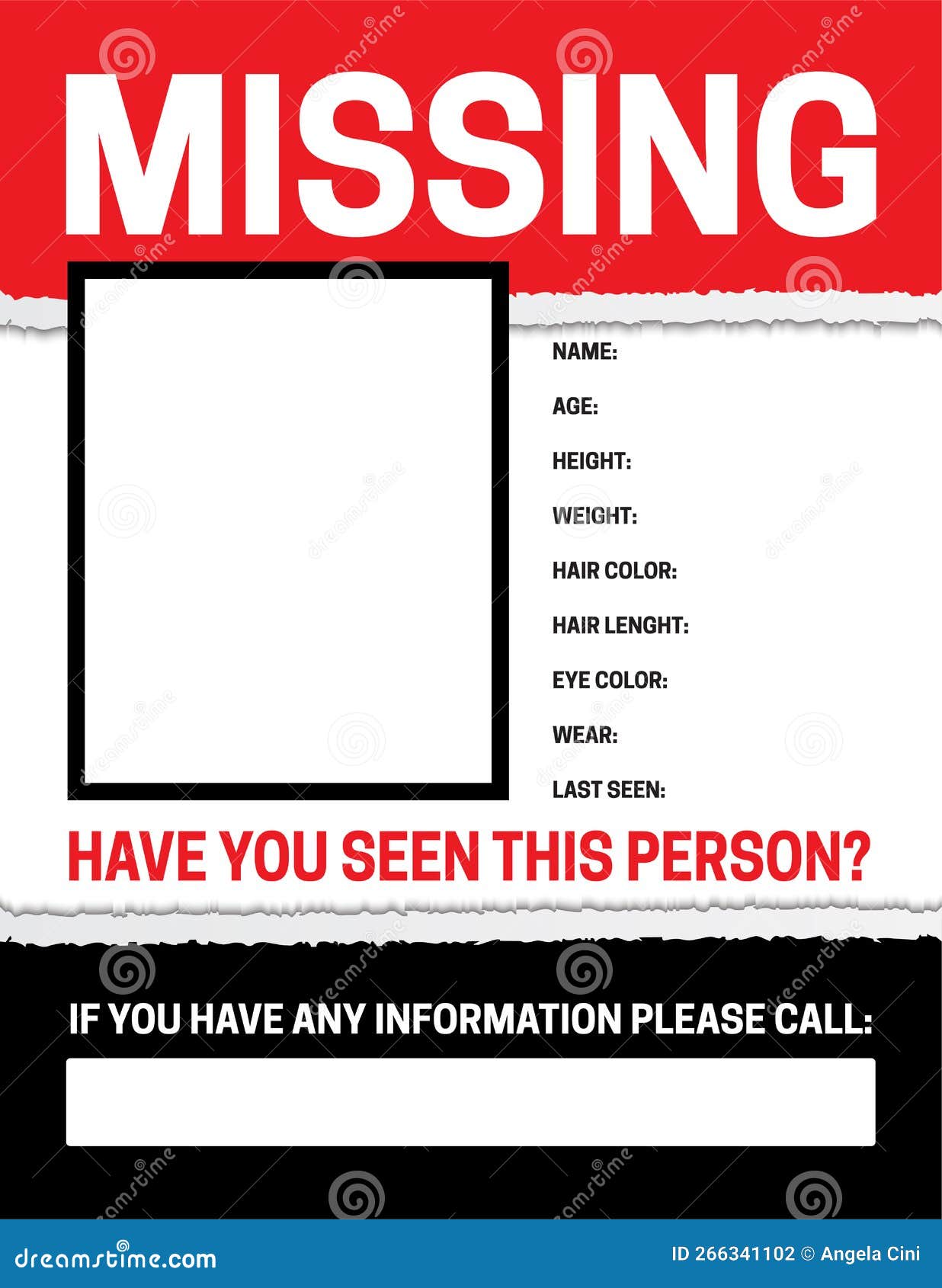
Missing Person Poster Vector Illustration 16343674

Have You Seen This Man Flyer Template Venngage

Have You Seen This Person Missing Flyer Template
Have You Seen Poster Template

Have You Seen This Man Poster Template
Freepik Simple Have You Seen This Person Missing Poster
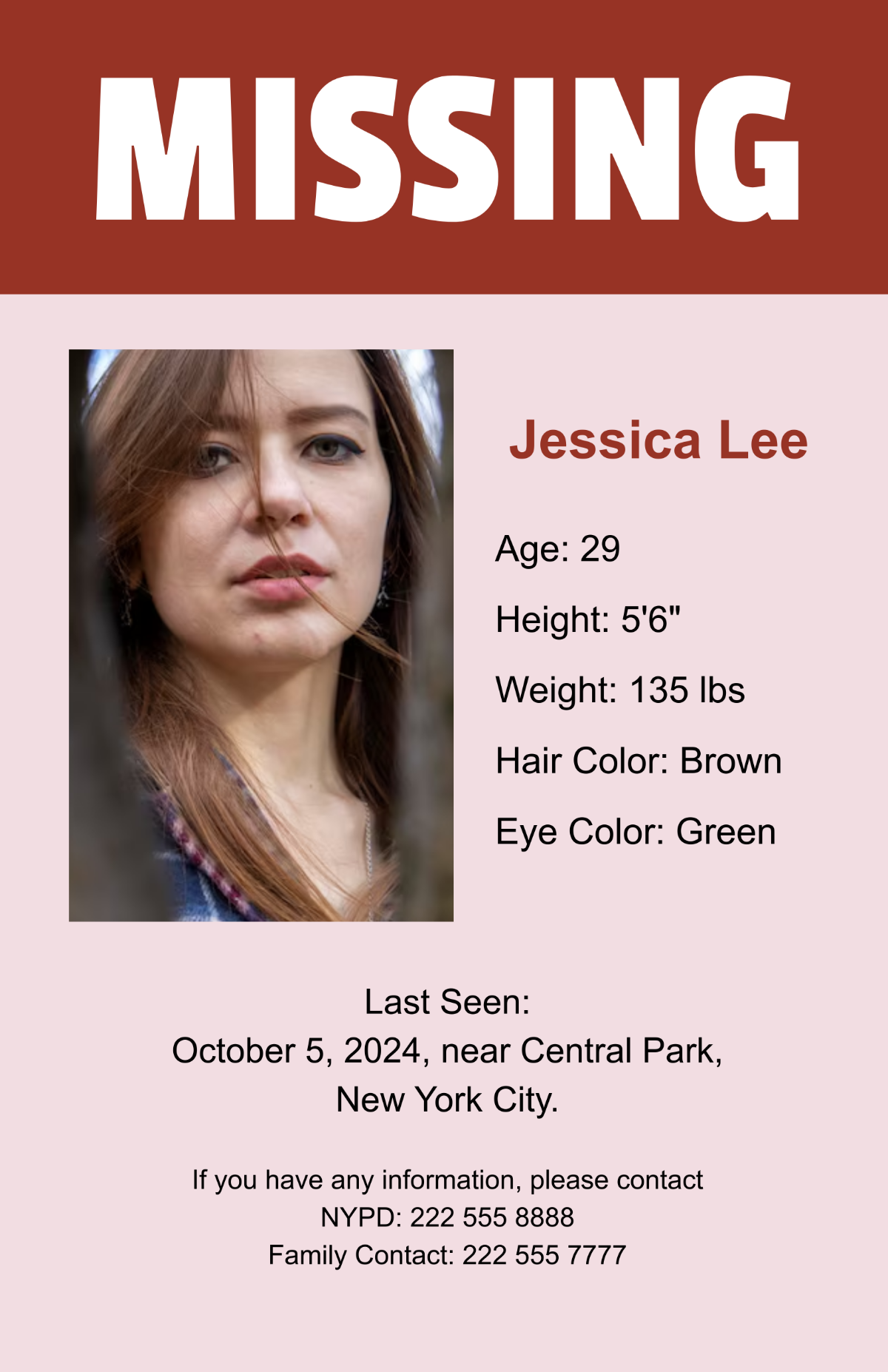
Free Missing Person Poster Template to Edit Online

missing person poster template Person template, Poster template
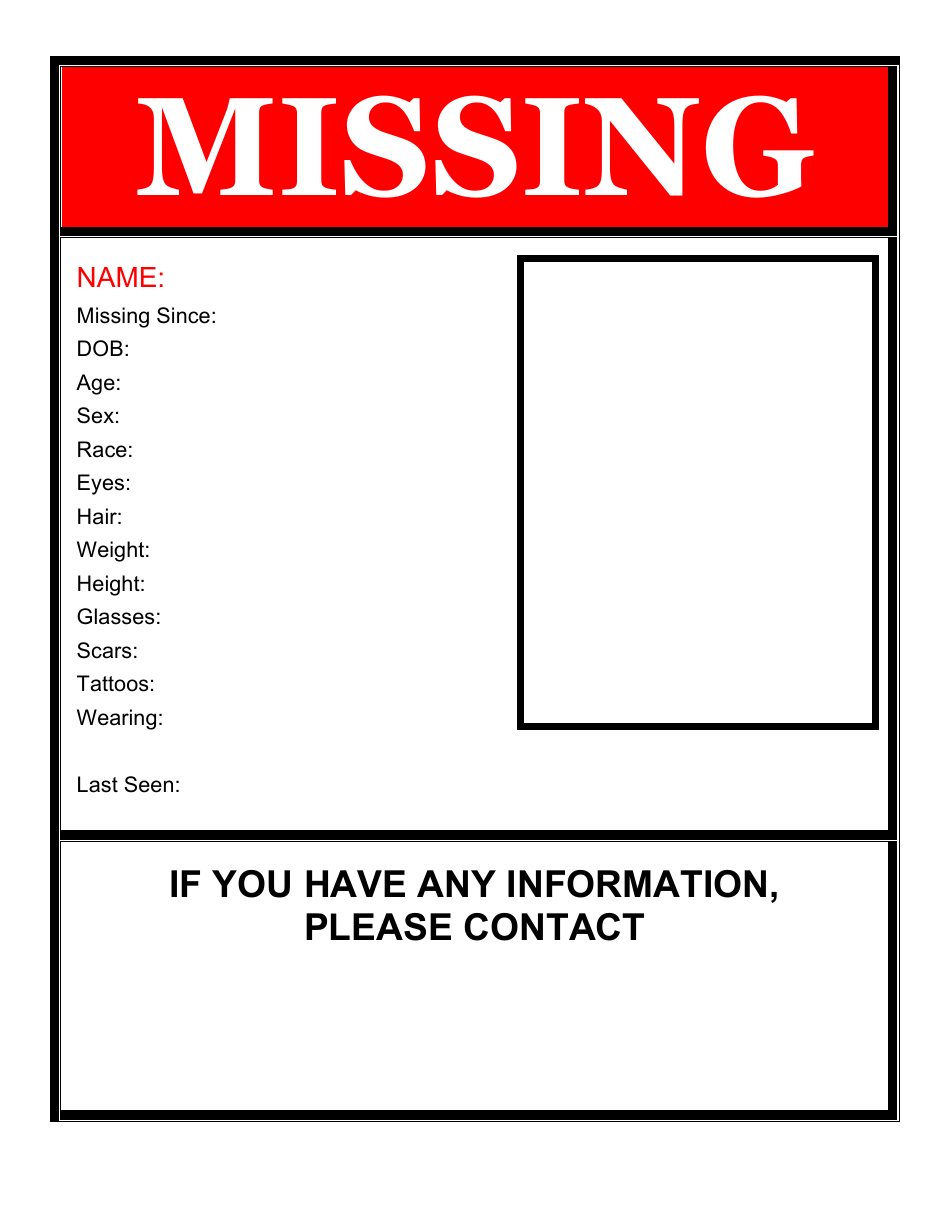
Missing Person Flyer Template Word
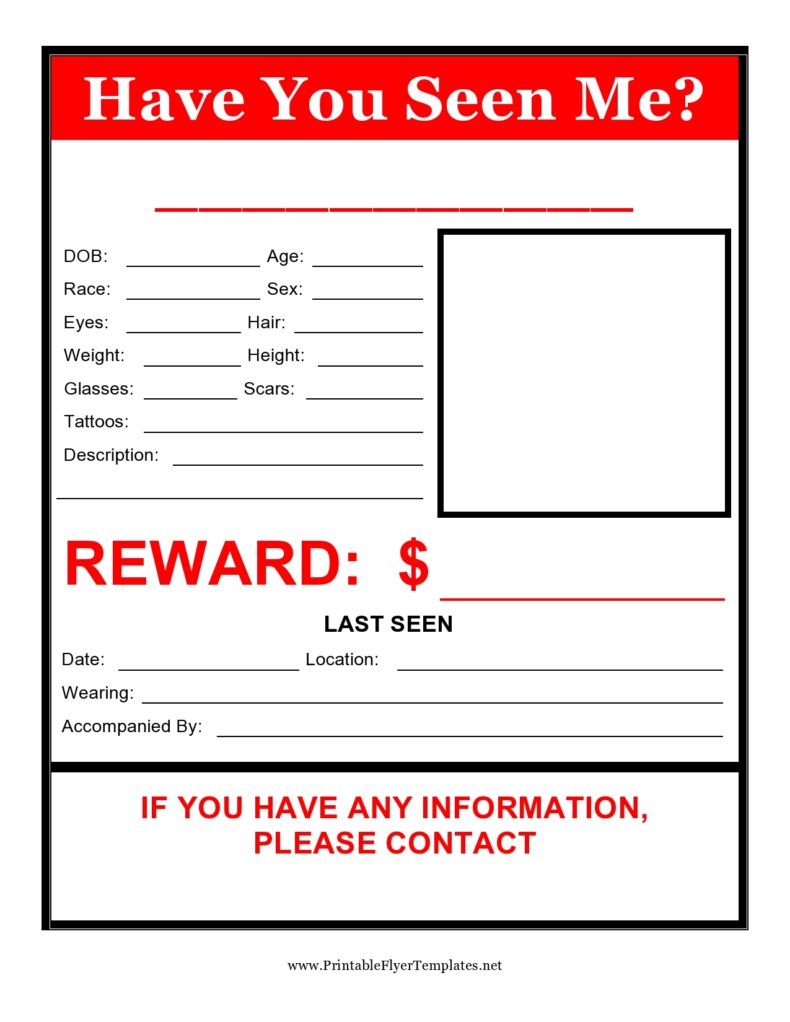
41 Printable Missing Poster Templates (Flyers & Signs)

Missing Person Flyer Many Missing Persons Never Make The Headlines.

Missing person poster template Royalty Free Vector Image

Free Vector Simple have you seen this person missing poster

Have You Seen Poster Template

Missing Person Template Free Printable And Enjoyable Learning
Have You Seen This Man Poster Template

Missing person poster template Free Vector

Have You Seen Poster Template

Free Vector Minimalist have you seen this woman missing poster

Missing Person Poster Have You Seen Me HOW TO BE IN THE **MISSING

Free Vector Geometric duotone have you seen this person missing poster

Missing Person Poster Template

Printable Missing Poster Templates Printables Hub

Have You Seen This Man Poster Template

Missing Person Poster Template

10 missing posters images free download Artofit

21+ Free Missing Poster Word Excel Formats
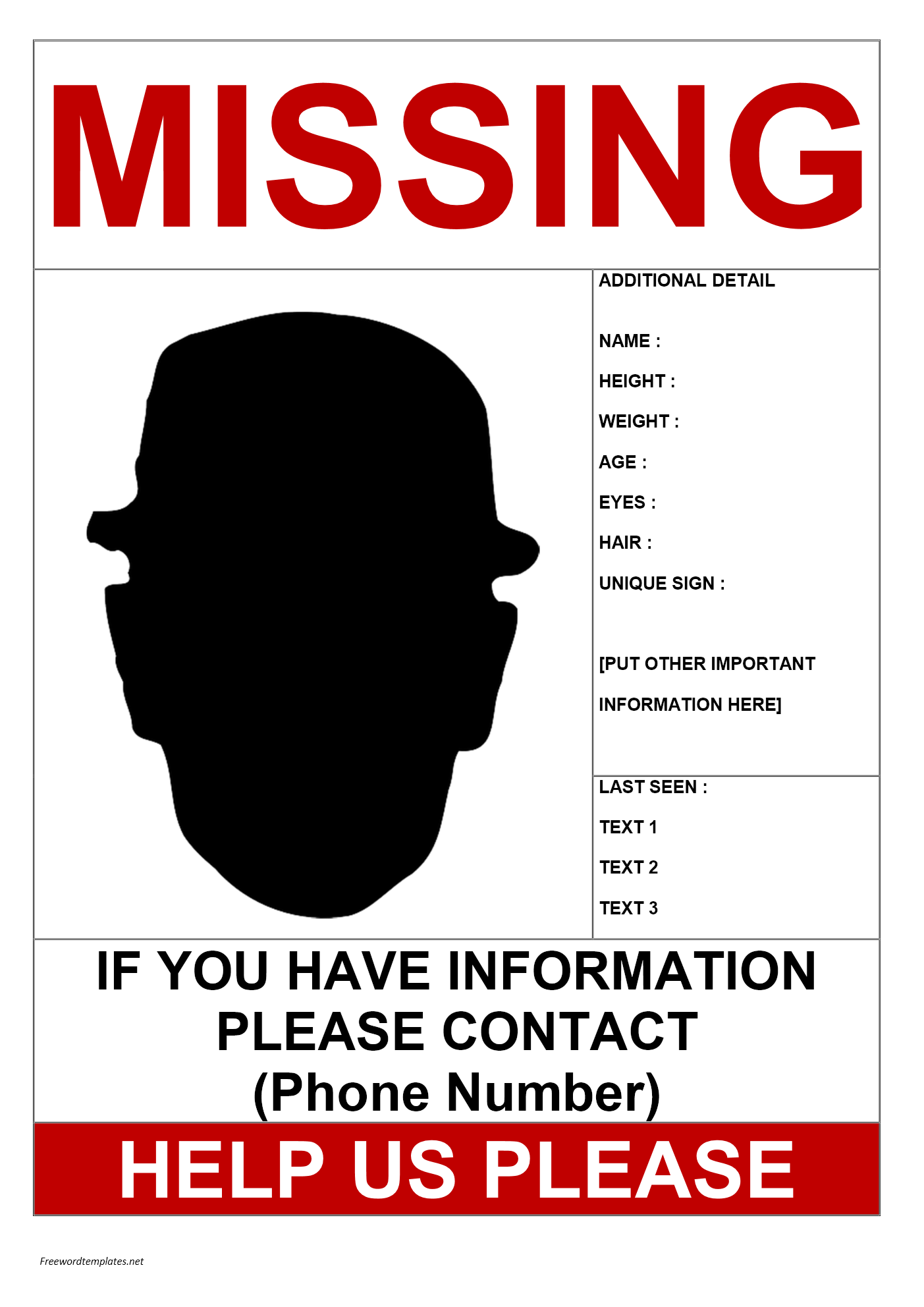
Have You Seen This Person Template
See Examples Of Have Used In A Sentence.
The Meaning Of Have Is To Hold Or Maintain (Something Tangible Or Intangible) As A Possession, Privilege, Entitlement, Or Responsibility.
I've Had It With Their Delays.
To Have Done Everything That Is Possible Or That Will Be.
Related Post:
