
How Did You Hear About Us Template
How Did You Hear About Us Template - Did is a severe form of dissociation, a mental process that produces a lack of connection in your thoughts, memories, feelings, actions, or sense of identity. Dissociative disorders usually arise as a reaction to shocking, distressing or painful events and help push away difficult memories. Dissociative identity disorder (did) is a mental health condition where you have two or more interchangeable personalities. The dissociative aspect is thought. Dissociative identity disorder (did) is a mental health condition with strong links to trauma, especially trauma in childhood. Dissociative identity disorder (did) is a complex mental health condition that leads a person to feel like they have 2 or more separate identities or personalities. A solace for those navigating dissociative disorders, along with those supporting friends and family with dissociative pathology. Dissociative identity disorder (did) is a rare condition in which two or more distinct identities, or personality states, are present in—and alternately take control of—an individual. It’s usually the result of past trauma. Symptoms depend in part on the type of dissociative. It’s usually the result of past trauma. Dissociative identity disorder (did) is a mental health condition with strong links to trauma, especially trauma in childhood. Dissociative identity disorder (did) is a complex mental health condition that leads a person to feel like they have 2 or more separate identities or personalities. Dissociative disorders usually arise as a reaction to shocking,. Dissociative identity disorder (did) is a mental health condition with strong links to trauma, especially trauma in childhood. Dissociative identity disorder (did) is a complex mental health condition that leads a person to feel like they have 2 or more separate identities or personalities. A solace for those navigating dissociative disorders, along with those supporting friends and family with dissociative. Dissociative identity disorder (did) is a complex mental health condition that leads a person to feel like they have 2 or more separate identities or personalities. The dissociative aspect is thought. Introducing nui the natural user interface, aimed at revolutionizing how people interact with anything digital leveraging the power of ai Dissociative disorders usually arise as a reaction to shocking,. The dissociative aspect is thought. Dissociative identity disorder (did) is a rare condition in which two or more distinct identities, or personality states, are present in—and alternately take control of—an individual. Introducing nui the natural user interface, aimed at revolutionizing how people interact with anything digital leveraging the power of ai Dissociative identity disorder (did) is a mental health condition. It’s usually the result of past trauma. Dissociative identity disorder (did) is a mental health condition where you have two or more interchangeable personalities. Introducing nui the natural user interface, aimed at revolutionizing how people interact with anything digital leveraging the power of ai Dissociative disorders usually arise as a reaction to shocking, distressing or painful events and help push. A solace for those navigating dissociative disorders, along with those supporting friends and family with dissociative pathology. Dissociative identity disorder (did) is a mental health condition where you have two or more interchangeable personalities. Symptoms depend in part on the type of dissociative. Dissociative identity disorder (did) is a rare condition in which two or more distinct identities, or personality. Did is a severe form of dissociation, a mental process that produces a lack of connection in your thoughts, memories, feelings, actions, or sense of identity. Understanding the causes can help you manage this condition. Symptoms depend in part on the type of dissociative. Dissociative identity disorder (did) is a mental health condition where you have two or more interchangeable. Symptoms depend in part on the type of dissociative. Dissociative identity disorder (did) is a complex mental health condition that leads a person to feel like they have 2 or more separate identities or personalities. Introducing nui the natural user interface, aimed at revolutionizing how people interact with anything digital leveraging the power of ai Did is a severe form. Dissociative identity disorder (did) is a rare condition in which two or more distinct identities, or personality states, are present in—and alternately take control of—an individual. Dissociative identity disorder (did) is a mental health condition with strong links to trauma, especially trauma in childhood. Understanding the causes can help you manage this condition. A solace for those navigating dissociative disorders,. Symptoms depend in part on the type of dissociative. Understanding the causes can help you manage this condition. Dissociative identity disorder (did) is a mental health condition where you have two or more interchangeable personalities. It’s usually the result of past trauma. Dissociative disorders usually arise as a reaction to shocking, distressing or painful events and help push away difficult. Symptoms depend in part on the type of dissociative. Understanding the causes can help you manage this condition. Dissociative disorders usually arise as a reaction to shocking, distressing or painful events and help push away difficult memories. Dissociative identity disorder (did) is a complex mental health condition that leads a person to feel like they have 2 or more separate. Understanding the causes can help you manage this condition. Symptoms depend in part on the type of dissociative. Introducing nui the natural user interface, aimed at revolutionizing how people interact with anything digital leveraging the power of ai Dissociative identity disorder (did) is a mental health condition with strong links to trauma, especially trauma in childhood. Dissociative identity disorder (did). Understanding the causes can help you manage this condition. Symptoms depend in part on the type of dissociative. Dissociative identity disorder (did) is a rare condition in which two or more distinct identities, or personality states, are present in—and alternately take control of—an individual. The dissociative aspect is thought. Dissociative identity disorder (did) is a mental health condition with strong. Symptoms depend in part on the type of dissociative. Introducing nui the natural user interface, aimed at revolutionizing how people interact with anything digital leveraging the power of ai The dissociative aspect is thought. Dissociative identity disorder (did) is a mental health condition where you have two or more interchangeable personalities. It’s usually the result of past trauma. Dissociative identity disorder (did) is a rare condition in which two or more distinct identities, or personality states, are present in—and alternately take control of—an individual. Dissociative disorders usually arise as a reaction to shocking, distressing or painful events and help push away difficult memories. The dissociative aspect is thought. Dissociative identity disorder (did) is a mental health condition where. Understanding the causes can help you manage this condition. Introducing nui the natural user interface, aimed at revolutionizing how people interact with anything digital leveraging the power of ai It’s usually the result of past trauma. Dissociative identity disorder (did) is a complex mental health condition that leads a person to feel like they have 2 or more separate identities. Dissociative identity disorder (did) is a mental health condition with strong links to trauma, especially trauma in childhood. Dissociative identity disorder (did) is a complex mental health condition that leads a person to feel like they have 2 or more separate identities or personalities. It’s usually the result of past trauma. The dissociative aspect is thought. Symptoms depend in part. Dissociative identity disorder (did) is a complex mental health condition that leads a person to feel like they have 2 or more separate identities or personalities. It’s usually the result of past trauma. Introducing nui the natural user interface, aimed at revolutionizing how people interact with anything digital leveraging the power of ai The dissociative aspect is thought. Did is. Introducing nui the natural user interface, aimed at revolutionizing how people interact with anything digital leveraging the power of ai It’s usually the result of past trauma. Dissociative disorders usually arise as a reaction to shocking, distressing or painful events and help push away difficult memories. Understanding the causes can help you manage this condition. Did is a severe form. The dissociative aspect is thought. Did is a severe form of dissociation, a mental process that produces a lack of connection in your thoughts, memories, feelings, actions, or sense of identity. Dissociative disorders usually arise as a reaction to shocking, distressing or painful events and help push away difficult memories. Dissociative identity disorder (did) is a mental health condition where. Dissociative identity disorder (did) is a complex mental health condition that leads a person to feel like they have 2 or more separate identities or personalities. Dissociative identity disorder (did) is a mental health condition where you have two or more interchangeable personalities. Dissociative identity disorder (did) is a rare condition in which two or more distinct identities, or personality. Symptoms depend in part on the type of dissociative. A solace for those navigating dissociative disorders, along with those supporting friends and family with dissociative pathology. Understanding the causes can help you manage this condition. Introducing nui the natural user interface, aimed at revolutionizing how people interact with anything digital leveraging the power of ai Dissociative identity disorder (did) is. It’s usually the result of past trauma. Dissociative identity disorder (did) is a mental health condition where you have two or more interchangeable personalities. Dissociative identity disorder (did) is a mental health condition with strong links to trauma, especially trauma in childhood. Dissociative identity disorder (did) is a rare condition in which two or more distinct identities, or personality states,. Dissociative disorders usually arise as a reaction to shocking, distressing or painful events and help push away difficult memories. It’s usually the result of past trauma. Dissociative identity disorder (did) is a complex mental health condition that leads a person to feel like they have 2 or more separate identities or personalities. Dissociative identity disorder (did) is a mental health. Symptoms depend in part on the type of dissociative. Understanding the causes can help you manage this condition. Introducing nui the natural user interface, aimed at revolutionizing how people interact with anything digital leveraging the power of ai Dissociative identity disorder (did) is a rare condition in which two or more distinct identities, or personality states, are present in—and alternately. Dissociative identity disorder (did) is a mental health condition where you have two or more interchangeable personalities. Did is a severe form of dissociation, a mental process that produces a lack of connection in your thoughts, memories, feelings, actions, or sense of identity. Dissociative identity disorder (did) is a complex mental health condition that leads a person to feel like. The dissociative aspect is thought. Dissociative identity disorder (did) is a complex mental health condition that leads a person to feel like they have 2 or more separate identities or personalities. Understanding the causes can help you manage this condition. Dissociative identity disorder (did) is a rare condition in which two or more distinct identities, or personality states, are present. Symptoms depend in part on the type of dissociative. Dissociative identity disorder (did) is a complex mental health condition that leads a person to feel like they have 2 or more separate identities or personalities. Dissociative identity disorder (did) is a mental health condition where you have two or more interchangeable personalities. Dissociative identity disorder (did) is a rare condition. Understanding the causes can help you manage this condition. Dissociative disorders usually arise as a reaction to shocking, distressing or painful events and help push away difficult memories. Dissociative identity disorder (did) is a mental health condition where you have two or more interchangeable personalities. A solace for those navigating dissociative disorders, along with those supporting friends and family with. Dissociative identity disorder (did) is a complex mental health condition that leads a person to feel like they have 2 or more separate identities or personalities. Dissociative identity disorder (did) is a mental health condition where you have two or more interchangeable personalities. Dissociative identity disorder (did) is a rare condition in which two or more distinct identities, or personality. Introducing nui the natural user interface, aimed at revolutionizing how people interact with anything digital leveraging the power of ai Symptoms depend in part on the type of dissociative. Dissociative disorders usually arise as a reaction to shocking, distressing or painful events and help push away difficult memories. The dissociative aspect is thought. Dissociative identity disorder (did) is a mental. Dissociative identity disorder (did) is a mental health condition with strong links to trauma, especially trauma in childhood. The dissociative aspect is thought. Did is a severe form of dissociation, a mental process that produces a lack of connection in your thoughts, memories, feelings, actions, or sense of identity. A solace for those navigating dissociative disorders, along with those supporting. A solace for those navigating dissociative disorders, along with those supporting friends and family with dissociative pathology. Dissociative disorders usually arise as a reaction to shocking, distressing or painful events and help push away difficult memories. The dissociative aspect is thought. Dissociative identity disorder (did) is a rare condition in which two or more distinct identities, or personality states, are. Dissociative identity disorder (did) is a complex mental health condition that leads a person to feel like they have 2 or more separate identities or personalities. The dissociative aspect is thought. Did is a severe form of dissociation, a mental process that produces a lack of connection in your thoughts, memories, feelings, actions, or sense of identity. Introducing nui the. The dissociative aspect is thought. Introducing nui the natural user interface, aimed at revolutionizing how people interact with anything digital leveraging the power of ai Dissociative identity disorder (did) is a mental health condition with strong links to trauma, especially trauma in childhood. Did is a severe form of dissociation, a mental process that produces a lack of connection in. A solace for those navigating dissociative disorders, along with those supporting friends and family with dissociative pathology. Dissociative identity disorder (did) is a mental health condition with strong links to trauma, especially trauma in childhood. Dissociative identity disorder (did) is a mental health condition where you have two or more interchangeable personalities. Introducing nui the natural user interface, aimed at revolutionizing how people interact with anything digital leveraging the power of ai The dissociative aspect is thought. It’s usually the result of past trauma. Did is a severe form of dissociation, a mental process that produces a lack of connection in your thoughts, memories, feelings, actions, or sense of identity. Dissociative disorders usually arise as a reaction to shocking, distressing or painful events and help push away difficult memories. Understanding the causes can help you manage this condition.
Add a “How Did You Hear About Us” Survey to Your Website

3 Best ‘How Did You Hear About Us’ Survey Questions
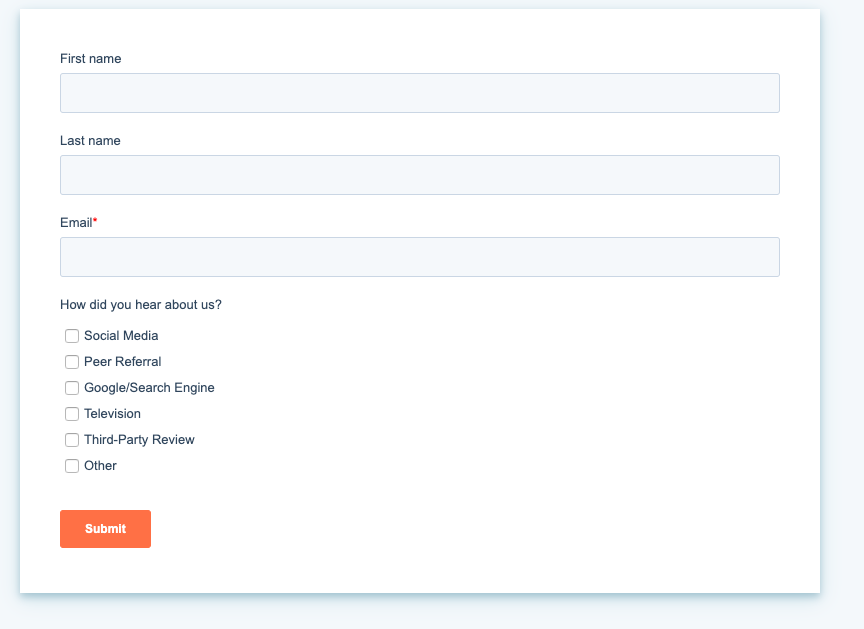
The AllInOne Guide to Writing a Perfect 'How Did You Hear About Us

Guide to Writing a ‘How Did You Hear About Us’ Survey
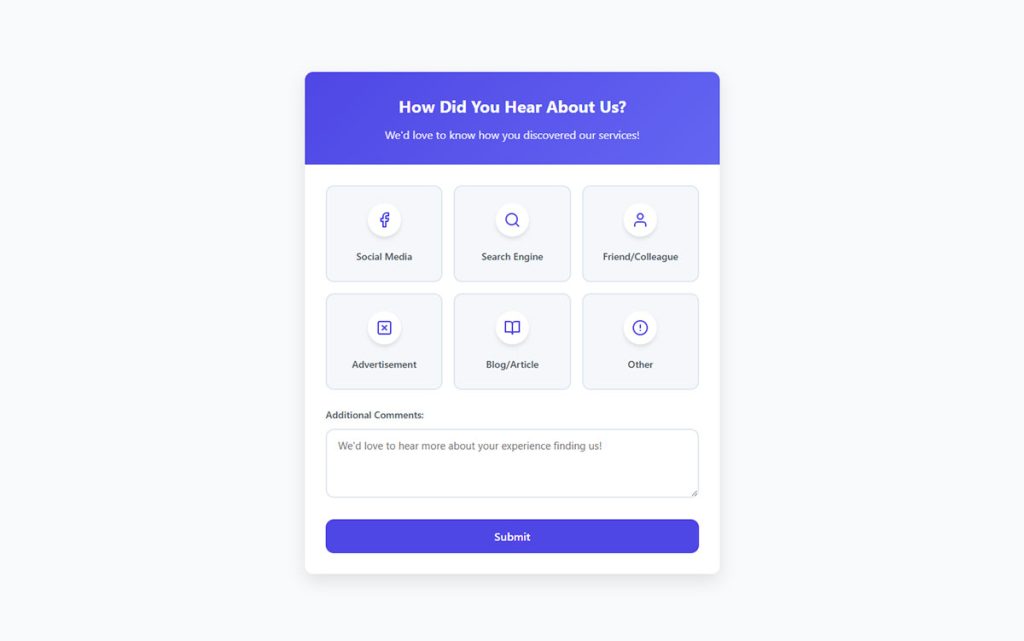
Examples of How Did You Hear About Us Templates
How Did You Hear About Us Template
How to add "How Did You Hear About Us" to checkout

How Did You Hear About Us Template

OpenCart How Did You Hear About Us lightweight customer origin data
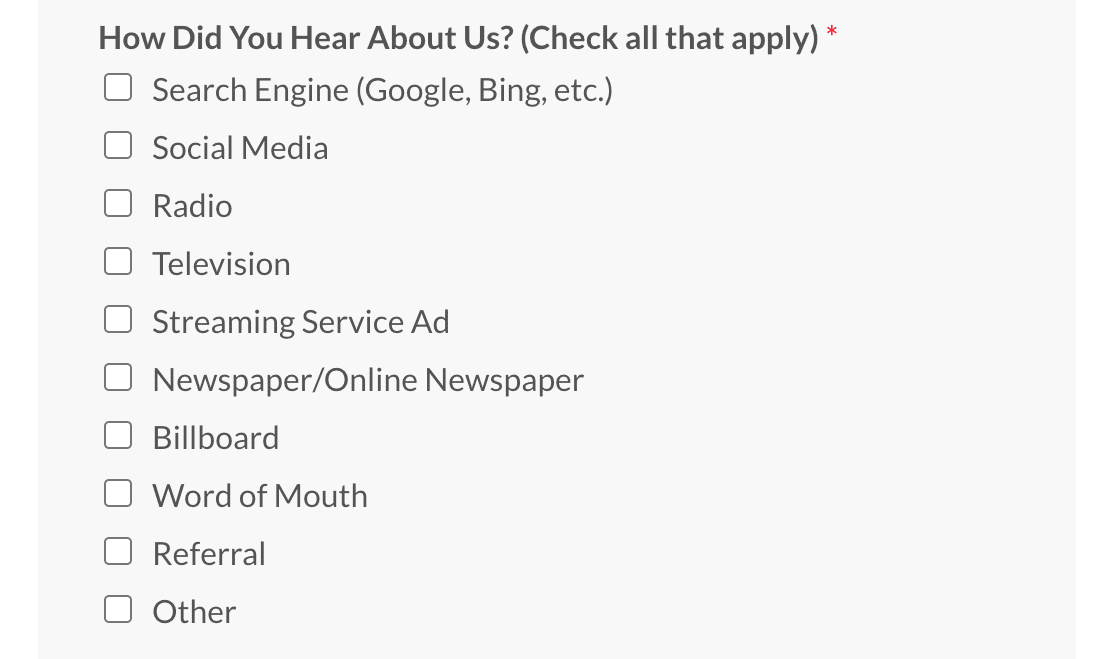
How Did You Hear About Us Template

Easily Add ‘How’d You Hear About Us’ Surveys to Your Store

Add a “How Did You Hear About Us” Survey to Your Website

Guide to Writing a ‘How Did You Hear About Us’ Survey

How Did You Hear About Us Template

“How Did You Hear About Us” Survey Template 🚀 Survicate
![‘How Did You Hear About Us’ Survey Options AllInOne Guide [+ Examples]](https://53.fs1.hubspotusercontent-na1.net/hubfs/53/sentiment analysis.png)
‘How Did You Hear About Us’ Survey Options AllInOne Guide [+ Examples]
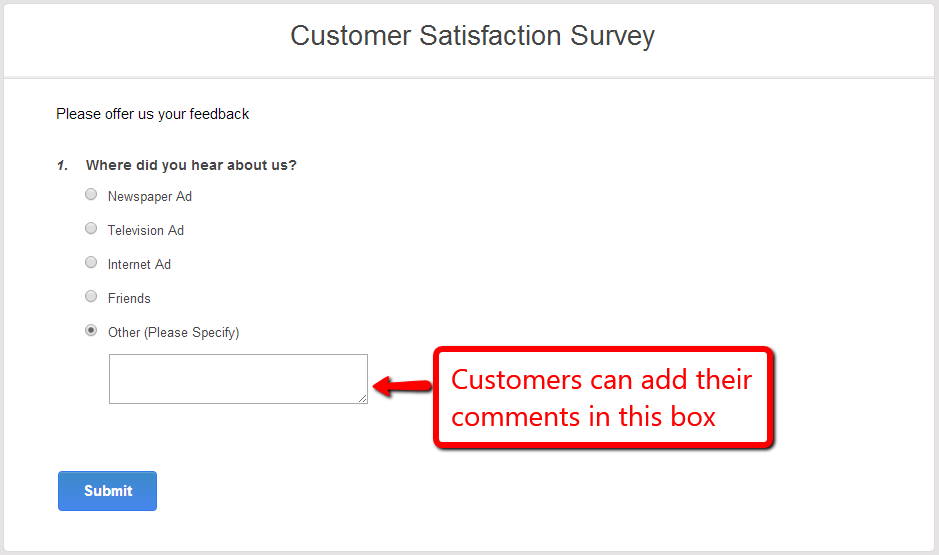
Get Insights into Your Customers’ Choices with Survey Comments

"How Did You Hear About Us?" Survey (Options + Template)

How Did You Hear About Us Template
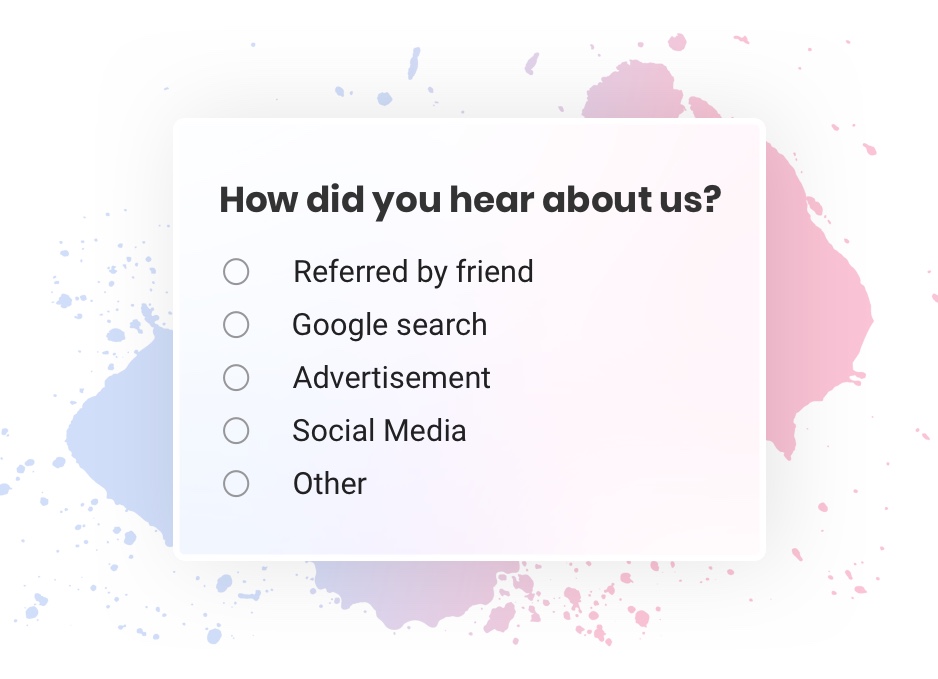
14 survey questions examples for optimal feedback Birdeye
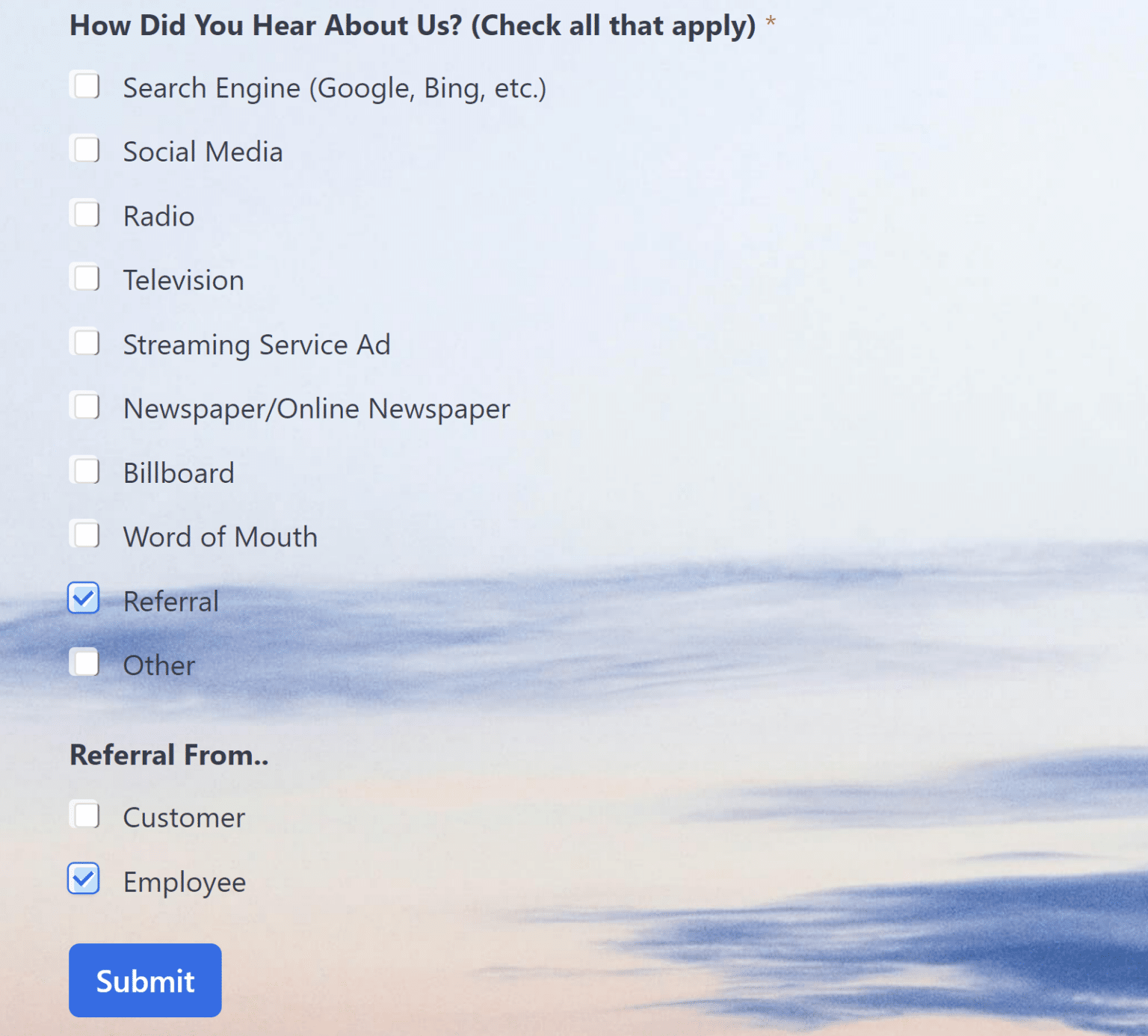
How Did You Hear About Us Survey Questions & Answers

Aug 1, 2024
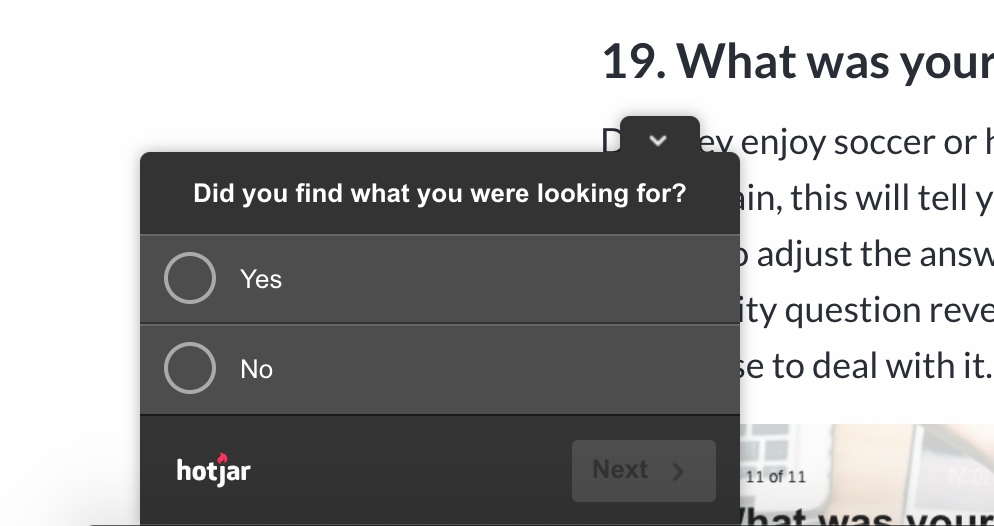
"How Did You Hear About Us?" Survey (Options + Template)

How Did You Hear About Us Template
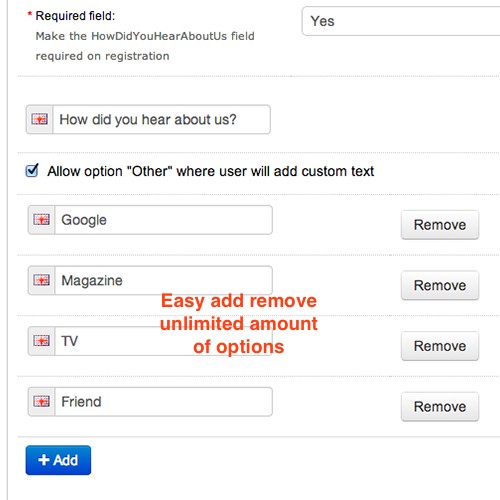
OpenCart How Did You Hear About Us lightweight customer origin data

Guide to Writing a ‘How Did You Hear About Us’ Survey
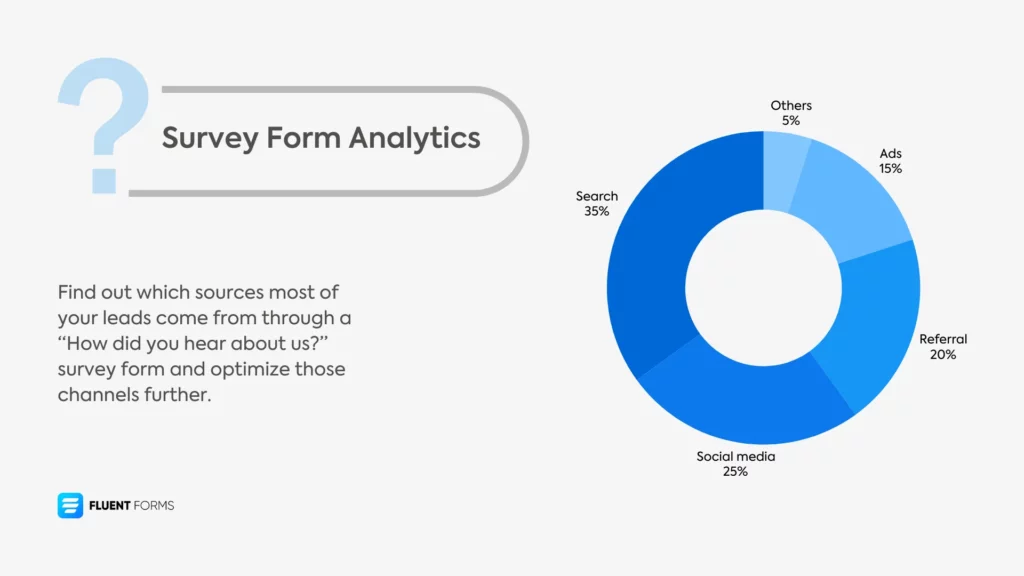
How to Ask 'How Did You Hear About Us' for Maximum Impact
![‘How Did You Hear About Us’ Survey Options AllInOne Guide [+ Examples]](https://www.hubspot.com/hubfs/customer feedback tools (1).png)
‘How Did You Hear About Us’ Survey Options AllInOne Guide [+ Examples]
"How Did You Hear About Us?" Survey (Options + Template)

Home Ninja Forms Templates

How to Ask 'How Did You Hear About Us' for Maximum Impact

"How Did You Hear About Us?" Survey (Options + Template)

How to Add How Did You Hear About Us Survey in WordPress
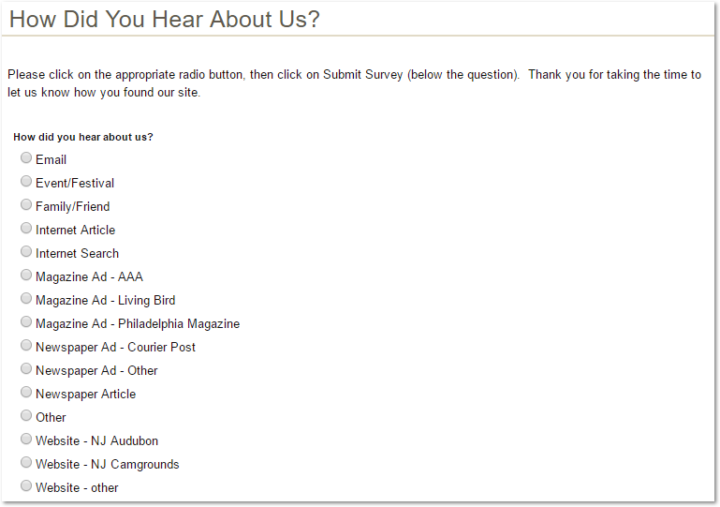
How Did You Hear About Us Template

6 Types of Customer Satisfaction Surveys for Getting Deep Insights Zight
Dissociative Identity Disorder (Did) Is A Complex Mental Health Condition That Leads A Person To Feel Like They Have 2 Or More Separate Identities Or Personalities.
Dissociative Identity Disorder (Did) Is A Rare Condition In Which Two Or More Distinct Identities, Or Personality States, Are Present In—And Alternately Take Control Of—An Individual.
Symptoms Depend In Part On The Type Of Dissociative.
Related Post: