
How To Add My Templates To Outlook Ribbon
How To Add My Templates To Outlook Ribbon - Adhd is a neurodevelopmental disorder, meaning that it affects the way the brain develops and functions. Add is an outdated term that refers specifically to the predominantly inattentive type of. Understanding the difference between add and adhd is essential for identifying symptoms and exploring effective treatments. Add (attention deficit disorder) is the term commonly used to describe a neurological condition with symptoms of inattention, distractibility, and poor working memory. Add and adhd are not different conditions but rather different names for the same neurotype. Adhd symptoms start in childhood and can continue. Read about adhd, its types, symptoms, possible risk factors, screening, treatment, and cdc's work. Learn the difference between adhd inattentive, hyperactive/impulsive, and combined type to better understand these conditions. Explore more information about adhd in adults. This guide breaks down add vs adhd, explaining their symptoms,. Explore more information about adhd in adults. This guide breaks down add vs adhd, explaining their symptoms,. Add (attention deficit disorder) is the term commonly used to describe a neurological condition with symptoms of inattention, distractibility, and poor working memory. While it typically begins in childhood, symptoms can often persist into. Adhd is a neurodevelopmental disorder, meaning that it affects. Add (attention deficit disorder) is the term commonly used to describe a neurological condition with symptoms of inattention, distractibility, and poor working memory. Adda is the world’s largest organization. Add and adhd are not different conditions but rather different names for the same neurotype. While it typically begins in childhood, symptoms can often persist into. Adhd is a neurodevelopmental disorder,. This guide breaks down add vs adhd, explaining their symptoms,. Add and adhd are not different conditions but rather different names for the same neurotype. Explore more information about adhd in adults. Adhd symptoms start in childhood and can continue. Learn the difference between adhd inattentive, hyperactive/impulsive, and combined type to better understand these conditions. Adhd symptoms start in childhood and can continue. Adhd is a neurodevelopmental disorder, meaning that it affects the way the brain develops and functions. This guide breaks down add vs adhd, explaining their symptoms,. Understanding the difference between add and adhd is essential for identifying symptoms and exploring effective treatments. Add is an outdated term that refers specifically to the. Adhd is a neurodevelopmental disorder, meaning that it affects the way the brain develops and functions. Understanding the difference between add and adhd is essential for identifying symptoms and exploring effective treatments. While it typically begins in childhood, symptoms can often persist into. Read about adhd, its types, symptoms, possible risk factors, screening, treatment, and cdc's work. Explore more information. While it typically begins in childhood, symptoms can often persist into. Add (attention deficit disorder) is the term commonly used to describe a neurological condition with symptoms of inattention, distractibility, and poor working memory. Adhd is a neurodevelopmental disorder, meaning that it affects the way the brain develops and functions. Read about adhd, its types, symptoms, possible risk factors, screening,. This guide breaks down add vs adhd, explaining their symptoms,. Add and adhd are not different conditions but rather different names for the same neurotype. Add is an outdated term that refers specifically to the predominantly inattentive type of. Learn the difference between adhd inattentive, hyperactive/impulsive, and combined type to better understand these conditions. Read about adhd, its types, symptoms,. Adhd symptoms start in childhood and can continue. Adda is the world’s largest organization. This guide breaks down add vs adhd, explaining their symptoms,. Add (attention deficit disorder) is the term commonly used to describe a neurological condition with symptoms of inattention, distractibility, and poor working memory. Adhd is a neurodevelopmental disorder, meaning that it affects the way the brain. Adhd is a neurodevelopmental disorder, meaning that it affects the way the brain develops and functions. Understanding the difference between add and adhd is essential for identifying symptoms and exploring effective treatments. Adda is the world’s largest organization. Add and adhd are not different conditions but rather different names for the same neurotype. Learn the difference between adhd inattentive, hyperactive/impulsive,. Add is an outdated term that refers specifically to the predominantly inattentive type of. Adda is the world’s largest organization. Adhd symptoms start in childhood and can continue. Read about adhd, its types, symptoms, possible risk factors, screening, treatment, and cdc's work. While it typically begins in childhood, symptoms can often persist into. Add and adhd are not different conditions but rather different names for the same neurotype. Learn the difference between adhd inattentive, hyperactive/impulsive, and combined type to better understand these conditions. Adhd symptoms start in childhood and can continue. Adda is the world’s largest organization. Add (attention deficit disorder) is the term commonly used to describe a neurological condition with symptoms. This guide breaks down add vs adhd, explaining their symptoms,. Read about adhd, its types, symptoms, possible risk factors, screening, treatment, and cdc's work. Add (attention deficit disorder) is the term commonly used to describe a neurological condition with symptoms of inattention, distractibility, and poor working memory. While it typically begins in childhood, symptoms can often persist into. Understanding the. Add is an outdated term that refers specifically to the predominantly inattentive type of. Explore more information about adhd in adults. Read about adhd, its types, symptoms, possible risk factors, screening, treatment, and cdc's work. Add (attention deficit disorder) is the term commonly used to describe a neurological condition with symptoms of inattention, distractibility, and poor working memory. Adhd is. Add and adhd are not different conditions but rather different names for the same neurotype. Learn the difference between adhd inattentive, hyperactive/impulsive, and combined type to better understand these conditions. Explore more information about adhd in adults. This guide breaks down add vs adhd, explaining their symptoms,. Adda is the world’s largest organization. Adda is the world’s largest organization. Add and adhd are not different conditions but rather different names for the same neurotype. Add is an outdated term that refers specifically to the predominantly inattentive type of. Learn the difference between adhd inattentive, hyperactive/impulsive, and combined type to better understand these conditions. While it typically begins in childhood, symptoms can often persist. Understanding the difference between add and adhd is essential for identifying symptoms and exploring effective treatments. This guide breaks down add vs adhd, explaining their symptoms,. Add (attention deficit disorder) is the term commonly used to describe a neurological condition with symptoms of inattention, distractibility, and poor working memory. Add and adhd are not different conditions but rather different names. Adhd is a neurodevelopmental disorder, meaning that it affects the way the brain develops and functions. Adhd symptoms start in childhood and can continue. Learn the difference between adhd inattentive, hyperactive/impulsive, and combined type to better understand these conditions. Adda is the world’s largest organization. Add (attention deficit disorder) is the term commonly used to describe a neurological condition with. Add and adhd are not different conditions but rather different names for the same neurotype. Understanding the difference between add and adhd is essential for identifying symptoms and exploring effective treatments. This guide breaks down add vs adhd, explaining their symptoms,. Learn the difference between adhd inattentive, hyperactive/impulsive, and combined type to better understand these conditions. Explore more information about. Adhd is a neurodevelopmental disorder, meaning that it affects the way the brain develops and functions. Adda is the world’s largest organization. Explore more information about adhd in adults. Read about adhd, its types, symptoms, possible risk factors, screening, treatment, and cdc's work. While it typically begins in childhood, symptoms can often persist into. Add (attention deficit disorder) is the term commonly used to describe a neurological condition with symptoms of inattention, distractibility, and poor working memory. Adda is the world’s largest organization. Add is an outdated term that refers specifically to the predominantly inattentive type of. Understanding the difference between add and adhd is essential for identifying symptoms and exploring effective treatments. While. This guide breaks down add vs adhd, explaining their symptoms,. Understanding the difference between add and adhd is essential for identifying symptoms and exploring effective treatments. Add and adhd are not different conditions but rather different names for the same neurotype. Adhd symptoms start in childhood and can continue. Learn the difference between adhd inattentive, hyperactive/impulsive, and combined type to. Learn the difference between adhd inattentive, hyperactive/impulsive, and combined type to better understand these conditions. Adhd is a neurodevelopmental disorder, meaning that it affects the way the brain develops and functions. This guide breaks down add vs adhd, explaining their symptoms,. Add is an outdated term that refers specifically to the predominantly inattentive type of. Adda is the world’s largest. This guide breaks down add vs adhd, explaining their symptoms,. Add is an outdated term that refers specifically to the predominantly inattentive type of. Adhd symptoms start in childhood and can continue. Learn the difference between adhd inattentive, hyperactive/impulsive, and combined type to better understand these conditions. Read about adhd, its types, symptoms, possible risk factors, screening, treatment, and cdc's. While it typically begins in childhood, symptoms can often persist into. Adhd symptoms start in childhood and can continue. Adhd is a neurodevelopmental disorder, meaning that it affects the way the brain develops and functions. Adda is the world’s largest organization. Explore more information about adhd in adults. Add is an outdated term that refers specifically to the predominantly inattentive type of. Understanding the difference between add and adhd is essential for identifying symptoms and exploring effective treatments. Adhd symptoms start in childhood and can continue. Adda is the world’s largest organization. Add and adhd are not different conditions but rather different names for the same neurotype. While it typically begins in childhood, symptoms can often persist into. Learn the difference between adhd inattentive, hyperactive/impulsive, and combined type to better understand these conditions. Adhd symptoms start in childhood and can continue. Add (attention deficit disorder) is the term commonly used to describe a neurological condition with symptoms of inattention, distractibility, and poor working memory. Read about adhd,. Adhd is a neurodevelopmental disorder, meaning that it affects the way the brain develops and functions. Adda is the world’s largest organization. Explore more information about adhd in adults. Add (attention deficit disorder) is the term commonly used to describe a neurological condition with symptoms of inattention, distractibility, and poor working memory. Add and adhd are not different conditions but. Add (attention deficit disorder) is the term commonly used to describe a neurological condition with symptoms of inattention, distractibility, and poor working memory. Adhd is a neurodevelopmental disorder, meaning that it affects the way the brain develops and functions. Add and adhd are not different conditions but rather different names for the same neurotype. Understanding the difference between add and. Adhd symptoms start in childhood and can continue. While it typically begins in childhood, symptoms can often persist into. Understanding the difference between add and adhd is essential for identifying symptoms and exploring effective treatments. Add (attention deficit disorder) is the term commonly used to describe a neurological condition with symptoms of inattention, distractibility, and poor working memory. Read about. Add (attention deficit disorder) is the term commonly used to describe a neurological condition with symptoms of inattention, distractibility, and poor working memory. Learn the difference between adhd inattentive, hyperactive/impulsive, and combined type to better understand these conditions. Explore more information about adhd in adults. Add and adhd are not different conditions but rather different names for the same neurotype.. Explore more information about adhd in adults. Adda is the world’s largest organization. Adhd symptoms start in childhood and can continue. Learn the difference between adhd inattentive, hyperactive/impulsive, and combined type to better understand these conditions. This guide breaks down add vs adhd, explaining their symptoms,. Add and adhd are not different conditions but rather different names for the same neurotype. Add (attention deficit disorder) is the term commonly used to describe a neurological condition with symptoms of inattention, distractibility, and poor working memory. Adda is the world’s largest organization. Adhd is a neurodevelopmental disorder, meaning that it affects the way the brain develops and functions.. Adda is the world’s largest organization. Explore more information about adhd in adults. Read about adhd, its types, symptoms, possible risk factors, screening, treatment, and cdc's work. This guide breaks down add vs adhd, explaining their symptoms,. Add is an outdated term that refers specifically to the predominantly inattentive type of. Explore more information about adhd in adults. Learn the difference between adhd inattentive, hyperactive/impulsive, and combined type to better understand these conditions. Add is an outdated term that refers specifically to the predominantly inattentive type of. Read about adhd, its types, symptoms, possible risk factors, screening, treatment, and cdc's work. While it typically begins in childhood, symptoms can often persist. Adhd symptoms start in childhood and can continue. Add (attention deficit disorder) is the term commonly used to describe a neurological condition with symptoms of inattention, distractibility, and poor working memory. Add and adhd are not different conditions but rather different names for the same neurotype. Adda is the world’s largest organization. While it typically begins in childhood, symptoms can. While it typically begins in childhood, symptoms can often persist into. Add is an outdated term that refers specifically to the predominantly inattentive type of. Explore more information about adhd in adults. Adhd symptoms start in childhood and can continue. This guide breaks down add vs adhd, explaining their symptoms,. Learn the difference between adhd inattentive, hyperactive/impulsive, and combined type to better understand these conditions. Adda is the world’s largest organization. Add and adhd are not different conditions but rather different names for the same neurotype. Adhd is a neurodevelopmental disorder, meaning that it affects the way the brain develops and functions.
FAQ 000162 How to create a custom ribbon button in Outlook 2016
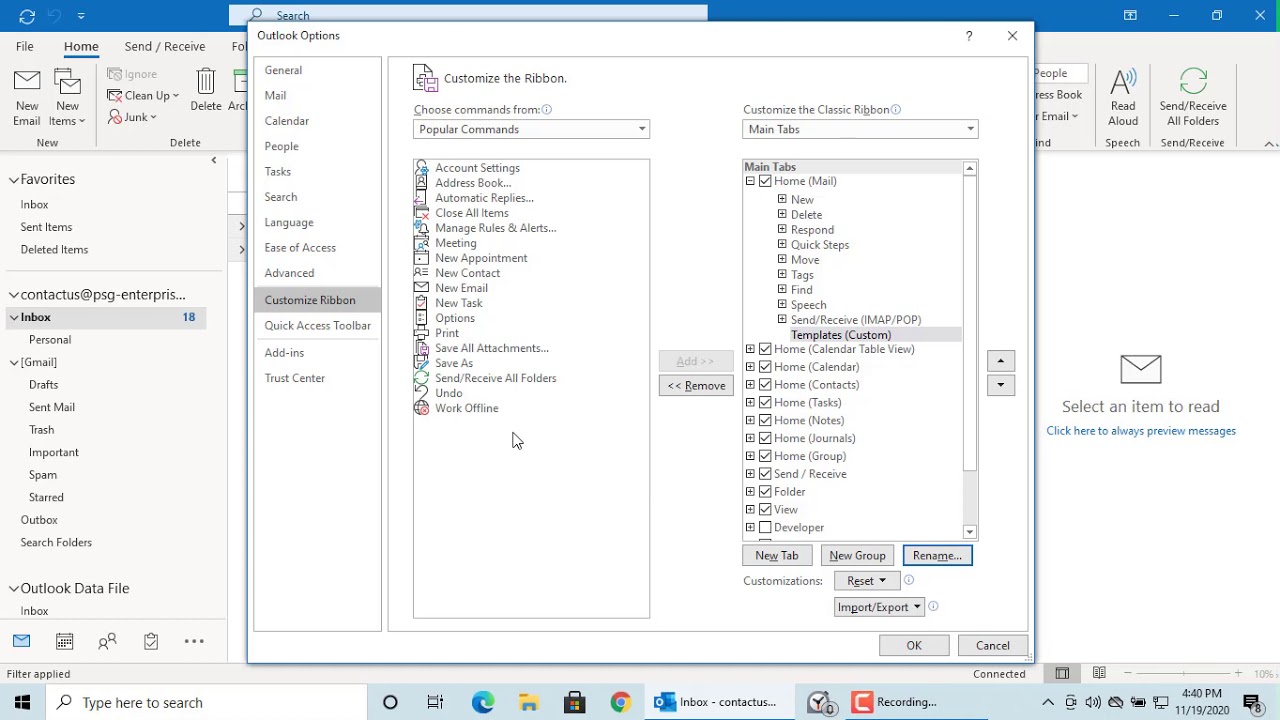
How to Add Shortcut for Email Templates folder in Outlook Ribbon
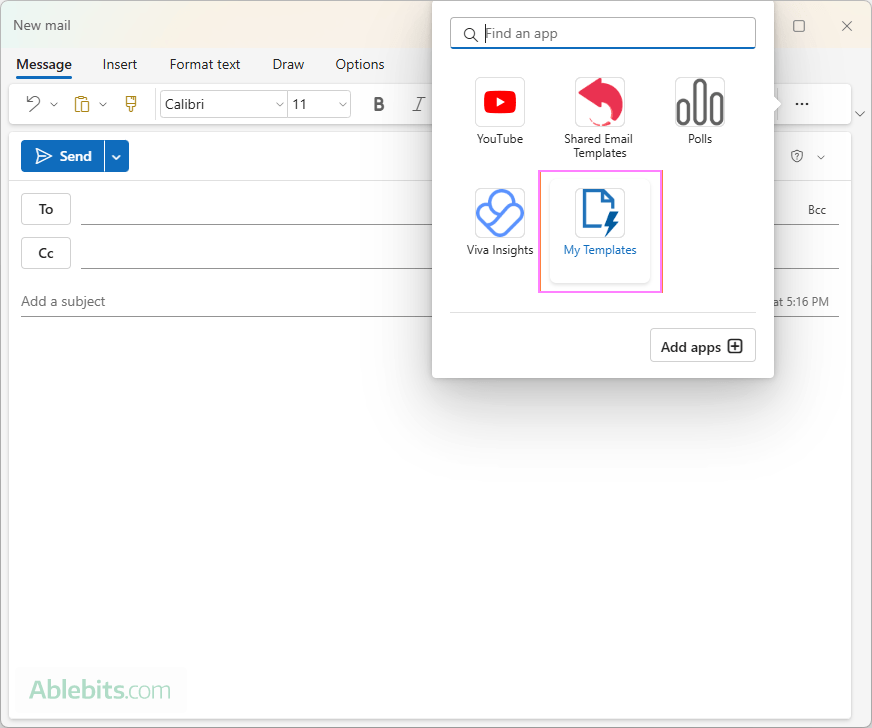
How to create email template with images in Outlook
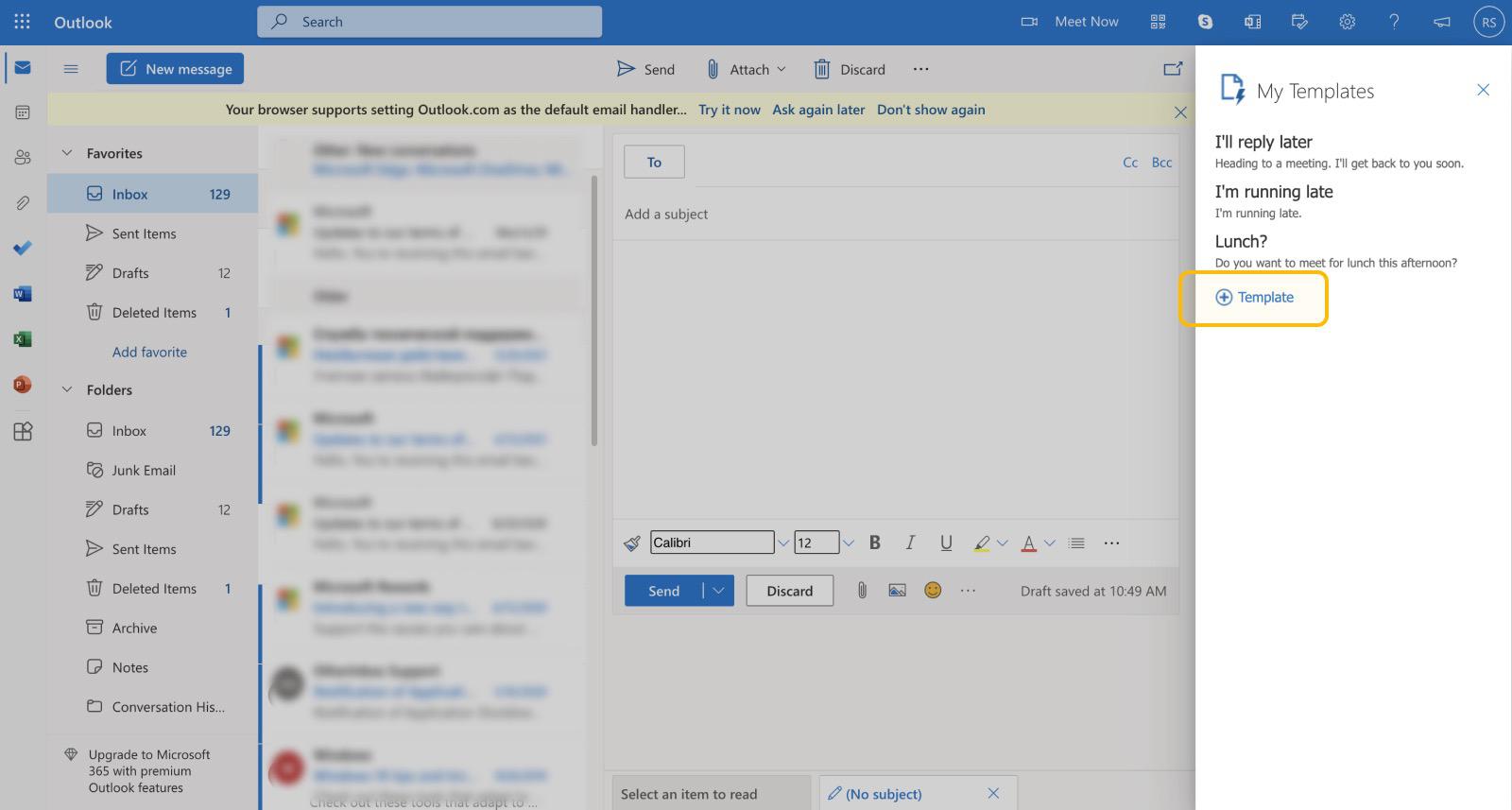
How To Create An Email Template In Outlook And Use It
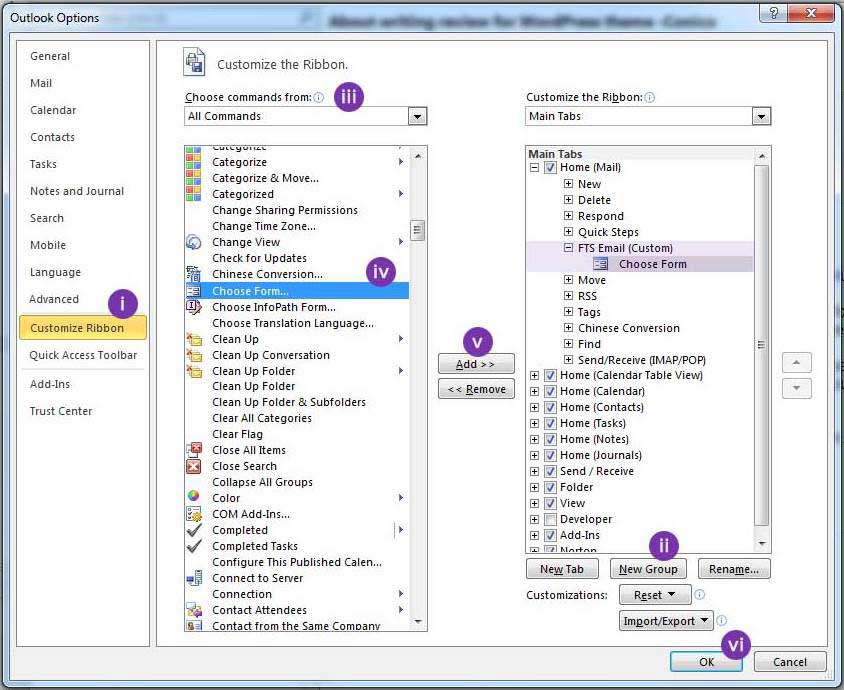
How To Add My Templates To Outlook Ribbon
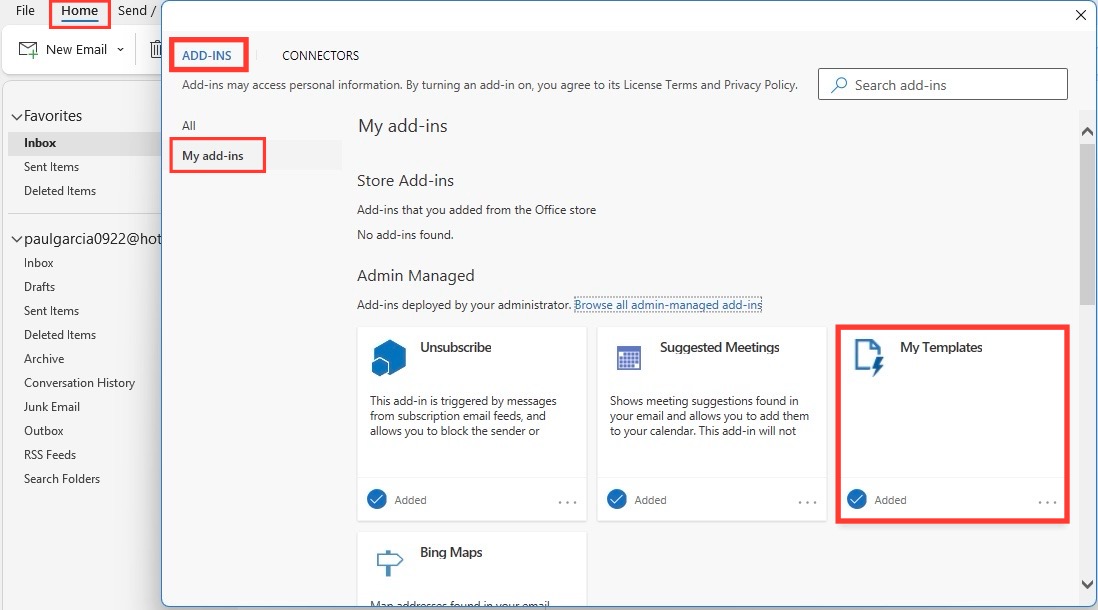
How to Create Outlook Email Templates Step by Step Guide

How to add shortcuts to templates in Ribbon in Outlook?
:max_bytes(150000):strip_icc()/Permissions1-82fdf5d5dec949748238e96c97691dc5.png)
How To Add Folder To Ribbon In Outlook at Brenda Edmonds blog
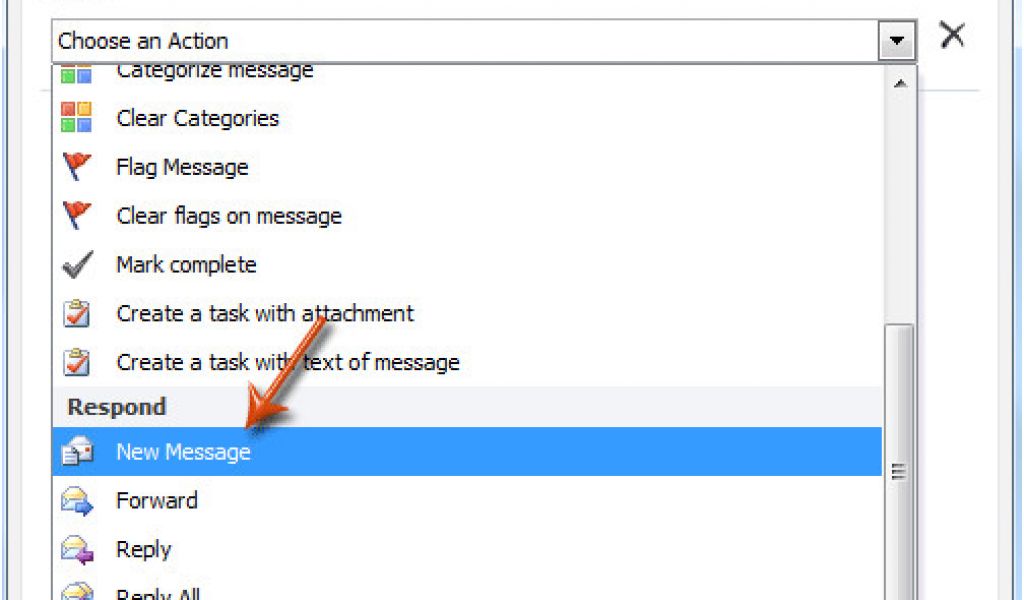
Outlook Quick Step Email Template How to Add Shortcuts to Template In

How To Add A Template To My Templates In Outlook at Charles Mcavoy blog
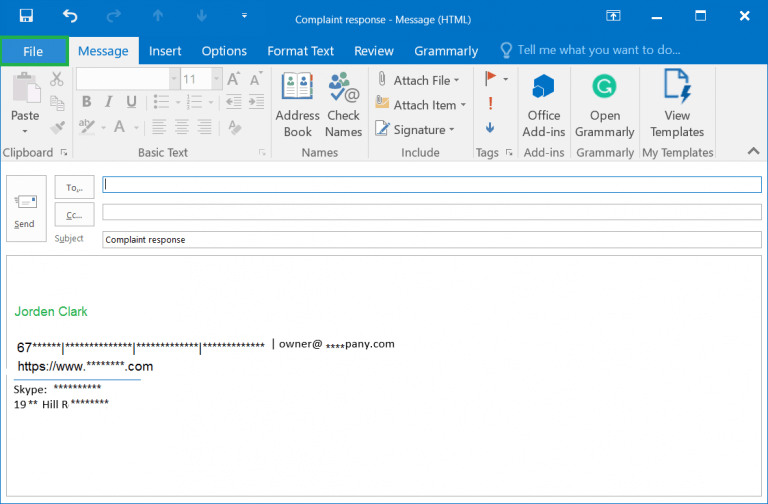
How To Build An Email Template In Outlook
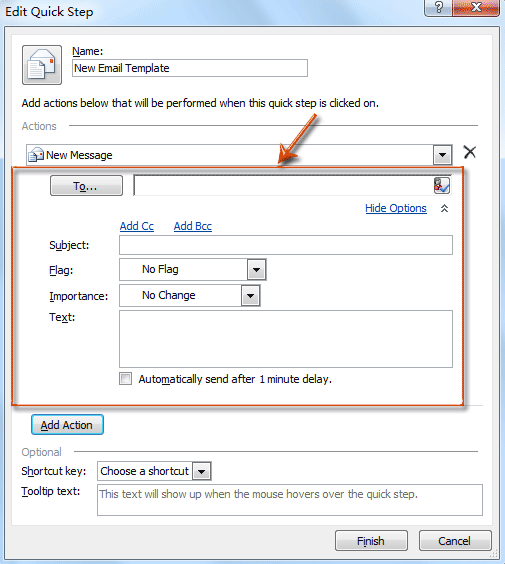
How To Add My Templates To Outlook Ribbon
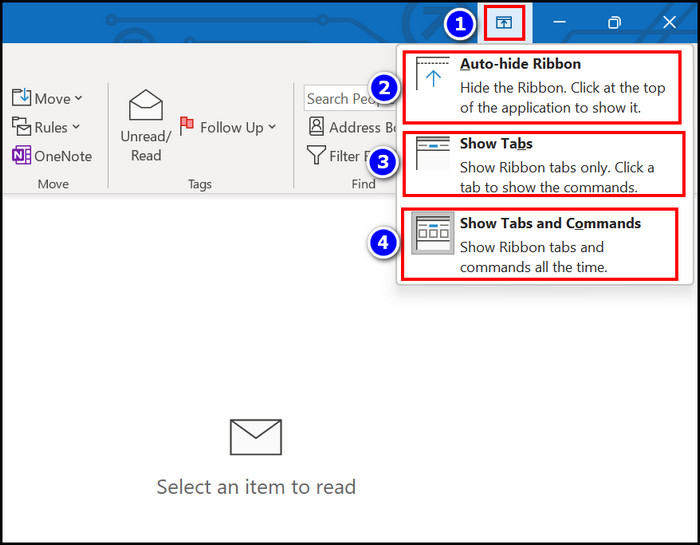
Add Ribbon To Outlook Email Ribbon In Outlook IDSQ
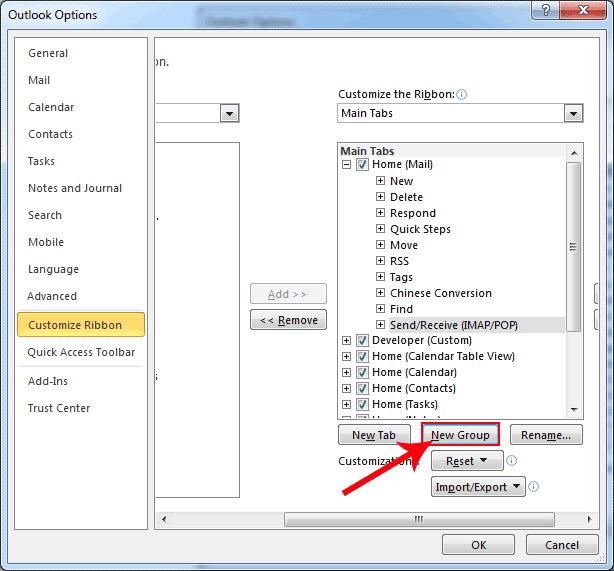
How To Add My Templates To Outlook Ribbon
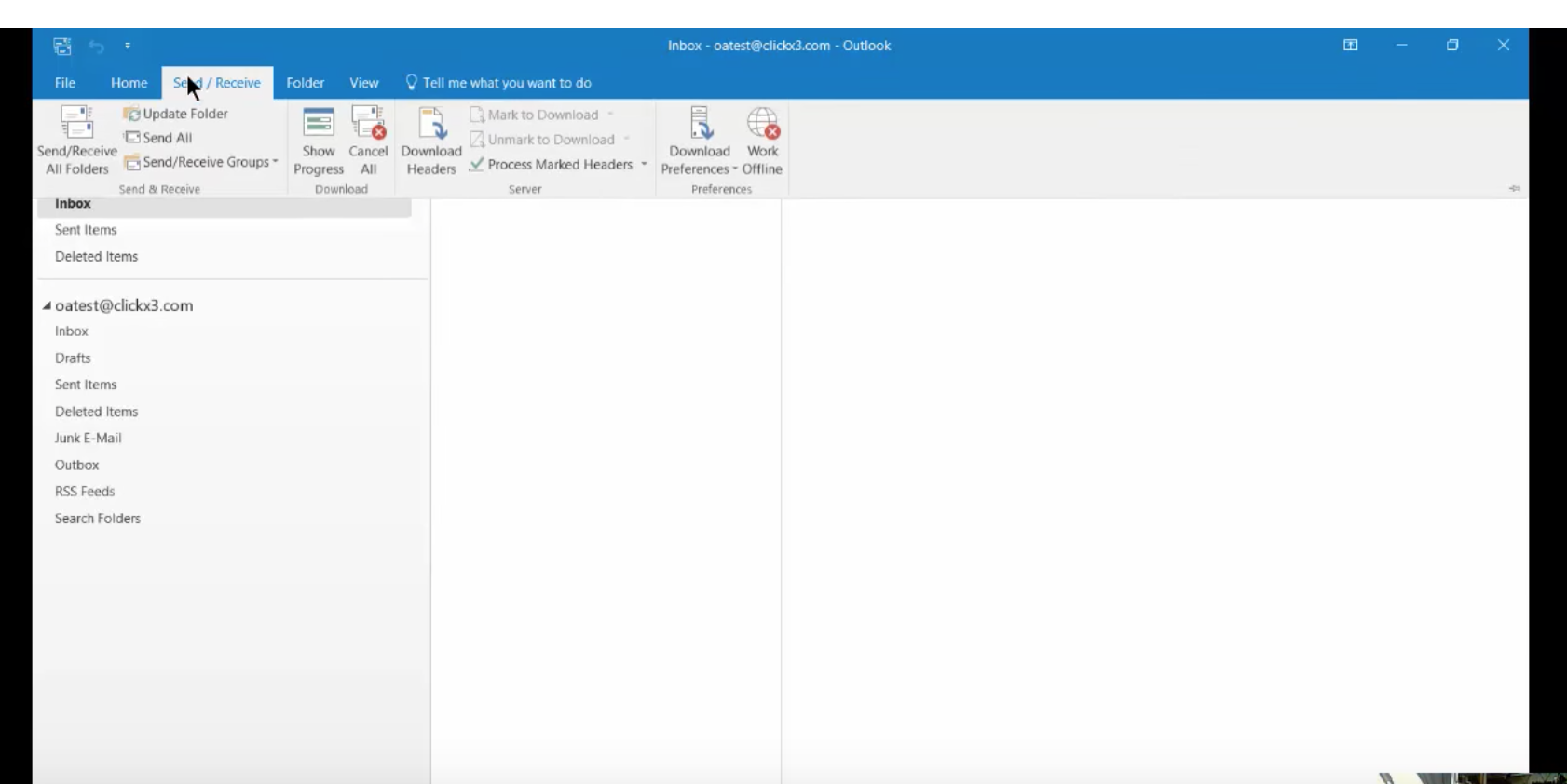
Customize the Ribbon Bar in Microsoft Outlook 2016
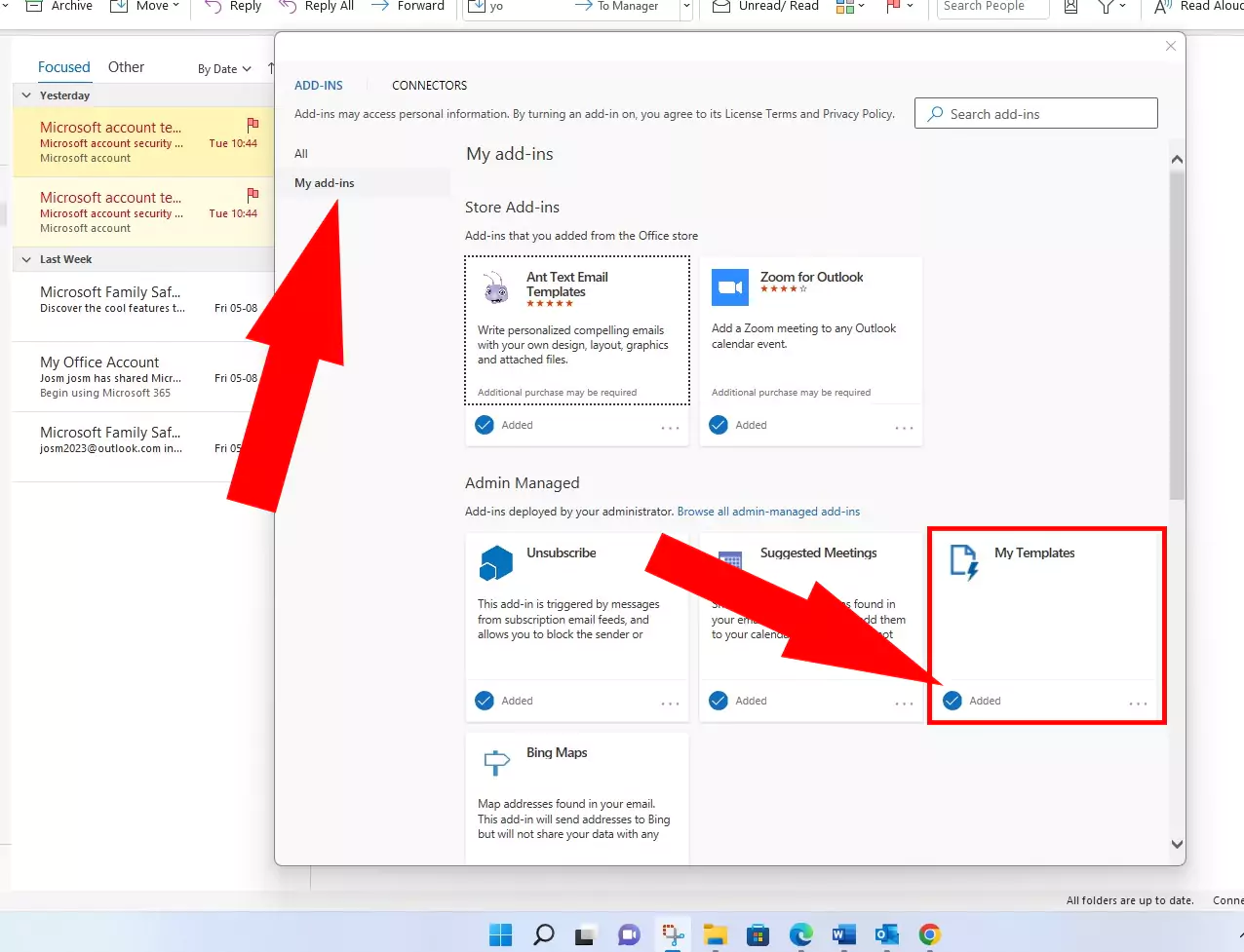
How to Create & Use Email Templates in Outlook (All Devices)

How To Add My Templates To Outlook Ribbon
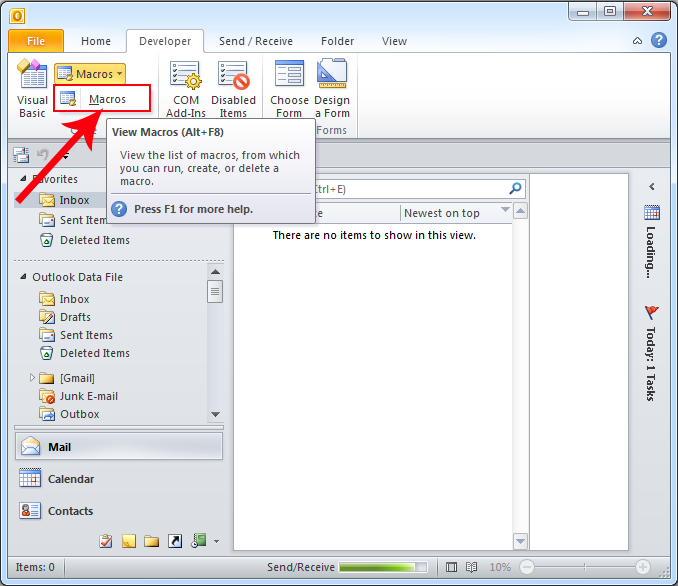
How To Add My Templates To Outlook Ribbon
/outlook-2016-ribbon-59760be26f53ba00109c3e9d.png)
Templates Missing From Outlook Ribbon at Joe Tepper blog
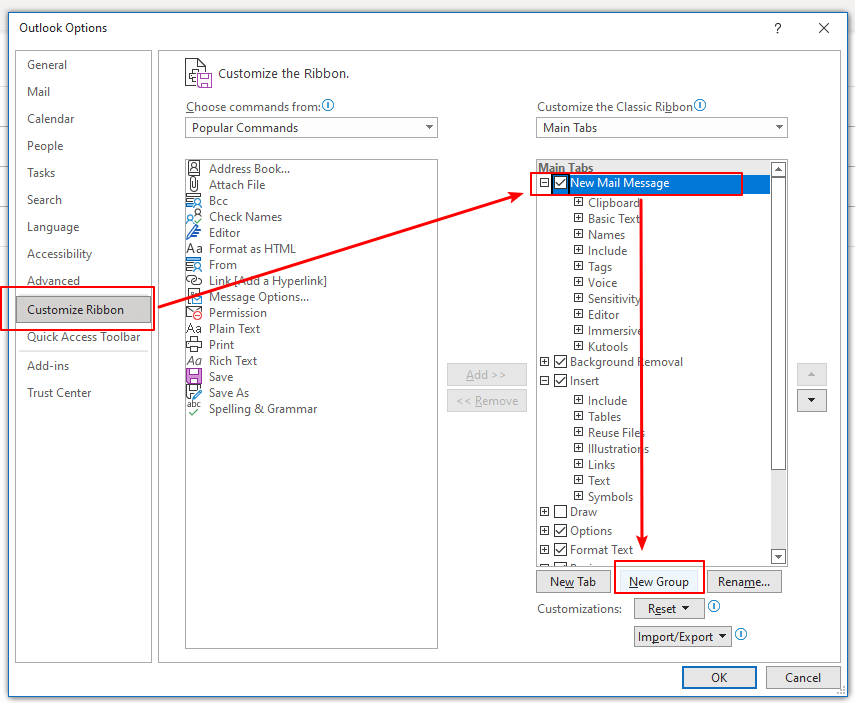
How to Add Quick Parts to Outlook Ribbon?
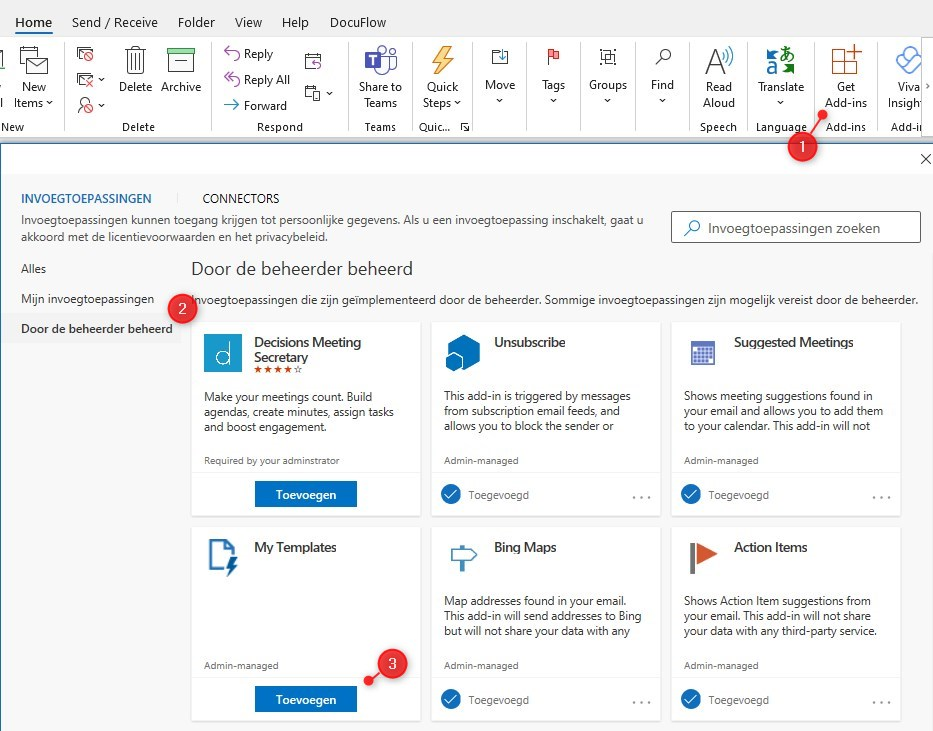
Outlook My Templates Printable
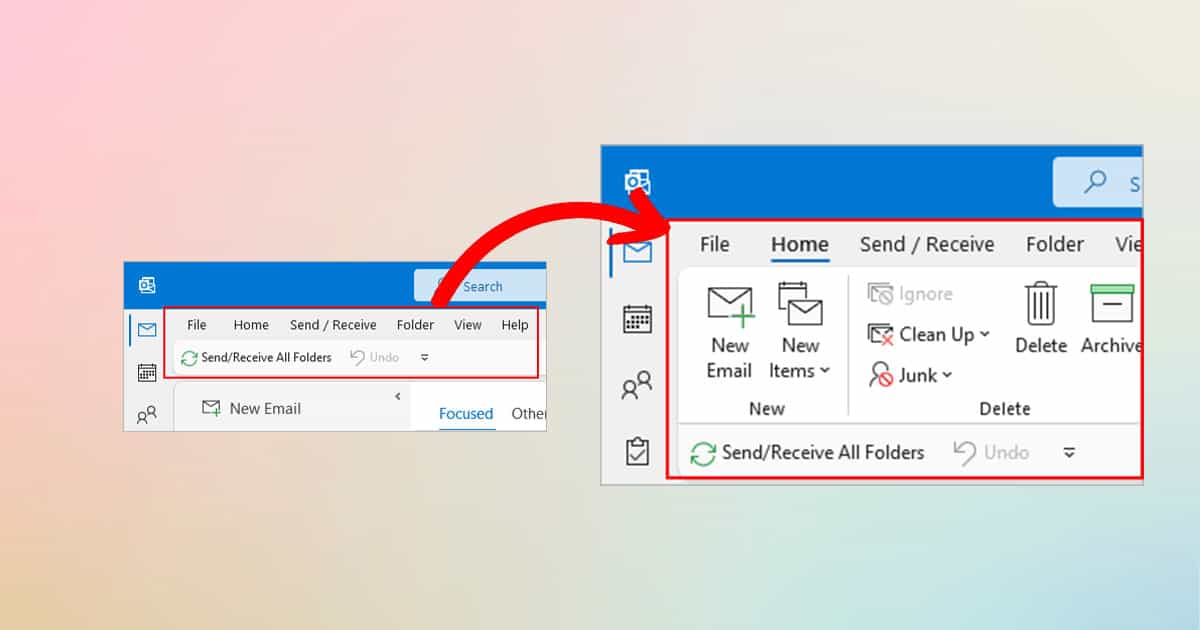
Add Template In Outlook Ribbon at John Massey blog
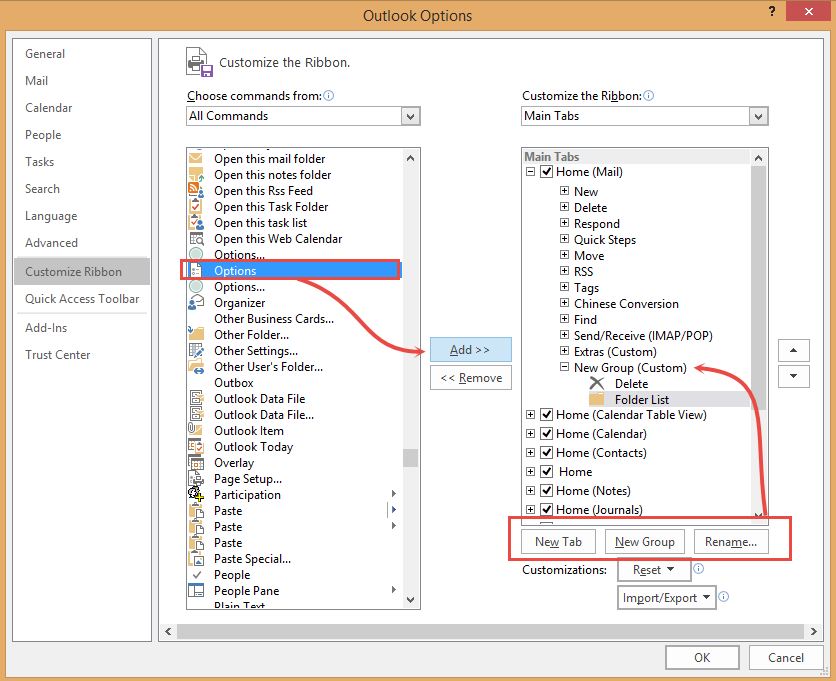
How To Add My Templates To Outlook Ribbon
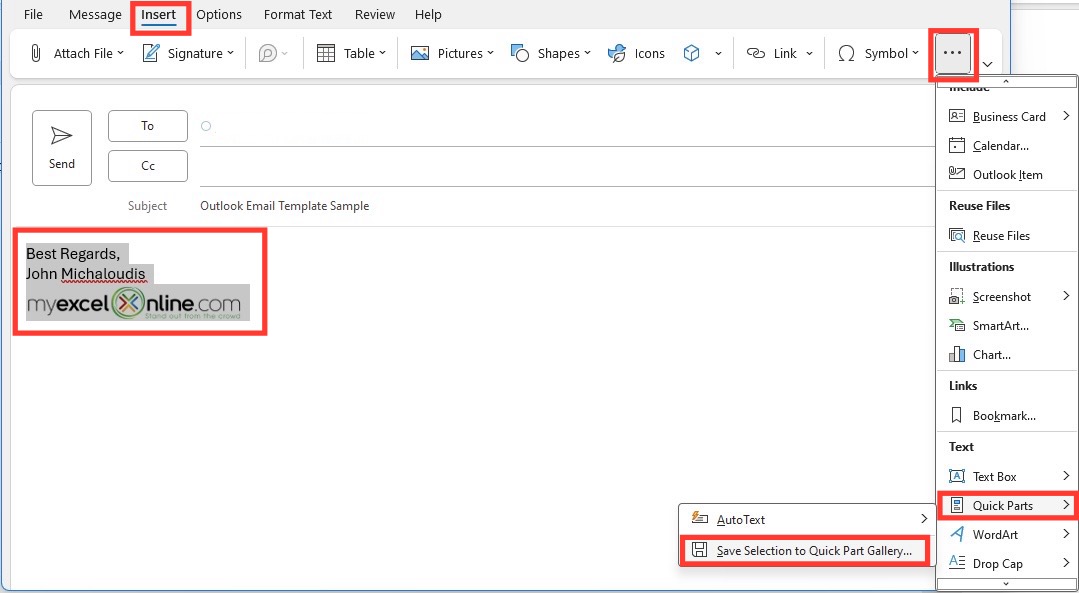
How to Create Outlook Email Templates Step by Step Guide
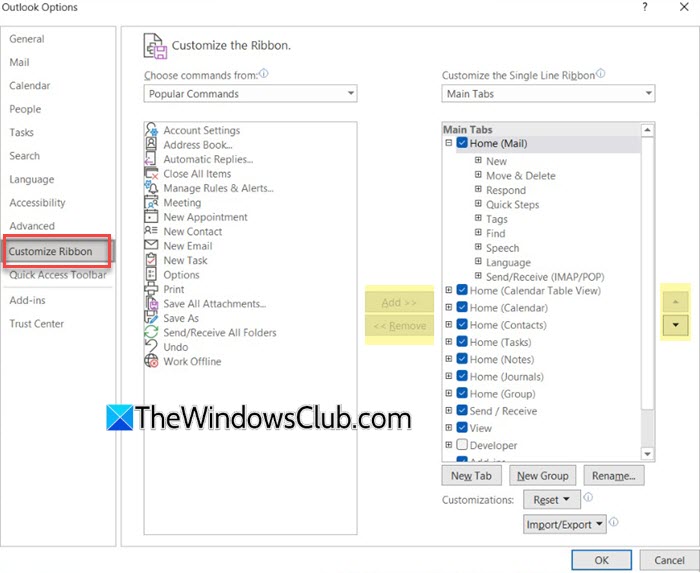
How to customize Outlook ribbon
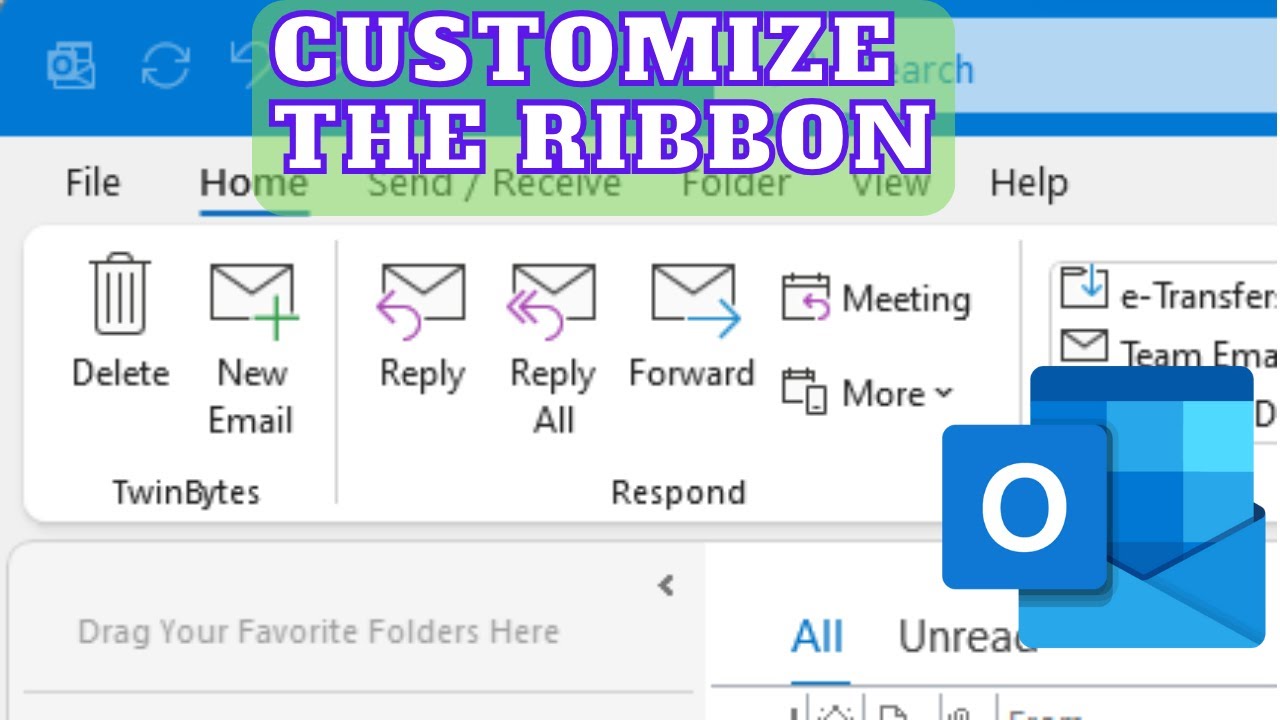
How To Add Icons To Outlook Ribbon at Harold Cheever blog
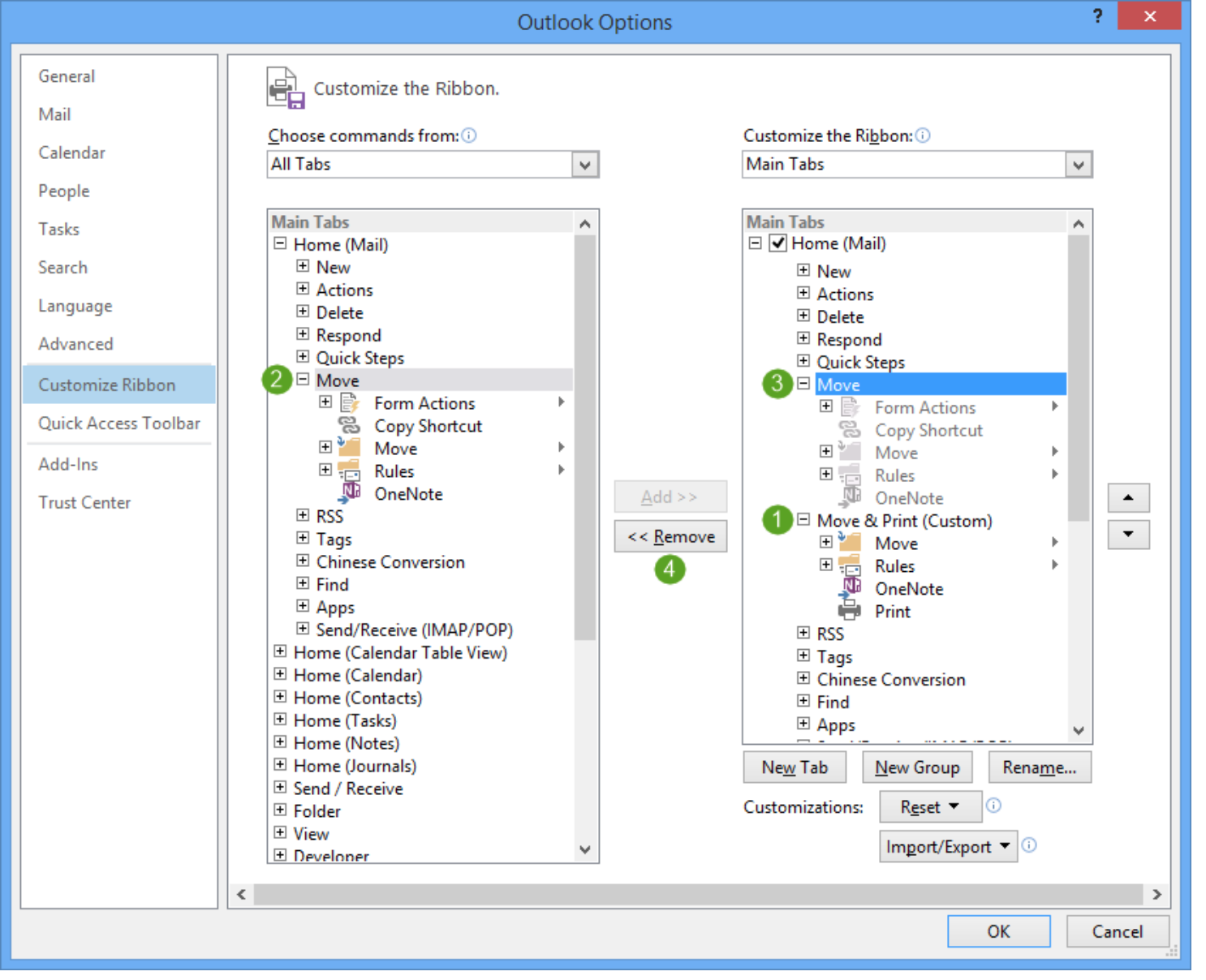
Customize the Ribbon Bar in Microsoft Outlook 2016

Add Template In Outlook Ribbon at John Massey blog
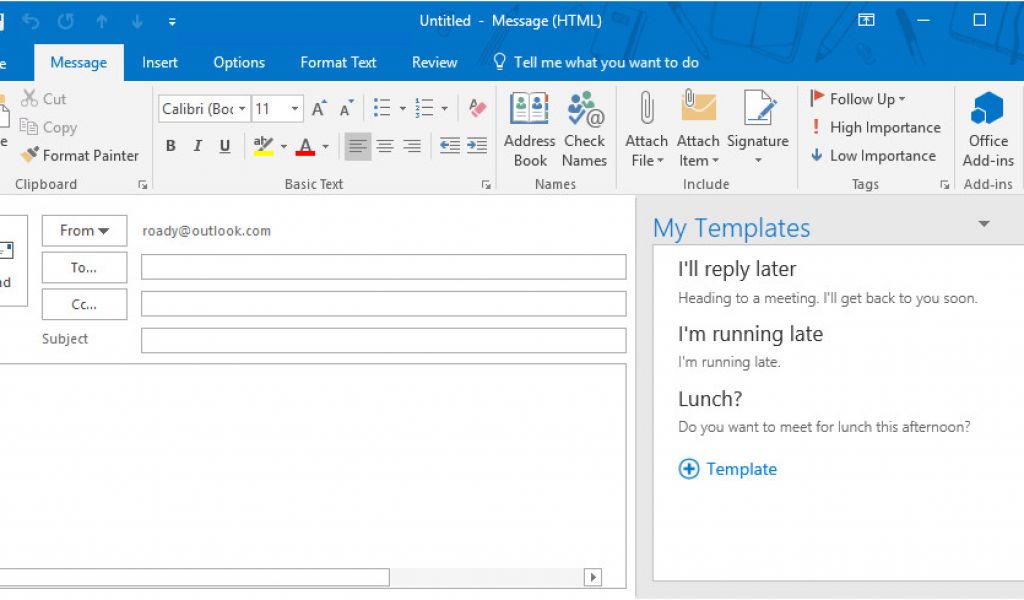
How To Create Email Templates In Outlook
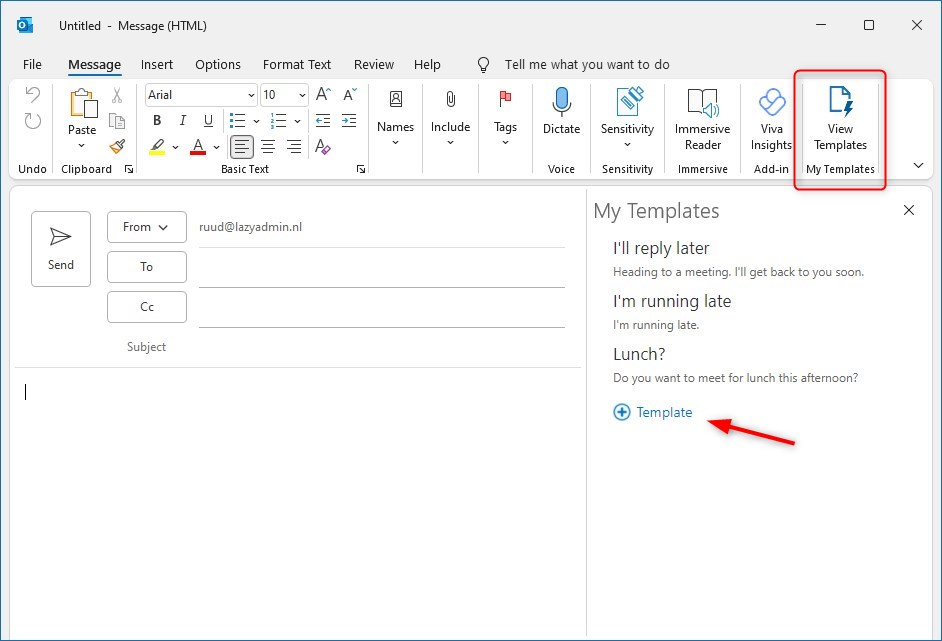
How To Add A Template To My Templates In Outlook Printable Forms Free
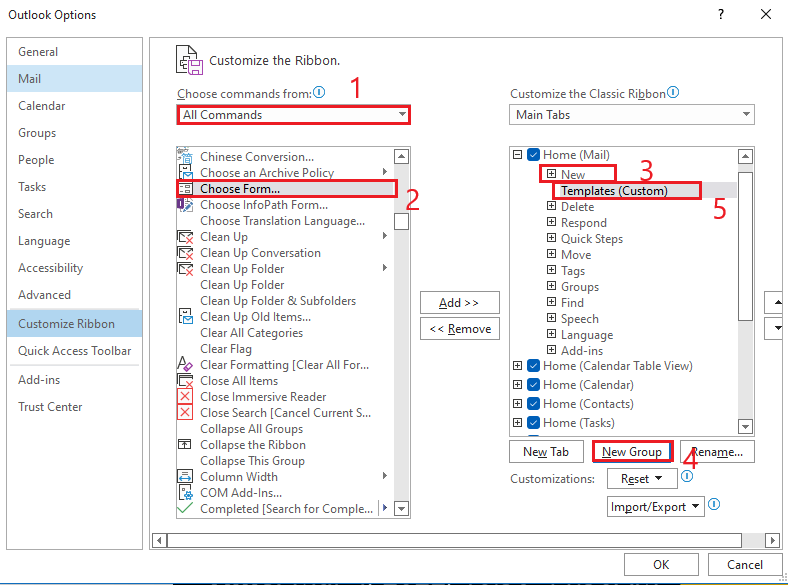
Where Is Open Templates In Outlook Ribbon at Elsie Phillips blog

New Outlook ribbon customize and change from simplified to classic
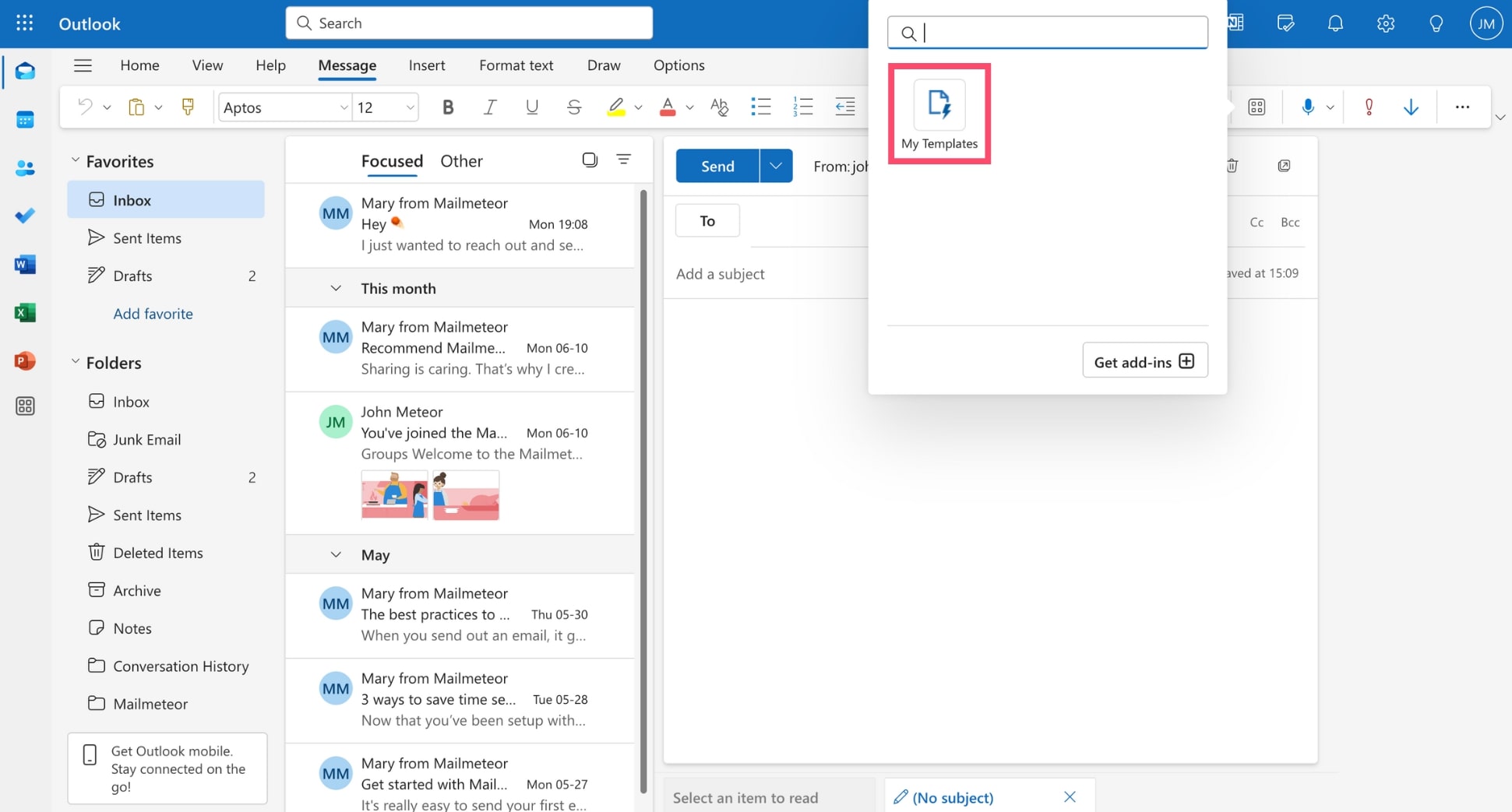
How to Create Email Templates in Outlook (A StepbyStep Guide)
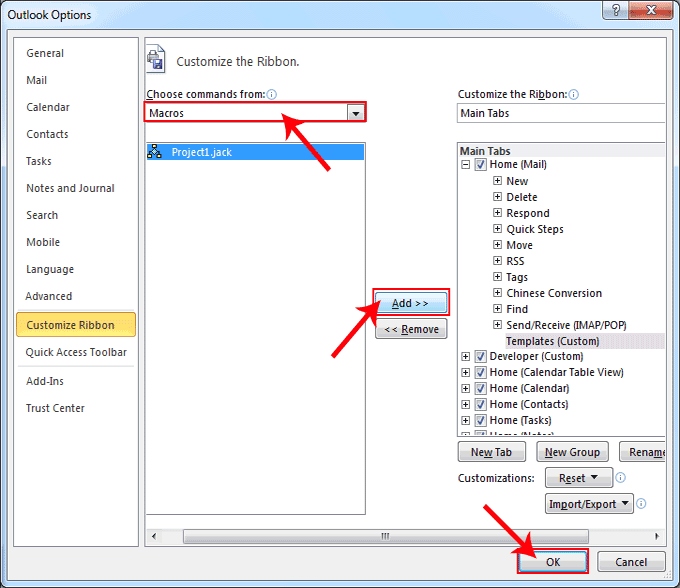
How To Add My Templates To Outlook Ribbon
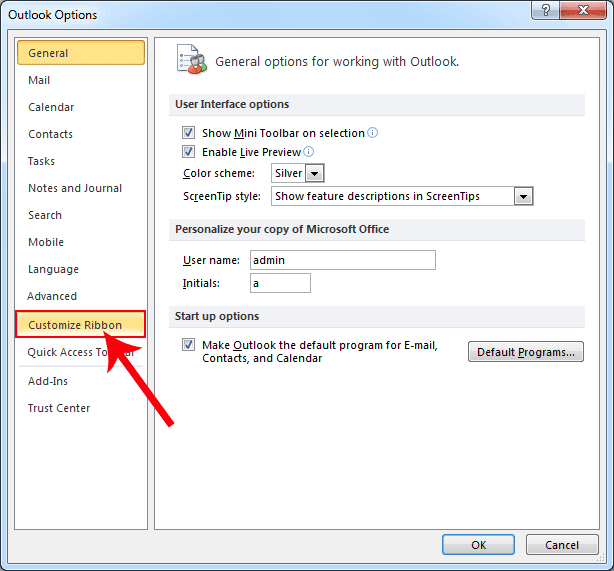
How To Add My Templates To Outlook Ribbon
Understanding The Difference Between Add And Adhd Is Essential For Identifying Symptoms And Exploring Effective Treatments.
Add (Attention Deficit Disorder) Is The Term Commonly Used To Describe A Neurological Condition With Symptoms Of Inattention, Distractibility, And Poor Working Memory.
Read About Adhd, Its Types, Symptoms, Possible Risk Factors, Screening, Treatment, And Cdc's Work.
Related Post: