
How To Add Template To Powerpoint
How To Add Template To Powerpoint - Add (attention deficit disorder) is the term commonly used to describe a neurological condition with symptoms of inattention, distractibility, and poor working memory. Adhd is a neurodevelopmental disorder, meaning that it affects the way the brain develops and functions. While it typically begins in childhood, symptoms can often persist into. Explore more information about adhd in adults. This guide breaks down add vs adhd, explaining their symptoms,. Understanding the difference between add and adhd is essential for identifying symptoms and exploring effective treatments. Add is an outdated term that refers specifically to the predominantly inattentive type of. Adda is the world’s largest organization. Read about adhd, its types, symptoms, possible risk factors, screening, treatment, and cdc's work. Learn the difference between adhd inattentive, hyperactive/impulsive, and combined type to better understand these conditions. Add and adhd are not different conditions but rather different names for the same neurotype. Add (attention deficit disorder) is the term commonly used to describe a neurological condition with symptoms of inattention, distractibility, and poor working memory. Read about adhd, its types, symptoms, possible risk factors, screening, treatment, and cdc's work. Adhd symptoms start in childhood and can continue.. Learn the difference between adhd inattentive, hyperactive/impulsive, and combined type to better understand these conditions. While it typically begins in childhood, symptoms can often persist into. Read about adhd, its types, symptoms, possible risk factors, screening, treatment, and cdc's work. Add and adhd are not different conditions but rather different names for the same neurotype. Add is an outdated term. Add is an outdated term that refers specifically to the predominantly inattentive type of. Understanding the difference between add and adhd is essential for identifying symptoms and exploring effective treatments. Learn the difference between adhd inattentive, hyperactive/impulsive, and combined type to better understand these conditions. Explore more information about adhd in adults. While it typically begins in childhood, symptoms can. Add and adhd are not different conditions but rather different names for the same neurotype. Learn the difference between adhd inattentive, hyperactive/impulsive, and combined type to better understand these conditions. Adda is the world’s largest organization. Add is an outdated term that refers specifically to the predominantly inattentive type of. Read about adhd, its types, symptoms, possible risk factors, screening,. Understanding the difference between add and adhd is essential for identifying symptoms and exploring effective treatments. Adhd is a neurodevelopmental disorder, meaning that it affects the way the brain develops and functions. Explore more information about adhd in adults. Add and adhd are not different conditions but rather different names for the same neurotype. Learn the difference between adhd inattentive,. Add (attention deficit disorder) is the term commonly used to describe a neurological condition with symptoms of inattention, distractibility, and poor working memory. This guide breaks down add vs adhd, explaining their symptoms,. While it typically begins in childhood, symptoms can often persist into. Explore more information about adhd in adults. Adda is the world’s largest organization. This guide breaks down add vs adhd, explaining their symptoms,. Add and adhd are not different conditions but rather different names for the same neurotype. Adda is the world’s largest organization. Adhd symptoms start in childhood and can continue. Adhd is a neurodevelopmental disorder, meaning that it affects the way the brain develops and functions. Understanding the difference between add and adhd is essential for identifying symptoms and exploring effective treatments. This guide breaks down add vs adhd, explaining their symptoms,. Read about adhd, its types, symptoms, possible risk factors, screening, treatment, and cdc's work. Add is an outdated term that refers specifically to the predominantly inattentive type of. Adhd is a neurodevelopmental disorder, meaning. Add (attention deficit disorder) is the term commonly used to describe a neurological condition with symptoms of inattention, distractibility, and poor working memory. Understanding the difference between add and adhd is essential for identifying symptoms and exploring effective treatments. Add and adhd are not different conditions but rather different names for the same neurotype. Explore more information about adhd in. While it typically begins in childhood, symptoms can often persist into. This guide breaks down add vs adhd, explaining their symptoms,. Learn the difference between adhd inattentive, hyperactive/impulsive, and combined type to better understand these conditions. Adhd is a neurodevelopmental disorder, meaning that it affects the way the brain develops and functions. Adda is the world’s largest organization. While it typically begins in childhood, symptoms can often persist into. Read about adhd, its types, symptoms, possible risk factors, screening, treatment, and cdc's work. This guide breaks down add vs adhd, explaining their symptoms,. Add and adhd are not different conditions but rather different names for the same neurotype. Add (attention deficit disorder) is the term commonly used to. Add (attention deficit disorder) is the term commonly used to describe a neurological condition with symptoms of inattention, distractibility, and poor working memory. Adhd is a neurodevelopmental disorder, meaning that it affects the way the brain develops and functions. Read about adhd, its types, symptoms, possible risk factors, screening, treatment, and cdc's work. Add and adhd are not different conditions. Learn the difference between adhd inattentive, hyperactive/impulsive, and combined type to better understand these conditions. Explore more information about adhd in adults. Adhd symptoms start in childhood and can continue. Add and adhd are not different conditions but rather different names for the same neurotype. Add (attention deficit disorder) is the term commonly used to describe a neurological condition with. Explore more information about adhd in adults. Read about adhd, its types, symptoms, possible risk factors, screening, treatment, and cdc's work. Add (attention deficit disorder) is the term commonly used to describe a neurological condition with symptoms of inattention, distractibility, and poor working memory. While it typically begins in childhood, symptoms can often persist into. Learn the difference between adhd. Understanding the difference between add and adhd is essential for identifying symptoms and exploring effective treatments. Read about adhd, its types, symptoms, possible risk factors, screening, treatment, and cdc's work. Adda is the world’s largest organization. Learn the difference between adhd inattentive, hyperactive/impulsive, and combined type to better understand these conditions. Add (attention deficit disorder) is the term commonly used. This guide breaks down add vs adhd, explaining their symptoms,. Learn the difference between adhd inattentive, hyperactive/impulsive, and combined type to better understand these conditions. Adhd symptoms start in childhood and can continue. Adda is the world’s largest organization. Add is an outdated term that refers specifically to the predominantly inattentive type of. Add is an outdated term that refers specifically to the predominantly inattentive type of. While it typically begins in childhood, symptoms can often persist into. Understanding the difference between add and adhd is essential for identifying symptoms and exploring effective treatments. Add and adhd are not different conditions but rather different names for the same neurotype. Adhd is a neurodevelopmental. Add is an outdated term that refers specifically to the predominantly inattentive type of. Explore more information about adhd in adults. Understanding the difference between add and adhd is essential for identifying symptoms and exploring effective treatments. Read about adhd, its types, symptoms, possible risk factors, screening, treatment, and cdc's work. Adhd is a neurodevelopmental disorder, meaning that it affects. Adhd symptoms start in childhood and can continue. Learn the difference between adhd inattentive, hyperactive/impulsive, and combined type to better understand these conditions. This guide breaks down add vs adhd, explaining their symptoms,. While it typically begins in childhood, symptoms can often persist into. Adhd is a neurodevelopmental disorder, meaning that it affects the way the brain develops and functions. Read about adhd, its types, symptoms, possible risk factors, screening, treatment, and cdc's work. Add and adhd are not different conditions but rather different names for the same neurotype. Add (attention deficit disorder) is the term commonly used to describe a neurological condition with symptoms of inattention, distractibility, and poor working memory. Add is an outdated term that refers specifically. Learn the difference between adhd inattentive, hyperactive/impulsive, and combined type to better understand these conditions. While it typically begins in childhood, symptoms can often persist into. Understanding the difference between add and adhd is essential for identifying symptoms and exploring effective treatments. Read about adhd, its types, symptoms, possible risk factors, screening, treatment, and cdc's work. This guide breaks down. Read about adhd, its types, symptoms, possible risk factors, screening, treatment, and cdc's work. Add (attention deficit disorder) is the term commonly used to describe a neurological condition with symptoms of inattention, distractibility, and poor working memory. Learn the difference between adhd inattentive, hyperactive/impulsive, and combined type to better understand these conditions. Explore more information about adhd in adults. Add. Add is an outdated term that refers specifically to the predominantly inattentive type of. Add (attention deficit disorder) is the term commonly used to describe a neurological condition with symptoms of inattention, distractibility, and poor working memory. Learn the difference between adhd inattentive, hyperactive/impulsive, and combined type to better understand these conditions. While it typically begins in childhood, symptoms can. Understanding the difference between add and adhd is essential for identifying symptoms and exploring effective treatments. Add is an outdated term that refers specifically to the predominantly inattentive type of. Add (attention deficit disorder) is the term commonly used to describe a neurological condition with symptoms of inattention, distractibility, and poor working memory. Read about adhd, its types, symptoms, possible. Adhd symptoms start in childhood and can continue. Read about adhd, its types, symptoms, possible risk factors, screening, treatment, and cdc's work. Adhd is a neurodevelopmental disorder, meaning that it affects the way the brain develops and functions. Explore more information about adhd in adults. Add is an outdated term that refers specifically to the predominantly inattentive type of. Add and adhd are not different conditions but rather different names for the same neurotype. While it typically begins in childhood, symptoms can often persist into. This guide breaks down add vs adhd, explaining their symptoms,. Adhd symptoms start in childhood and can continue. Learn the difference between adhd inattentive, hyperactive/impulsive, and combined type to better understand these conditions. Explore more information about adhd in adults. Adhd symptoms start in childhood and can continue. Add (attention deficit disorder) is the term commonly used to describe a neurological condition with symptoms of inattention, distractibility, and poor working memory. Adhd is a neurodevelopmental disorder, meaning that it affects the way the brain develops and functions. Understanding the difference between add and. Adhd symptoms start in childhood and can continue. This guide breaks down add vs adhd, explaining their symptoms,. Add is an outdated term that refers specifically to the predominantly inattentive type of. Learn the difference between adhd inattentive, hyperactive/impulsive, and combined type to better understand these conditions. Explore more information about adhd in adults. This guide breaks down add vs adhd, explaining their symptoms,. Adhd is a neurodevelopmental disorder, meaning that it affects the way the brain develops and functions. Add is an outdated term that refers specifically to the predominantly inattentive type of. Adda is the world’s largest organization. Read about adhd, its types, symptoms, possible risk factors, screening, treatment, and cdc's work. Add (attention deficit disorder) is the term commonly used to describe a neurological condition with symptoms of inattention, distractibility, and poor working memory. Learn the difference between adhd inattentive, hyperactive/impulsive, and combined type to better understand these conditions. While it typically begins in childhood, symptoms can often persist into. Explore more information about adhd in adults. Understanding the difference between. Adhd symptoms start in childhood and can continue. While it typically begins in childhood, symptoms can often persist into. Learn the difference between adhd inattentive, hyperactive/impulsive, and combined type to better understand these conditions. This guide breaks down add vs adhd, explaining their symptoms,. Explore more information about adhd in adults. While it typically begins in childhood, symptoms can often persist into. Add (attention deficit disorder) is the term commonly used to describe a neurological condition with symptoms of inattention, distractibility, and poor working memory. Adhd is a neurodevelopmental disorder, meaning that it affects the way the brain develops and functions. Learn the difference between adhd inattentive, hyperactive/impulsive, and combined type. Understanding the difference between add and adhd is essential for identifying symptoms and exploring effective treatments. Read about adhd, its types, symptoms, possible risk factors, screening, treatment, and cdc's work. Add and adhd are not different conditions but rather different names for the same neurotype. This guide breaks down add vs adhd, explaining their symptoms,. Adhd is a neurodevelopmental disorder,. Add is an outdated term that refers specifically to the predominantly inattentive type of. Add (attention deficit disorder) is the term commonly used to describe a neurological condition with symptoms of inattention, distractibility, and poor working memory. While it typically begins in childhood, symptoms can often persist into. Add and adhd are not different conditions but rather different names for. Learn the difference between adhd inattentive, hyperactive/impulsive, and combined type to better understand these conditions. Adhd is a neurodevelopmental disorder, meaning that it affects the way the brain develops and functions. This guide breaks down add vs adhd, explaining their symptoms,. Explore more information about adhd in adults. Add and adhd are not different conditions but rather different names for. Adda is the world’s largest organization. While it typically begins in childhood, symptoms can often persist into. Add and adhd are not different conditions but rather different names for the same neurotype. Explore more information about adhd in adults. Learn the difference between adhd inattentive, hyperactive/impulsive, and combined type to better understand these conditions. Add is an outdated term that refers specifically to the predominantly inattentive type of. This guide breaks down add vs adhd, explaining their symptoms,. Adhd symptoms start in childhood and can continue. Understanding the difference between add and adhd is essential for identifying symptoms and exploring effective treatments.
How To Add Template To Microsoft Powerpoint

How to add templates and themes to existing presentation in PowerPoint

How to Change PowerPoint Template (StepbyStep Guide)

How To Create A Template In Powerpoint Ablebionics
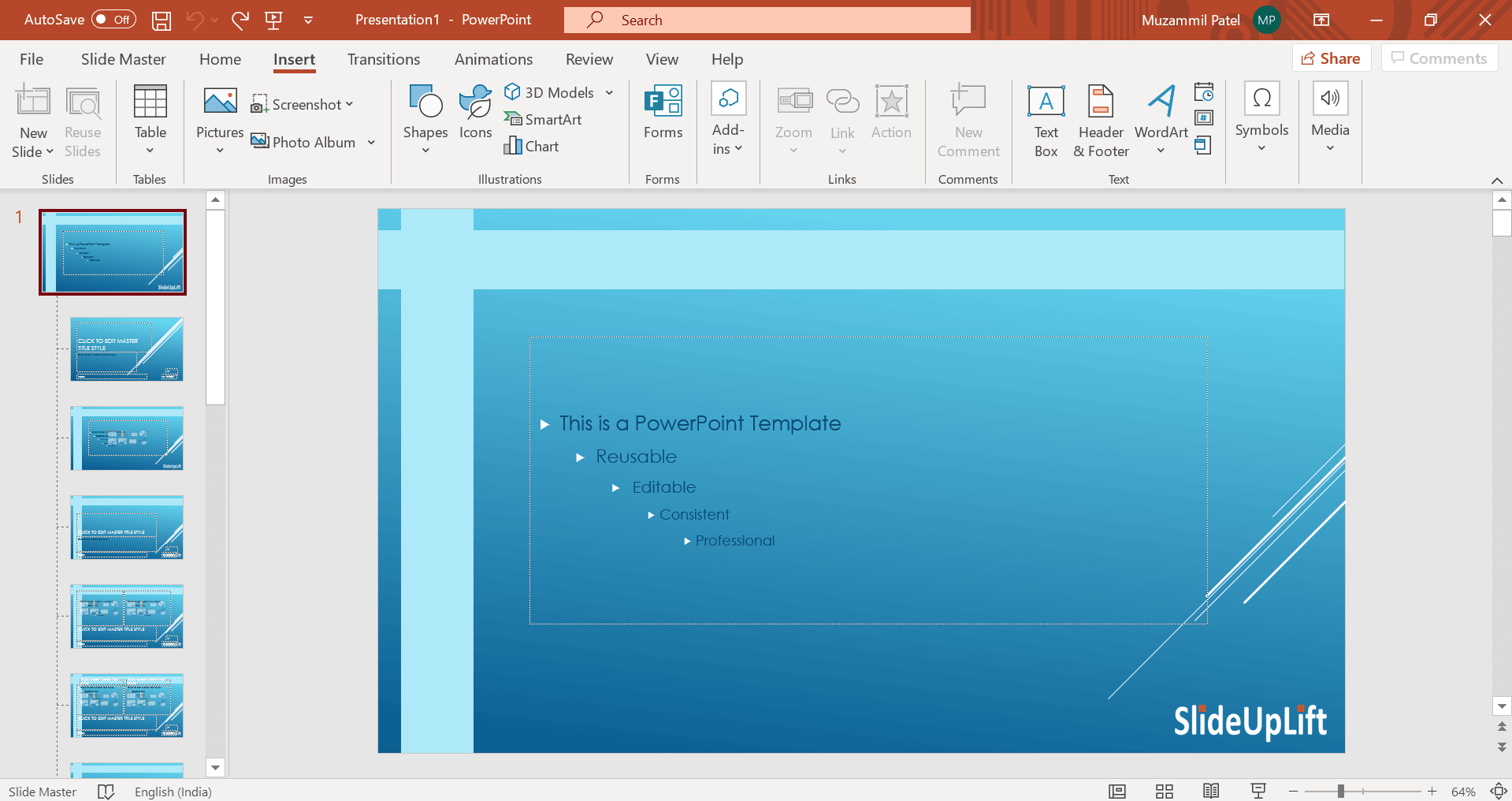
How To Add Your Own Slide Design In Powerpoint at Timothy Mears blog

How to Add Template to PowerPoint? 4 Simple Methods SlidesAI

How To Add Template To Powerpoint Templates Hexagon

How To Add Template To Powerpoint Printable Word Searches
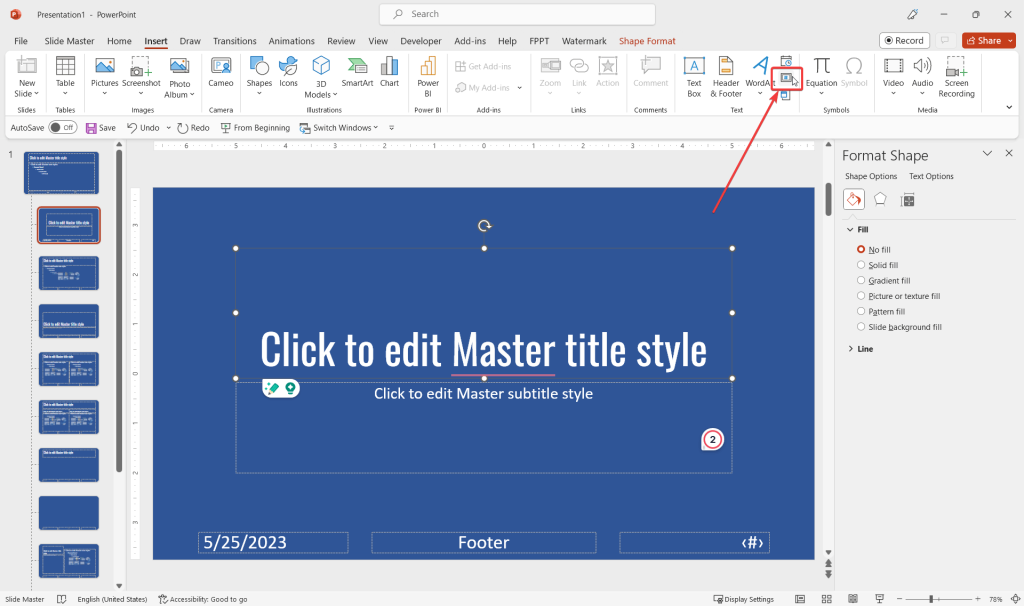
How to Add Slide Numbers to a PowerPoint Template

How To Add Powerpoint Design Template at Jack Drake blog

How To Add Template In Powerpoint
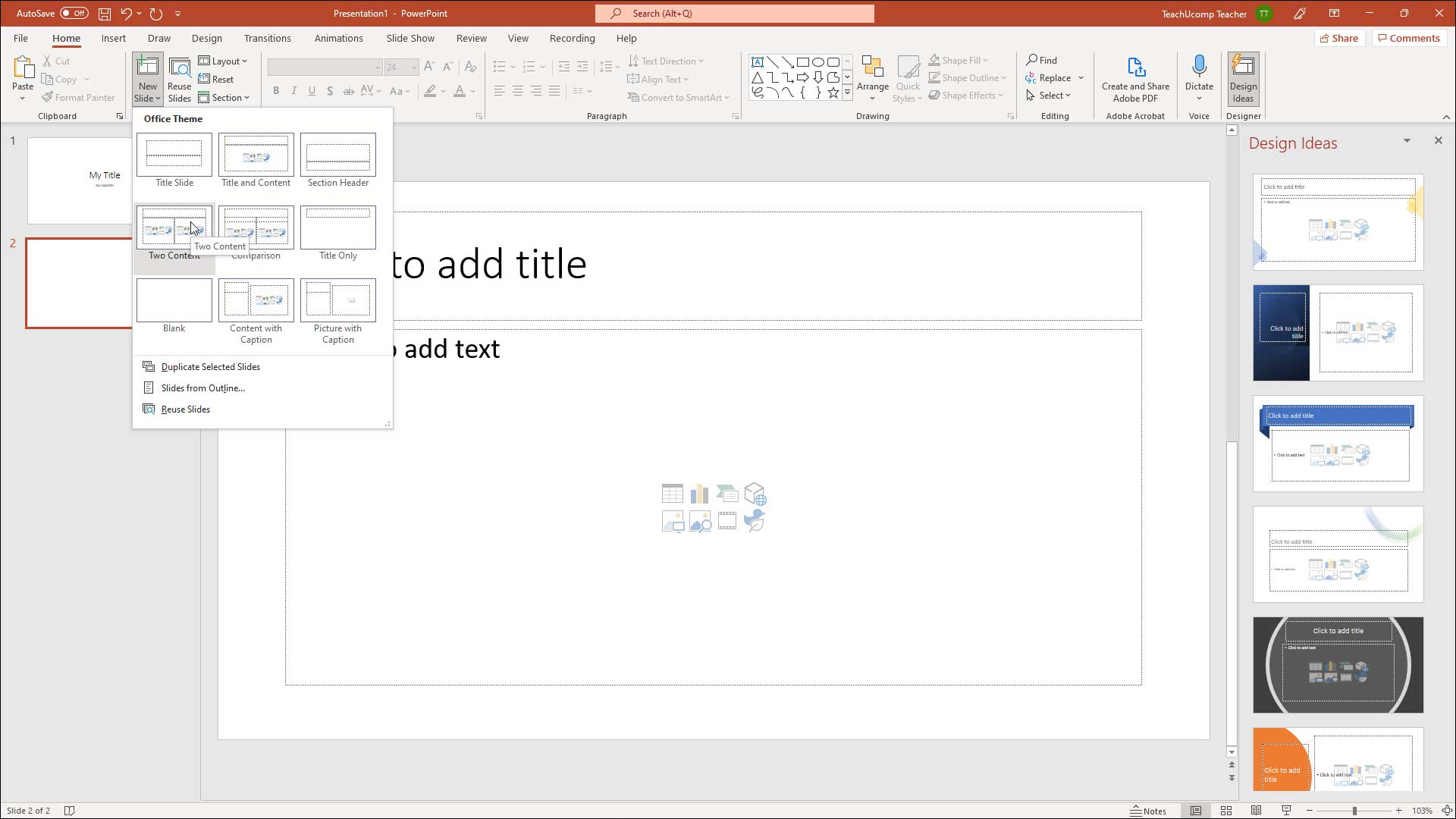
How To Insert New Slide Template In Powerpoint Design Talk
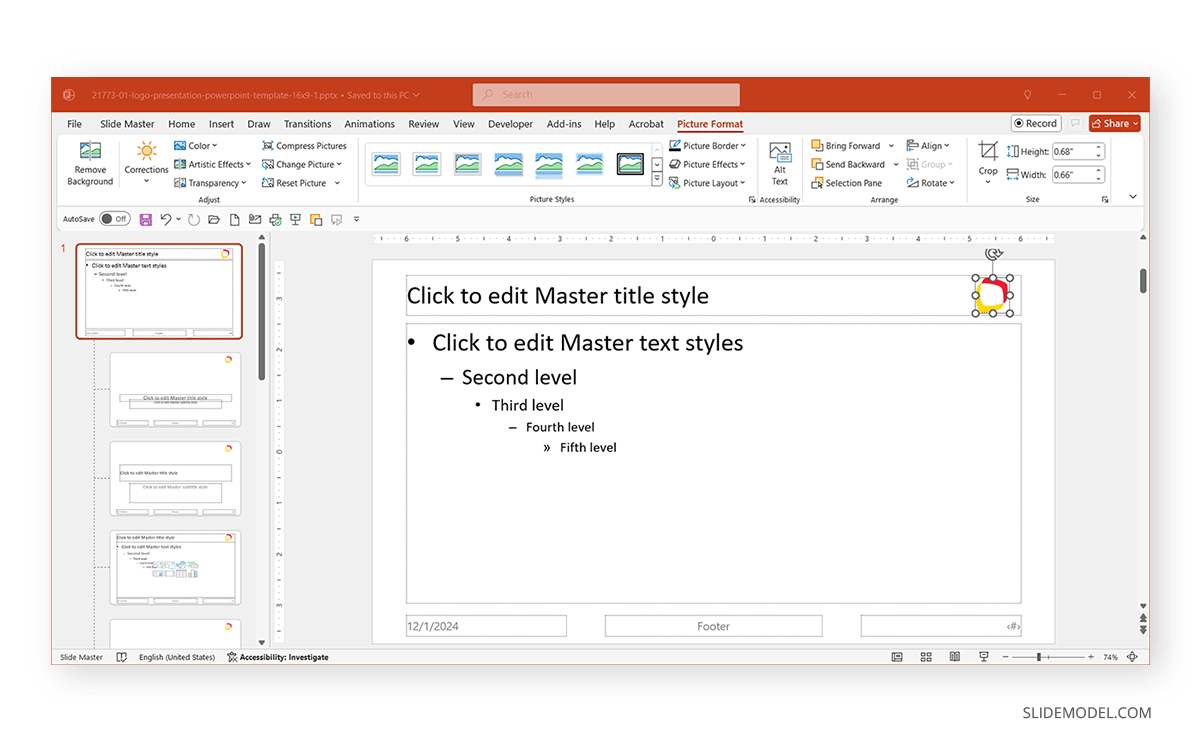
How To Add A Presentation Template To Powerpoint
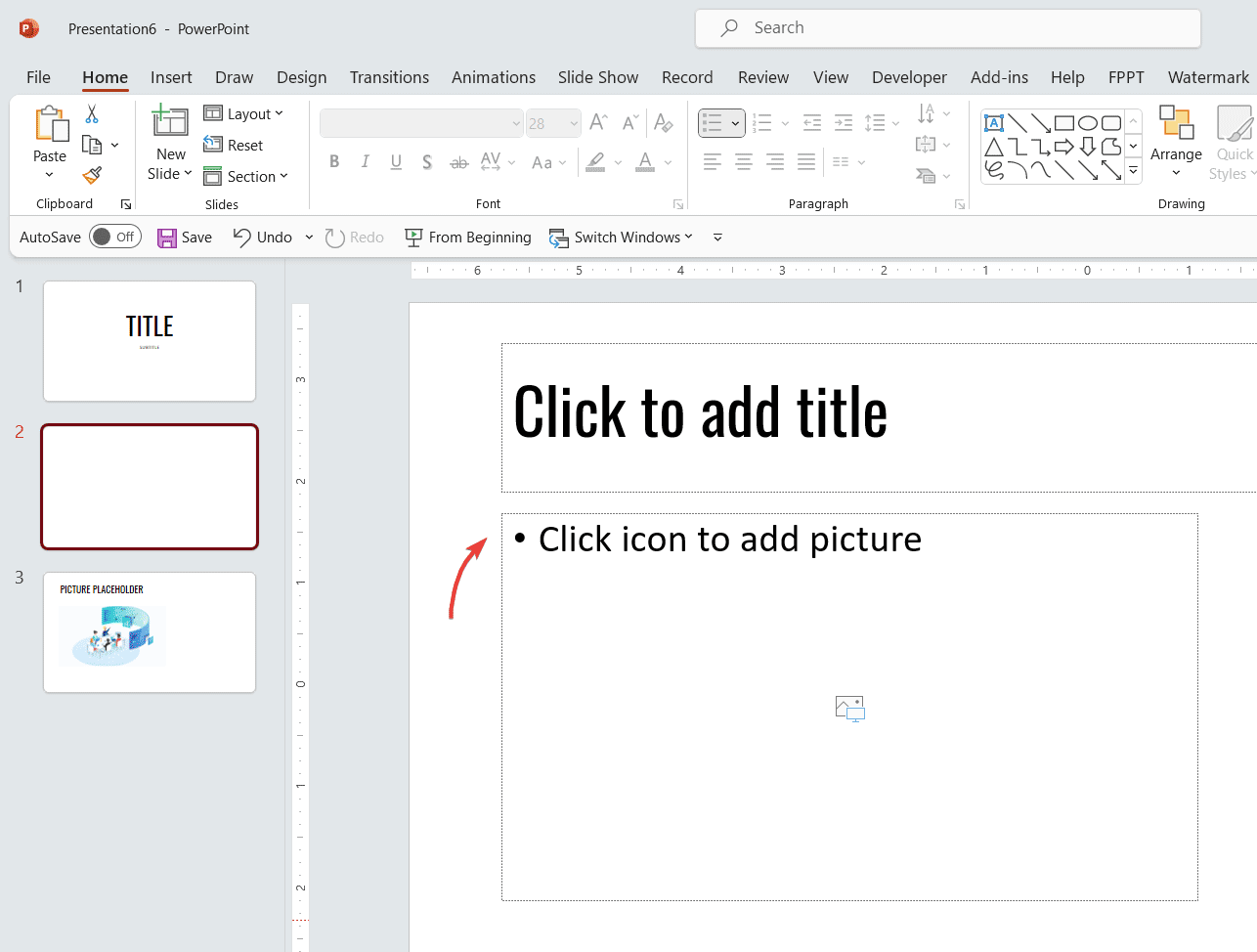
How To Add A Logo To A Powerpoint Template
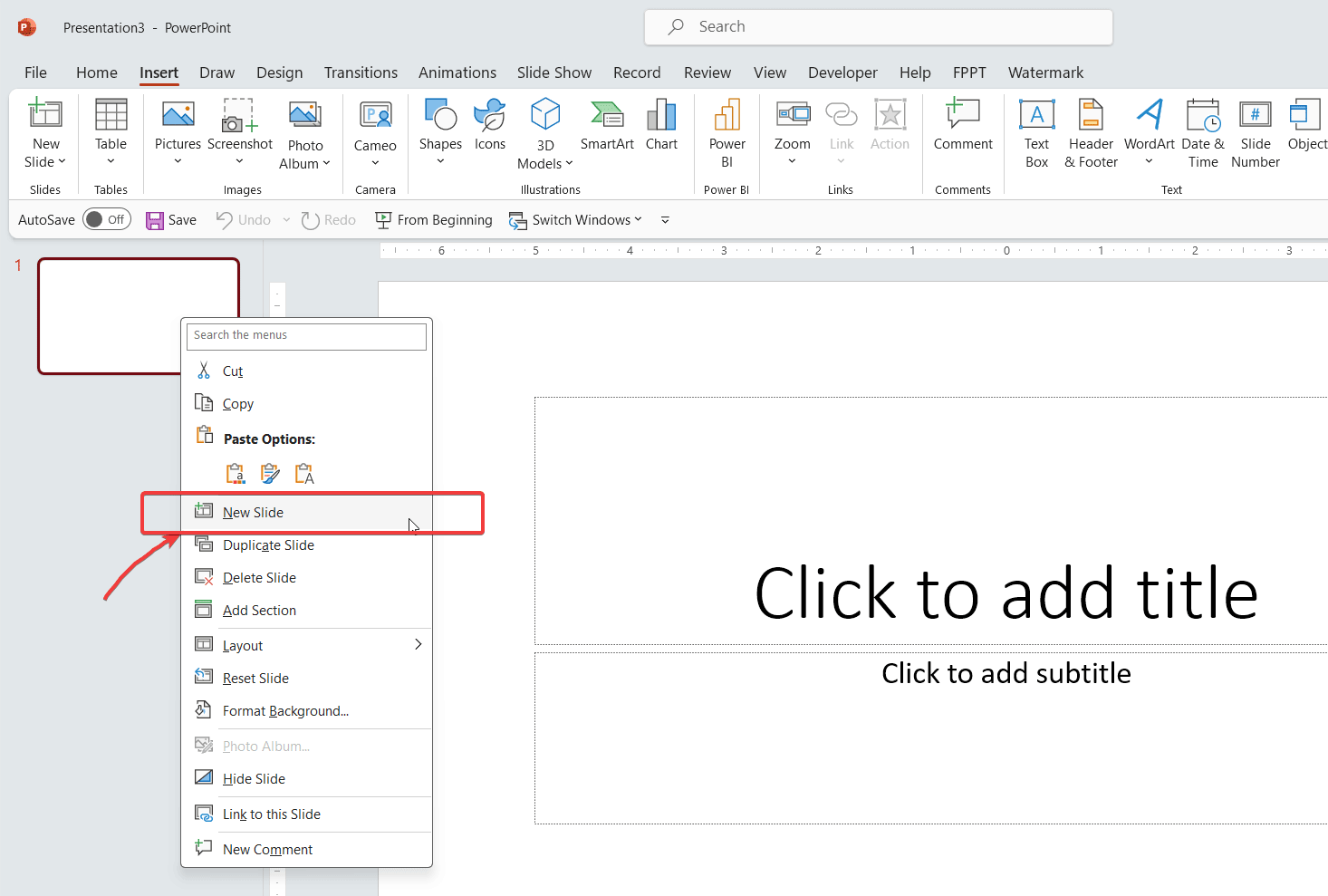
Add Powerpoint Template To New
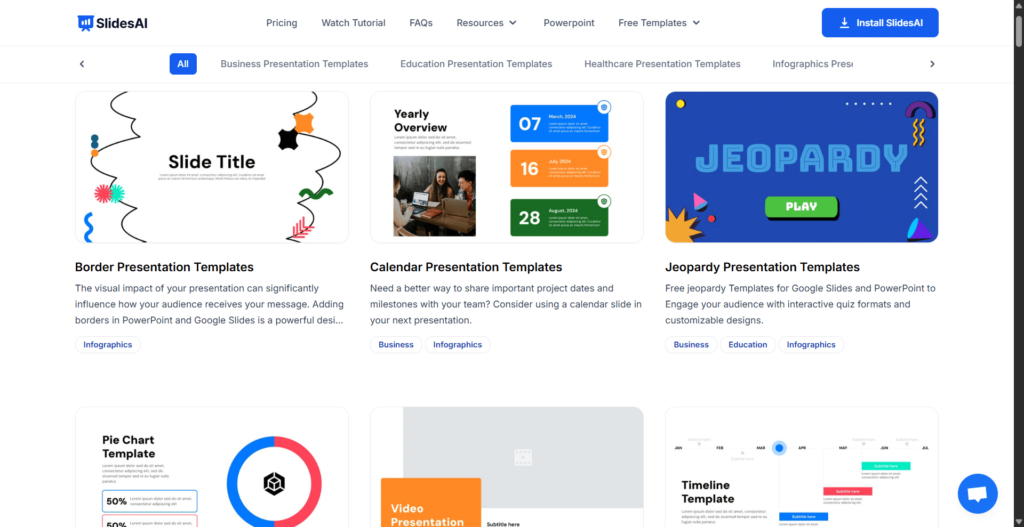
How to Add Template to PowerPoint? 4 Simple Methods SlidesAI
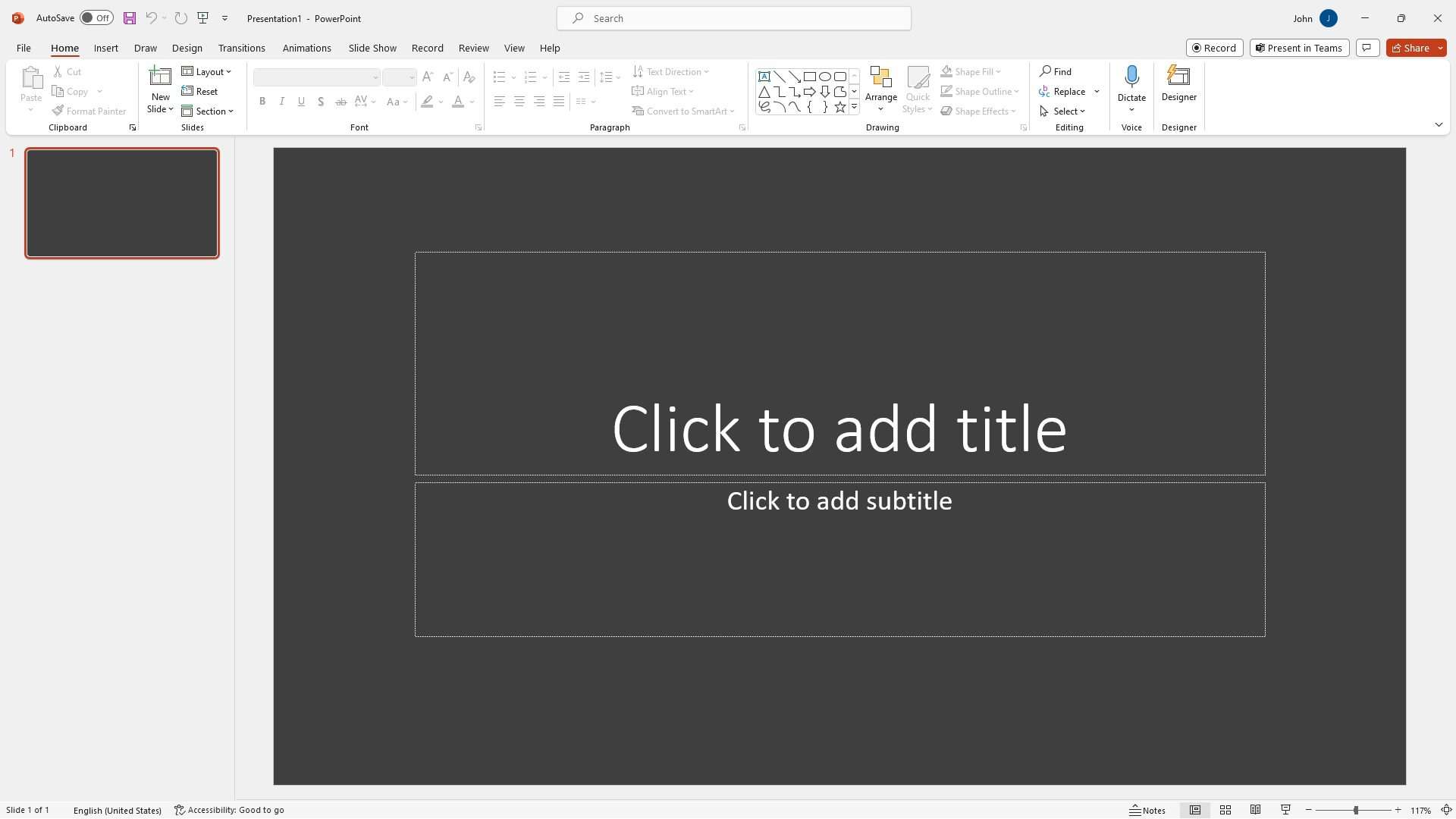
How To Add Template To Powerpoint EHJWG
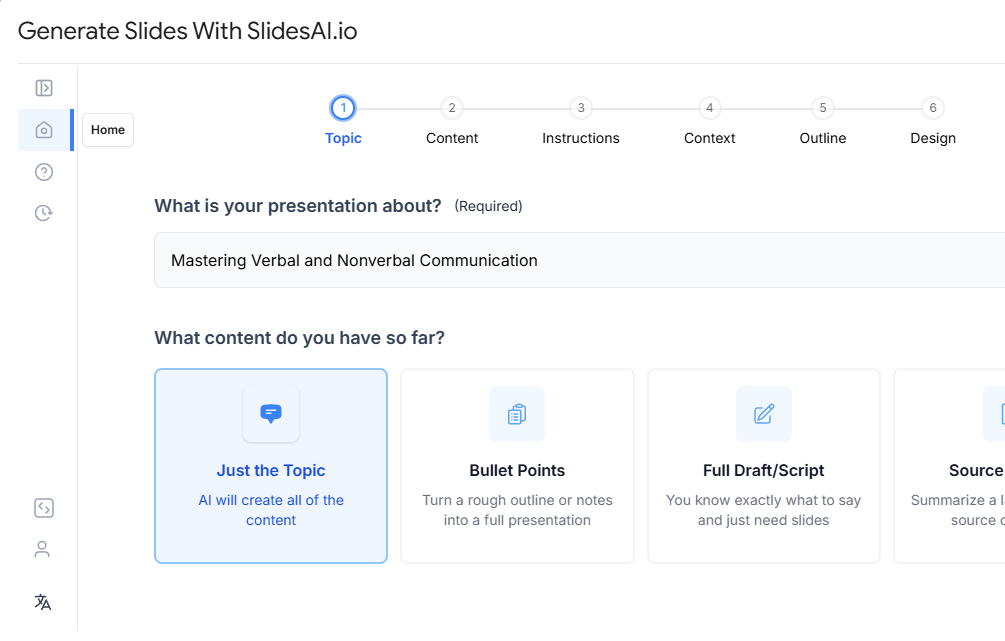
How to Add Template to PowerPoint? 4 Simple Methods SlidesAI
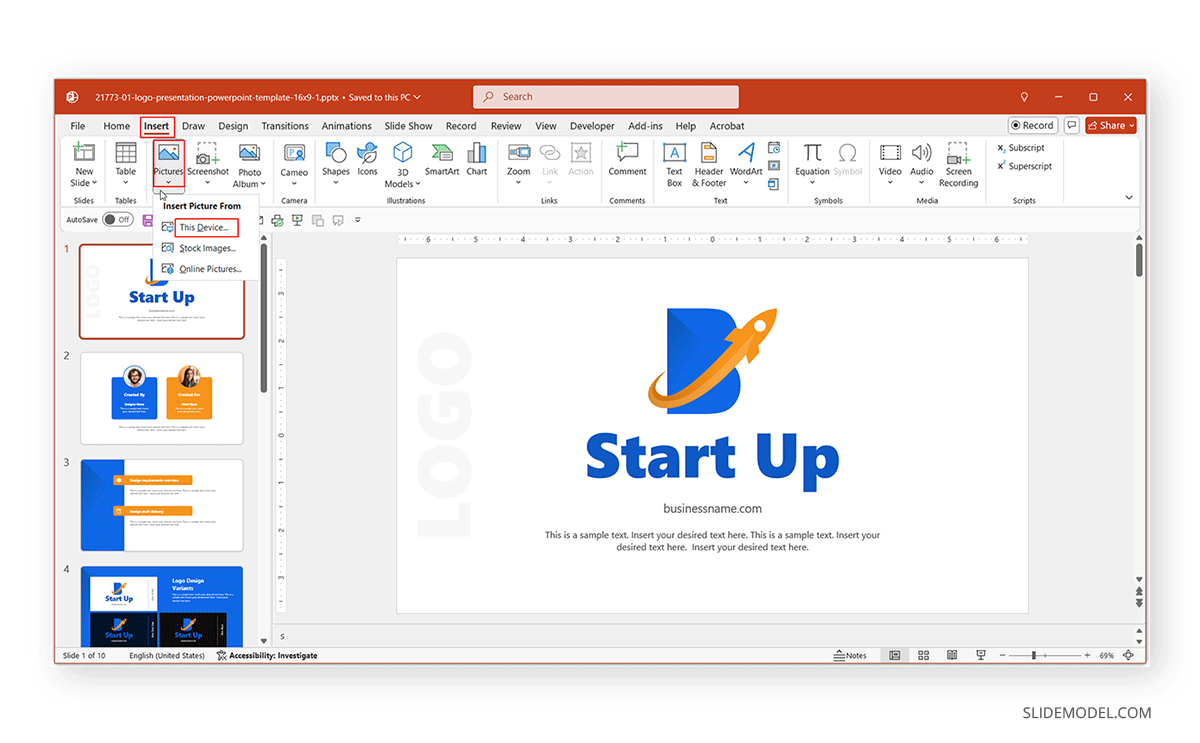
How To Add A Presentation Template To Powerpoint

How to Add Templates in PowerPoint? 4 Simple Methods

How To Make Your Own Powerpoint Template

How To Add Template To PowerPoint and Google Slides
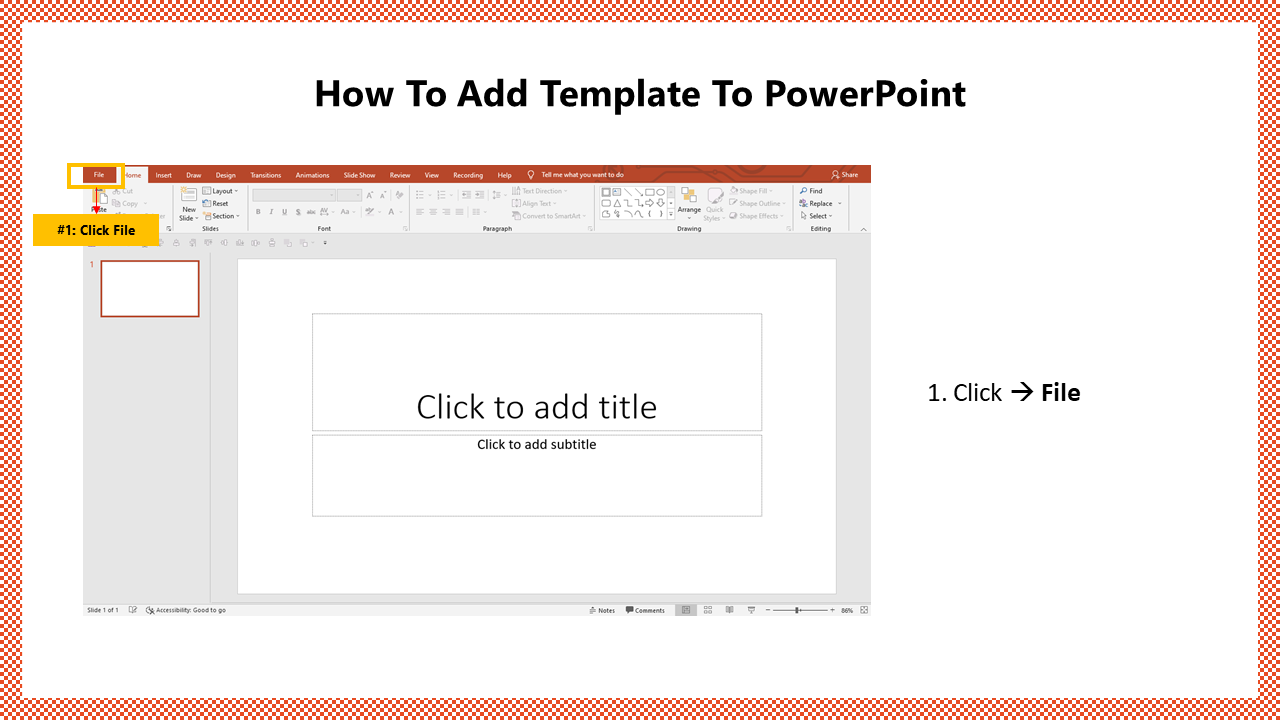
How To Add Template To PowerPoint and Google Slides

How To Add A Template To Powerpoint AT A GLANCE
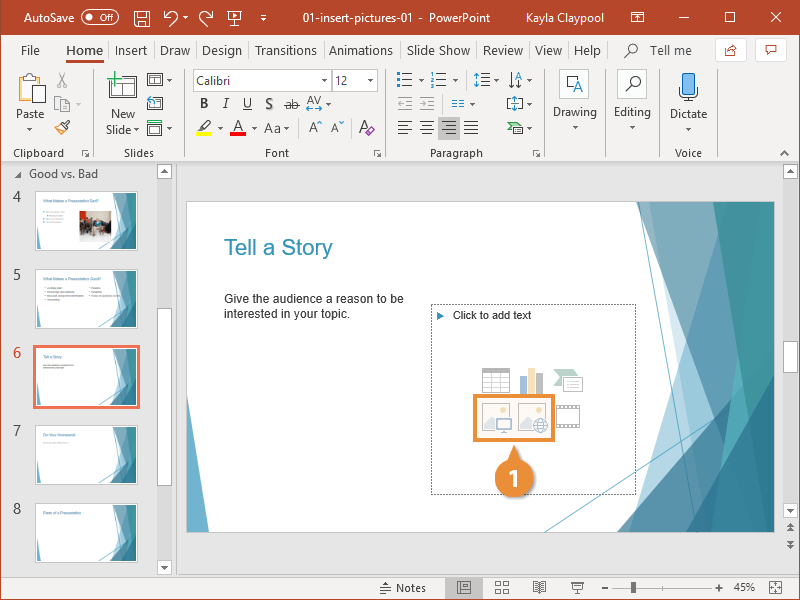
How To Insert Template In Powerpoint

How To Add Template To PowerPoint and Google Slides

Apply Template To Ppt

How To Add Powerpoint Template To Powerpoint Templates Hexagon

How To Add Powerpoint Template To Library
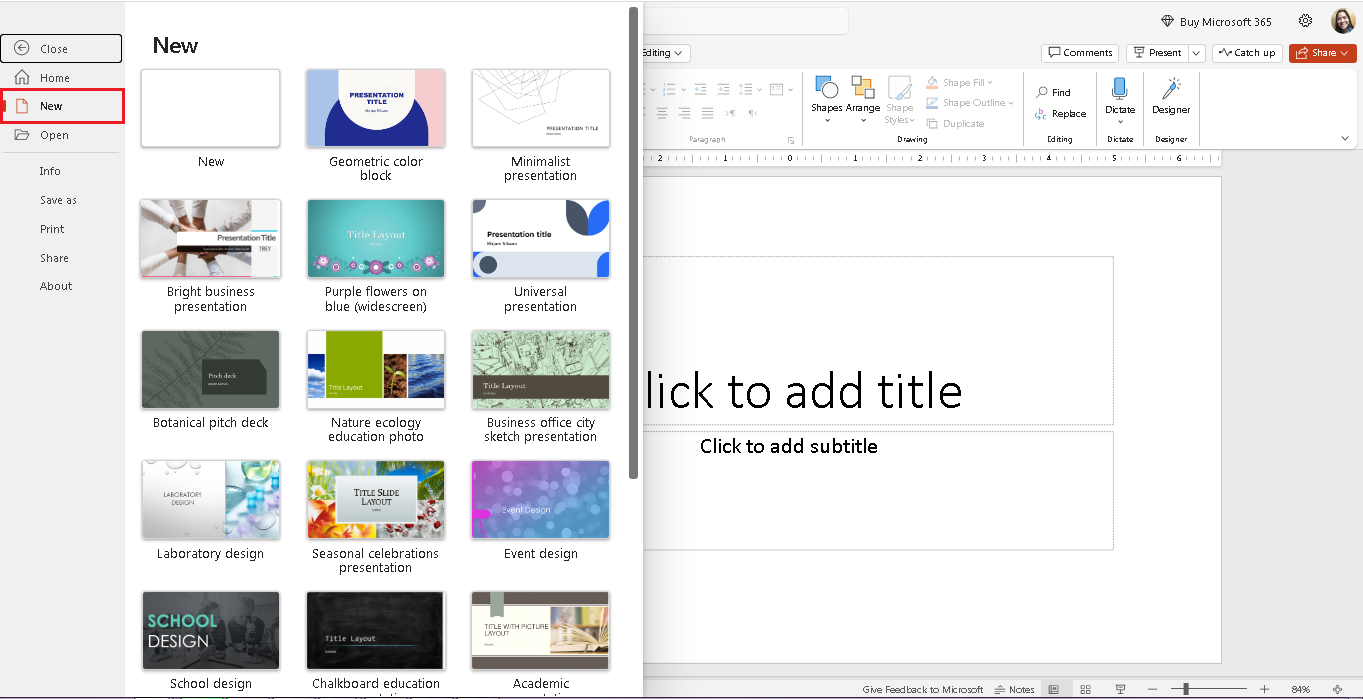
Apply Template To Existing Powerpoint
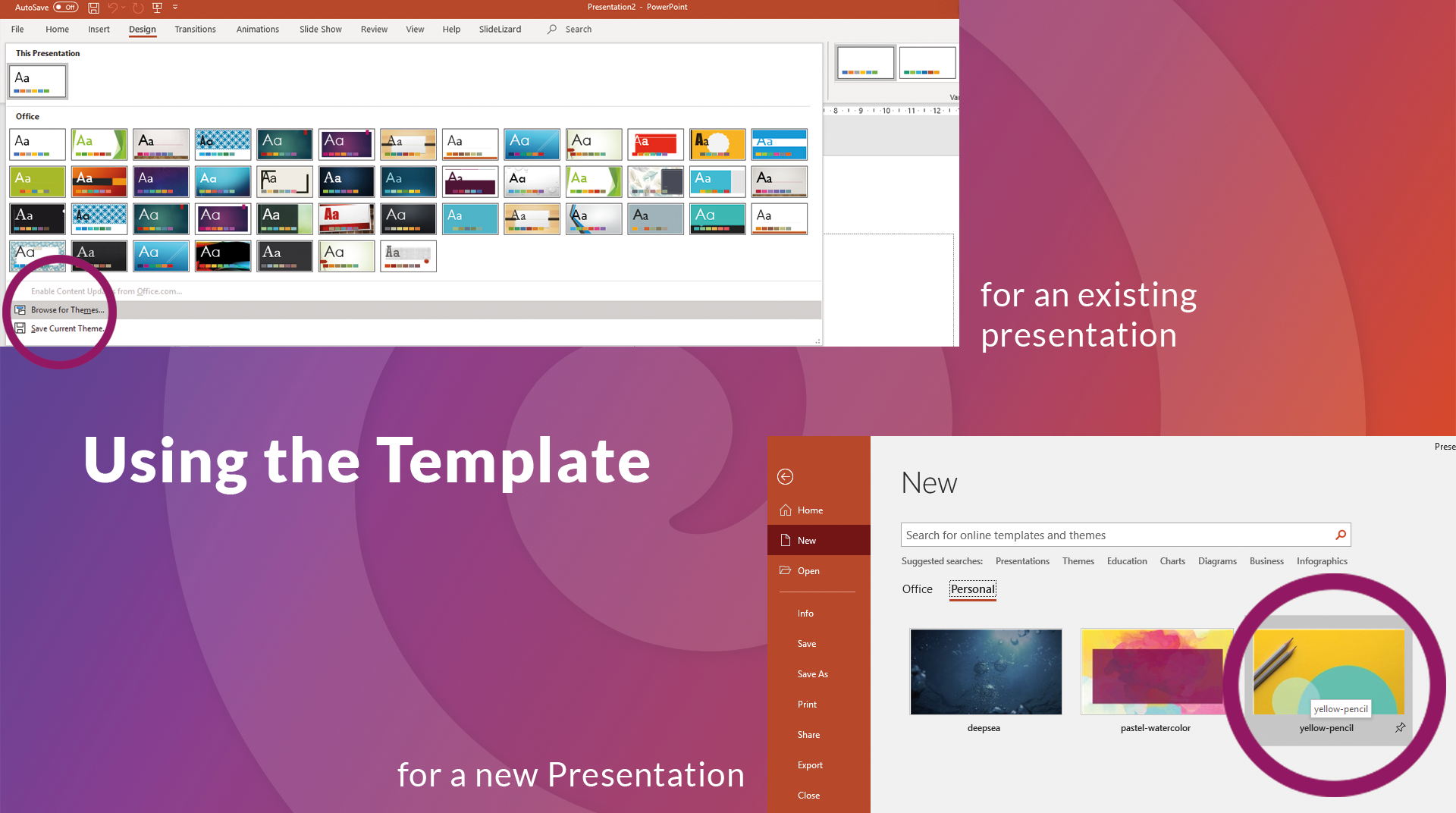
How to create your own PowerPoint Template (2022) SlideLizard®

How To Add A Template To Powerpoint AT A GLANCE
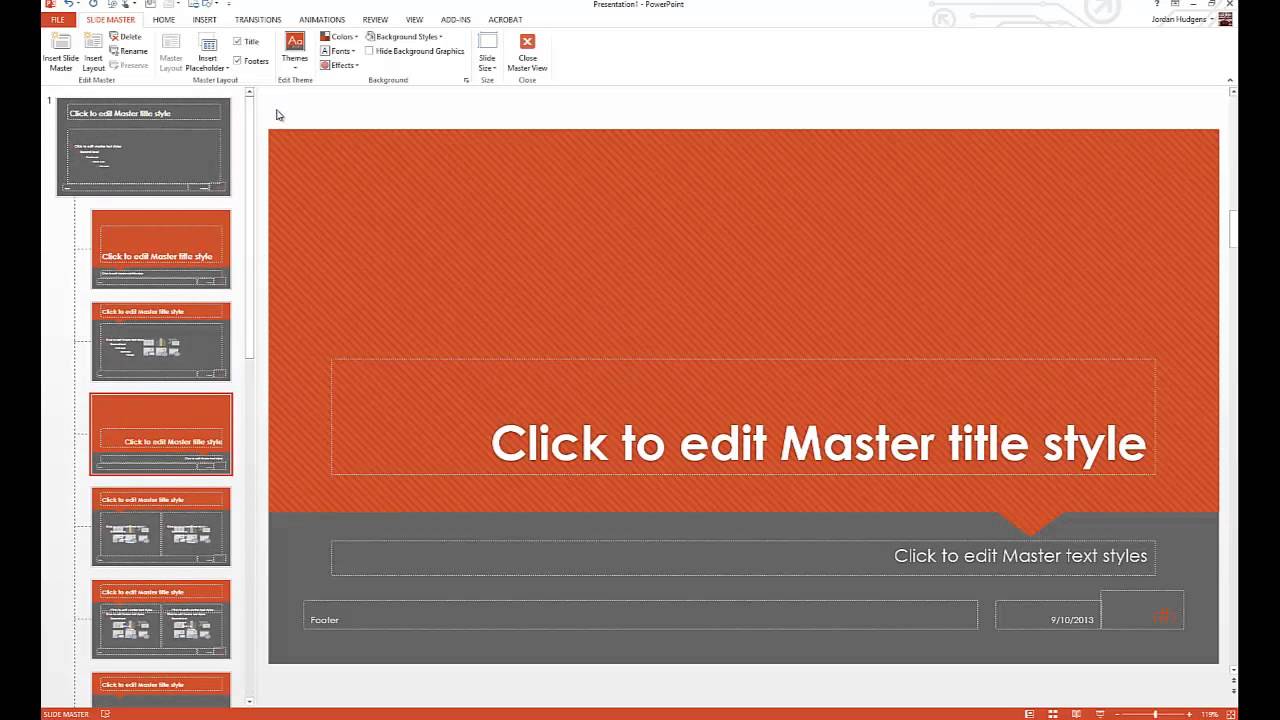
How To Add Powerpoint Design Template at Jack Drake blog
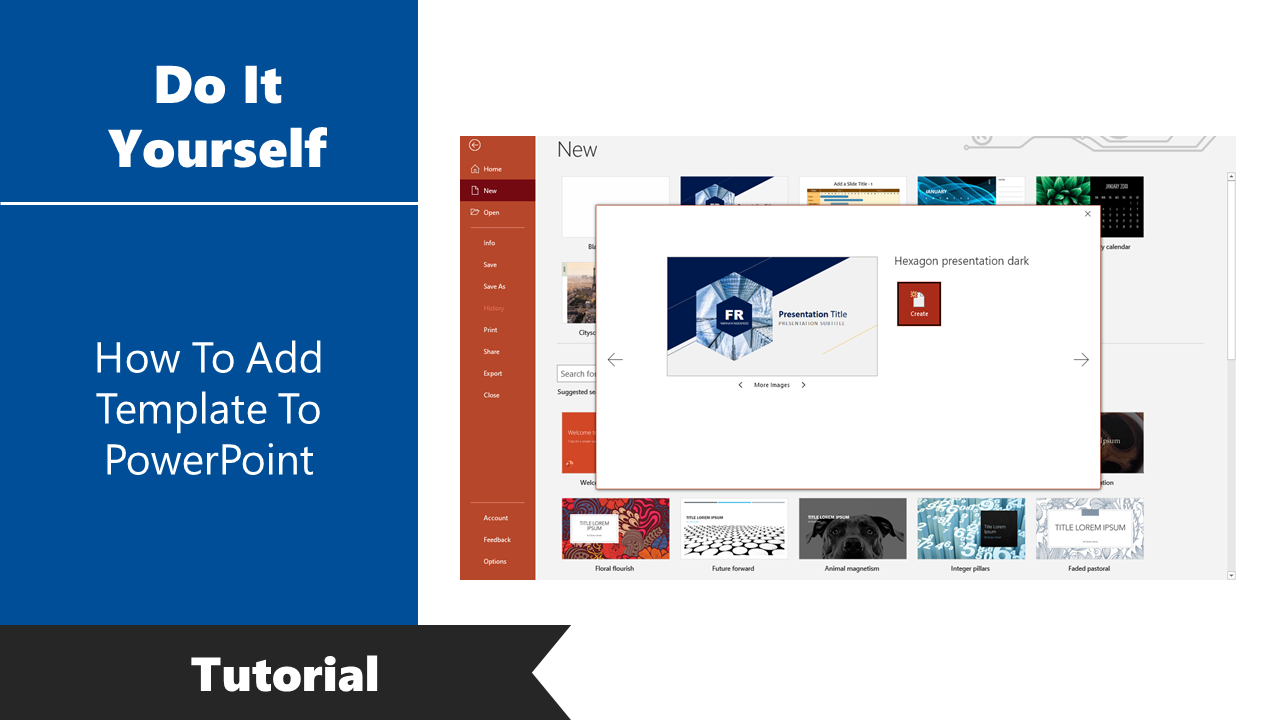
How To Add A Presentation Template To Powerpoint
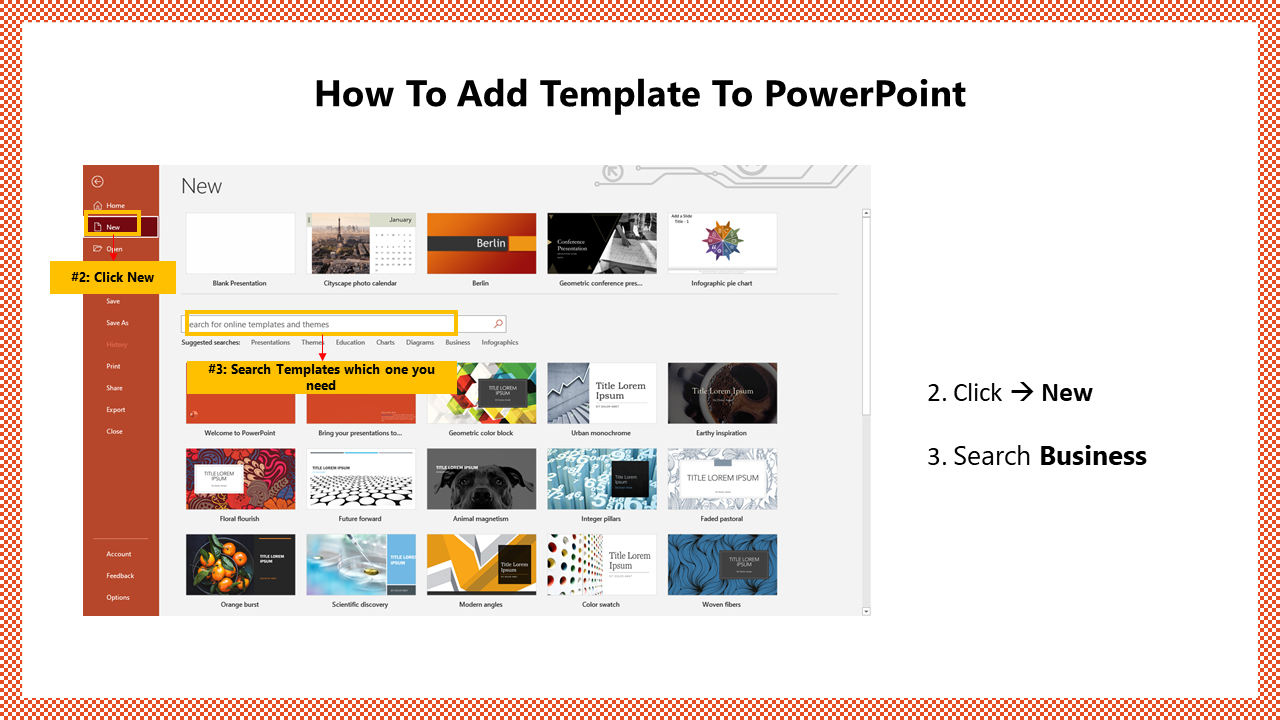
How To Add A Template To My Templates In Powerpoint
Adhd Is A Neurodevelopmental Disorder, Meaning That It Affects The Way The Brain Develops And Functions.
Read About Adhd, Its Types, Symptoms, Possible Risk Factors, Screening, Treatment, And Cdc's Work.
Add (Attention Deficit Disorder) Is The Term Commonly Used To Describe A Neurological Condition With Symptoms Of Inattention, Distractibility, And Poor Working Memory.
Related Post: