
If I Were In Charge Of The World Poem Template
If I Were In Charge Of The World Poem Template - Explore the difference between “was” and “were” and whether to say “if i was” or “if i were.” They sound similar, but their meanings are very different. In this article, we'll explore the difference between the terms where and. The words were and we’re are only an apostrophe apart, but there’s a big difference between them when it comes to meaning and usage. Were is the past tense of are. Remember the differences by swapping words or thinking about locations for 'where.' the words were, we're, and. Meanings, grammar rules, and clear examples to avoid common english mistakes. First, second, and third person plural past indicative; Learn how to use “was” vs. We're is a short for we are. Meanings, grammar rules, and clear examples to avoid common english mistakes. Learn how to use “was” vs. Use 'were' for past tense, 'we're' as 'we are,' and 'where' for location. See examples of were used in a sentence. Were is the past tense of are. Wear means to have clothing on or to deteriorate. See examples of were used in a sentence. We're is a short for we are. Use “was” for singular subjects such as i, he, she, or it, and “were” for plural subjects like we, they, or you. In this article, we’ll define where and were, explain the different ways that they. We're is a short for we are. Learn the difference between where, were, and we’re: Remember the differences by swapping words or thinking about locations for 'where.' the words were, we're, and. See examples of were used in a sentence. Wear means to have clothing on or to deteriorate. The words were and we’re are only an apostrophe apart, but there’s a big difference between them when it comes to meaning and usage. Remember that “was and were” are simply the two past tense forms of “to be,” and. First, second, and third person plural past indicative; A second person singular past indicative; Learn the difference between where, were,. See examples of were used in a sentence. Learn how to use “was” vs. First, second, and third person plural past indicative; Remember that “was and were” are simply the two past tense forms of “to be,” and. Meanings, grammar rules, and clear examples to avoid common english mistakes. And past subjunctive of be. The words were and we’re are only an apostrophe apart, but there’s a big difference between them when it comes to meaning and usage. Remember that “was and were” are simply the two past tense forms of “to be,” and. The terms 'where' and 'were' may sound similar, but they are never synonymous, and neither. A second person singular past indicative; Remember that “was and were” are simply the two past tense forms of “to be,” and. Explore the difference between “was” and “were” and whether to say “if i was” or “if i were.” Remember the differences by swapping words or thinking about locations for 'where.' the words were, we're, and. Learn how to. Wear means to have clothing on or to deteriorate. In this article, we'll explore the difference between the terms where and. Remember that “was and were” are simply the two past tense forms of “to be,” and. Use “was” for singular subjects such as i, he, she, or it, and “were” for plural subjects like we, they, or you. See. Use “was” for singular subjects such as i, he, she, or it, and “were” for plural subjects like we, they, or you. Learn the difference between where, were, and we’re: A second person singular past indicative; We're is a short for we are. Meanings, grammar rules, and clear examples to avoid common english mistakes. Meanings, grammar rules, and clear examples to avoid common english mistakes. A second person singular past indicative; In this article, we'll explore the difference between the terms where and. Remember that “was and were” are simply the two past tense forms of “to be,” and. The terms 'where' and 'were' may sound similar, but they are never synonymous, and neither. In this article, we'll explore the difference between the terms where and. In this article, we’ll define where and were, explain the different ways that they are used, provide examples of how they are typically used in sentences, and even cover the also similar. Remember the differences by swapping words or thinking about locations for 'where.' the words were, we're,. The words were and we’re are only an apostrophe apart, but there’s a big difference between them when it comes to meaning and usage. Wear means to have clothing on or to deteriorate. Use 'were' for past tense, 'we're' as 'we are,' and 'where' for location. Remember that “was and were” are simply the two past tense forms of “to. Use “was” for singular subjects such as i, he, she, or it, and “were” for plural subjects like we, they, or you. Were is the past tense of are. In this article, we will define the words were. Meanings, grammar rules, and clear examples to avoid common english mistakes. In this article, we'll explore the difference between the terms where. Learn how to use “was” vs. They sound similar, but their meanings are very different. In this article, we'll explore the difference between the terms where and. Were is the past tense of are. First, second, and third person plural past indicative; In this article, we’ll define where and were, explain the different ways that they are used, provide examples of how they are typically used in sentences, and even cover the also similar. They sound similar, but their meanings are very different. Were is the past tense of are. The terms 'where' and 'were' may sound similar, but they are never. Remember that “was and were” are simply the two past tense forms of “to be,” and. Learn how to use “was” vs. In this article, we’ll define where and were, explain the different ways that they are used, provide examples of how they are typically used in sentences, and even cover the also similar. Explore the difference between “was” and. In this article, we’ll define where and were, explain the different ways that they are used, provide examples of how they are typically used in sentences, and even cover the also similar. Learn how to use “was” vs. Wear means to have clothing on or to deteriorate. First, second, and third person plural past indicative; They sound similar, but their. Learn how to use “was” vs. The terms 'where' and 'were' may sound similar, but they are never synonymous, and neither may be used interchangeably. In this article, we’ll define where and were, explain the different ways that they are used, provide examples of how they are typically used in sentences, and even cover the also similar. Use 'were' for. Explore the difference between “was” and “were” and whether to say “if i was” or “if i were.” In this article, we’ll define where and were, explain the different ways that they are used, provide examples of how they are typically used in sentences, and even cover the also similar. Meanings, grammar rules, and clear examples to avoid common english. A second person singular past indicative; In this article, we will define the words were. Learn how to use “was” vs. Use “was” for singular subjects such as i, he, she, or it, and “were” for plural subjects like we, they, or you. They sound similar, but their meanings are very different. Explore the difference between “was” and “were” and whether to say “if i was” or “if i were.” The words were and we’re are only an apostrophe apart, but there’s a big difference between them when it comes to meaning and usage. Use “was” for singular subjects such as i, he, she, or it, and “were” for plural subjects like. Learn how to use “was” vs. Remember the differences by swapping words or thinking about locations for 'where.' the words were, we're, and. The terms 'where' and 'were' may sound similar, but they are never synonymous, and neither may be used interchangeably. In this article, we will define the words were. In this article, we'll explore the difference between the. Were is the past tense of are. Remember that “was and were” are simply the two past tense forms of “to be,” and. We're is a short for we are. Explore the difference between “was” and “were” and whether to say “if i was” or “if i were.” The words were and we’re are only an apostrophe apart, but there’s. Use “was” for singular subjects such as i, he, she, or it, and “were” for plural subjects like we, they, or you. We're is a short for we are. They sound similar, but their meanings are very different. Wear means to have clothing on or to deteriorate. First, second, and third person plural past indicative; Use “was” for singular subjects such as i, he, she, or it, and “were” for plural subjects like we, they, or you. See examples of were used in a sentence. In this article, we'll explore the difference between the terms where and. Explore the difference between “was” and “were” and whether to say “if i was” or “if i were.”. Were is the past tense of are. The words were and we’re are only an apostrophe apart, but there’s a big difference between them when it comes to meaning and usage. Wear means to have clothing on or to deteriorate. We're is a short for we are. Use 'were' for past tense, 'we're' as 'we are,' and 'where' for location. In this article, we’ll define where and were, explain the different ways that they are used, provide examples of how they are typically used in sentences, and even cover the also similar. In this article, we'll explore the difference between the terms where and. Wear means to have clothing on or to deteriorate. Remember the differences by swapping words or. Explore the difference between “was” and “were” and whether to say “if i was” or “if i were.” Remember the differences by swapping words or thinking about locations for 'where.' the words were, we're, and. In this article, we’ll define where and were, explain the different ways that they are used, provide examples of how they are typically used in. In this article, we'll explore the difference between the terms where and. Use 'were' for past tense, 'we're' as 'we are,' and 'where' for location. Were is the past tense of are. In this article, we will define the words were. See examples of were used in a sentence. We're is a short for we are. Meanings, grammar rules, and clear examples to avoid common english mistakes. First, second, and third person plural past indicative; See examples of were used in a sentence. A second person singular past indicative; In this article, we'll explore the difference between the terms where and. In this article, we will define the words were. First, second, and third person plural past indicative; A second person singular past indicative; Remember that “was and were” are simply the two past tense forms of “to be,” and. In this article, we’ll define where and were, explain the different ways that they are used, provide examples of how they are typically used in sentences, and even cover the also similar. We're is a short for we are. Learn how to use “was” vs. The terms 'where' and 'were' may sound similar, but they are never synonymous, and neither. First, second, and third person plural past indicative; A second person singular past indicative; And past subjunctive of be. See examples of were used in a sentence. Learn the difference between where, were, and we’re: Learn the difference between where, were, and we’re: Learn how to use “was” vs. The words were and we’re are only an apostrophe apart, but there’s a big difference between them when it comes to meaning and usage. Explore the difference between “was” and “were” and whether to say “if i was” or “if i were.” And past subjunctive of. In this article, we'll explore the difference between the terms where and. Remember that “was and were” are simply the two past tense forms of “to be,” and. Learn the difference between where, were, and we’re: Wear means to have clothing on or to deteriorate. The terms 'where' and 'were' may sound similar, but they are never synonymous, and neither. Learn the difference between where, were, and we’re: A second person singular past indicative; See examples of were used in a sentence. Learn how to use “was” vs. In this article, we'll explore the difference between the terms where and. In this article, we’ll define where and were, explain the different ways that they are used, provide examples of how they are typically used in sentences, and even cover the also similar. We're is a short for we are. Remember the differences by swapping words or thinking about locations for 'where.' the words were, we're, and. Meanings, grammar rules, and clear examples to avoid common english mistakes. First, second, and third person plural past indicative; In this article, we will define the words were. Wear means to have clothing on or to deteriorate. The words were and we’re are only an apostrophe apart, but there’s a big difference between them when it comes to meaning and usage. Remember that “was and were” are simply the two past tense forms of “to be,” and. And past subjunctive of be. Use “was” for singular subjects such as i, he, she, or it, and “were” for plural subjects like we, they, or you.
In Charge Of The World

If I Were in Charge of the World Poem YouTube

If I Were In Charge of The World poem + picture by my kid PurpleCar

If I Were In Charge Of The World Creative Poem Writing Activity
If I Were in Charge of The World Pen Pal Poem PDF

If I Were In Charge of the World Poem (Free Template) Undercover

Poem(If I were in charge of the world) YouTube
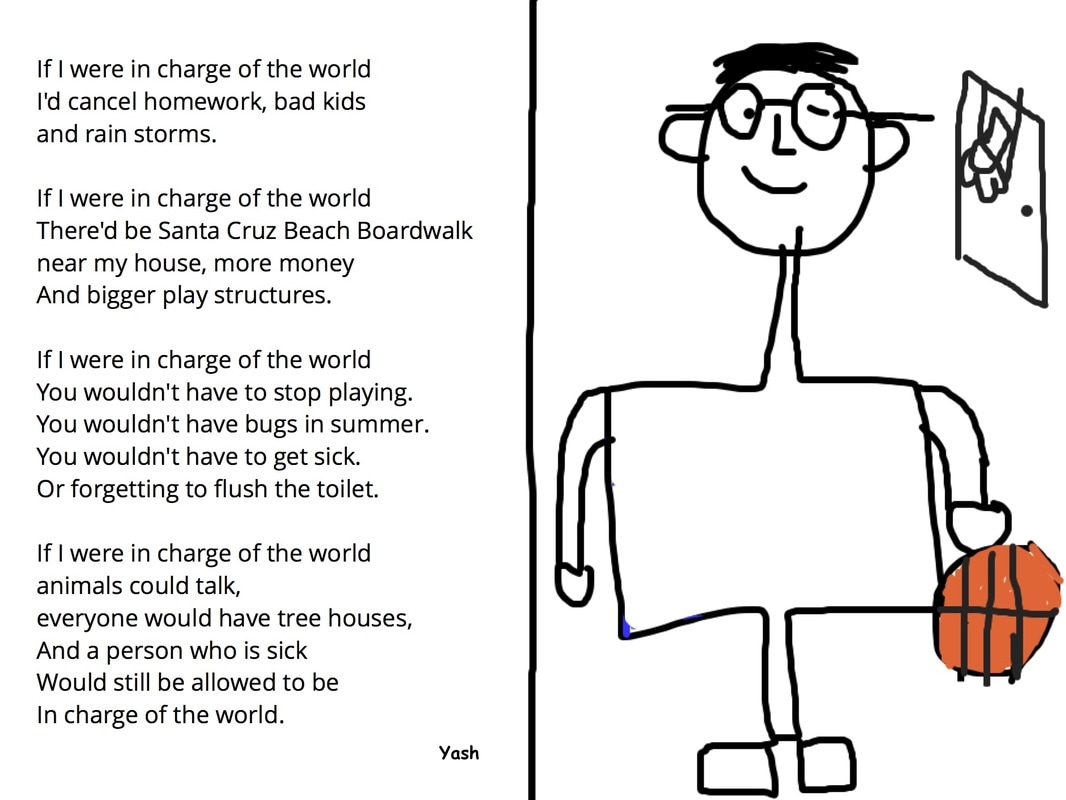
In Charge Of The World
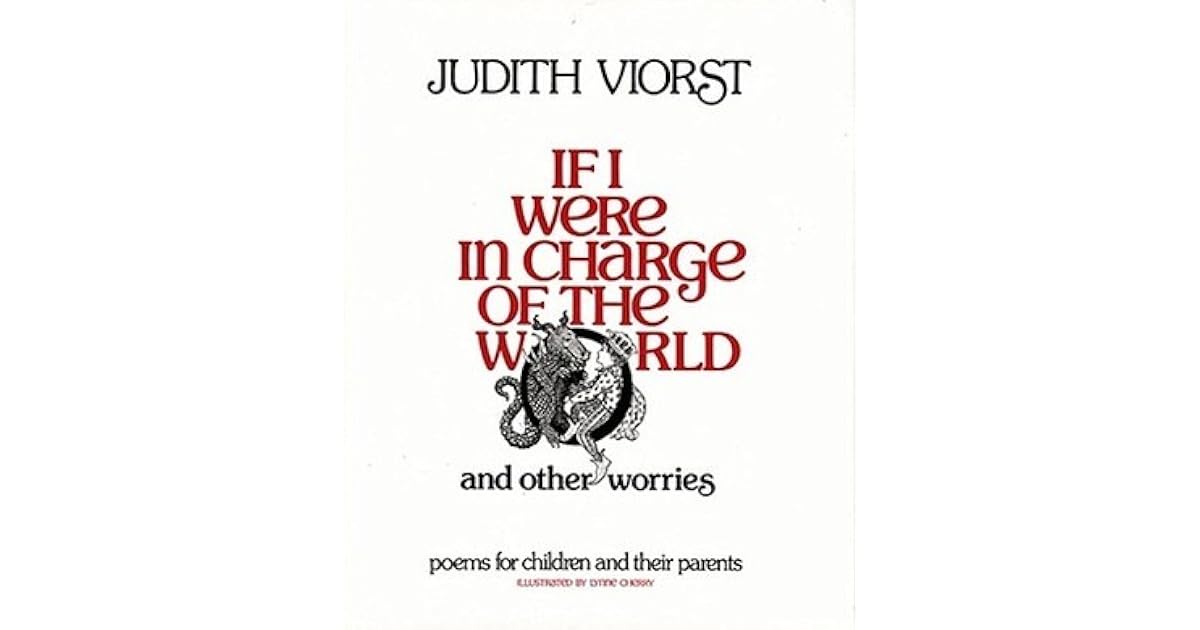
If I Were in Charge of the World and Other Worries Poems for Children

In Charge Of The World

If I Were in Charge of the World by Judith Viorst Poem and Assignment

If I Were in Charge of the World and Other Worries Poems for Children

PPT I Am Poem PowerPoint Presentation, free download ID1837244
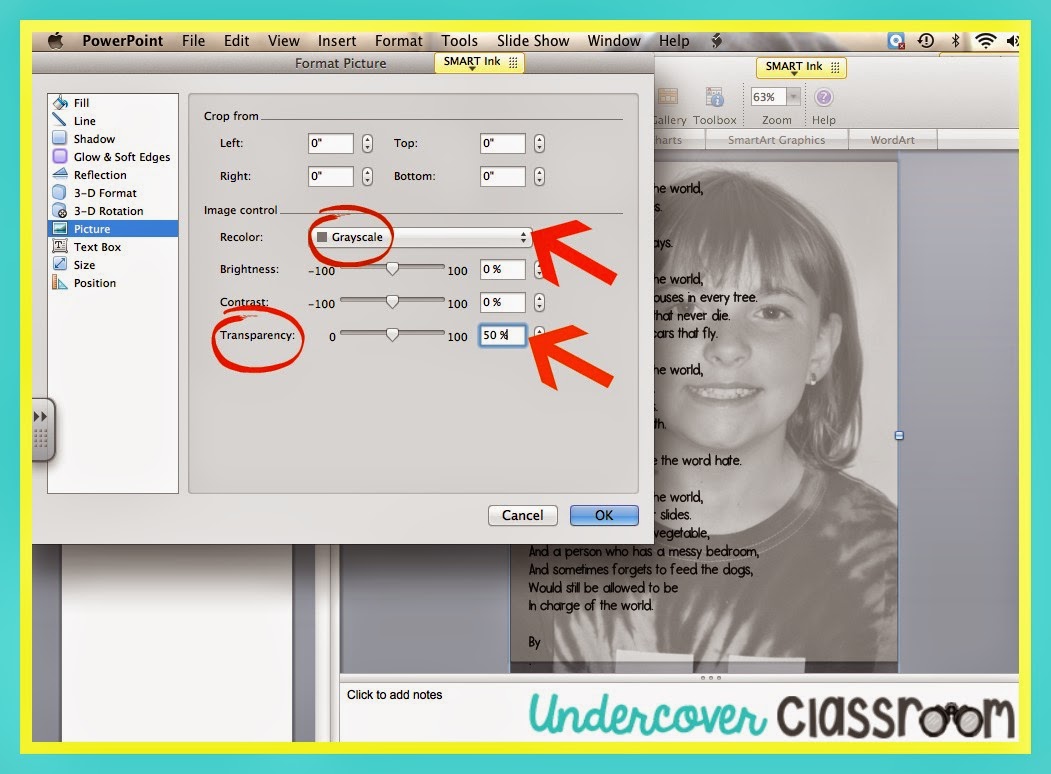
If I Were In Charge of the World Poem (Free Template) Undercover
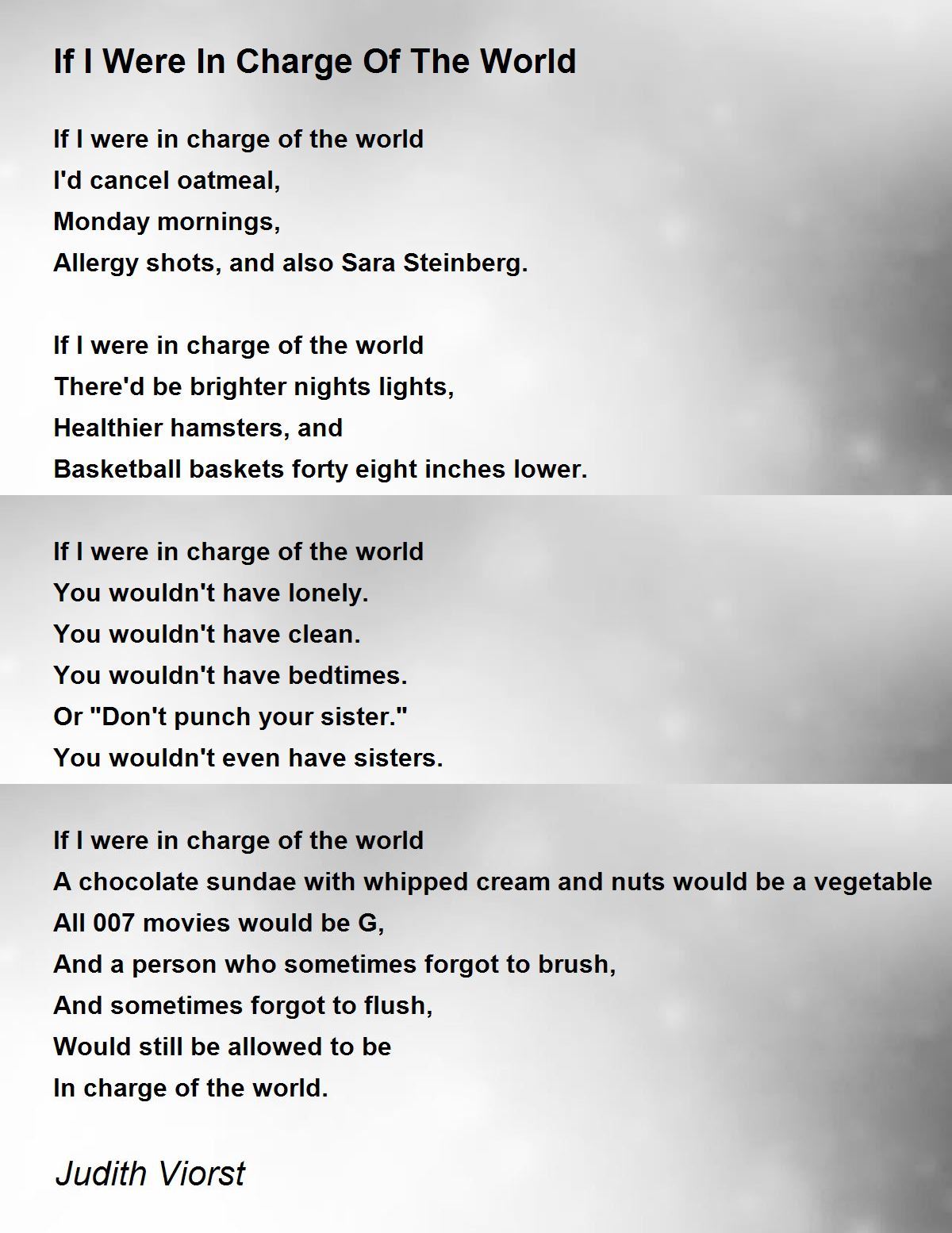
In Charge Of The World

If I Were In Charge of the World Poem (Free Template) Undercover
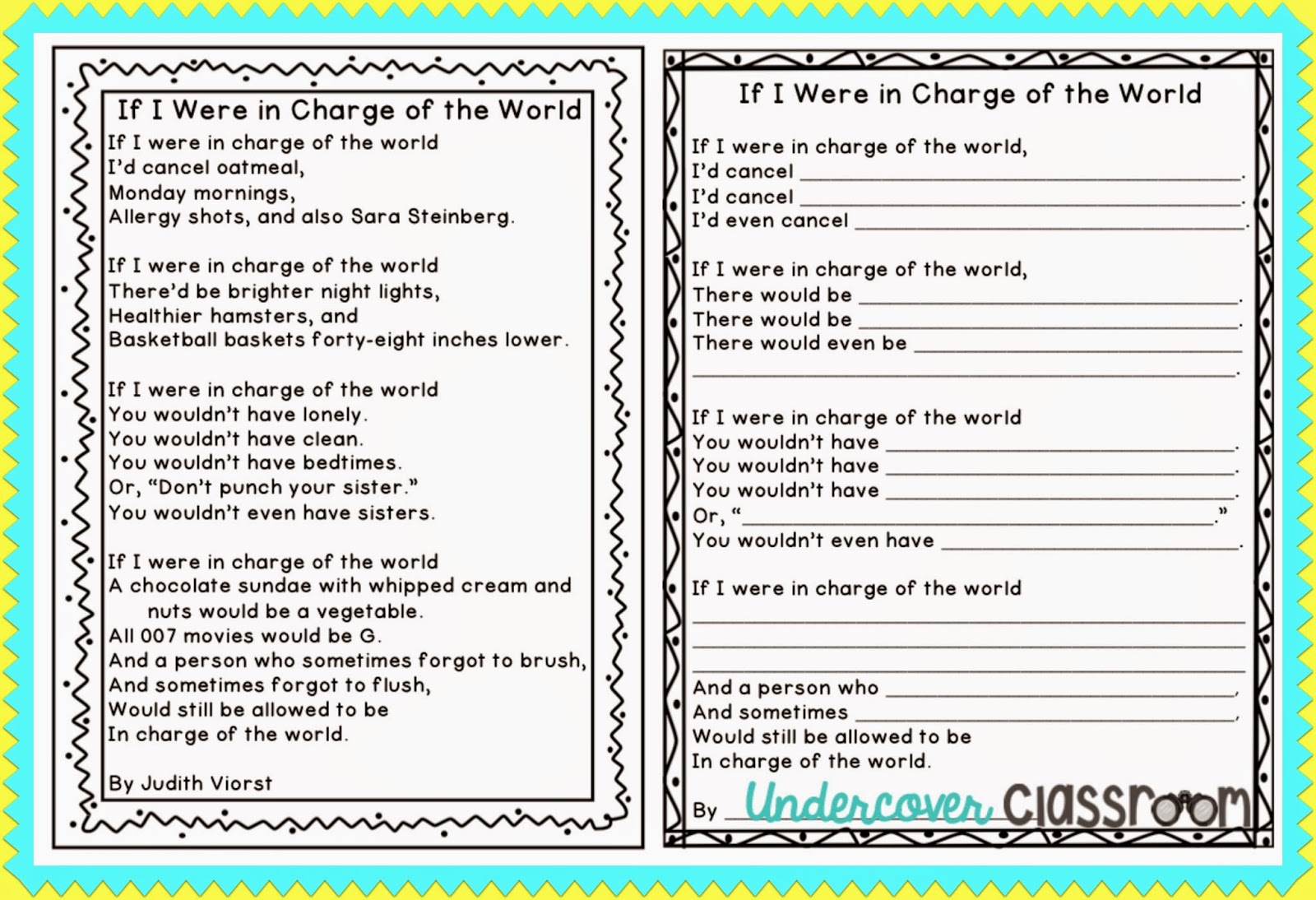
If I Were In Charge of the World Poem (Free Template) Undercover

If I Were in Charge of the World Poem Writing Template

If I Were in Charge of the World by Judith Viorst Poem and Assignment
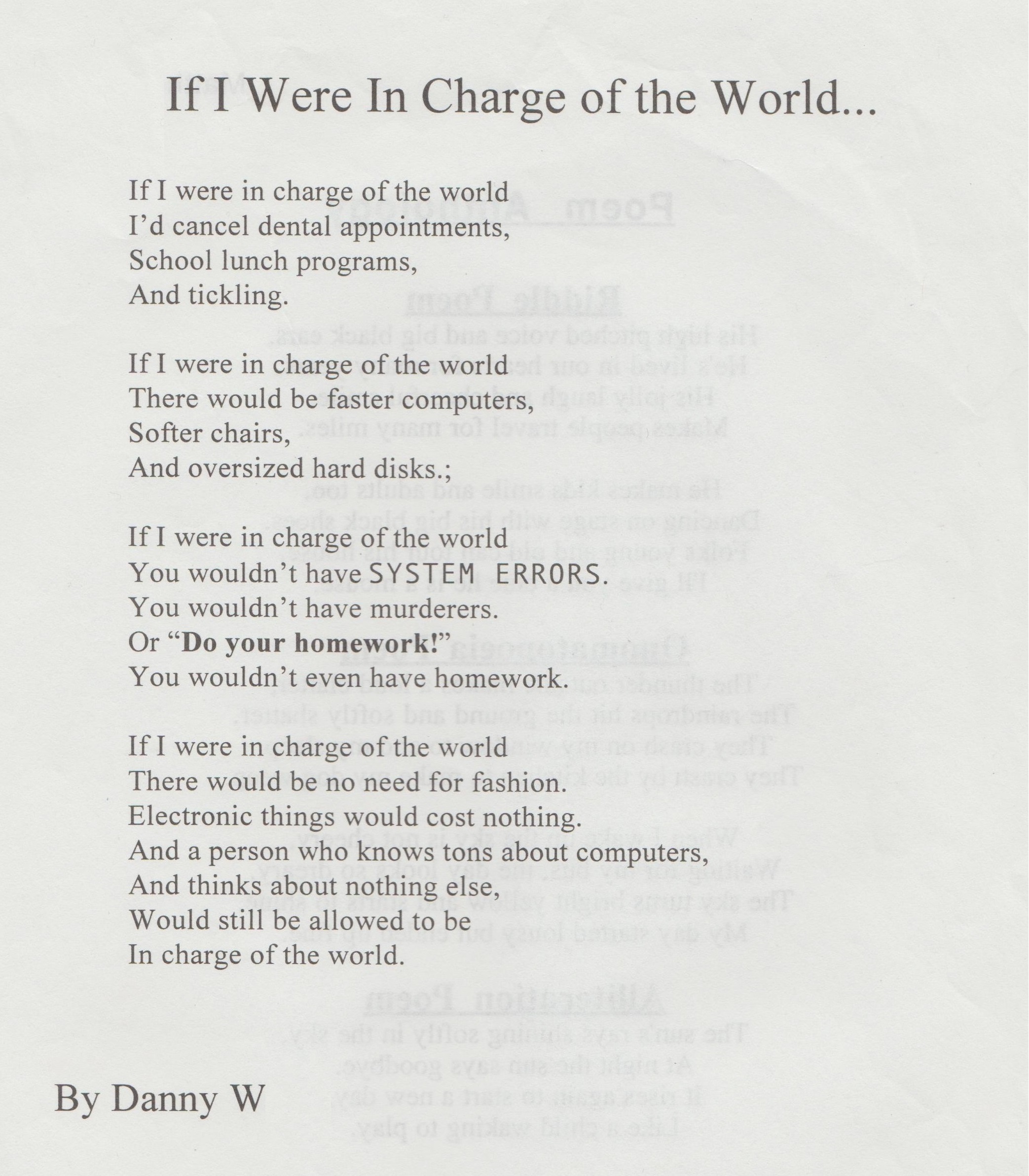
If I Were In Charge of the World Novelty Buffs

If I Were In Charge of the World Poem (Free Template) Undercover
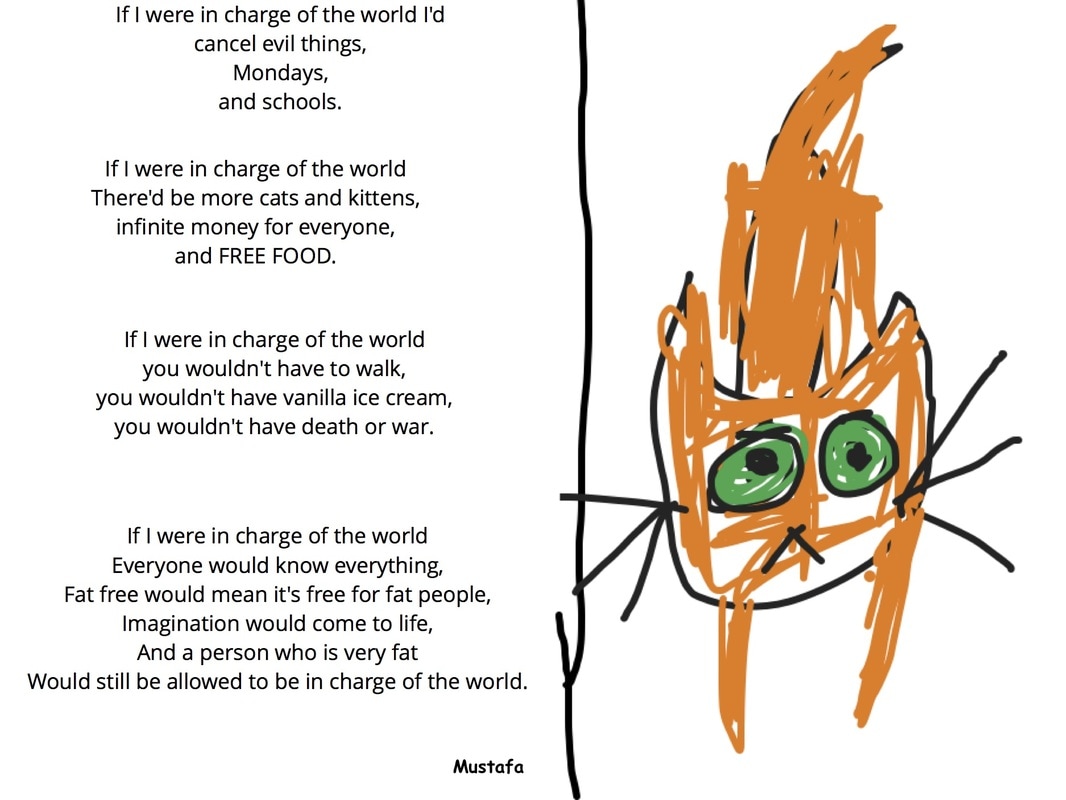
IF I Was In Charge of the WORLD! Ms. Rice Pirates
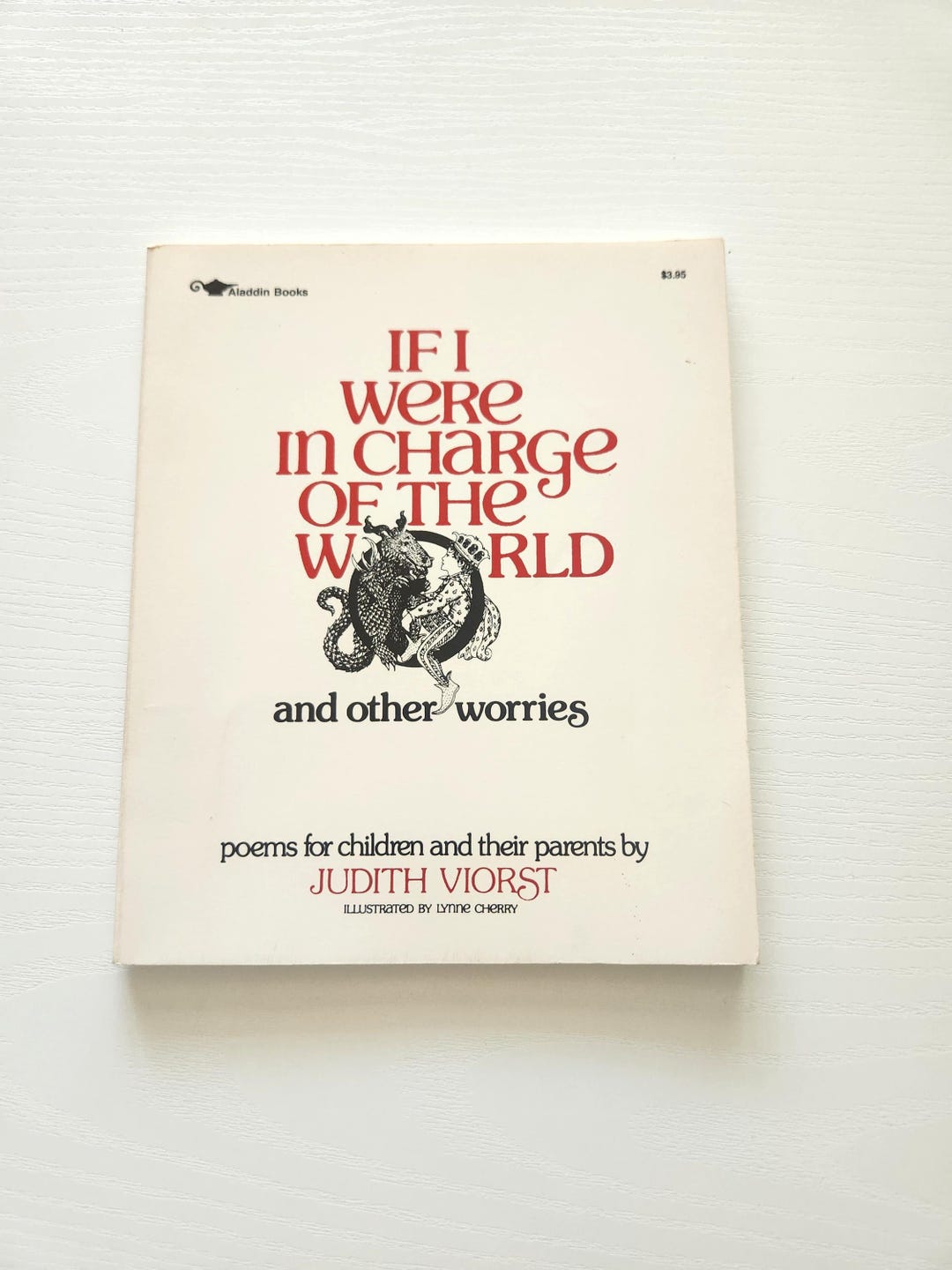
If I Were in Charge of the World and Other Worries by Judith Viorst
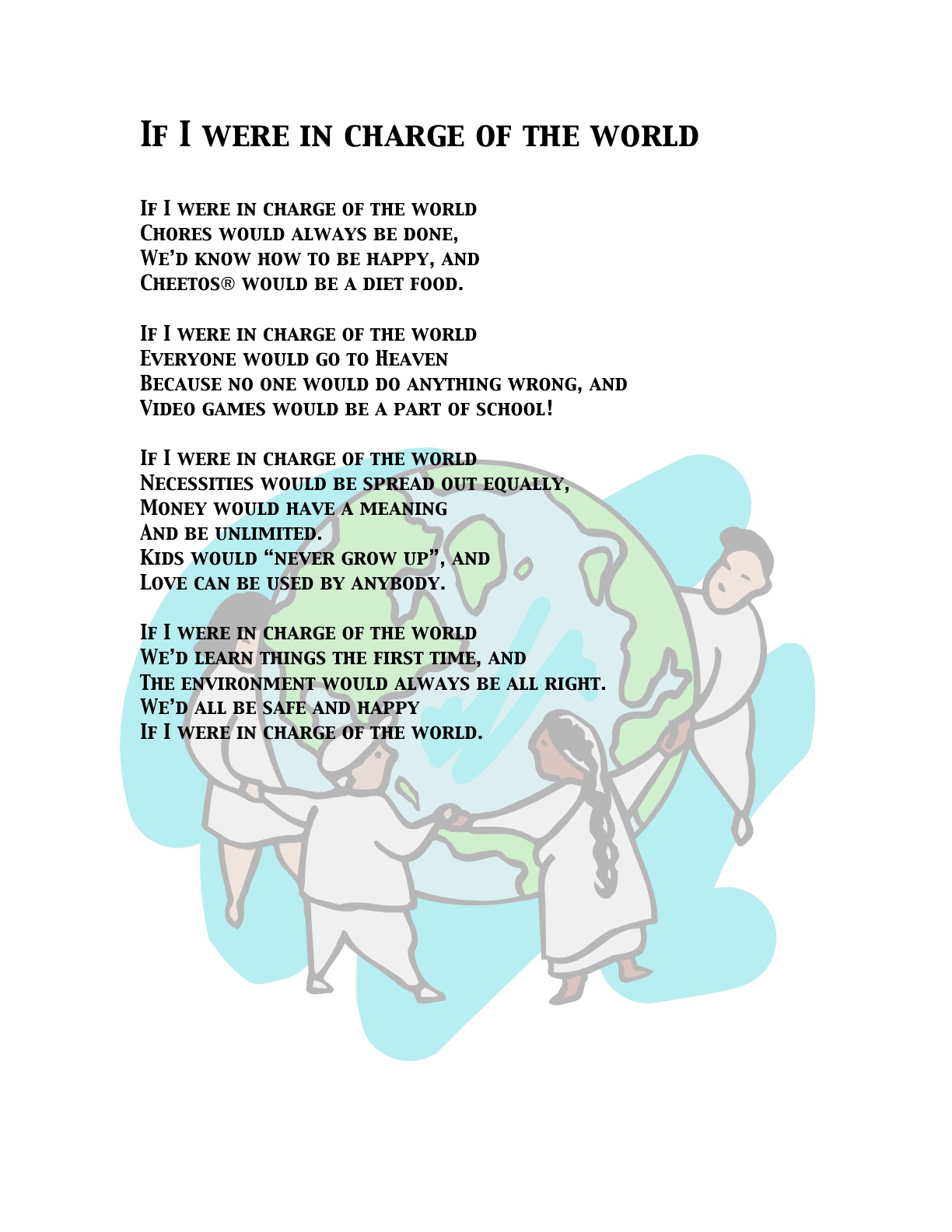
The Goodbook
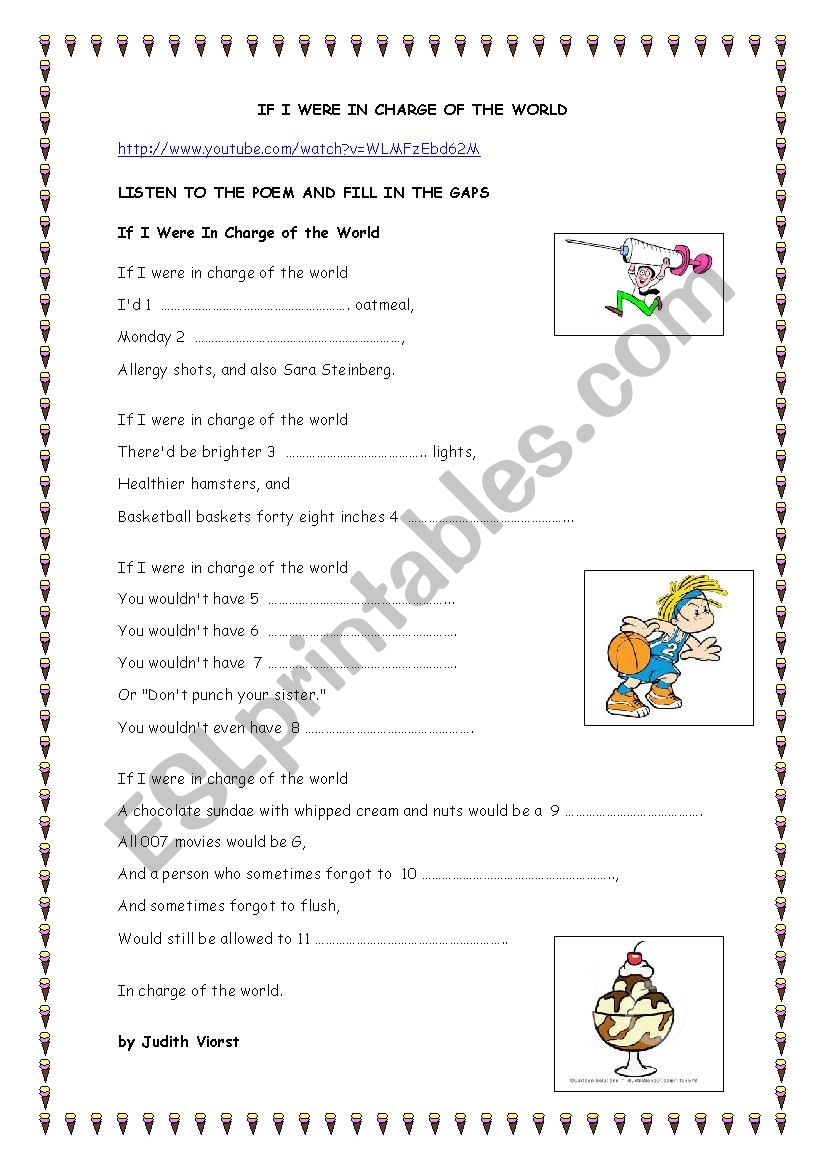
POEM TIME IF I WERE IN CHARGE OF THE WORLD ESL worksheet by Isabel L

If I Were In Charge Of The World Poem by KrissyBabyGurl on DeviantArt

If I Were in Charge of the World and Other Worries Poems for Children

In Charge Of The World

if I were in charge of the world.pdf Google Drive Teaching poetry

10+ Poems For 3rd Graders To Inspire Creativity & Learning
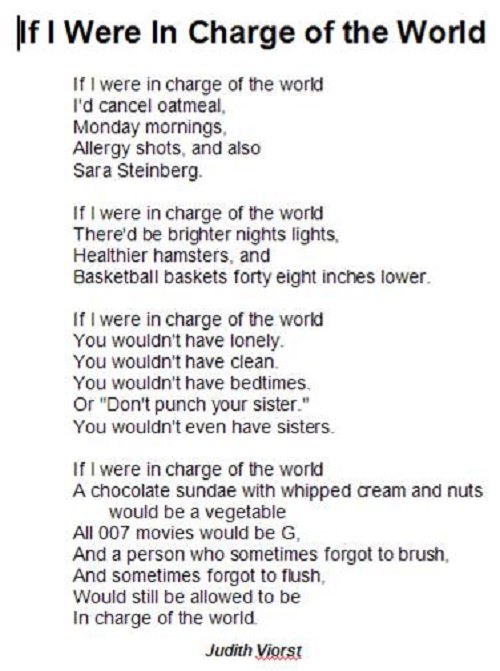
Skills BlockCreative Writing/Poetry Propel McKeesport 8th Grade 2012
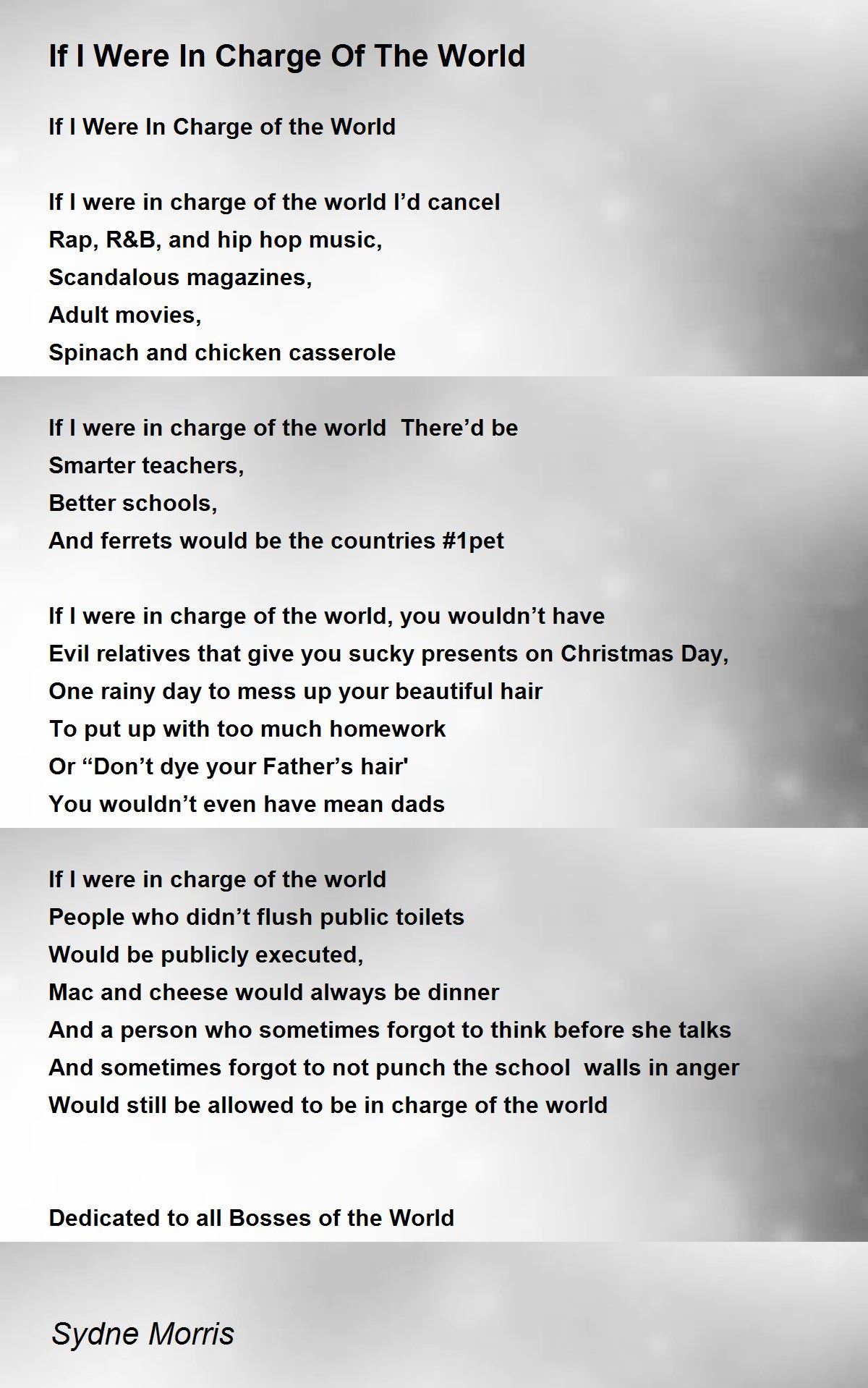
In Charge Of The World

If I Were In Charge Of The World Creative Poem Writing Activity

If I Were in Charge of the World Poems
If I Were in Charge of the World
Use 'Were' For Past Tense, 'We're' As 'We Are,' And 'Where' For Location.
Were Is The Past Tense Of Are.
The Terms 'Where' And 'Were' May Sound Similar, But They Are Never Synonymous, And Neither May Be Used Interchangeably.
Explore The Difference Between “Was” And “Were” And Whether To Say “If I Was” Or “If I Were.”
Related Post:
