
Indemnification Form Template
Indemnification Form Template - The meaning of indemnification is the action of indemnifying. For example, a car owner may purchase different kinds of insurance as an indemnity for various kinds of loss arising from operation of the car,. Indemnification is a legal arrangement where one party agrees to cover another party’s losses, essentially promising to pay for specific damages so the protected party isn’t left holding the bill. An indemnification clause ensures that you don’t face civil damages in several legal situations. An indemnification provision serves as a contractual remedy to redress a party’s financial loss resulting from litigation. Indemnities form the basis of many insurance contracts; Learn what indemnification clauses actually do in a contract, including how they shift liability, when they're triggered, and what limits their enforceability. Indemnification is a contractual agreement where one party agrees to cover the financial losses, legal claims, or damages incurred by another party. An indemnity provision requires one party (the “indemnitor”) to agree to. What does indemnification mean in company law? An indemnification clause ensures that you don’t face civil damages in several legal situations. Indemnification is a legal arrangement where one party agrees to cover another party’s losses, essentially promising to pay for specific damages so the protected party isn’t left holding the bill. What does indemnification mean in company law? An indemnity provision requires one party (the “indemnitor”) to. To indemnify, also known as indemnity or indemnification, means compensating a person for damages or losses they have incurred or will incur related to a specified accident, incident, or event. In this article, we discuss indemnification, how it works in legal contracts, different types of indemnification,. In company law, more often referred to as business law, indemnification refers to the. In this article, we discuss indemnification, how it works in legal contracts, different types of indemnification,. Indemnification is a contractual agreement where one party agrees to cover the financial losses, legal claims, or damages incurred by another party. In company law, more often referred to as business law, indemnification refers to the process of a company agreeing to compensate its.. In company law, more often referred to as business law, indemnification refers to the process of a company agreeing to compensate its. In this article, we discuss indemnification, how it works in legal contracts, different types of indemnification,. For example, a car owner may purchase different kinds of insurance as an indemnity for various kinds of loss arising from operation. In this article, we discuss indemnification, how it works in legal contracts, different types of indemnification,. To indemnify, also known as indemnity or indemnification, means compensating a person for damages or losses they have incurred or will incur related to a specified accident, incident, or event. An indemnification provision serves as a contractual remedy to redress a party’s financial loss. An indemnity provision requires one party (the “indemnitor”) to agree to. Learn what indemnification clauses actually do in a contract, including how they shift liability, when they're triggered, and what limits their enforceability. An indemnification clause ensures that you don’t face civil damages in several legal situations. To indemnify, also known as indemnity or indemnification, means compensating a person for. An indemnity provision requires one party (the “indemnitor”) to agree to. Indemnification is a contractual agreement where one party agrees to cover the financial losses, legal claims, or damages incurred by another party. An indemnification clause ensures that you don’t face civil damages in several legal situations. For example, a car owner may purchase different kinds of insurance as an. The meaning of indemnification is the action of indemnifying. An indemnity provision requires one party (the “indemnitor”) to agree to. Learn what indemnification clauses actually do in a contract, including how they shift liability, when they're triggered, and what limits their enforceability. An indemnification provision serves as a contractual remedy to redress a party’s financial loss resulting from litigation. In. An indemnity provision requires one party (the “indemnitor”) to agree to. For example, a car owner may purchase different kinds of insurance as an indemnity for various kinds of loss arising from operation of the car,. An indemnification clause ensures that you don’t face civil damages in several legal situations. Indemnification is a legal arrangement where one party agrees to. Indemnification is a legal arrangement where one party agrees to cover another party’s losses, essentially promising to pay for specific damages so the protected party isn’t left holding the bill. Indemnification is a contractual agreement where one party agrees to cover the financial losses, legal claims, or damages incurred by another party. An indemnity provision requires one party (the “indemnitor”). Learn what indemnification clauses actually do in a contract, including how they shift liability, when they're triggered, and what limits their enforceability. What does indemnification mean in company law? Indemnities form the basis of many insurance contracts; In this article, we discuss indemnification, how it works in legal contracts, different types of indemnification,. Indemnification is a contractual agreement where one. The meaning of indemnification is the action of indemnifying. An indemnity provision requires one party (the “indemnitor”) to agree to. In company law, more often referred to as business law, indemnification refers to the process of a company agreeing to compensate its. For example, a car owner may purchase different kinds of insurance as an indemnity for various kinds of. Indemnification is a legal arrangement where one party agrees to cover another party’s losses, essentially promising to pay for specific damages so the protected party isn’t left holding the bill. An indemnity provision requires one party (the “indemnitor”) to agree to. For example, a car owner may purchase different kinds of insurance as an indemnity for various kinds of loss. An indemnity provision requires one party (the “indemnitor”) to agree to. To indemnify, also known as indemnity or indemnification, means compensating a person for damages or losses they have incurred or will incur related to a specified accident, incident, or event. An indemnification provision serves as a contractual remedy to redress a party’s financial loss resulting from litigation. In this. Indemnities form the basis of many insurance contracts; An indemnification provision serves as a contractual remedy to redress a party’s financial loss resulting from litigation. For example, a car owner may purchase different kinds of insurance as an indemnity for various kinds of loss arising from operation of the car,. What does indemnification mean in company law? To indemnify, also. What does indemnification mean in company law? Indemnification is a legal arrangement where one party agrees to cover another party’s losses, essentially promising to pay for specific damages so the protected party isn’t left holding the bill. In this article, we discuss indemnification, how it works in legal contracts, different types of indemnification,. To indemnify, also known as indemnity or. For example, a car owner may purchase different kinds of insurance as an indemnity for various kinds of loss arising from operation of the car,. An indemnification provision serves as a contractual remedy to redress a party’s financial loss resulting from litigation. Learn what indemnification clauses actually do in a contract, including how they shift liability, when they're triggered, and. In this article, we discuss indemnification, how it works in legal contracts, different types of indemnification,. Indemnities form the basis of many insurance contracts; An indemnification provision serves as a contractual remedy to redress a party’s financial loss resulting from litigation. To indemnify, also known as indemnity or indemnification, means compensating a person for damages or losses they have incurred. Learn what indemnification clauses actually do in a contract, including how they shift liability, when they're triggered, and what limits their enforceability. Indemnification is a contractual agreement where one party agrees to cover the financial losses, legal claims, or damages incurred by another party. An indemnification clause ensures that you don’t face civil damages in several legal situations. An indemnity. Learn what indemnification clauses actually do in a contract, including how they shift liability, when they're triggered, and what limits their enforceability. An indemnification clause ensures that you don’t face civil damages in several legal situations. An indemnity provision requires one party (the “indemnitor”) to agree to. Indemnification is a legal arrangement where one party agrees to cover another party’s. In company law, more often referred to as business law, indemnification refers to the process of a company agreeing to compensate its. Learn what indemnification clauses actually do in a contract, including how they shift liability, when they're triggered, and what limits their enforceability. Indemnities form the basis of many insurance contracts; For example, a car owner may purchase different. An indemnification provision serves as a contractual remedy to redress a party’s financial loss resulting from litigation. To indemnify, also known as indemnity or indemnification, means compensating a person for damages or losses they have incurred or will incur related to a specified accident, incident, or event. For example, a car owner may purchase different kinds of insurance as an. What does indemnification mean in company law? To indemnify, also known as indemnity or indemnification, means compensating a person for damages or losses they have incurred or will incur related to a specified accident, incident, or event. In this article, we discuss indemnification, how it works in legal contracts, different types of indemnification,. In company law, more often referred to. To indemnify, also known as indemnity or indemnification, means compensating a person for damages or losses they have incurred or will incur related to a specified accident, incident, or event. An indemnification provision serves as a contractual remedy to redress a party’s financial loss resulting from litigation. For example, a car owner may purchase different kinds of insurance as an. An indemnity provision requires one party (the “indemnitor”) to agree to. For example, a car owner may purchase different kinds of insurance as an indemnity for various kinds of loss arising from operation of the car,. Indemnification is a contractual agreement where one party agrees to cover the financial losses, legal claims, or damages incurred by another party. What does. Indemnification is a legal arrangement where one party agrees to cover another party’s losses, essentially promising to pay for specific damages so the protected party isn’t left holding the bill. An indemnification provision serves as a contractual remedy to redress a party’s financial loss resulting from litigation. For example, a car owner may purchase different kinds of insurance as an. In this article, we discuss indemnification, how it works in legal contracts, different types of indemnification,. Indemnification is a legal arrangement where one party agrees to cover another party’s losses, essentially promising to pay for specific damages so the protected party isn’t left holding the bill. In company law, more often referred to as business law, indemnification refers to the. Indemnification is a legal arrangement where one party agrees to cover another party’s losses, essentially promising to pay for specific damages so the protected party isn’t left holding the bill. An indemnification provision serves as a contractual remedy to redress a party’s financial loss resulting from litigation. An indemnification clause ensures that you don’t face civil damages in several legal. An indemnification clause ensures that you don’t face civil damages in several legal situations. Indemnification is a contractual agreement where one party agrees to cover the financial losses, legal claims, or damages incurred by another party. In this article, we discuss indemnification, how it works in legal contracts, different types of indemnification,. The meaning of indemnification is the action of. Learn what indemnification clauses actually do in a contract, including how they shift liability, when they're triggered, and what limits their enforceability. The meaning of indemnification is the action of indemnifying. For example, a car owner may purchase different kinds of insurance as an indemnity for various kinds of loss arising from operation of the car,. Indemnification is a legal. Learn what indemnification clauses actually do in a contract, including how they shift liability, when they're triggered, and what limits their enforceability. What does indemnification mean in company law? For example, a car owner may purchase different kinds of insurance as an indemnity for various kinds of loss arising from operation of the car,. Indemnities form the basis of many. To indemnify, also known as indemnity or indemnification, means compensating a person for damages or losses they have incurred or will incur related to a specified accident, incident, or event. Indemnities form the basis of many insurance contracts; An indemnification provision serves as a contractual remedy to redress a party’s financial loss resulting from litigation. In company law, more often. For example, a car owner may purchase different kinds of insurance as an indemnity for various kinds of loss arising from operation of the car,. In this article, we discuss indemnification, how it works in legal contracts, different types of indemnification,. The meaning of indemnification is the action of indemnifying. In company law, more often referred to as business law,. In this article, we discuss indemnification, how it works in legal contracts, different types of indemnification,. The meaning of indemnification is the action of indemnifying. Indemnification is a legal arrangement where one party agrees to cover another party’s losses, essentially promising to pay for specific damages so the protected party isn’t left holding the bill. Indemnities form the basis of. Indemnities form the basis of many insurance contracts; An indemnification provision serves as a contractual remedy to redress a party’s financial loss resulting from litigation. What does indemnification mean in company law? Indemnification is a legal arrangement where one party agrees to cover another party’s losses, essentially promising to pay for specific damages so the protected party isn’t left holding. The meaning of indemnification is the action of indemnifying. An indemnification provision serves as a contractual remedy to redress a party’s financial loss resulting from litigation. For example, a car owner may purchase different kinds of insurance as an indemnity for various kinds of loss arising from operation of the car,. Learn what indemnification clauses actually do in a contract, including how they shift liability, when they're triggered, and what limits their enforceability. What does indemnification mean in company law? Indemnification is a legal arrangement where one party agrees to cover another party’s losses, essentially promising to pay for specific damages so the protected party isn’t left holding the bill. Indemnities form the basis of many insurance contracts; In company law, more often referred to as business law, indemnification refers to the process of a company agreeing to compensate its. An indemnification clause ensures that you don’t face civil damages in several legal situations. To indemnify, also known as indemnity or indemnification, means compensating a person for damages or losses they have incurred or will incur related to a specified accident, incident, or event.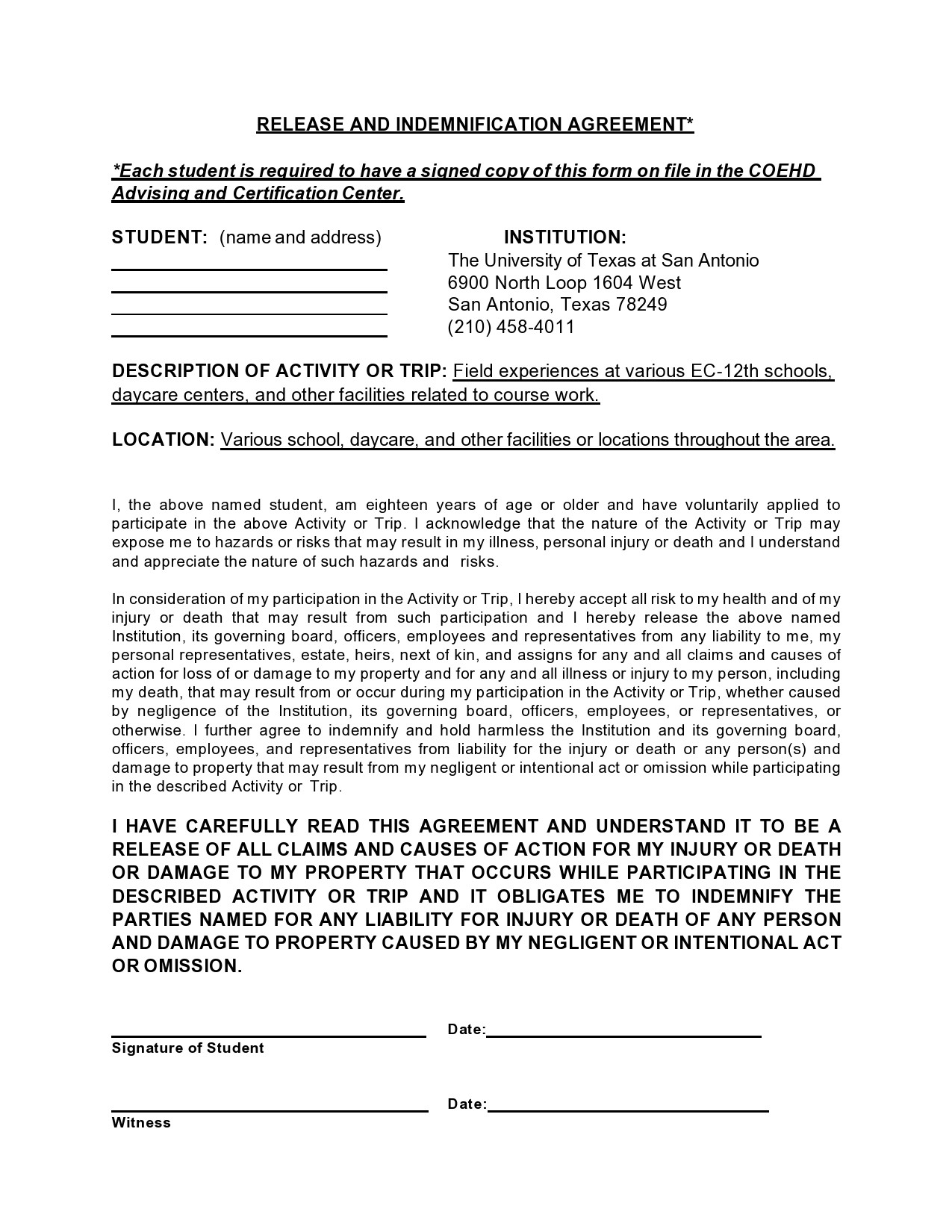
41 Free Indemnification Agreements (Word) ᐅ TemplateLab
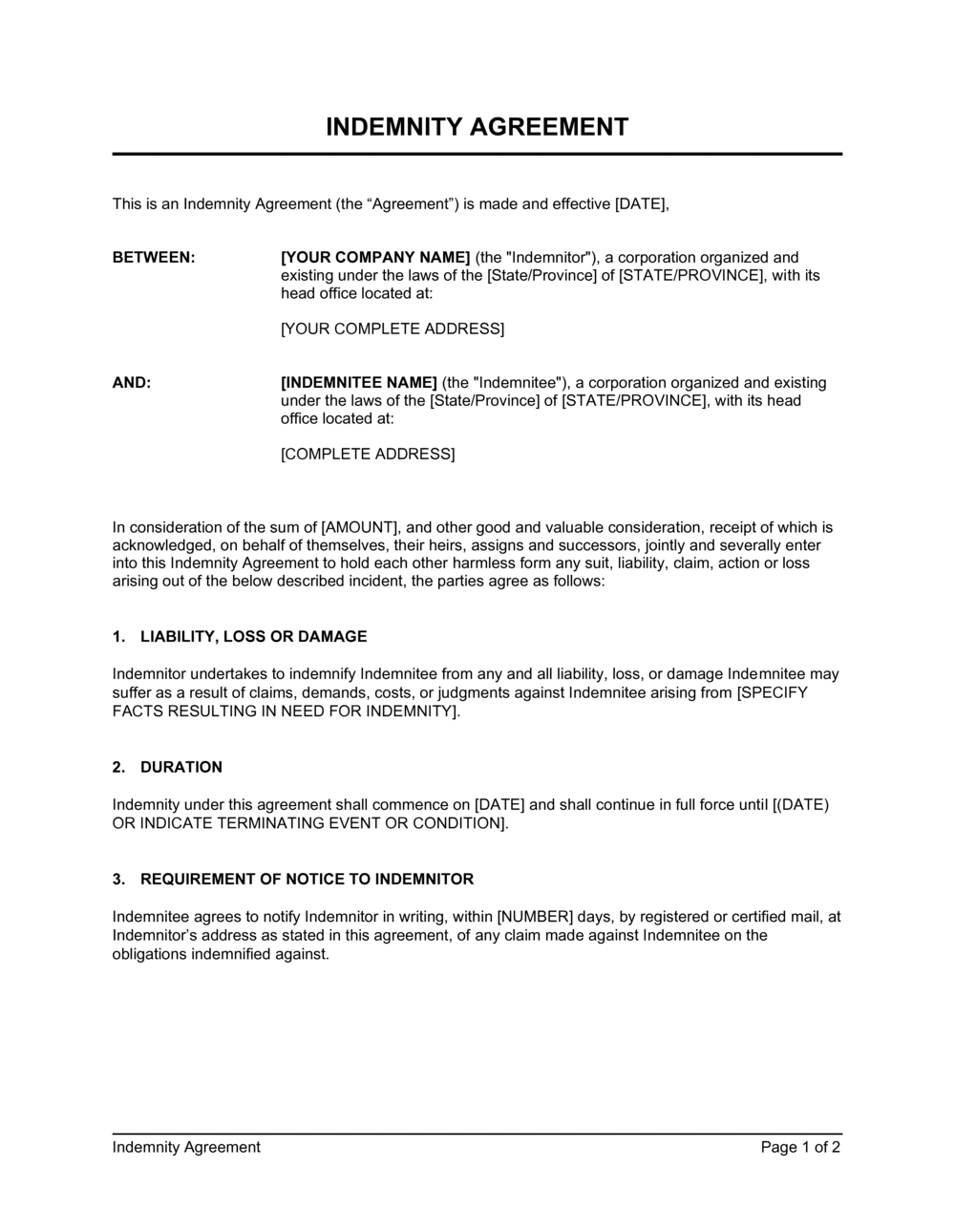
Free Indemnity Agreement Template
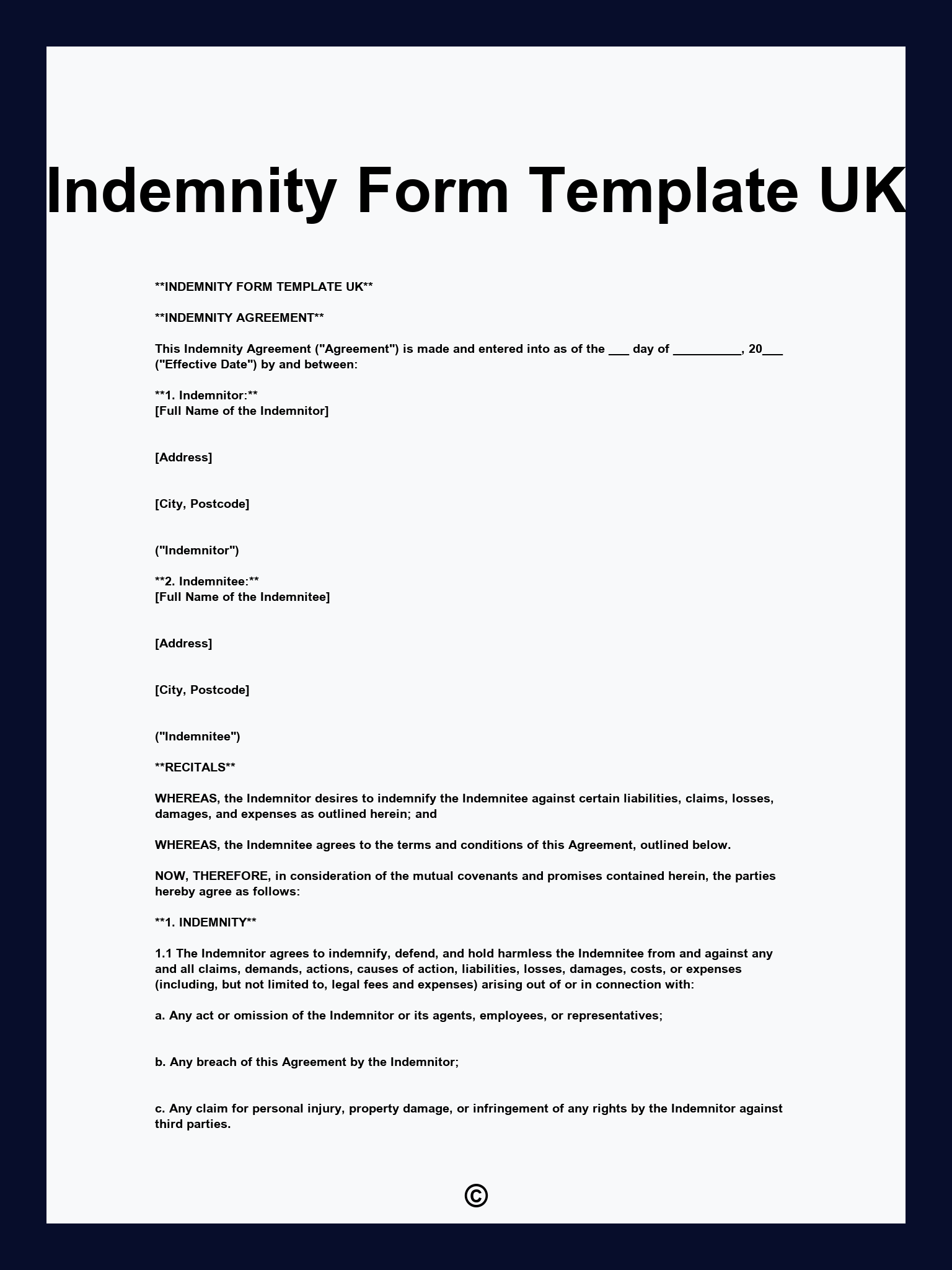
Indemnity Form Template
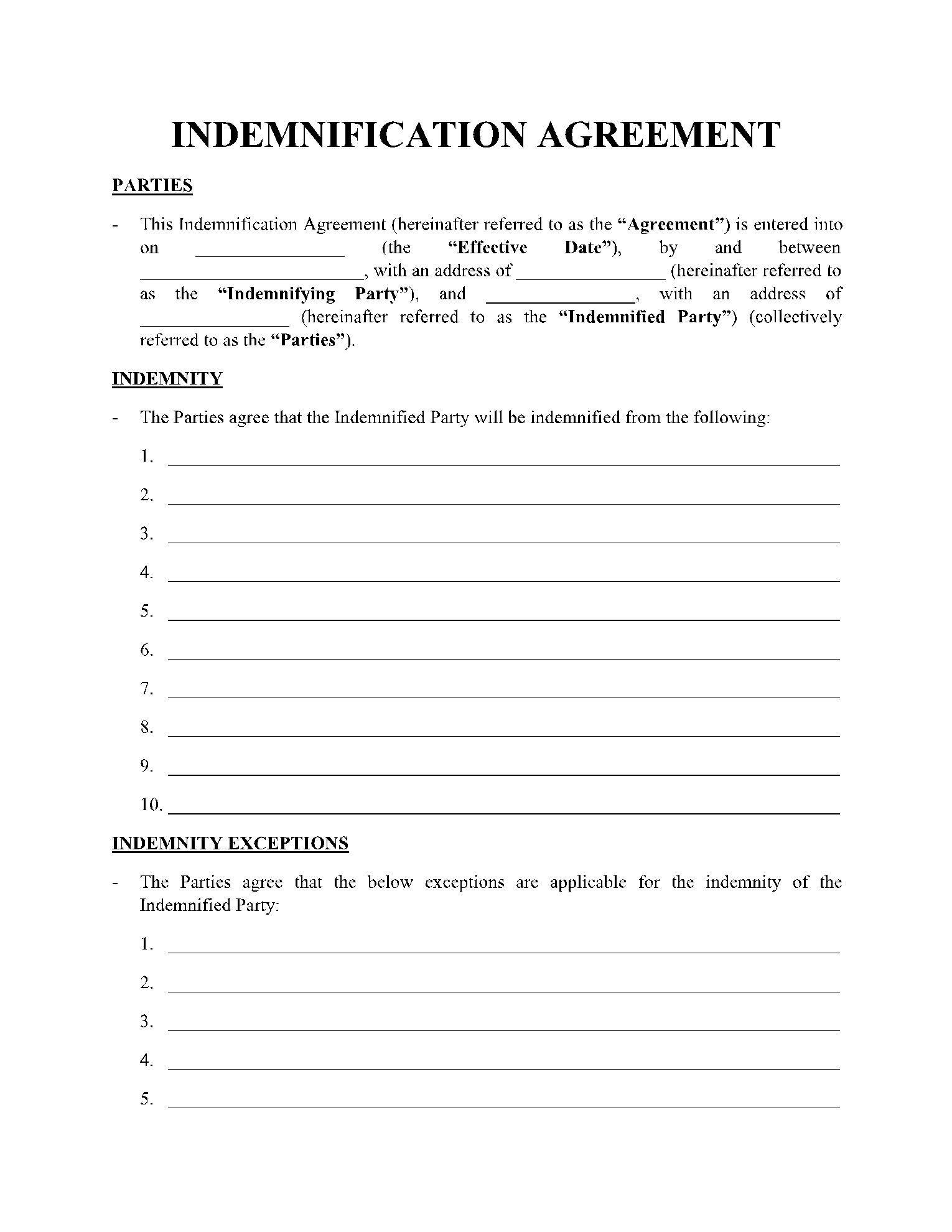
Indemnification Agreement 1
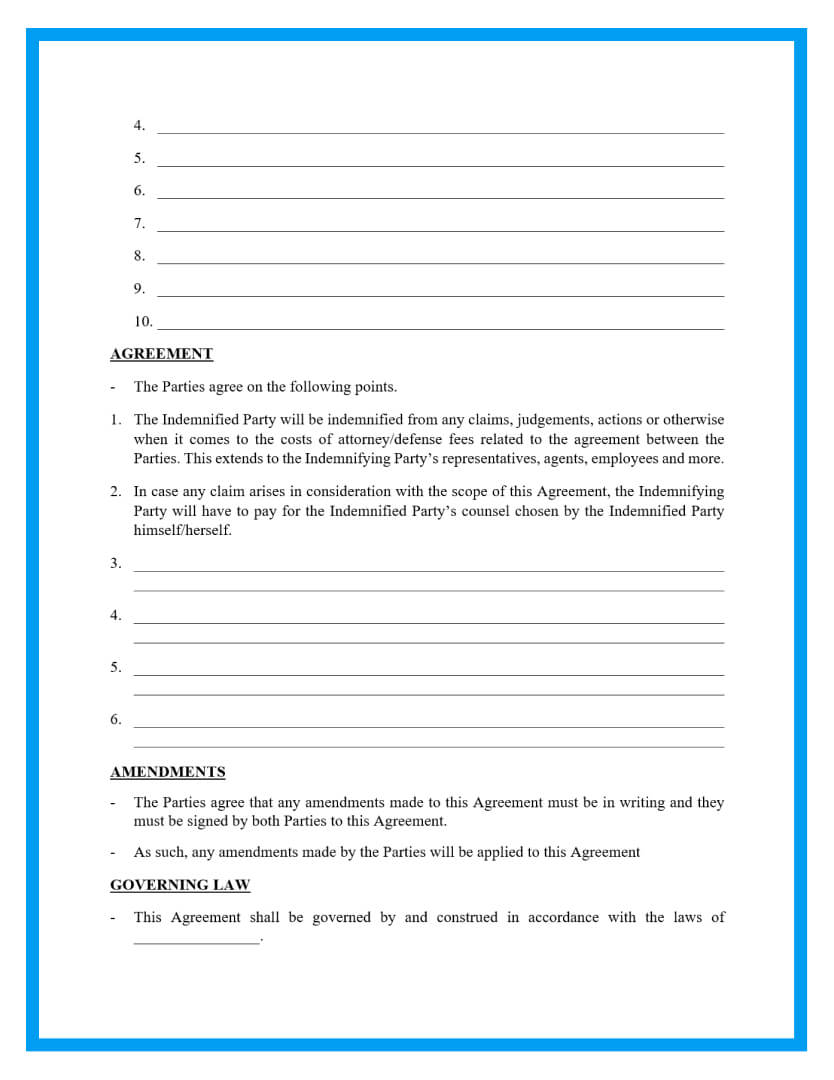
Free Indemnity Form Template Download
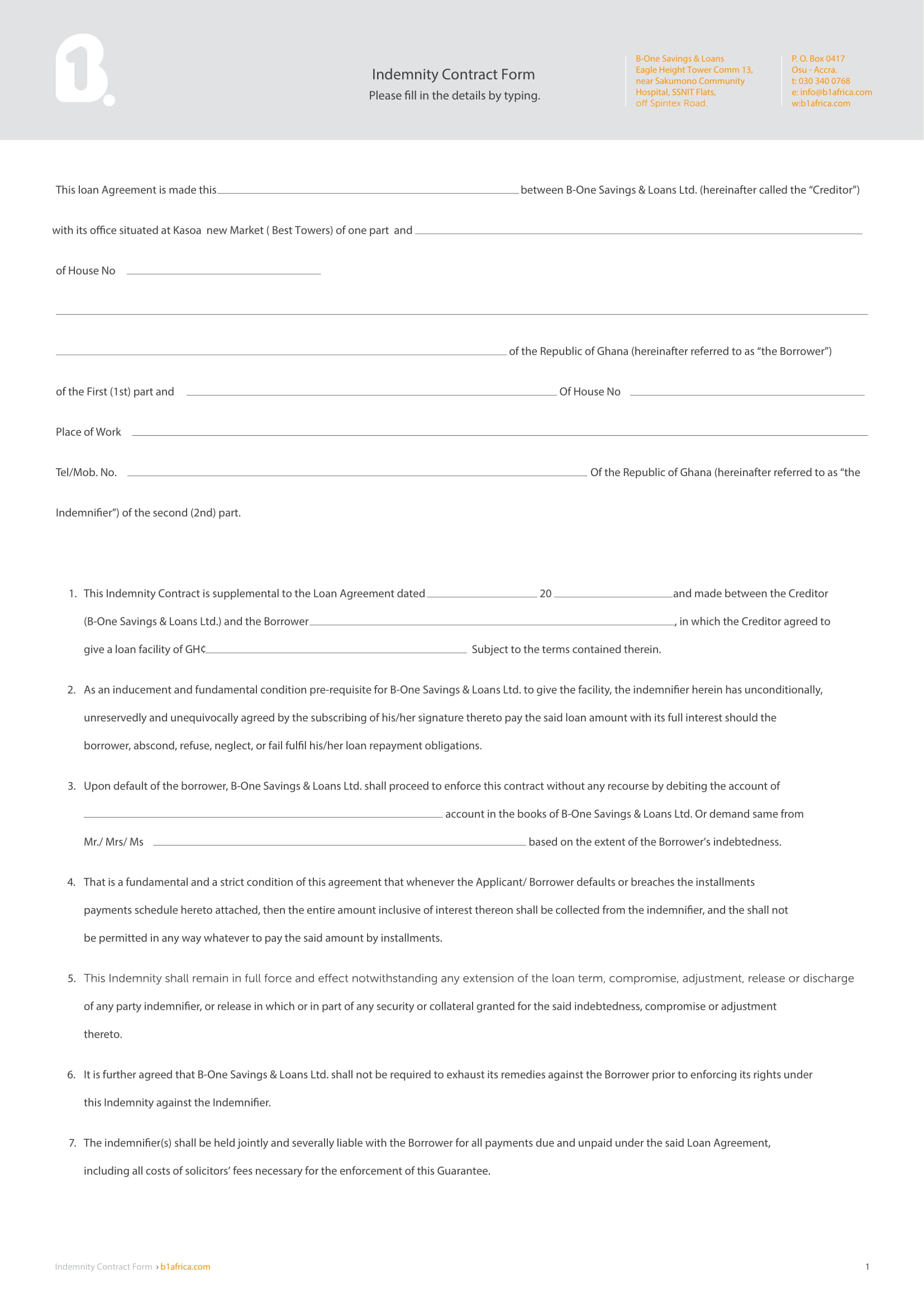
Indemnity Form Template
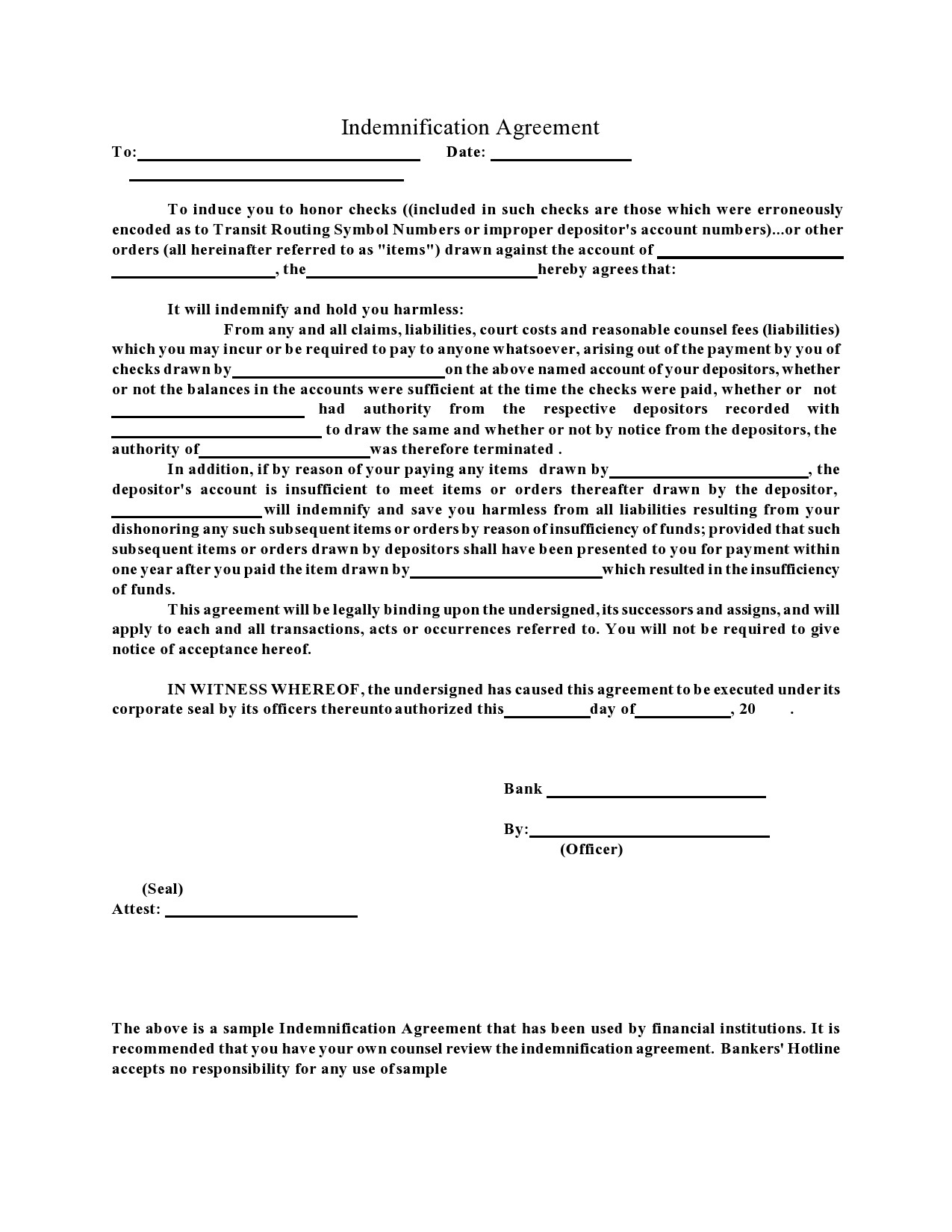
Indemnity Agreement Template Free Sample, Example & Format Template

41 Free Indemnification Agreements (Word) ᐅ TemplateLab
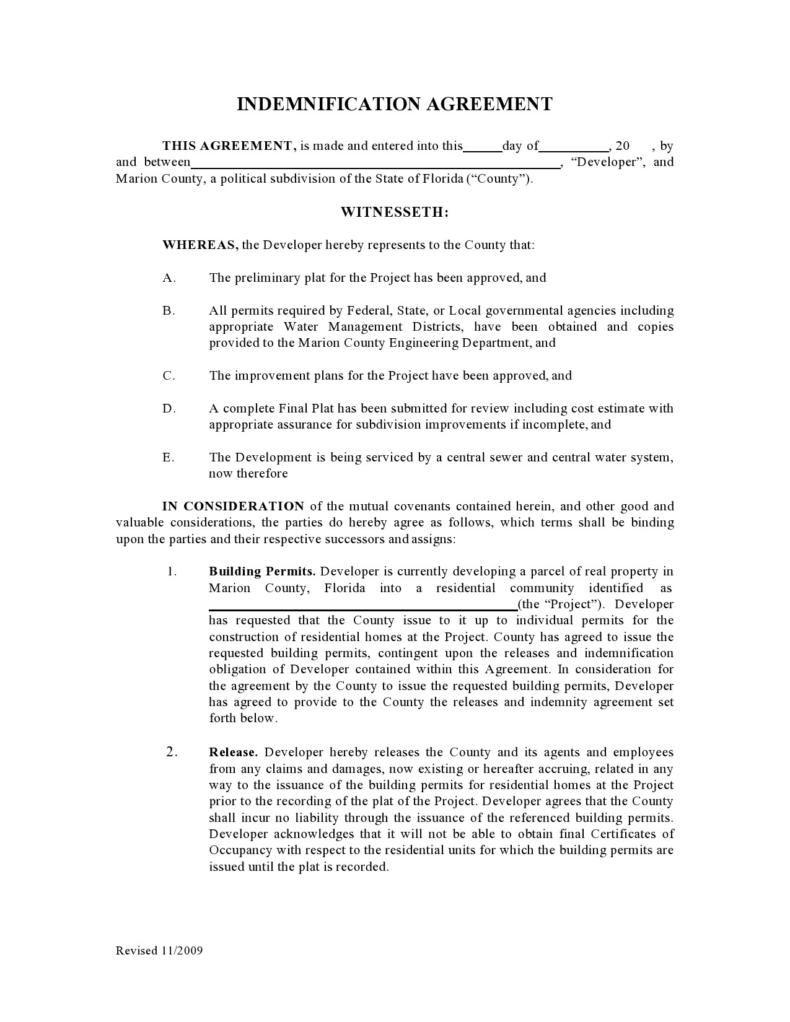
41 Free Indemnification Agreements (Word) ᐅ TemplateLab

41 Free Indemnification Agreement Templates Form And Template

Indemnity agreement template free to use

Indemnity Form Free Printable Documents
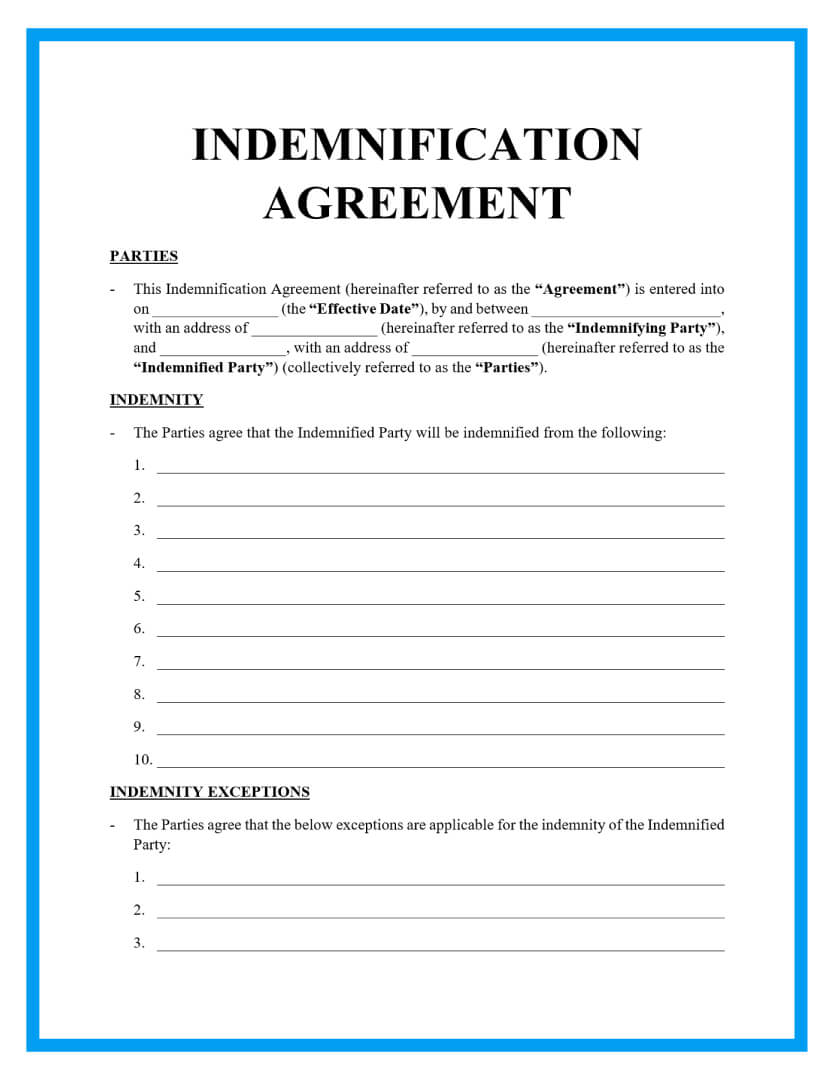
Free Indemnification Agreement Sample

Indemnification Agreement Template AT A GLANCE
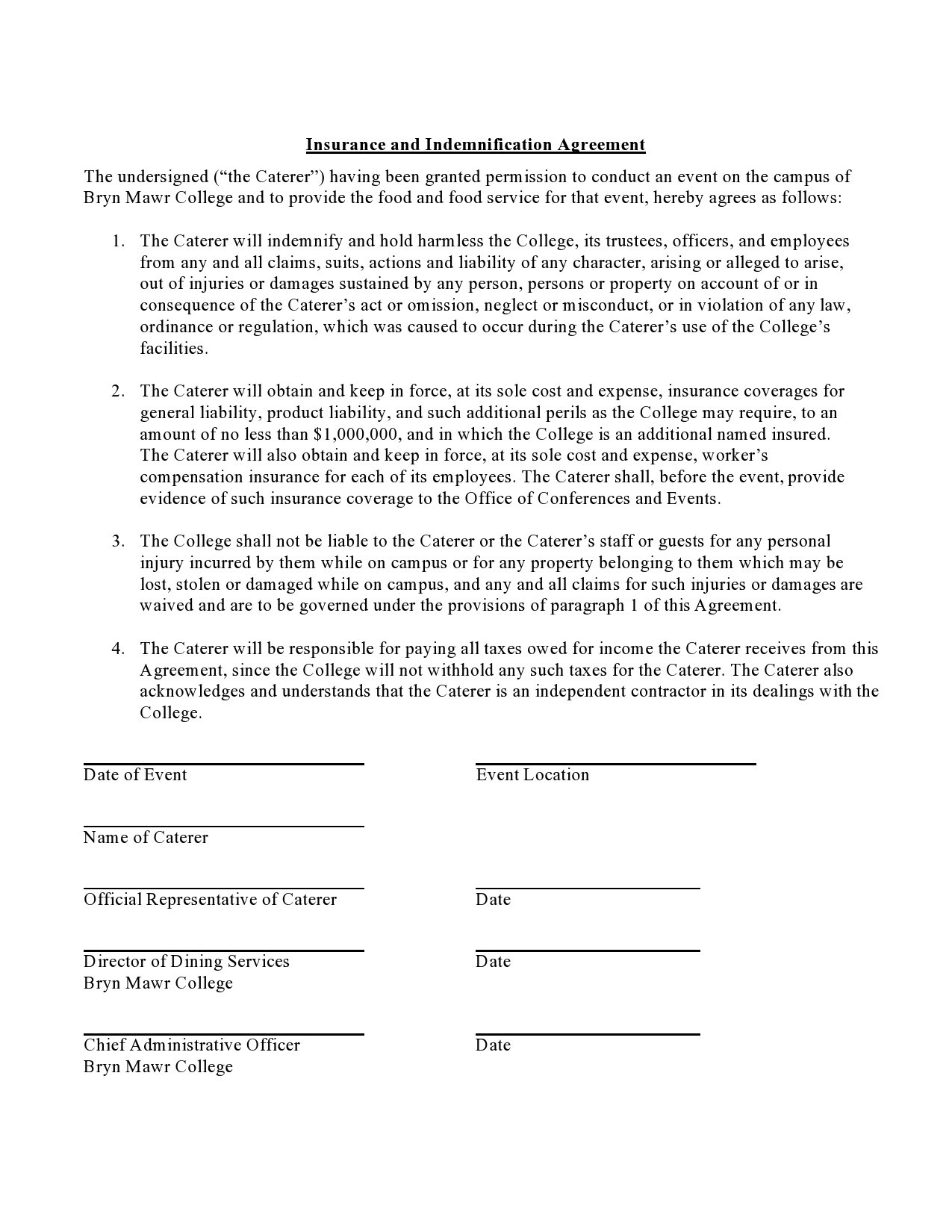
Indemnification Form Template
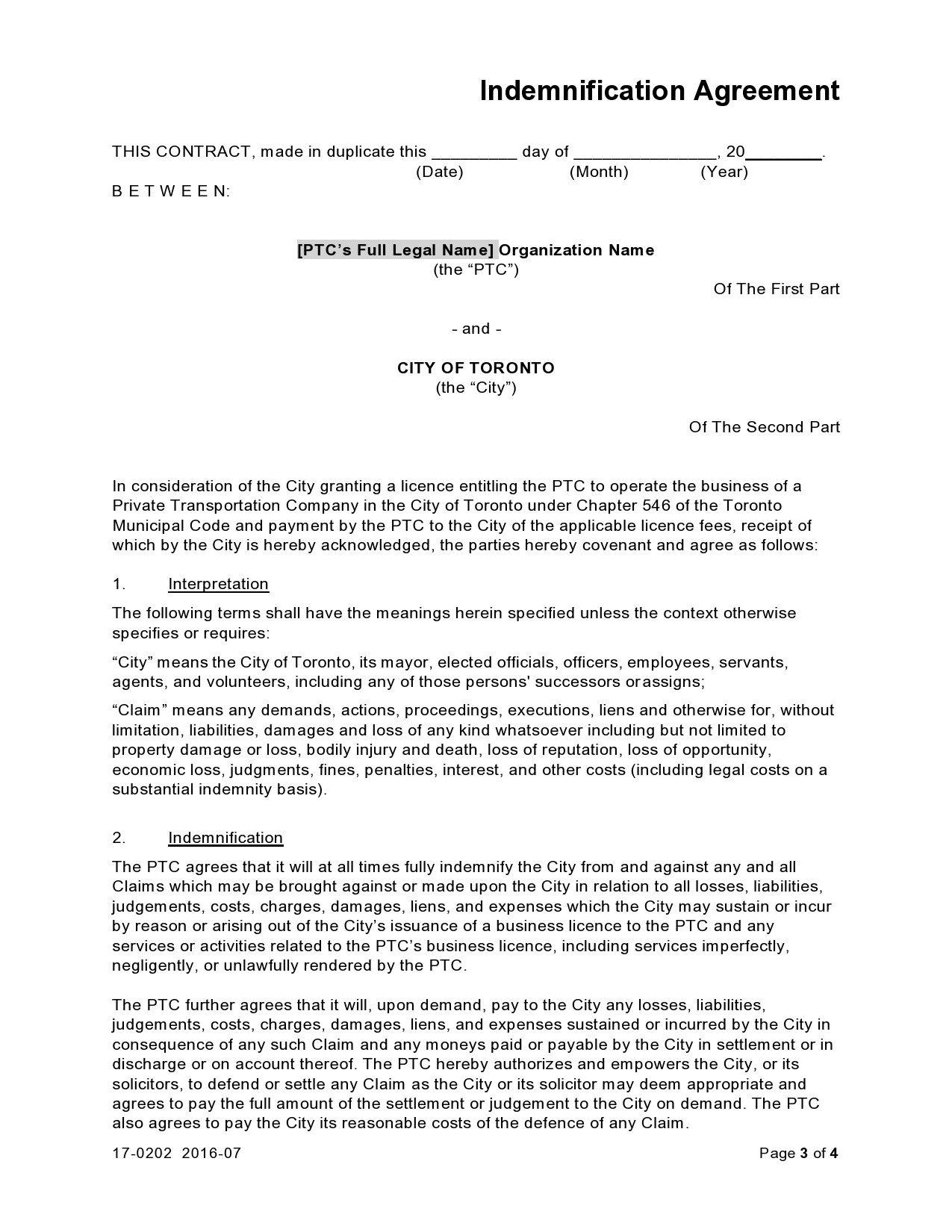
41 Free Indemnification Agreements (Word) ᐅ TemplateLab
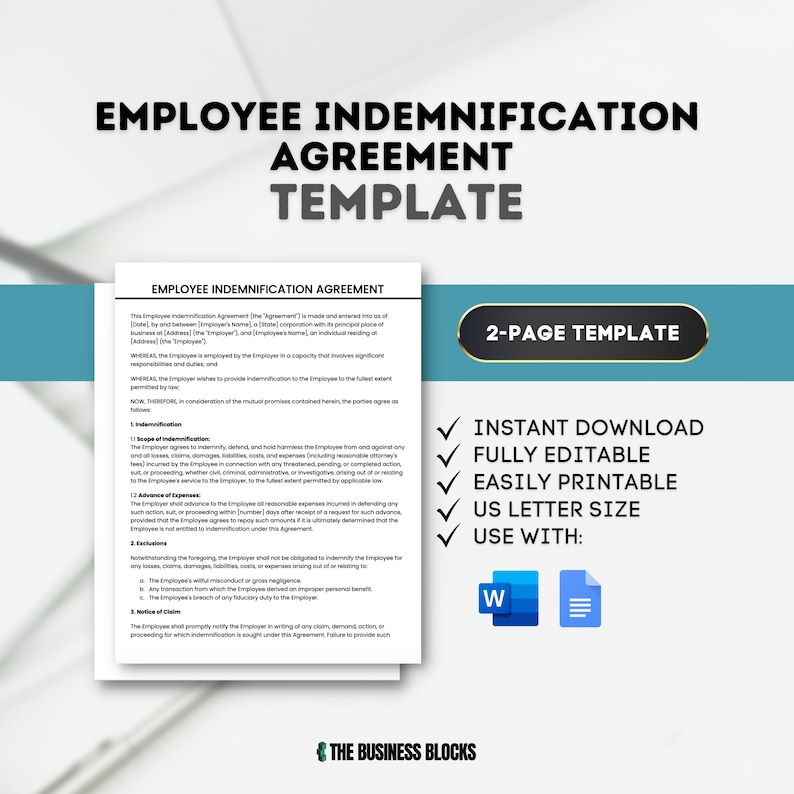
Employee Indemnification Agreement Template Editable Legal Form
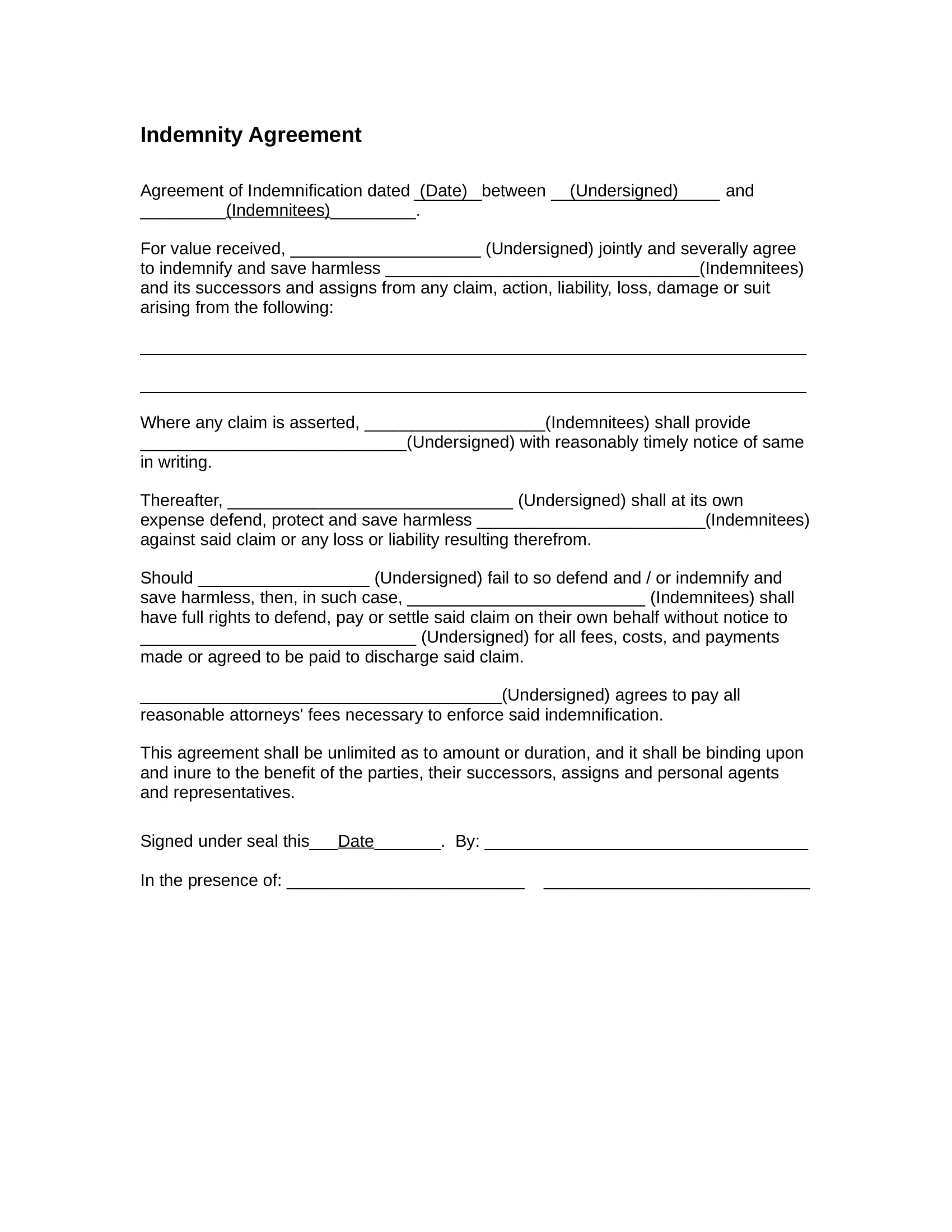
Indemnity Agreement Template Free Sample, Example & Format Template
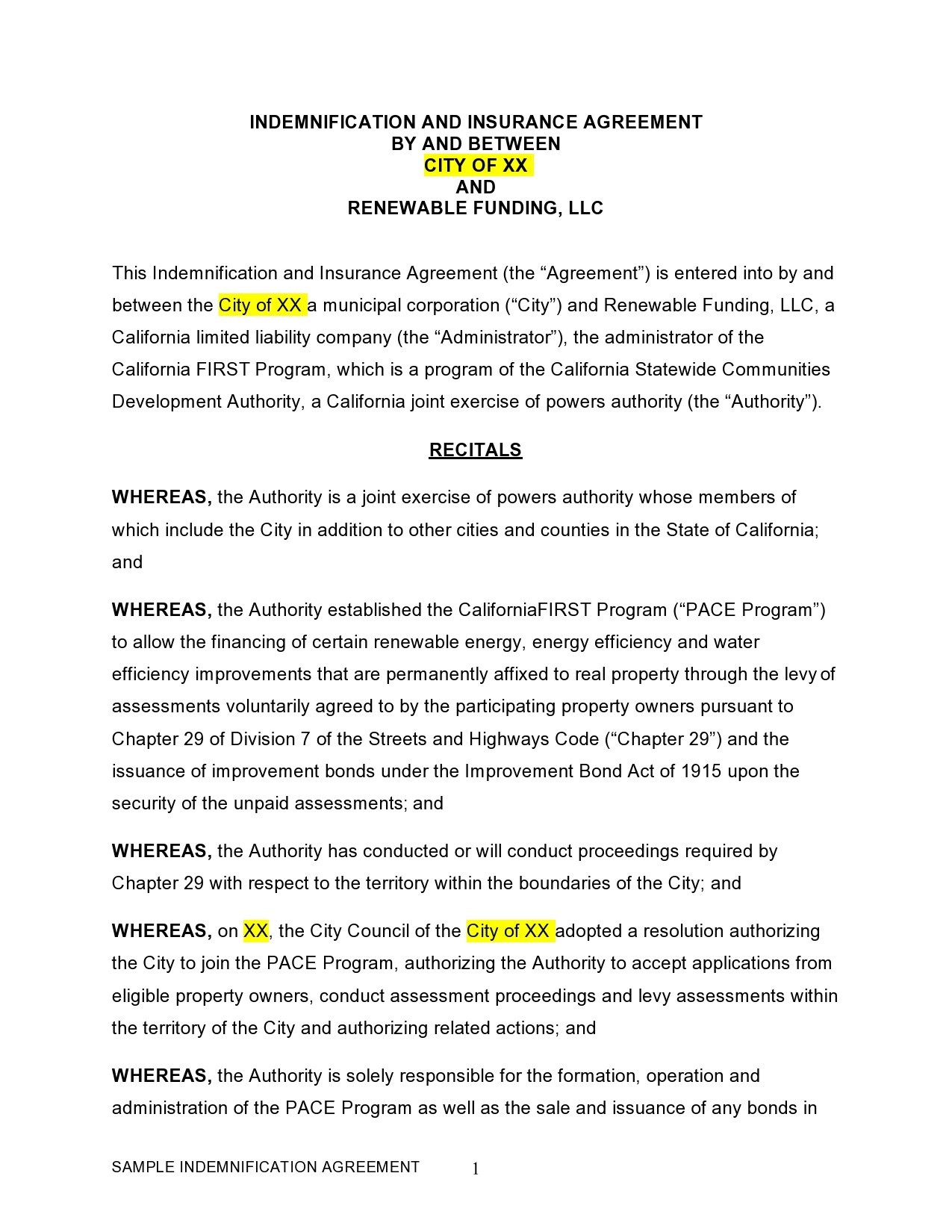
41 Free Indemnification Agreements (Word) ᐅ TemplateLab
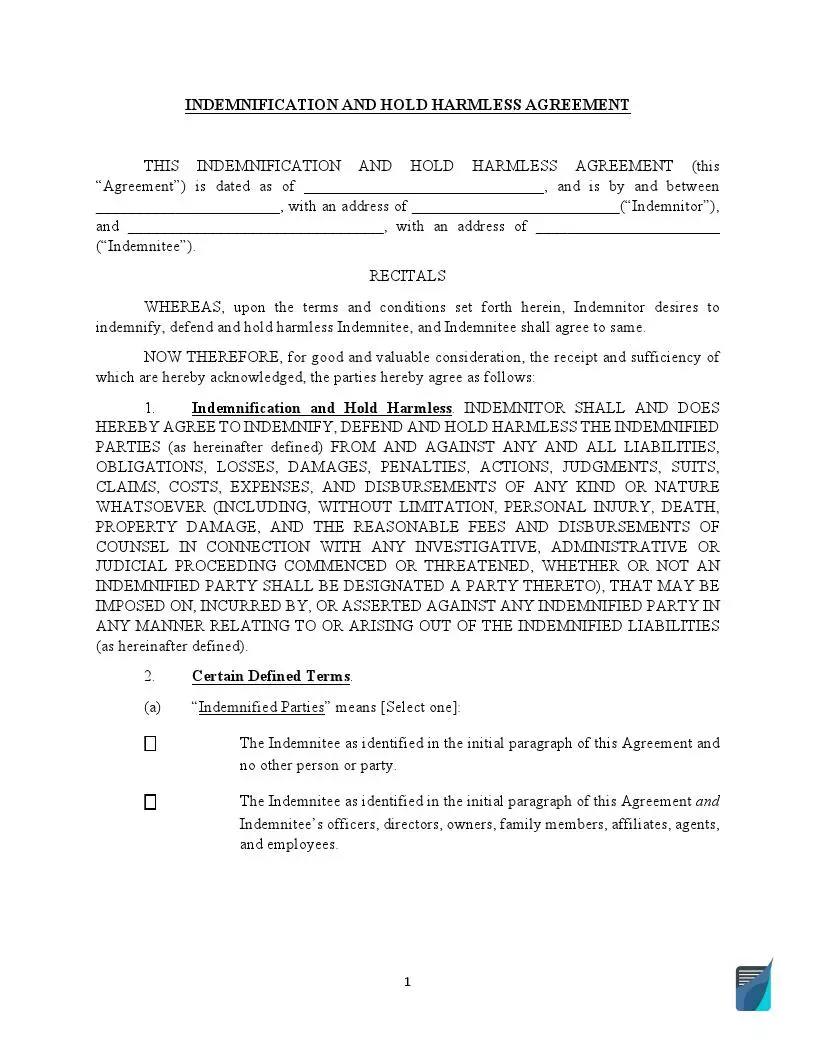
Indemnity Agreement Form Simple Indemnification Template
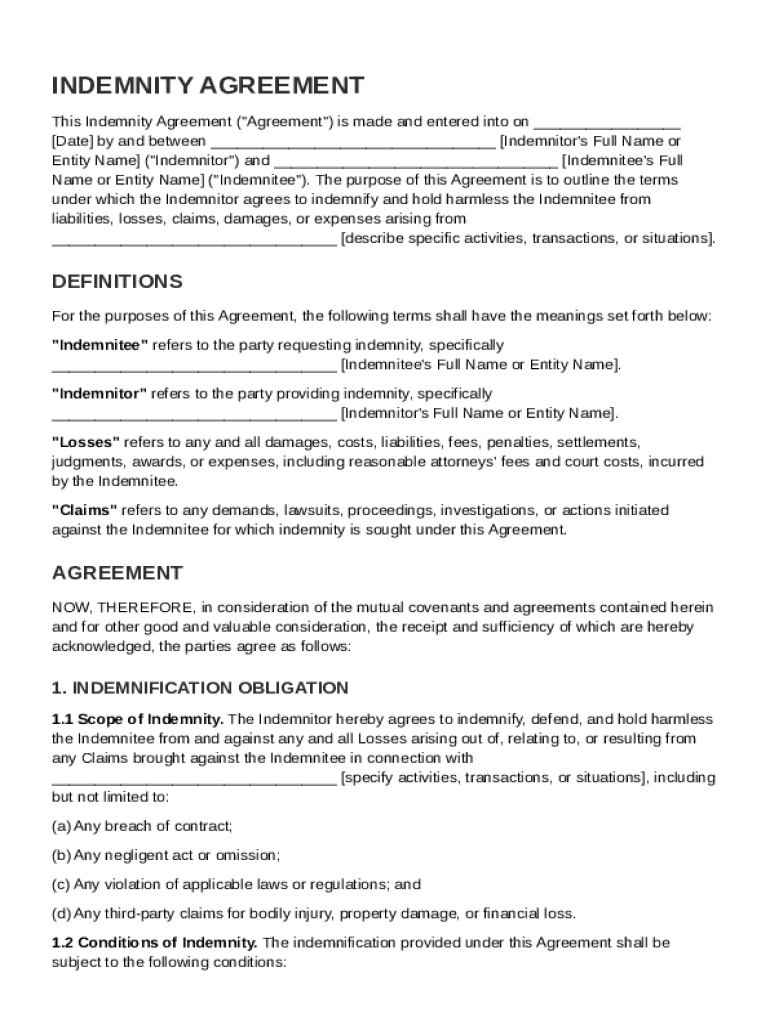
Indemnity Indemnity Agreement Template Fill out & sign online DocHub
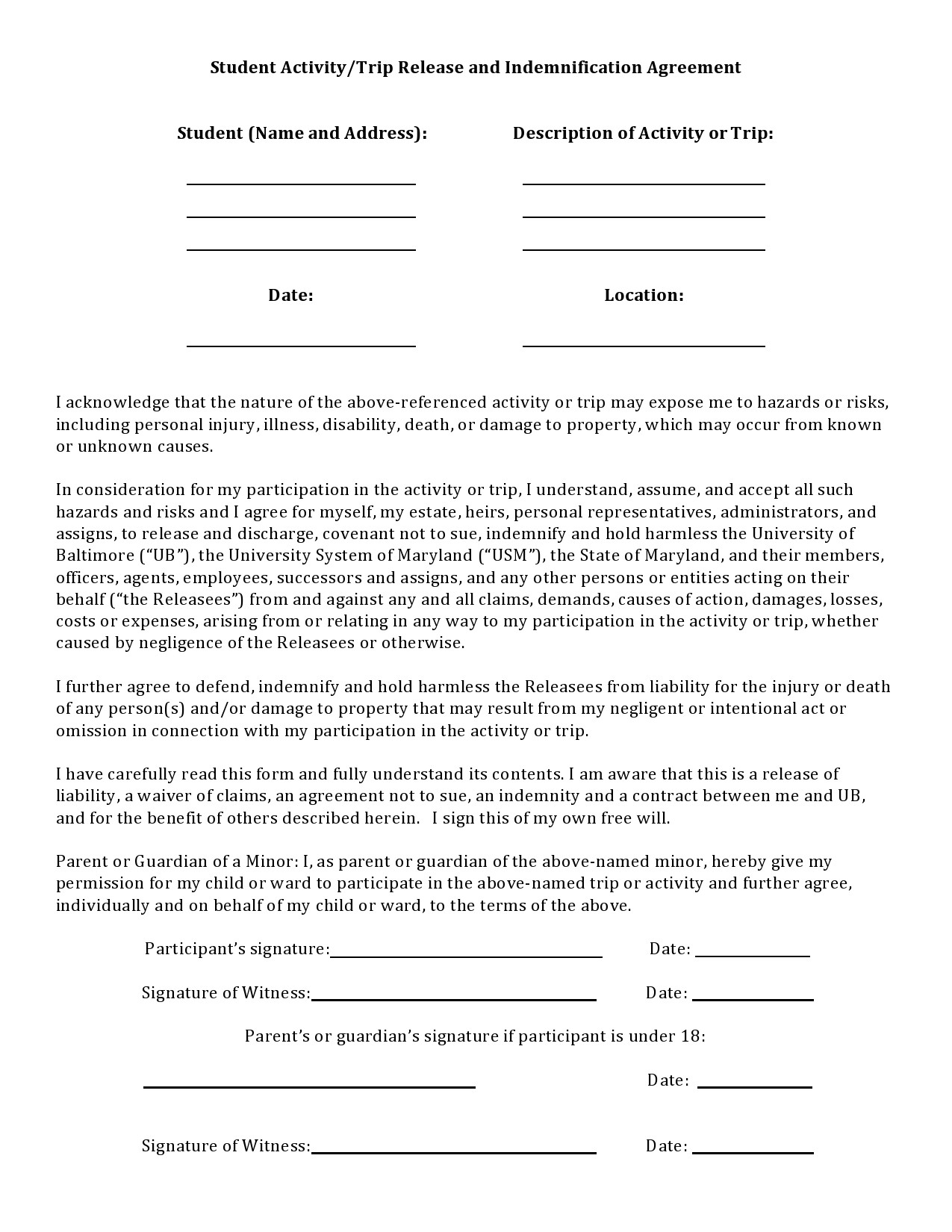
41 Free Indemnification Agreements (Word) ᐅ TemplateLab
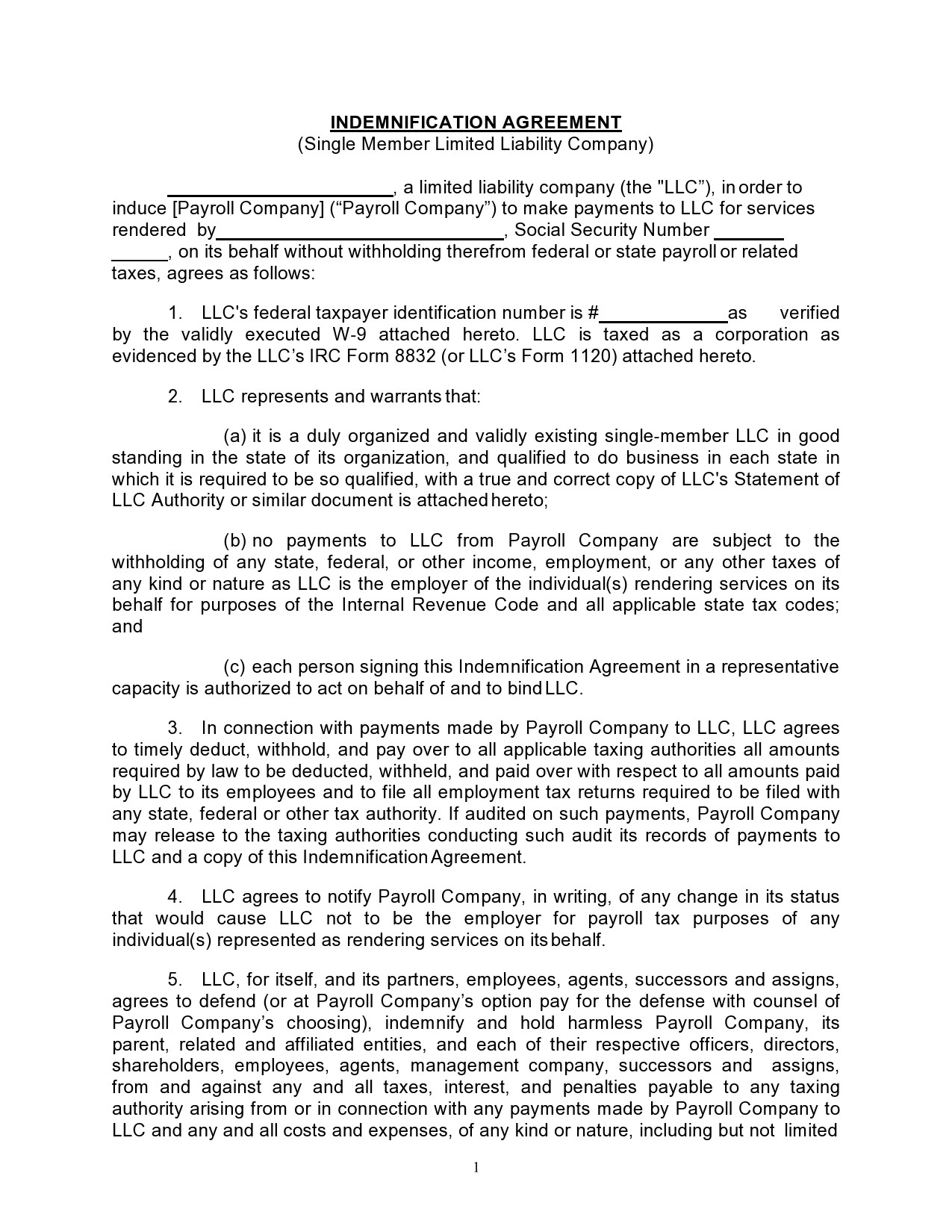
41 Free Indemnification Agreements (Word) ᐅ TemplateLab
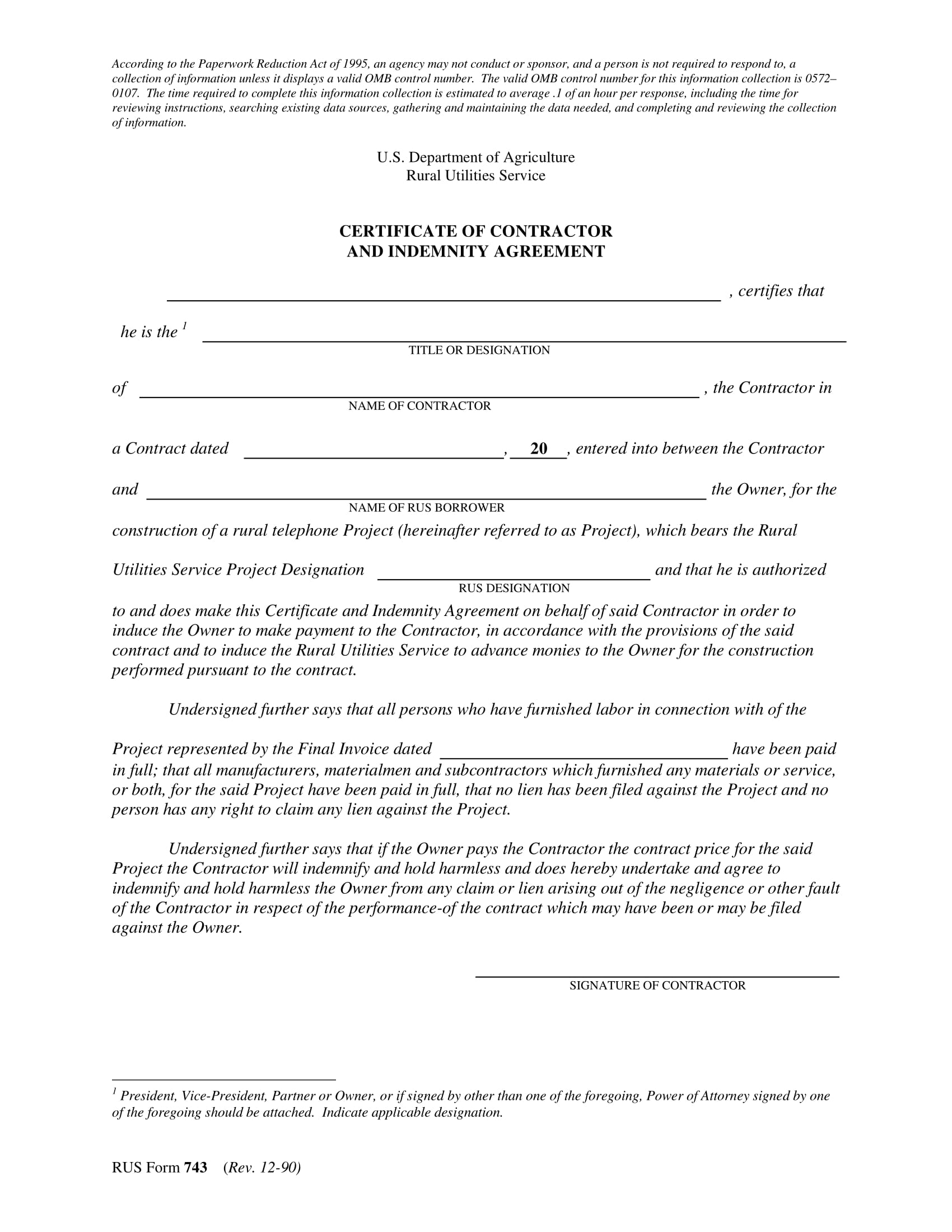
Indemnification Agreement Template

Free Indemnity Agreement Template PDF & Word
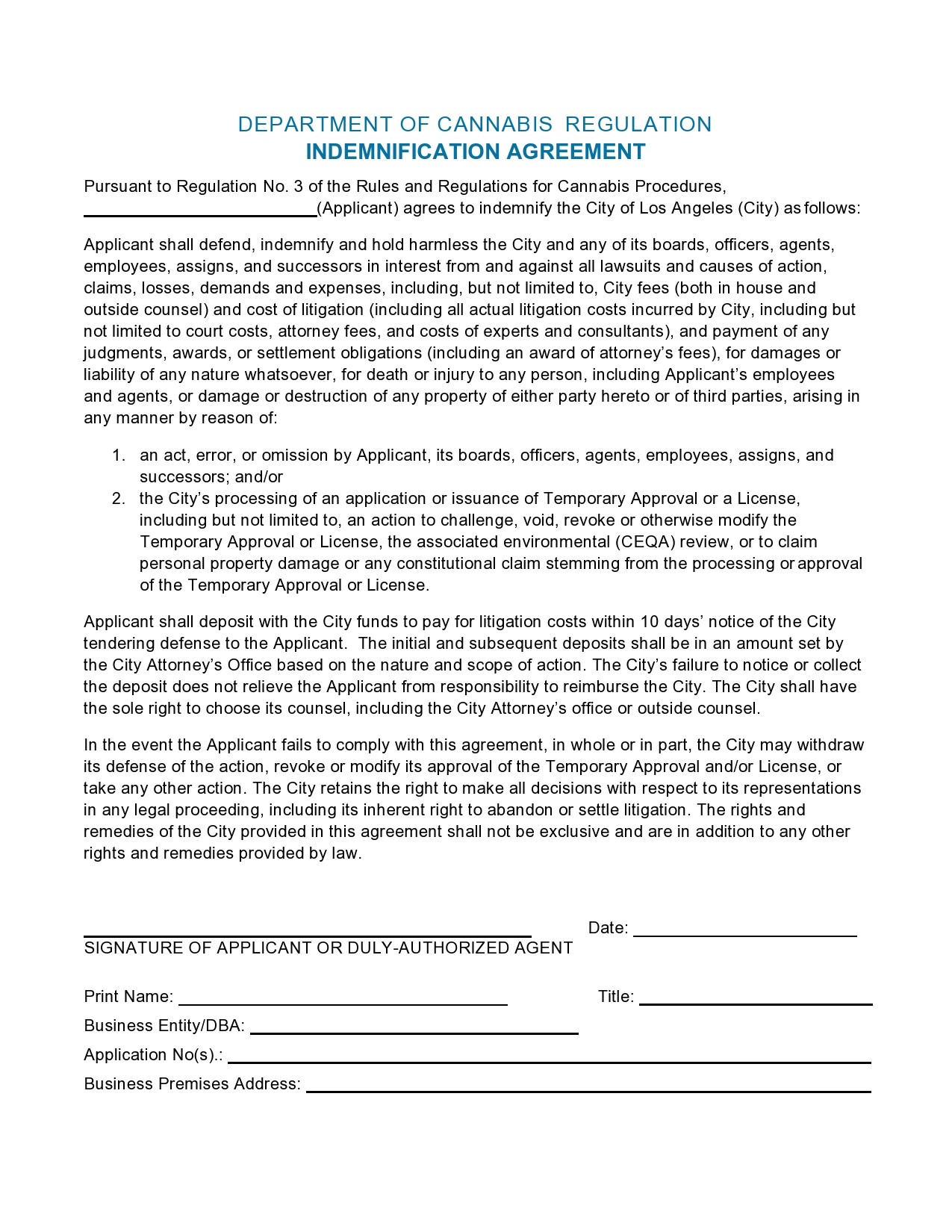
41 Free Indemnification Agreements (Word) ᐅ TemplateLab
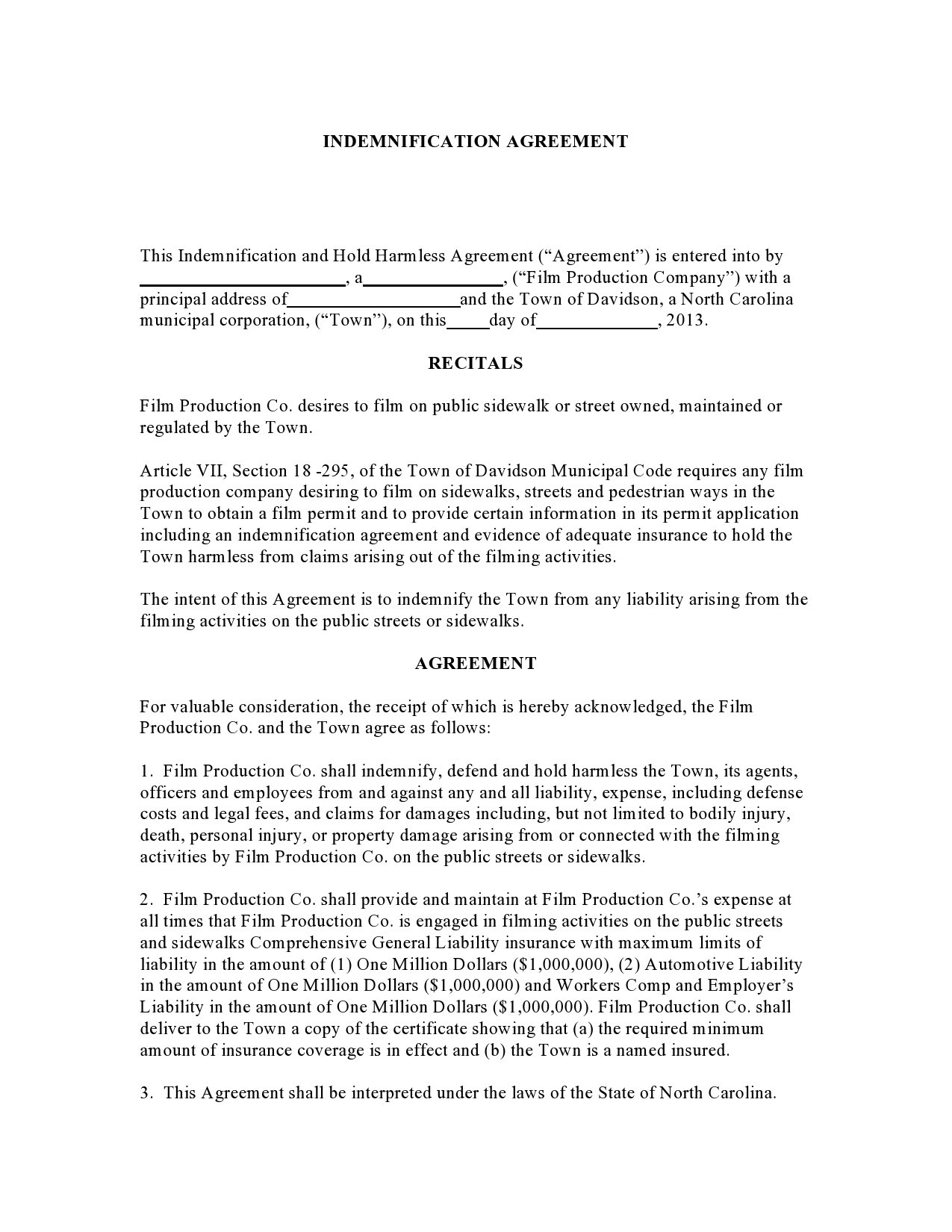
41 Free Indemnification Agreements (Word) ᐅ TemplateLab
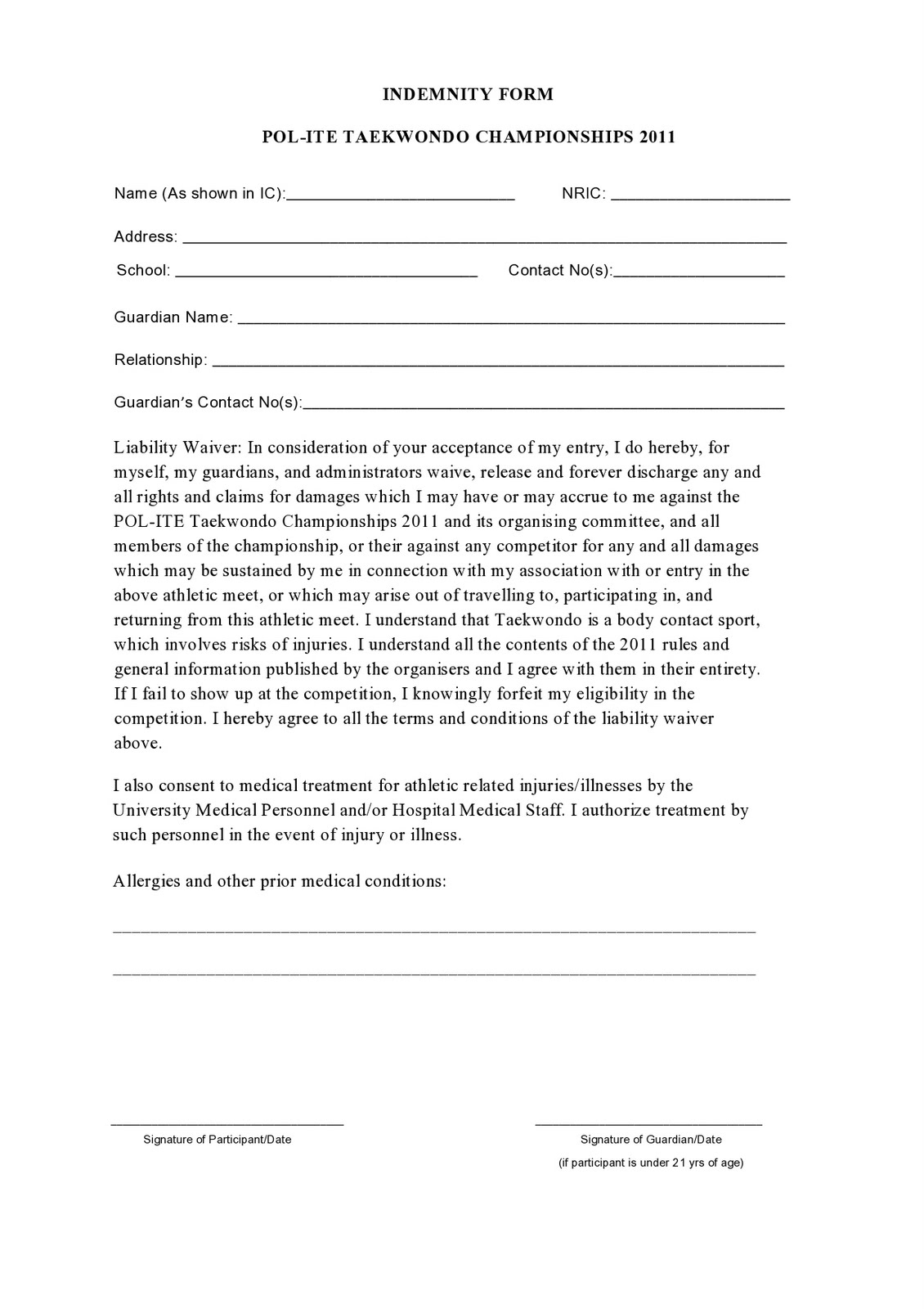
Free Indemnity Form Template Download
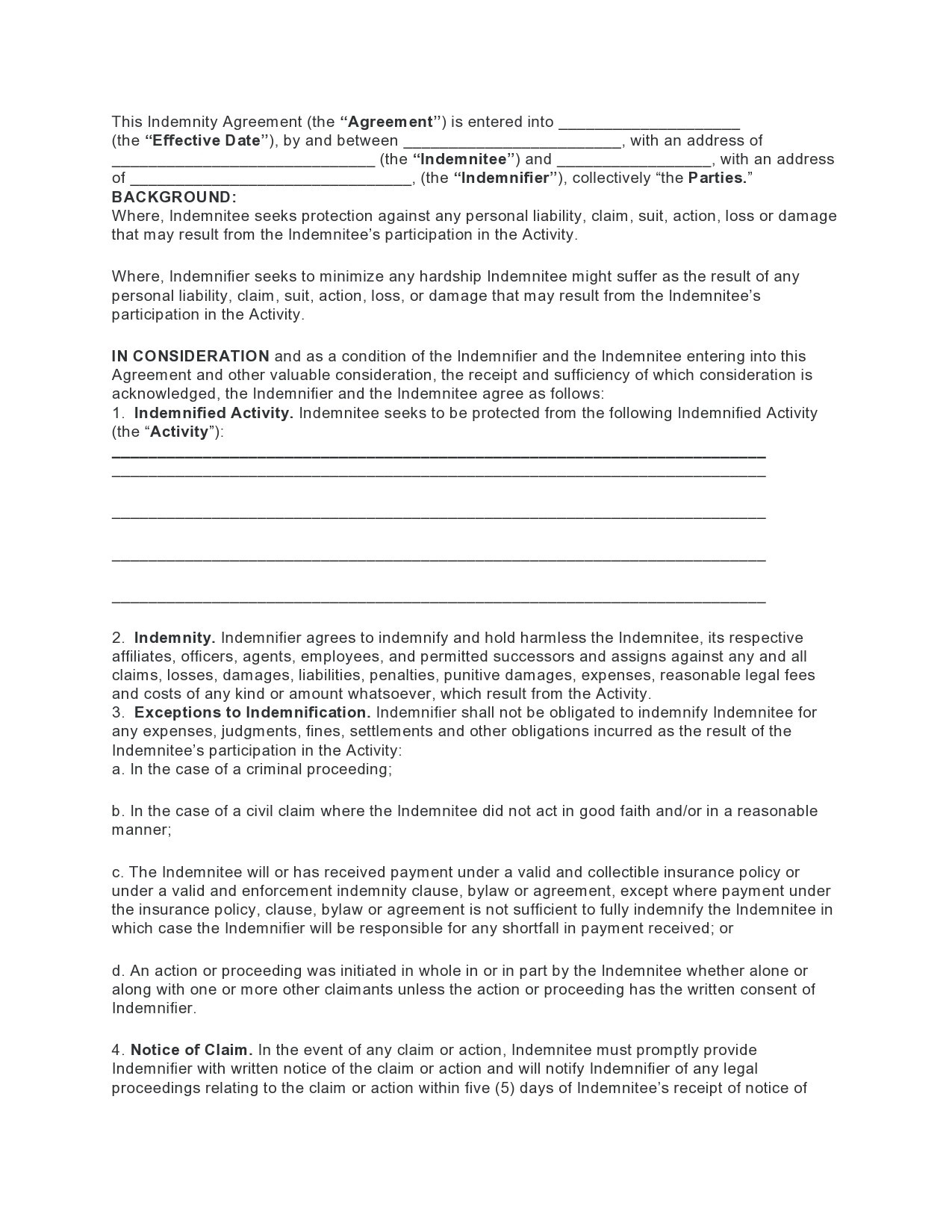
41 Free Indemnification Agreements (Word) ᐅ TemplateLab
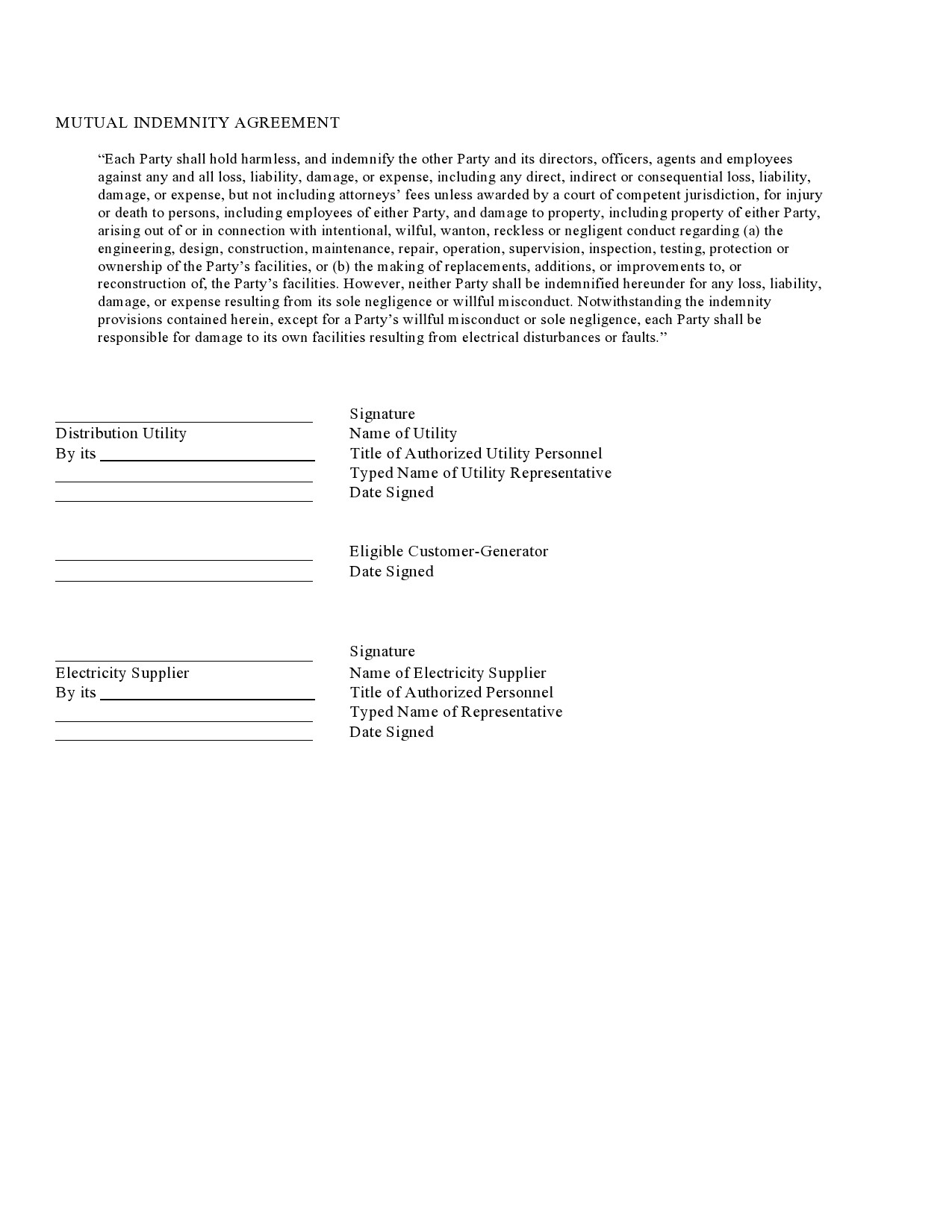
41 Free Indemnification Agreements (Word) ᐅ TemplateLab
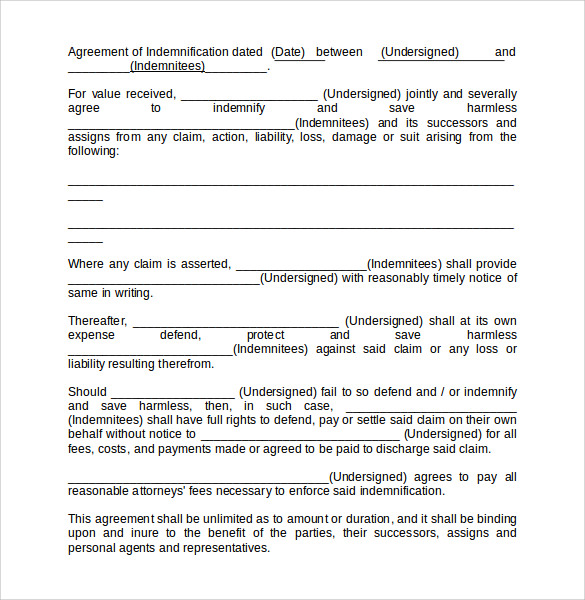
FREE 13+ Sample Indemnity Agreement Templates in MS Word PDF
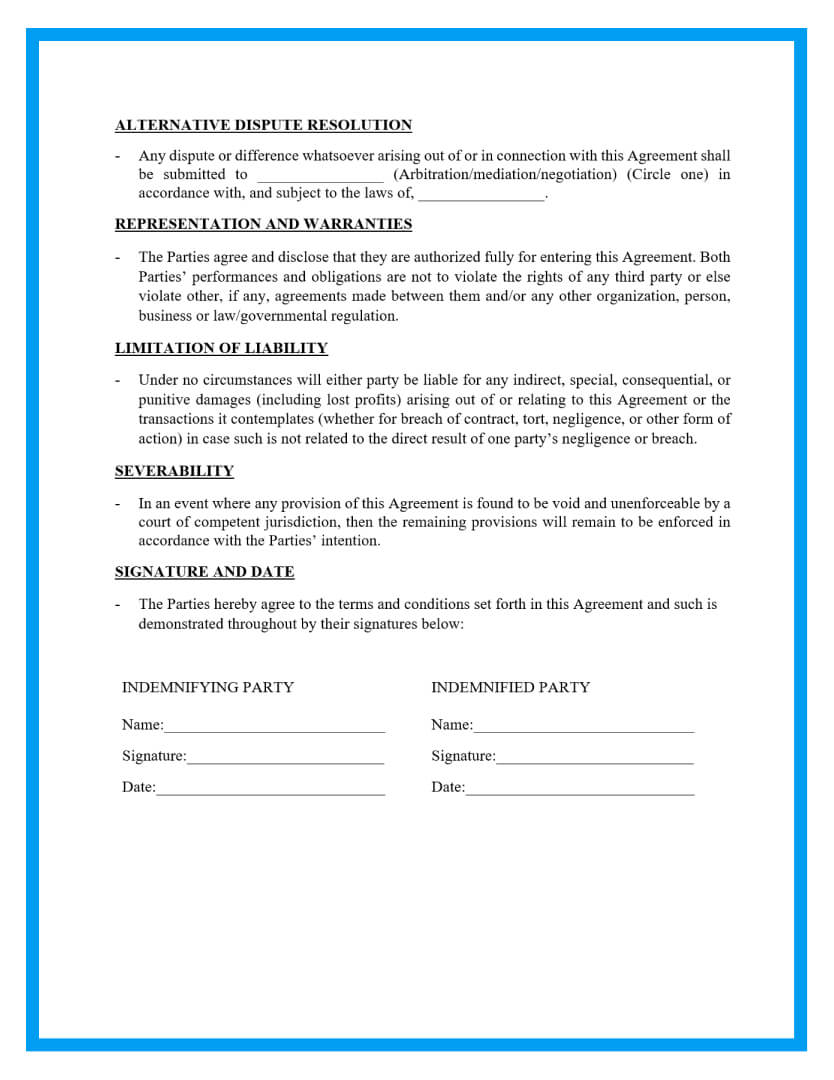
Free Indemnification Agreement Sample
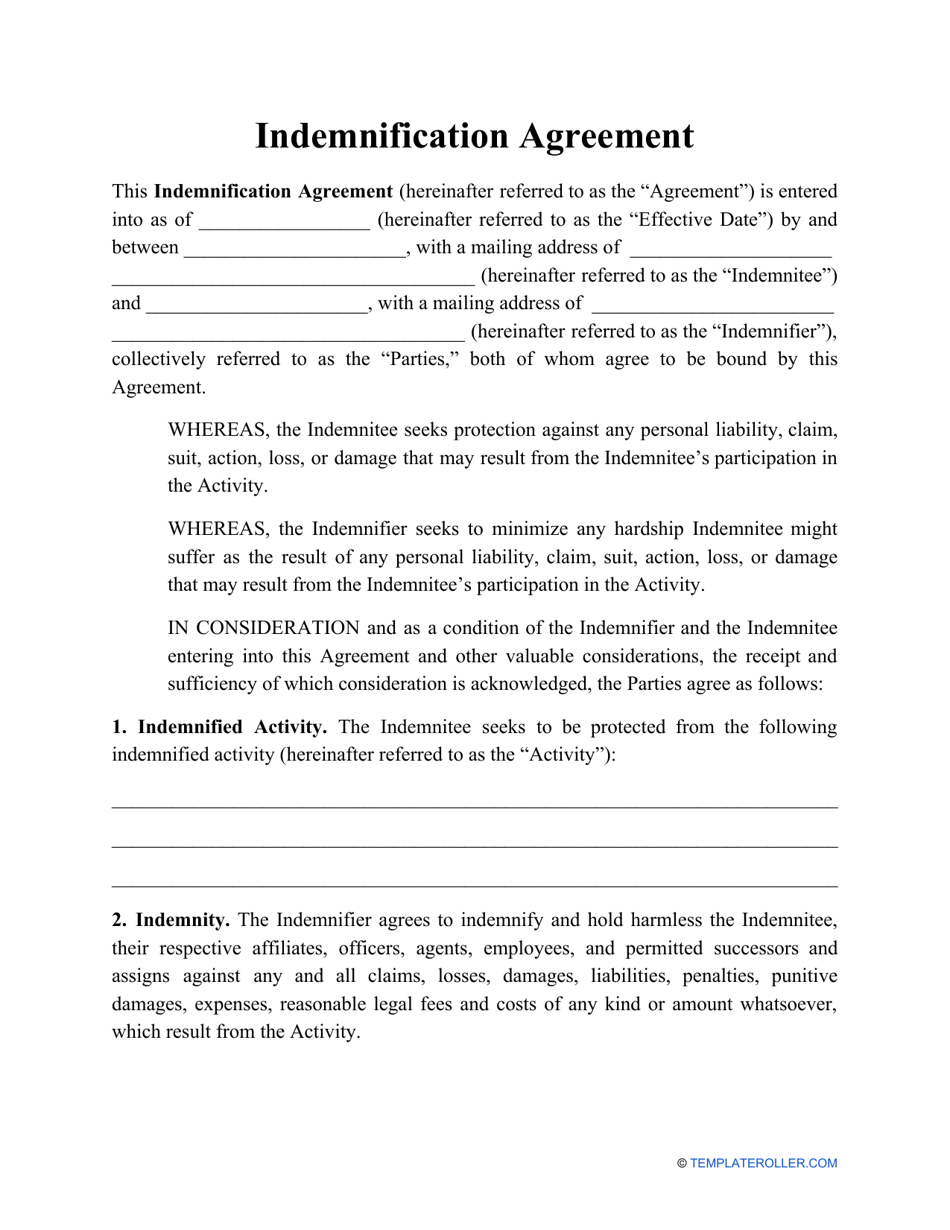
Free Indemnity Form Template Download
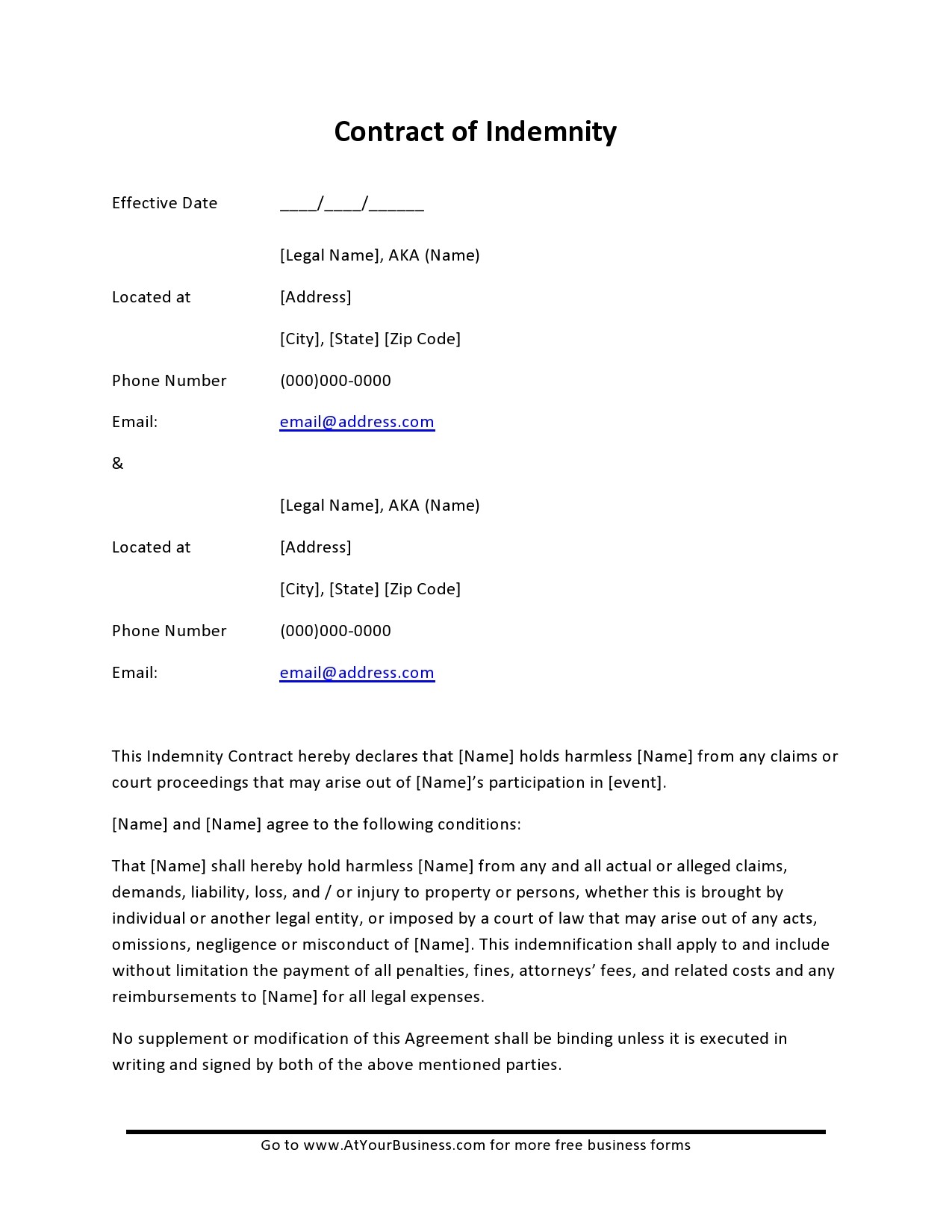
41 Free Indemnification Agreements (Word) ᐅ TemplateLab
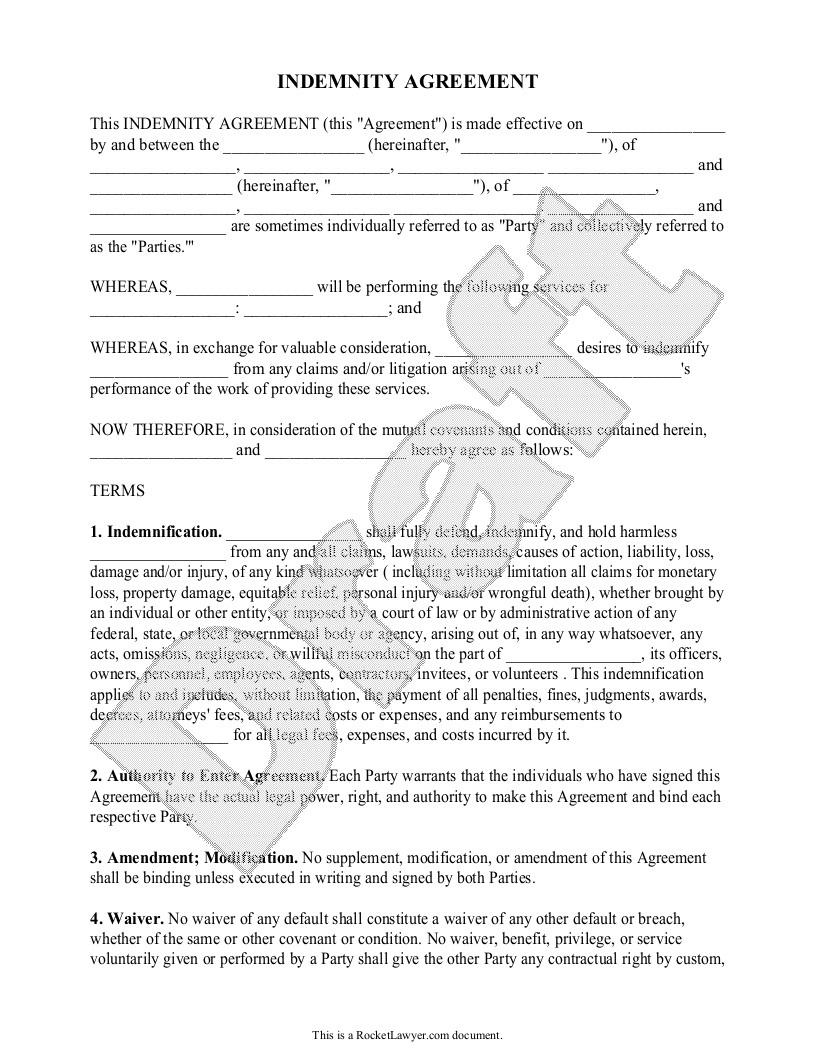
Indemnity Agreement Template Free Sample, Example & Format Template
An Indemnity Provision Requires One Party (The “Indemnitor”) To Agree To.
Indemnification Is A Contractual Agreement Where One Party Agrees To Cover The Financial Losses, Legal Claims, Or Damages Incurred By Another Party.
In This Article, We Discuss Indemnification, How It Works In Legal Contracts, Different Types Of Indemnification,.
Related Post: