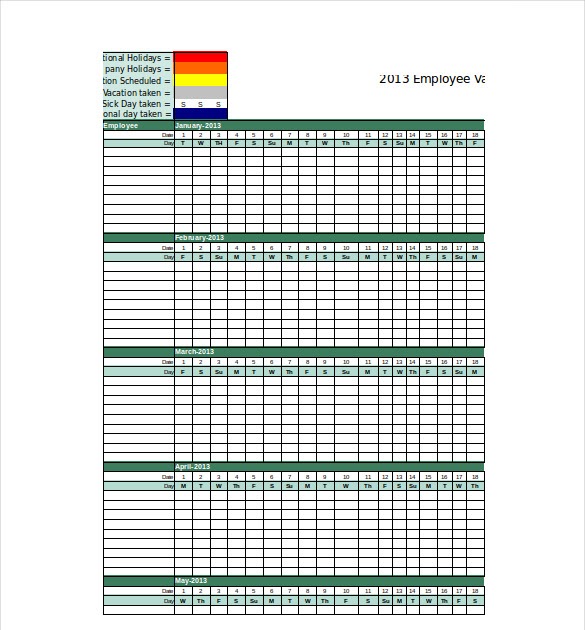
Paid Time Off Excel Template
Paid Time Off Excel Template - To give over (money) in exchange for something. In almost all cases, the past tense and past participle of pay is paid. Being given money for something: To pay (someone) everything due that person, esp. See examples of paid used in a sentence. If the verb pay is used in a nautical sense, the correct form is payed. Past simple and past participle of pay 2. You can say, for example, that someone is well paid when they receive a lot of money for the work that they do. To discharge or settle (a debt, obligation, etc.), as by transferring money or goods, or by doing something. A simple past tense and past participle of pay. Past simple and past participle of pay 2. To pay (someone) everything due that person, esp. The meaning of paid is past tense and past participle of pay. Past simple and past participle of pay 2. To give over (money) in exchange for something. You can say, for example, that someone is well paid when they receive a lot of money for the work that they do. Past simple and past participle of pay 2. If the verb pay is used in a nautical sense, the correct form is payed. The correct past tense of the verb pay is paid, as long as the. The correct past tense of the verb pay is paid, as long as the word is used in the financial or transactional sense. Past simple and past participle of pay 2. See examples of paid used in a sentence. To discharge or settle (a debt, obligation, etc.), as by transferring money or goods, or by doing something. To pay (someone). You can say, for example, that someone is well paid when they receive a lot of money for the work that they do. Being given money for something: Past simple and past participle of pay 2. #paid is a creator marketplace where brands and creators connect, collaborate, and measure their creator marketing campaigns. To pay (someone) everything due that person,. A simple past tense and past participle of pay. Past simple and past participle of pay 2. The meaning of paid is past tense and past participle of pay. Being given money for something: Paid means to do with the money a worker receives from his or her employer. The correct past tense of the verb pay is paid, as long as the word is used in the financial or transactional sense. #paid is a creator marketplace where brands and creators connect, collaborate, and measure their creator marketing campaigns. To transfer money to (a person or. The meaning of paid is past tense and past participle of pay. You. The meaning of paid is past tense and past participle of pay. [~ + object + off] the company paid him off and he left.[~ + off + object] the company paid off as many workers as it could before bankruptcy. To discharge or settle (a debt, obligation, etc.), as by transferring money or goods, or by doing something. See. The correct past tense of the verb pay is paid, as long as the word is used in the financial or transactional sense. To transfer money to (a person or. Being given money for something: You can say, for example, that someone is well paid when they receive a lot of money for the work that they do. See examples. A simple past tense and past participle of pay. The correct past tense of the verb pay is paid, as long as the word is used in the financial or transactional sense. To give over (money) in exchange for something. The meaning of paid is past tense and past participle of pay. If the verb pay is used in a. If the verb pay is used in a nautical sense, the correct form is payed. Being given money for something: Being given money for something: You can say, for example, that someone is well paid when they receive a lot of money for the work that they do. The correct past tense of the verb pay is paid, as long. If the verb pay is used in a nautical sense, the correct form is payed. Past simple and past participle of pay 2. You can say, for example, that someone is well paid when they receive a lot of money for the work that they do. Being given money for something: [~ + object + off] the company paid him. See examples of paid used in a sentence. To give over (money) in exchange for something. To pay (someone) everything due that person, esp. If the verb pay is used in a nautical sense, the correct form is payed. To transfer money to (a person or. The correct past tense of the verb pay is paid, as long as the word is used in the financial or transactional sense. Being given money for something: See examples of paid used in a sentence. A simple past tense and past participle of pay. To give over (money) in exchange for something. Past simple and past participle of pay 2. Past simple and past participle of pay 2. To transfer money to (a person or. In almost all cases, the past tense and past participle of pay is paid. A simple past tense and past participle of pay. [~ + object + off] the company paid him off and he left.[~ + off + object] the company paid off as many workers as it could before bankruptcy. To discharge or settle (a debt, obligation, etc.), as by transferring money or goods, or by doing something. See examples of paid used in a sentence. Paid means to do with. Paid means to do with the money a worker receives from his or her employer. The correct past tense of the verb pay is paid, as long as the word is used in the financial or transactional sense. To give over (money) in exchange for something. In almost all cases, the past tense and past participle of pay is paid.. See examples of paid used in a sentence. A simple past tense and past participle of pay. You can say, for example, that someone is well paid when they receive a lot of money for the work that they do. In almost all cases, the past tense and past participle of pay is paid. The meaning of paid is past. In almost all cases, the past tense and past participle of pay is paid. A simple past tense and past participle of pay. To pay (someone) everything due that person, esp. The meaning of paid is past tense and past participle of pay. [~ + object + off] the company paid him off and he left.[~ + off + object]. How to use paid in a sentence. #paid is a creator marketplace where brands and creators connect, collaborate, and measure their creator marketing campaigns. Past simple and past participle of pay 2. The correct past tense of the verb pay is paid, as long as the word is used in the financial or transactional sense. [~ + object + off]. [~ + object + off] the company paid him off and he left.[~ + off + object] the company paid off as many workers as it could before bankruptcy. The meaning of paid is past tense and past participle of pay. See examples of paid used in a sentence. The correct past tense of the verb pay is paid, as. To discharge or settle (a debt, obligation, etc.), as by transferring money or goods, or by doing something. The meaning of paid is past tense and past participle of pay. The correct past tense of the verb pay is paid, as long as the word is used in the financial or transactional sense. You can say, for example, that someone. To transfer money to (a person or. If the verb pay is used in a nautical sense, the correct form is payed. To pay (someone) everything due that person, esp. To discharge or settle (a debt, obligation, etc.), as by transferring money or goods, or by doing something. Past simple and past participle of pay 2. The correct past tense of the verb pay is paid, as long as the word is used in the financial or transactional sense. To pay (someone) everything due that person, esp. See examples of paid used in a sentence. #paid is a creator marketplace where brands and creators connect, collaborate, and measure their creator marketing campaigns. You can say, for. In almost all cases, the past tense and past participle of pay is paid. A simple past tense and past participle of pay. Being given money for something: If the verb pay is used in a nautical sense, the correct form is payed. The correct past tense of the verb pay is paid, as long as the word is used. Paid means to do with the money a worker receives from his or her employer. Being given money for something: The correct past tense of the verb pay is paid, as long as the word is used in the financial or transactional sense. How to use paid in a sentence. Being given money for something: In almost all cases, the past tense and past participle of pay is paid. See examples of paid used in a sentence. Past simple and past participle of pay 2. Being given money for something: The correct past tense of the verb pay is paid, as long as the word is used in the financial or transactional sense. The meaning of paid is past tense and past participle of pay. How to use paid in a sentence. See examples of paid used in a sentence. Being given money for something: If the verb pay is used in a nautical sense, the correct form is payed. Being given money for something: See examples of paid used in a sentence. To discharge or settle (a debt, obligation, etc.), as by transferring money or goods, or by doing something. You can say, for example, that someone is well paid when they receive a lot of money for the work that they do. To give over (money) in exchange. To transfer money to (a person or. Being given money for something: Past simple and past participle of pay 2. To pay (someone) everything due that person, esp. How to use paid in a sentence. Past simple and past participle of pay 2. [~ + object + off] the company paid him off and he left.[~ + off + object] the company paid off as many workers as it could before bankruptcy. How to use paid in a sentence. The meaning of paid is past tense and past participle of pay. The correct past tense. The meaning of paid is past tense and past participle of pay. To pay (someone) everything due that person, esp. If the verb pay is used in a nautical sense, the correct form is payed. To discharge or settle (a debt, obligation, etc.), as by transferring money or goods, or by doing something. To transfer money to (a person or. To pay (someone) everything due that person, esp. Being given money for something: How to use paid in a sentence. To give over (money) in exchange for something. Past simple and past participle of pay 2. In almost all cases, the past tense and past participle of pay is paid. See examples of paid used in a sentence. Paid means to do with the money a worker receives from his or her employer. [~ + object + off] the company paid him off and he left.[~ + off + object] the company paid off as many. How to use paid in a sentence. In almost all cases, the past tense and past participle of pay is paid. The correct past tense of the verb pay is paid, as long as the word is used in the financial or transactional sense. To transfer money to (a person or. Past simple and past participle of pay 2. See examples of paid used in a sentence. To pay (someone) everything due that person, esp. In almost all cases, the past tense and past participle of pay is paid. Past simple and past participle of pay 2. To discharge or settle (a debt, obligation, etc.), as by transferring money or goods, or by doing something. In almost all cases, the past tense and past participle of pay is paid. To pay (someone) everything due that person, esp. The meaning of paid is past tense and past participle of pay. Past simple and past participle of pay 2. A simple past tense and past participle of pay. Past simple and past participle of pay 2. See examples of paid used in a sentence. How to use paid in a sentence. Being given money for something: To discharge or settle (a debt, obligation, etc.), as by transferring money or goods, or by doing something. #paid is a creator marketplace where brands and creators connect, collaborate, and measure their creator marketing campaigns. [~ + object + off] the company paid him off and he left.[~ + off + object] the company paid off as many workers as it could before bankruptcy. To transfer money to (a person or. If the verb pay is used in a nautical sense, the correct form is payed. Paid means to do with the money a worker receives from his or her employer.
Paid Time Off Tracking Spreadsheet Throughout Time Off Tracking
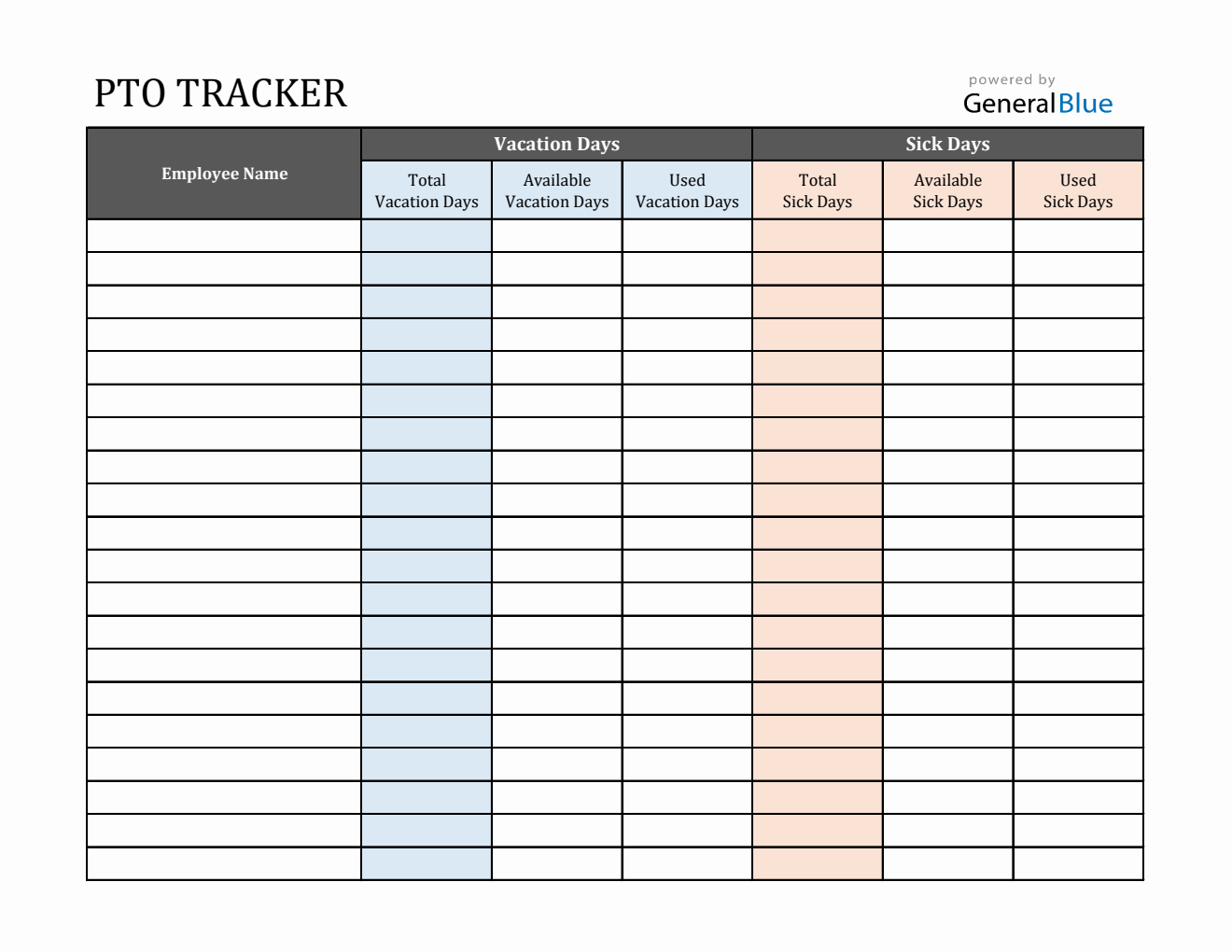
Pto Tracker Templates
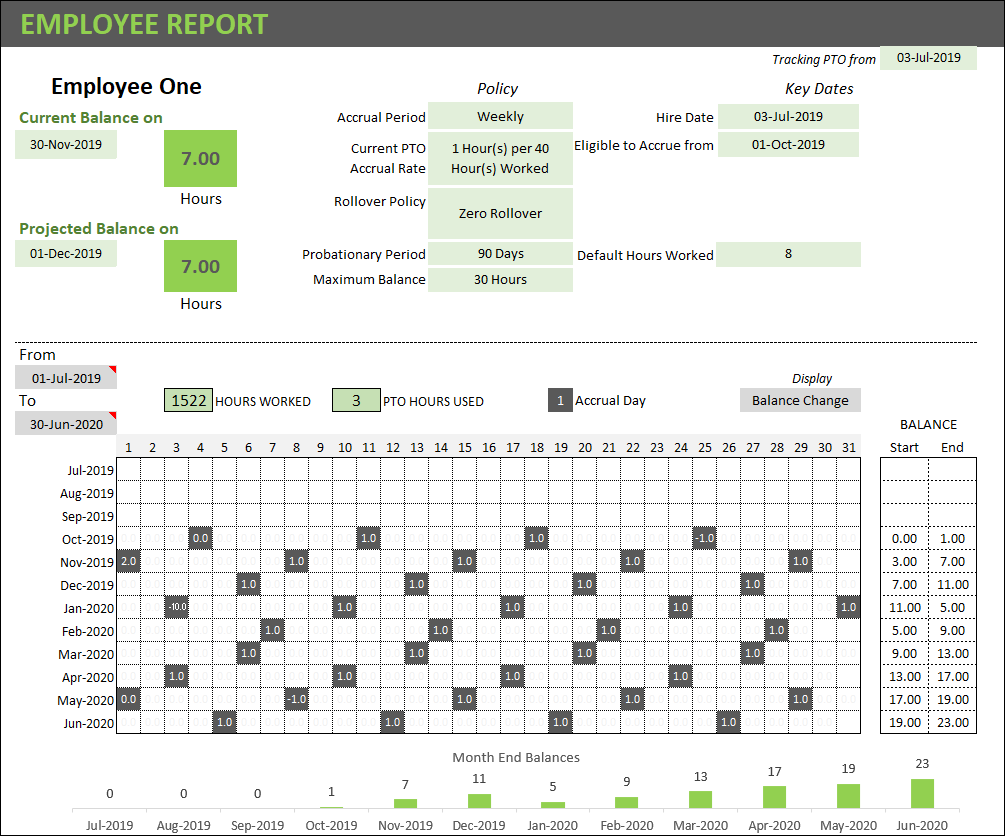
Pto Accrual Excel Template
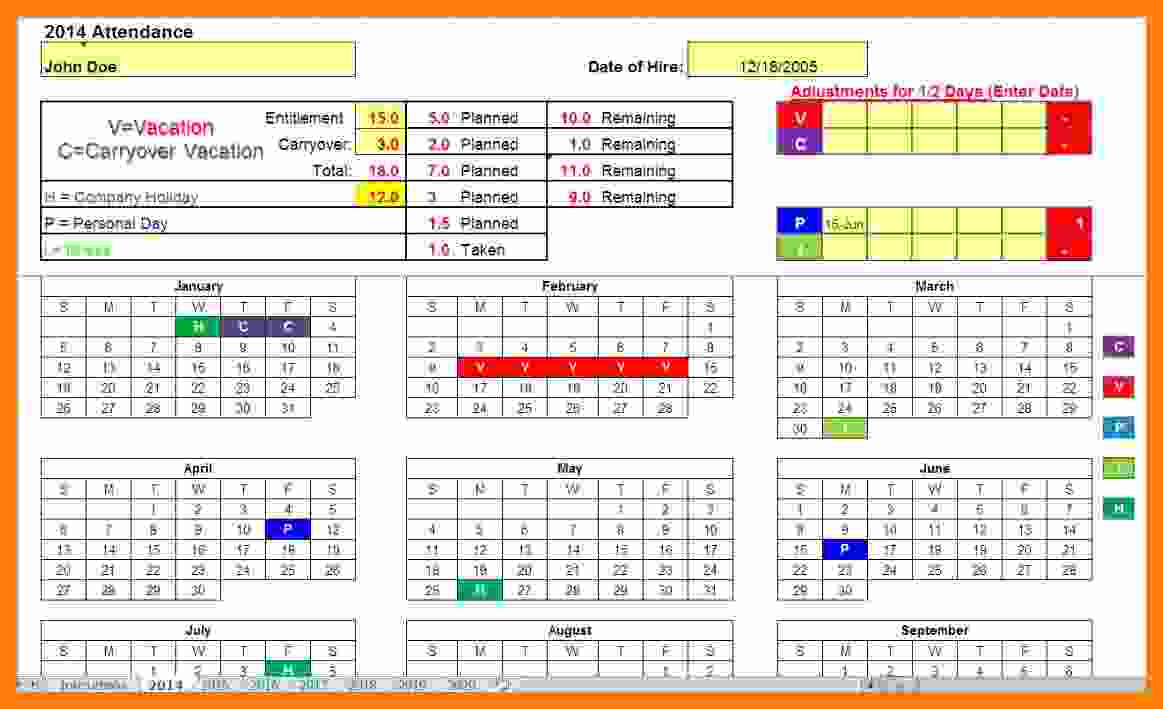
Paid Time Off Spreadsheet with Time Off Tracking Spreadsheet Sample
Time Off Tracker Excel Template
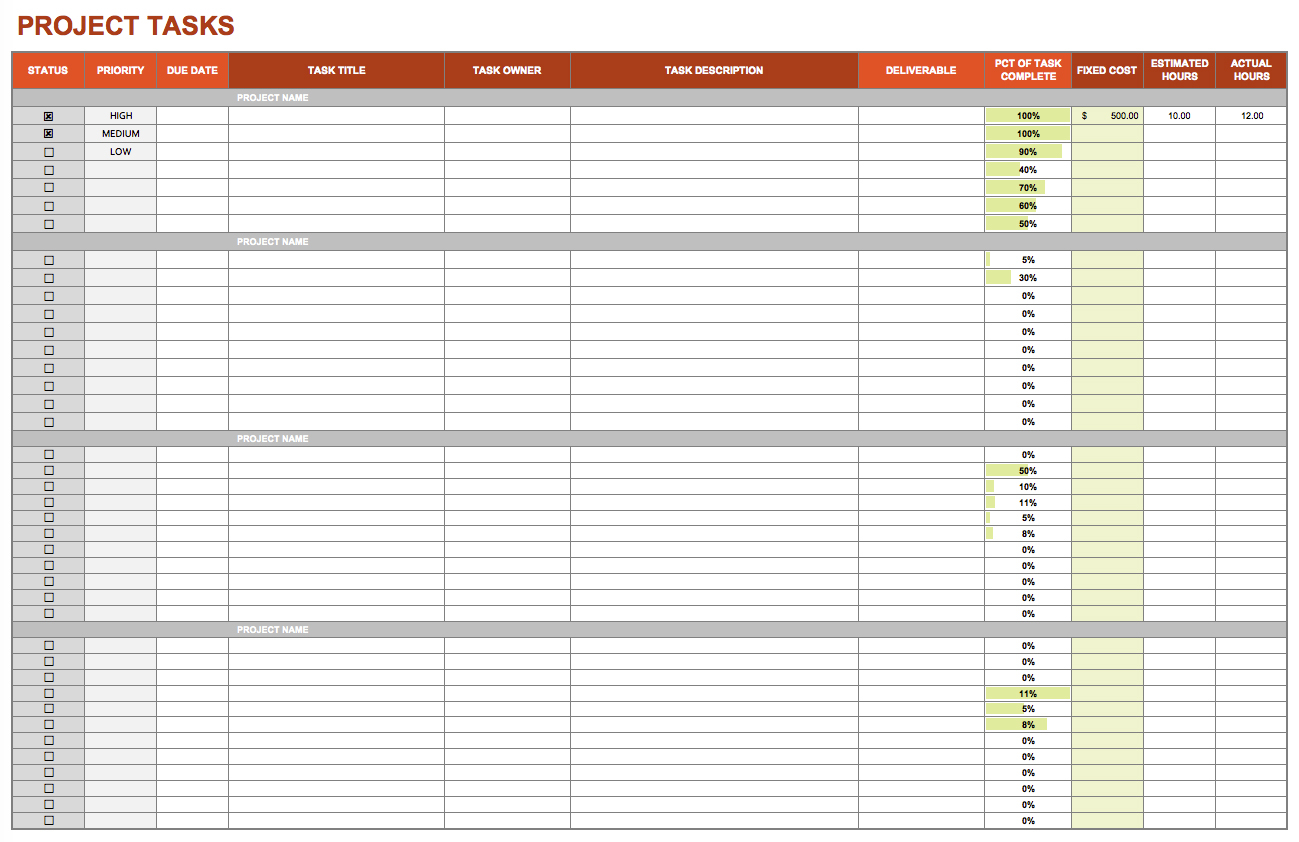
Paid Time Off Spreadsheet —
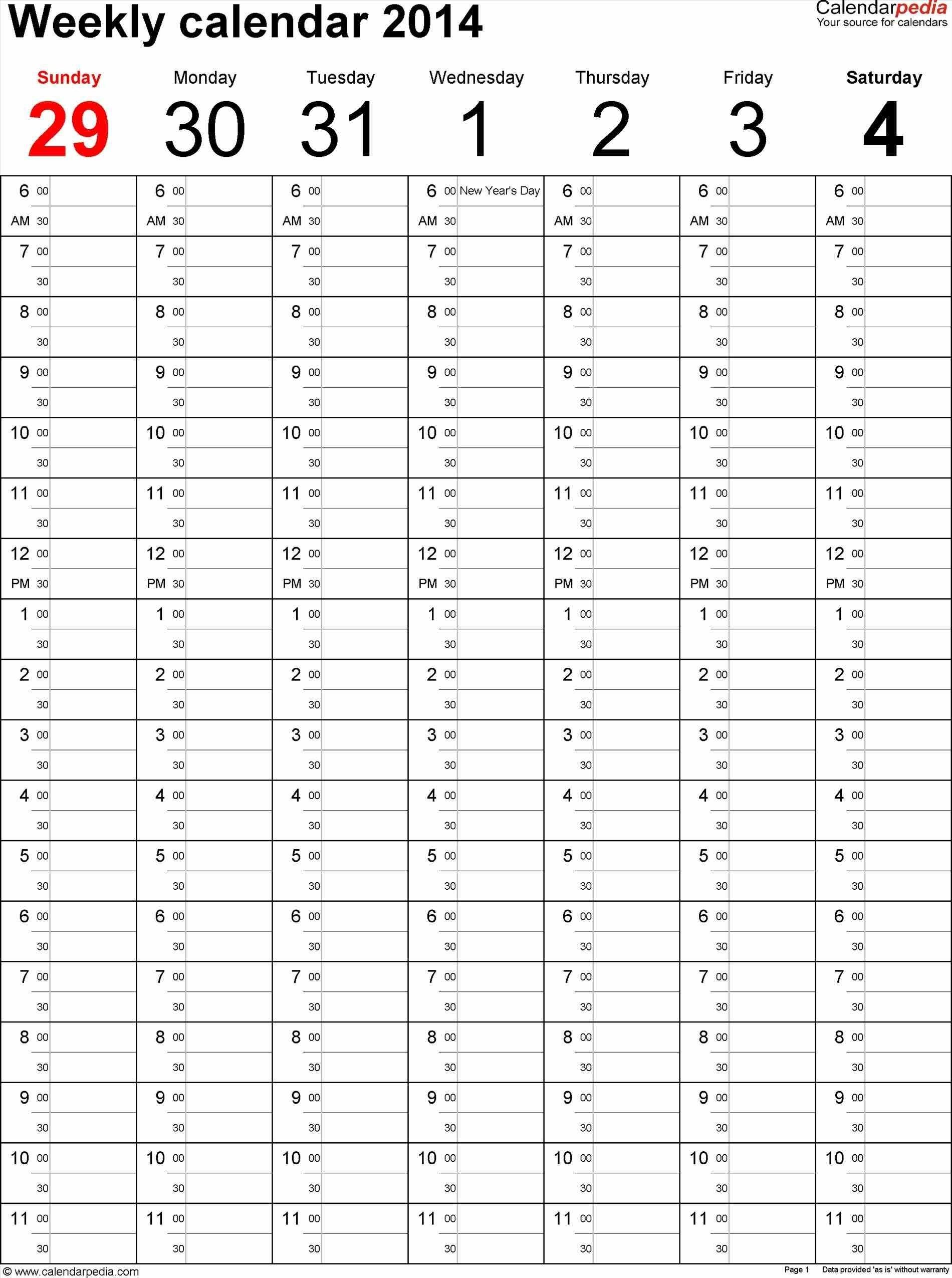
Employee Paid Time Off Tracking Spreadsheet —
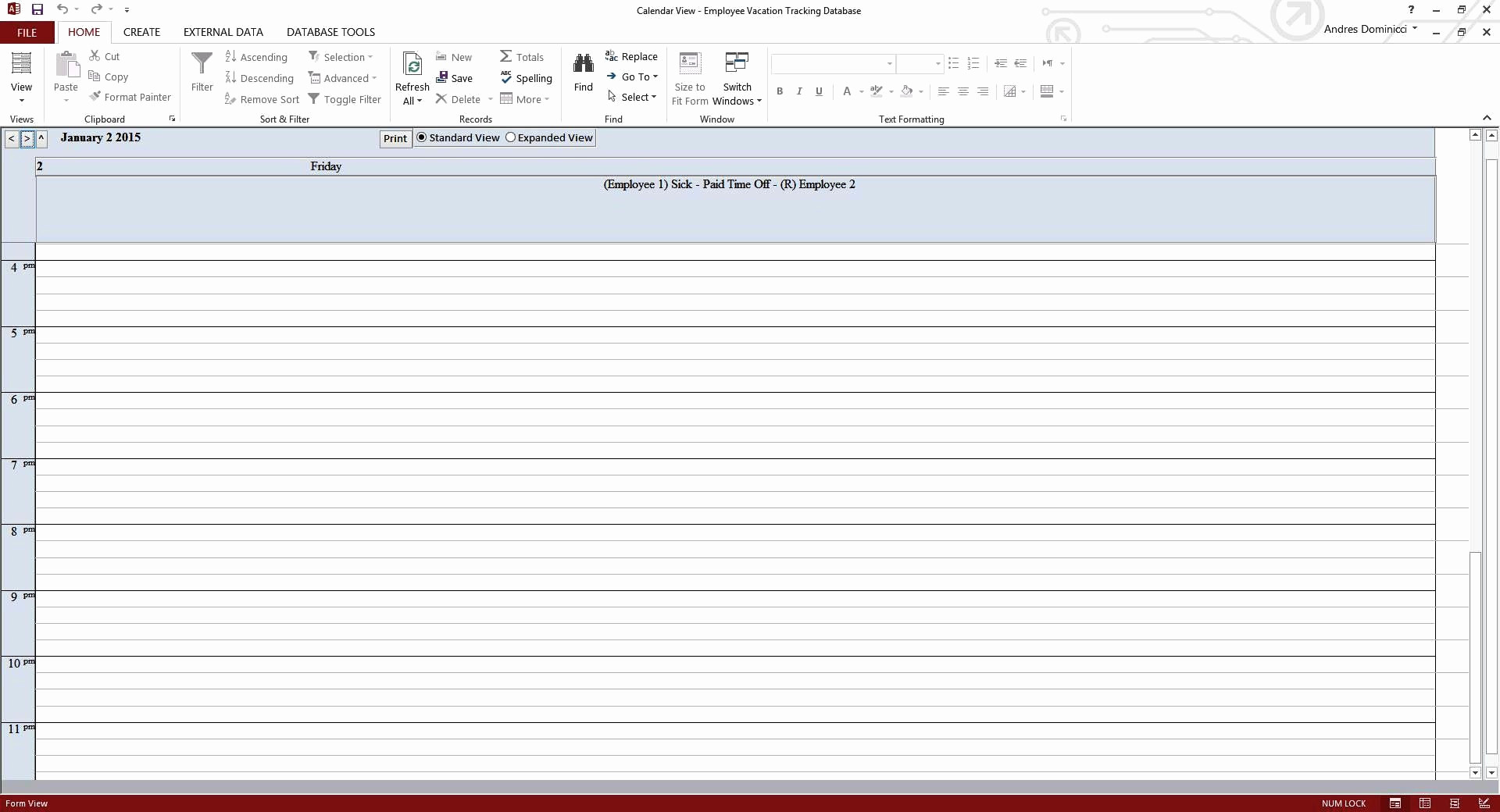
Paid Time Off Accrual Spreadsheet with Pto Calculator Excel Template
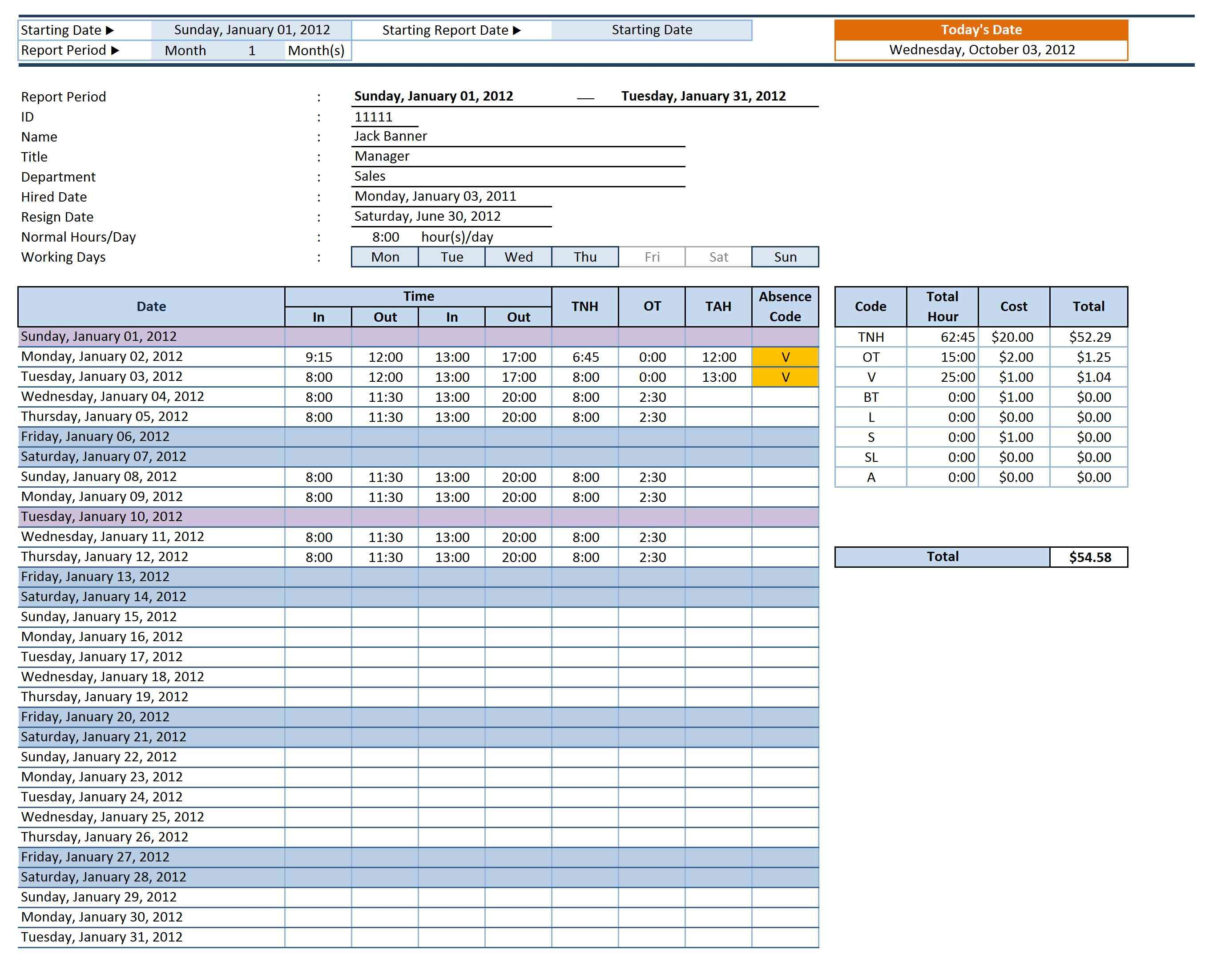
Free Paid Time Off Accrualeadsheet Template Vacation Tracking

Paid Time Off Tracking Excel Spreadsheet regarding Time Off Tracking

Pto Spreadsheet Google Spreadshee pto tracking spreadsheet excel. pto

The Ultimate Guide to Vacation Tracking in Excel
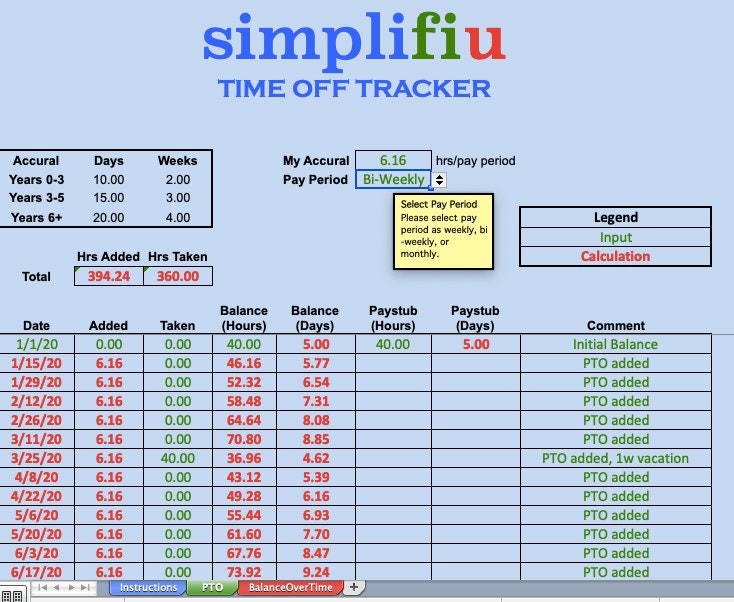
PTO Paid Time off Tracker Excel Spreadsheet Etsy

Paid Time Off Management Templates
![🎉 Manage Time Off Requests [Free Template] Factorial](https://factorialhr.com/wp-content/uploads/2017/09/05194713/time-off-tracker-image-2-2.png)
🎉 Manage Time Off Requests [Free Template] Factorial
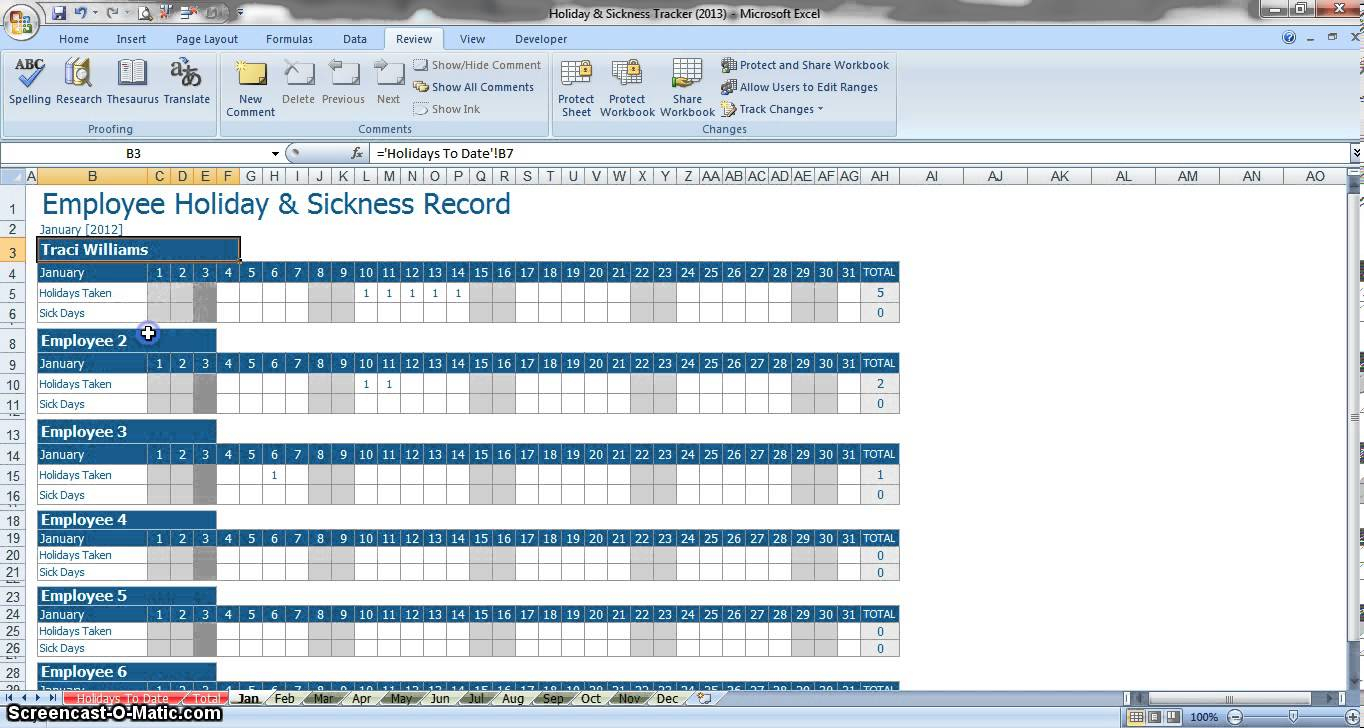
Paid Time Off Tracking Excel Spreadsheet —
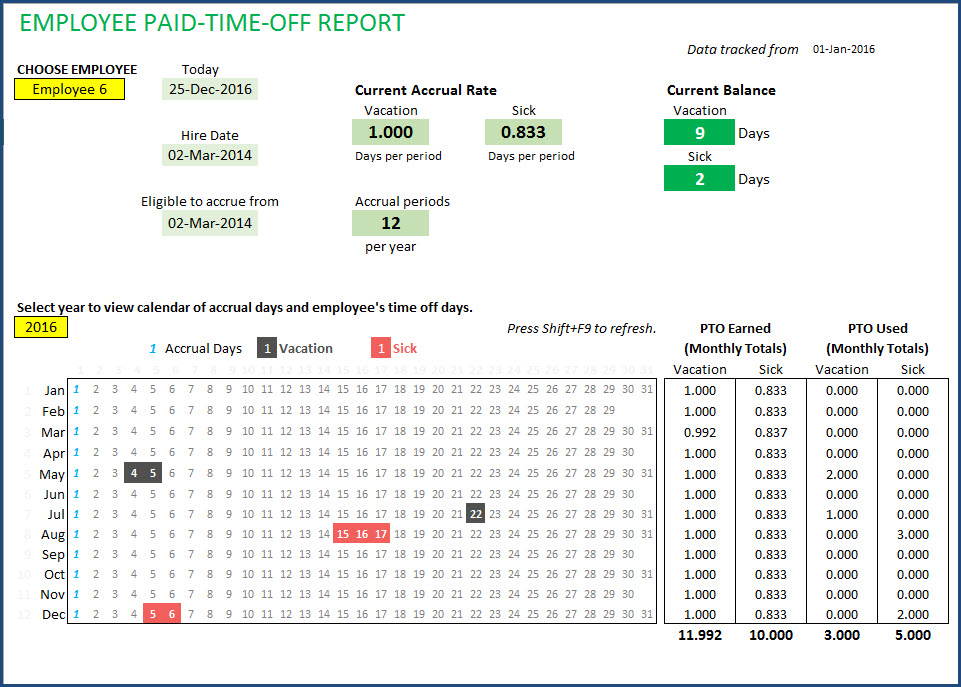
Employee Pto Calendar Template
![Free Printable Time Tracking Spreadsheet Templates [Word, Excel] Daily](https://www.typecalendar.com/wp-content/uploads/2023/05/employee-paid-time-off-tracking-spreadsheet.jpg?gid=482)
Free Printable Time Tracking Spreadsheet Templates [Word, Excel] Daily

How to enter data and view reports in Paid Time off (PTO) Manager Excel

Paid Time Off Tracking Spreadsheet With Excel Paid Time Off Template

How To Create A Paid Time Off (PTO) Tracker In Excel [FREE DOWNLOAD
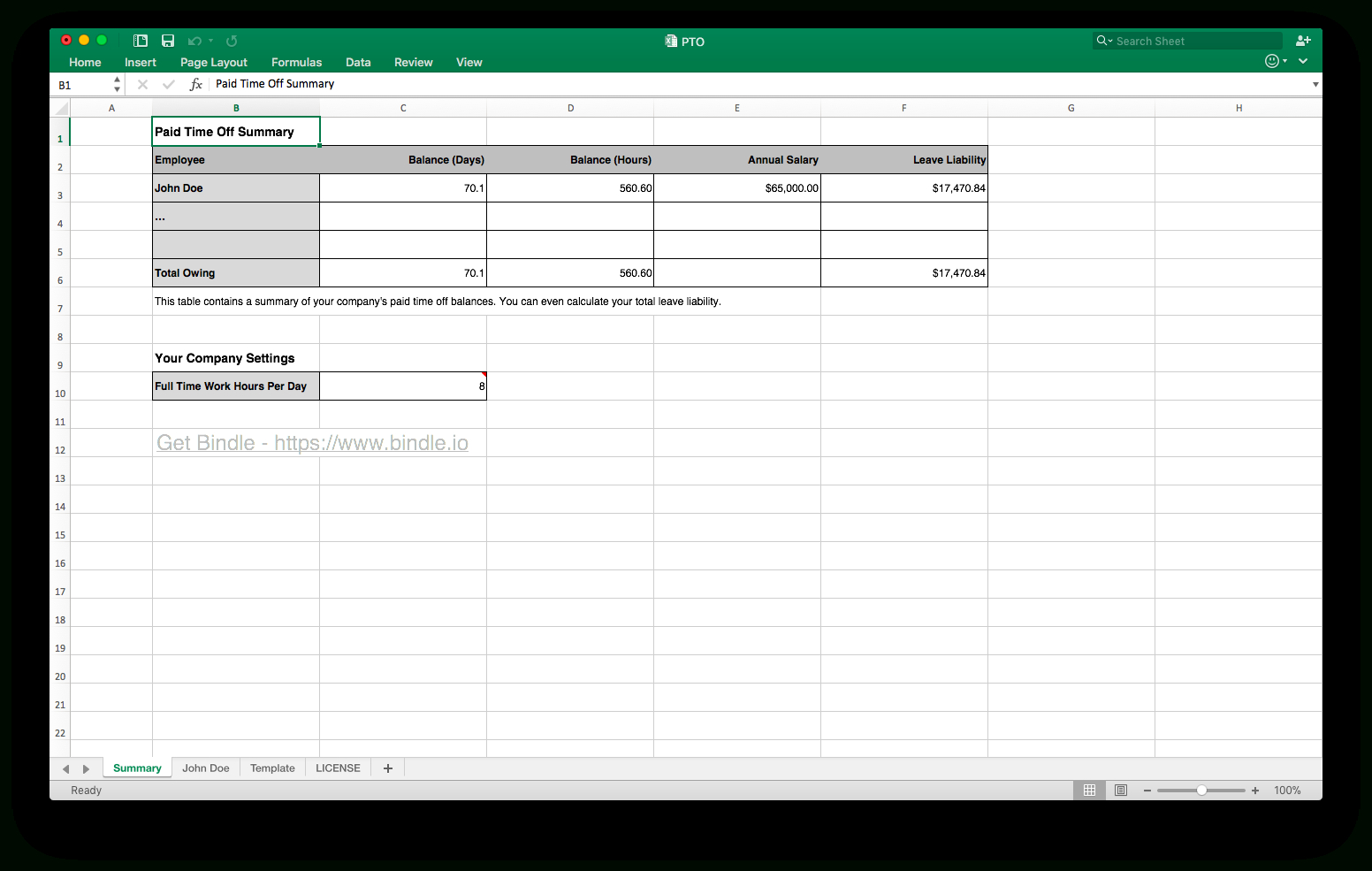
Paid Time Off Tracking Excel Spreadsheet with regard to Free Time Off
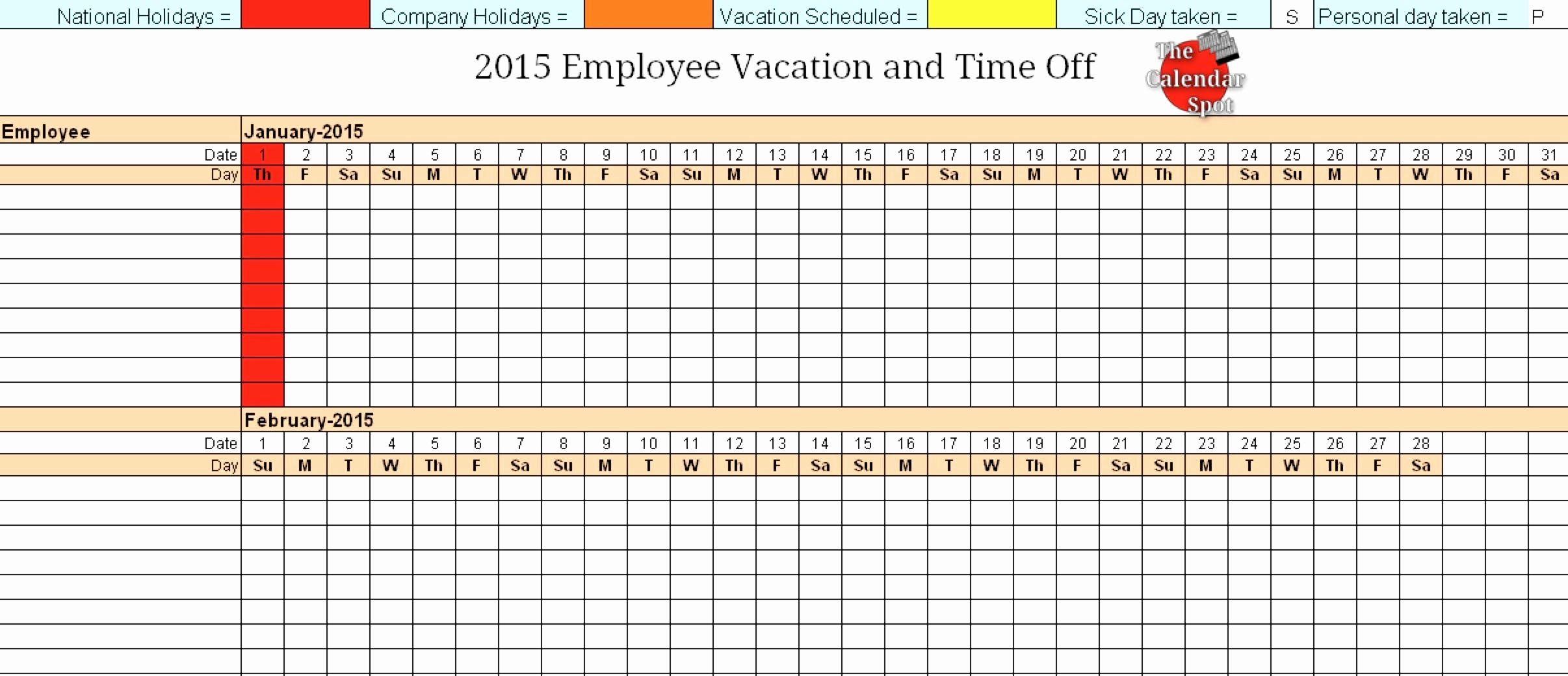
Employee Vacation Accrual Template Awesome Employee Time F Tracking

Paid Time Off Tracking Excel Spreadsheet Google Spreadshee paid time
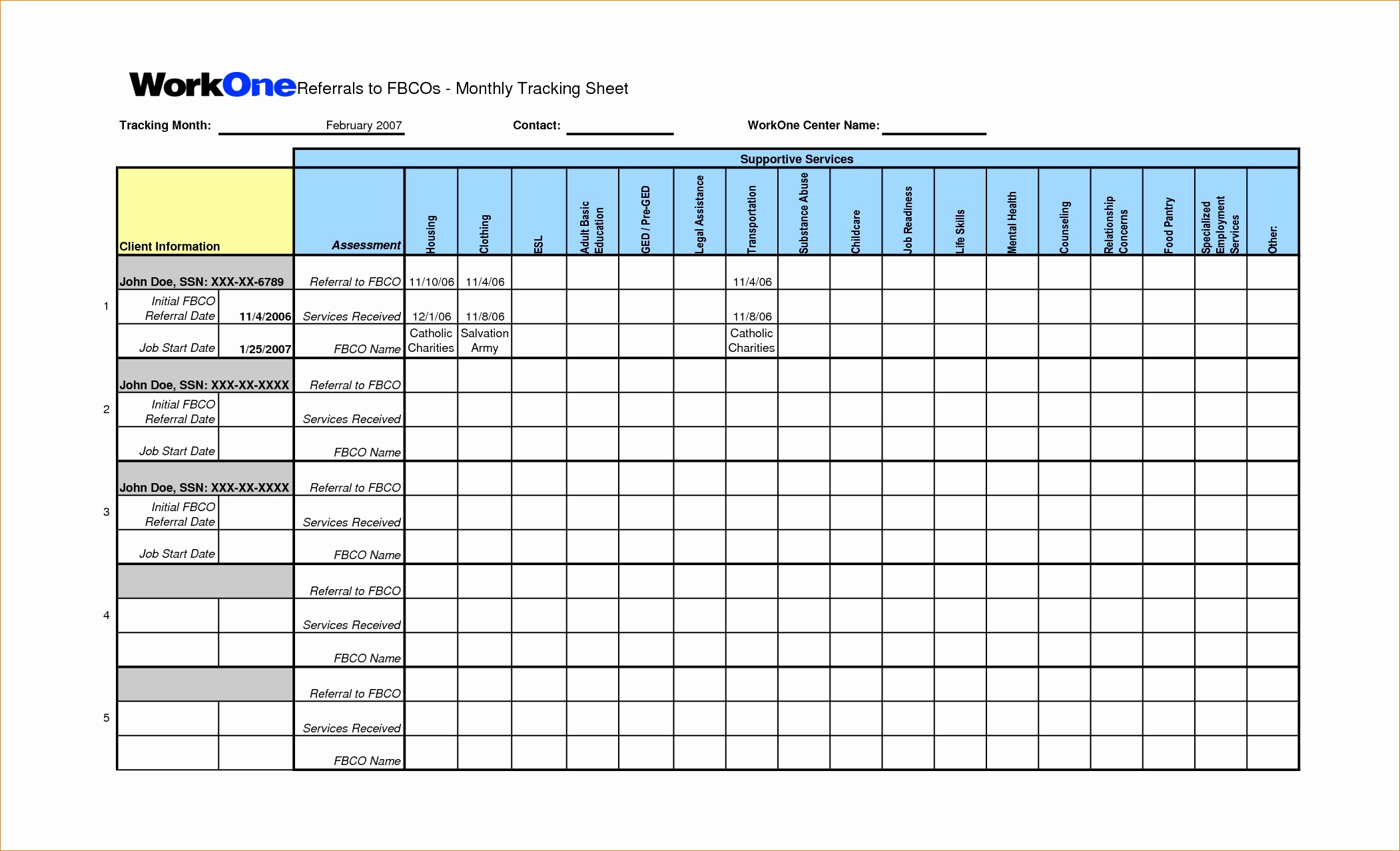
Paid Time Off Tracking Spreadsheet With Regard To Time Off Tracking
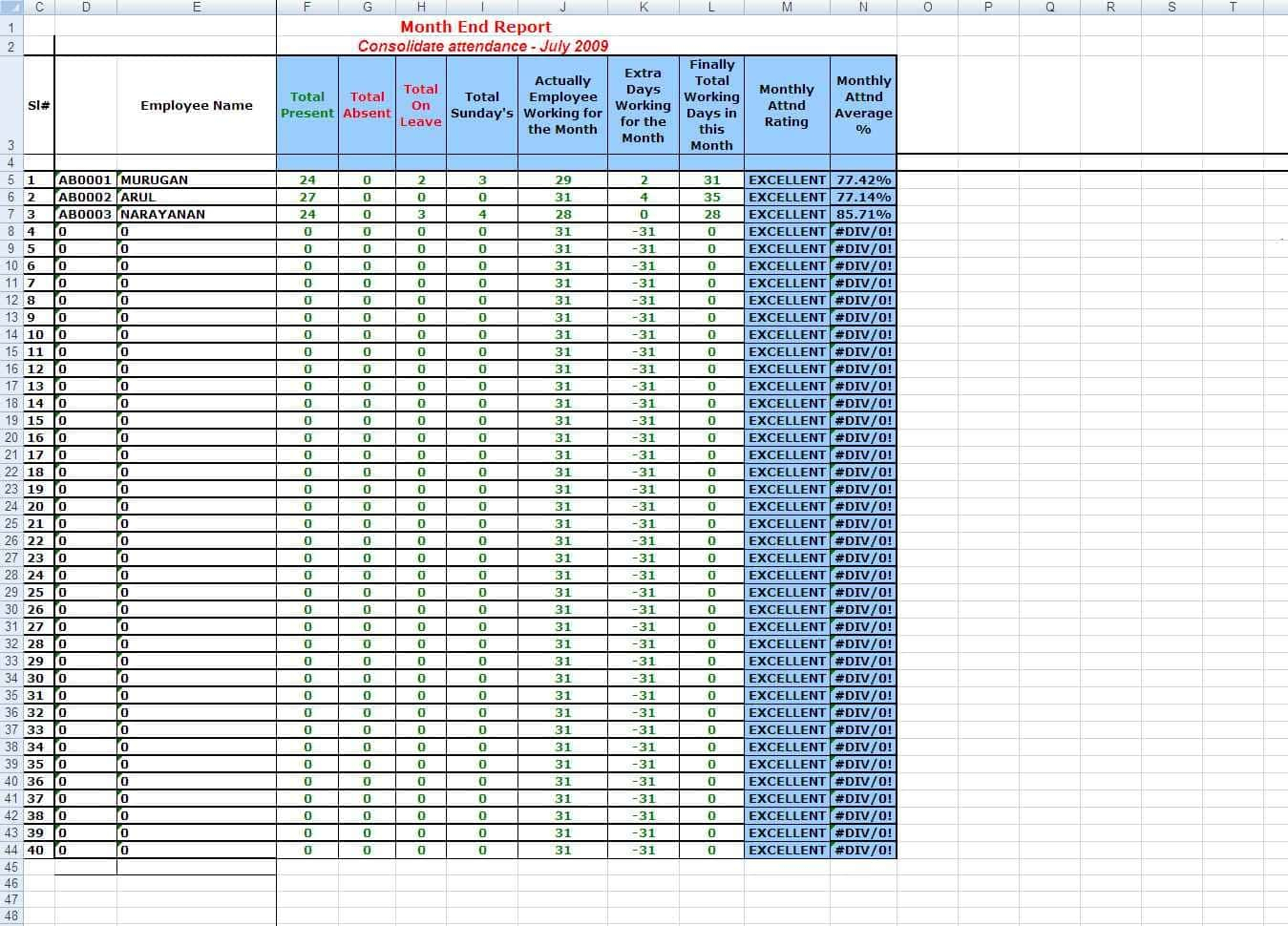
Paid Time Off Tracking Spreadsheet With Employee Time Tracking Excel
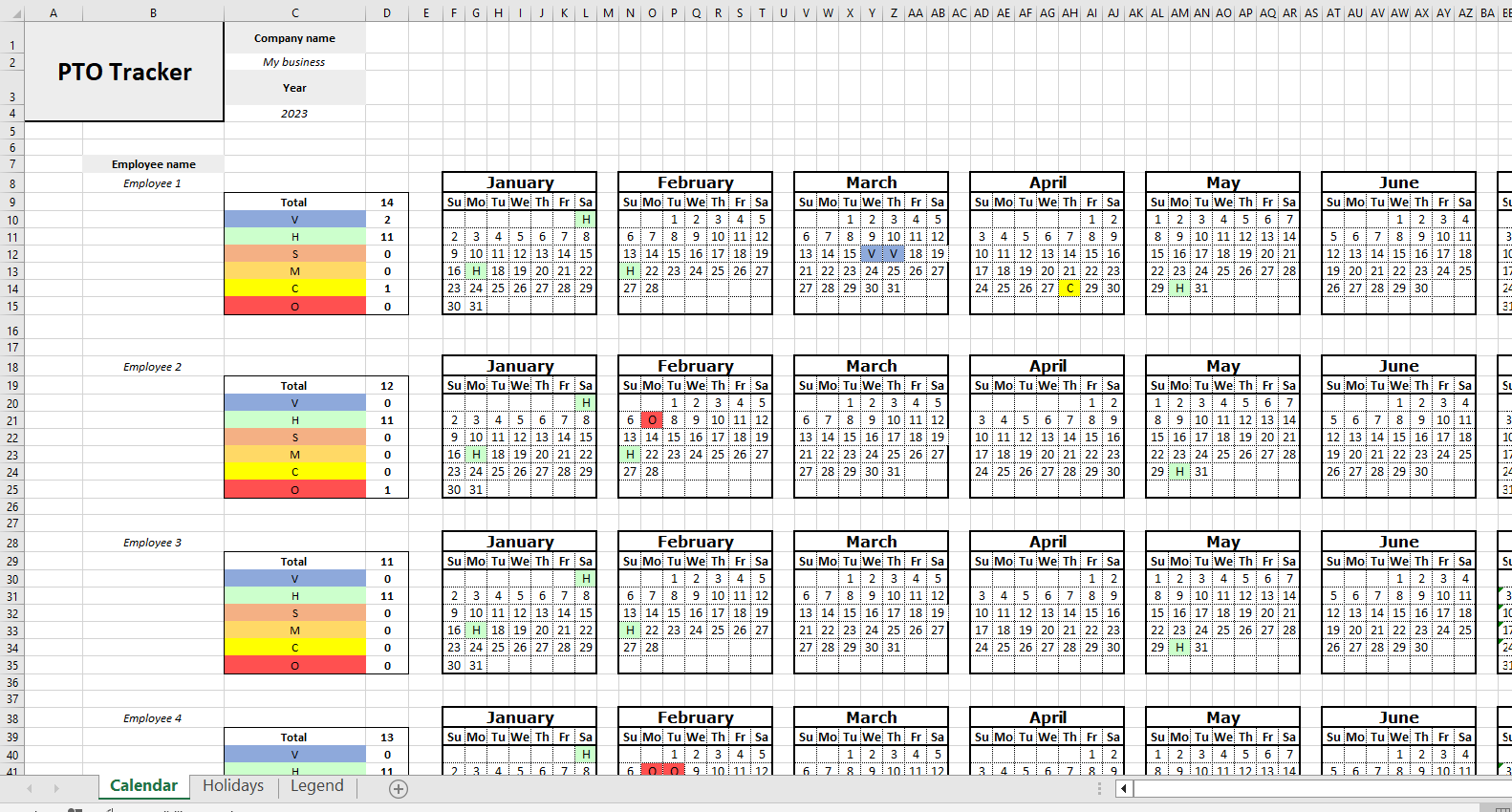
Download Our Excel Template For Paid Time Off Tracker Sheet

Pto Tracker Templates
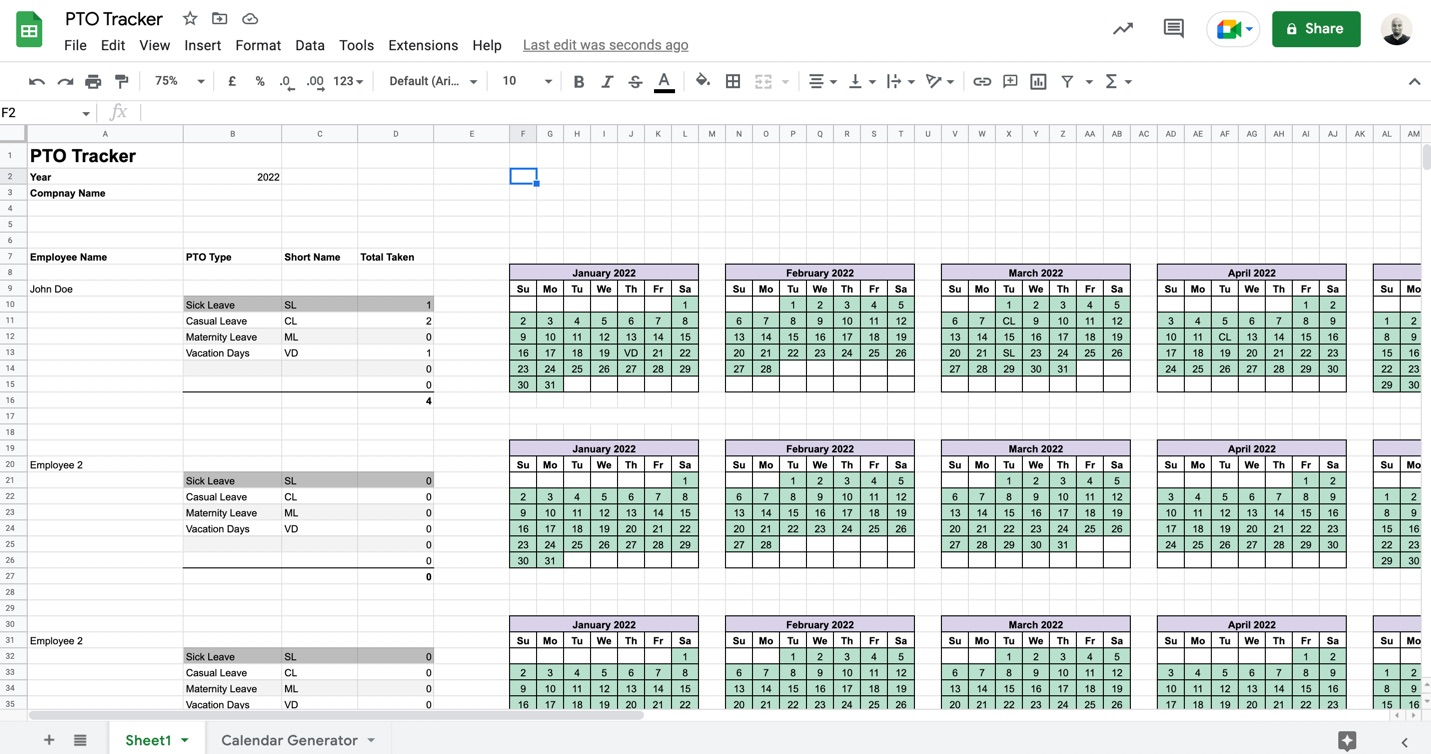
100 Free PTO Tracker for Small and Medium Business ClockIt
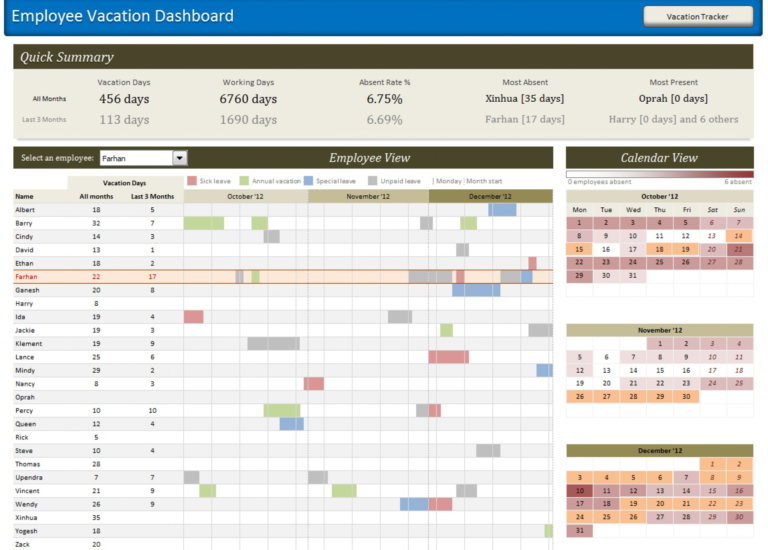
Pto Tracking Spreadsheet Excel —
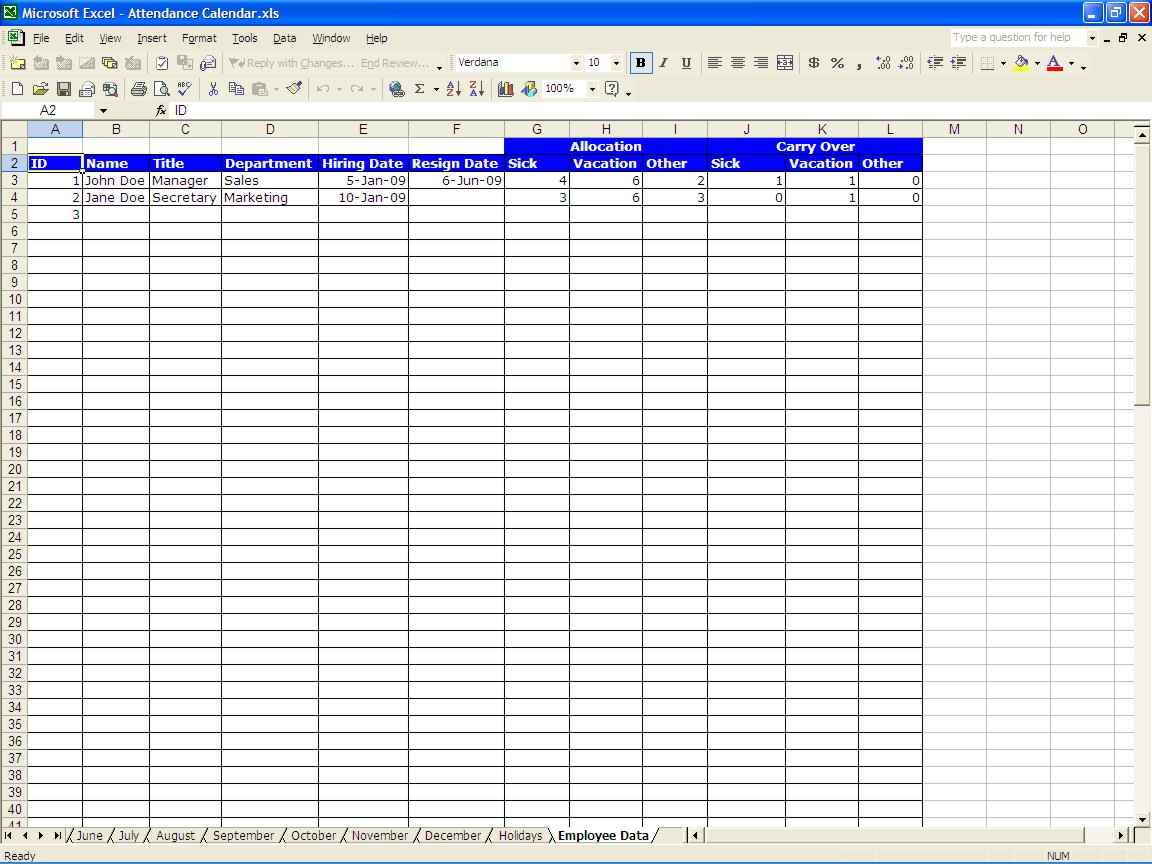
Paid Time Off Tracking Spreadsheet Inside Employee Paid Time Off
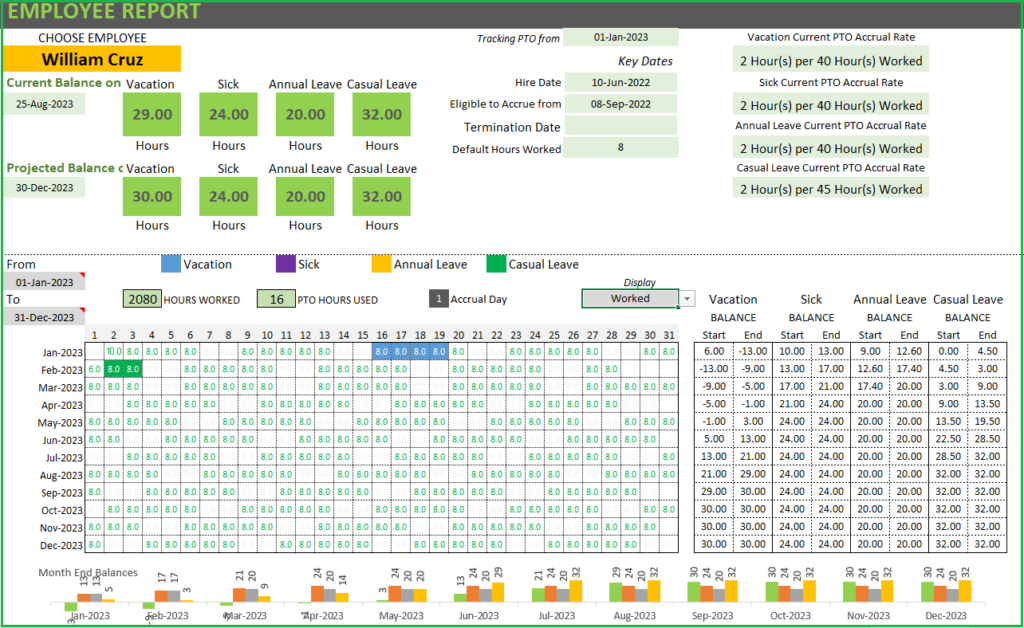
Buy Paid Time Off Manager Excel Template for Hourly Employees

Paid Time Off Tracking Template
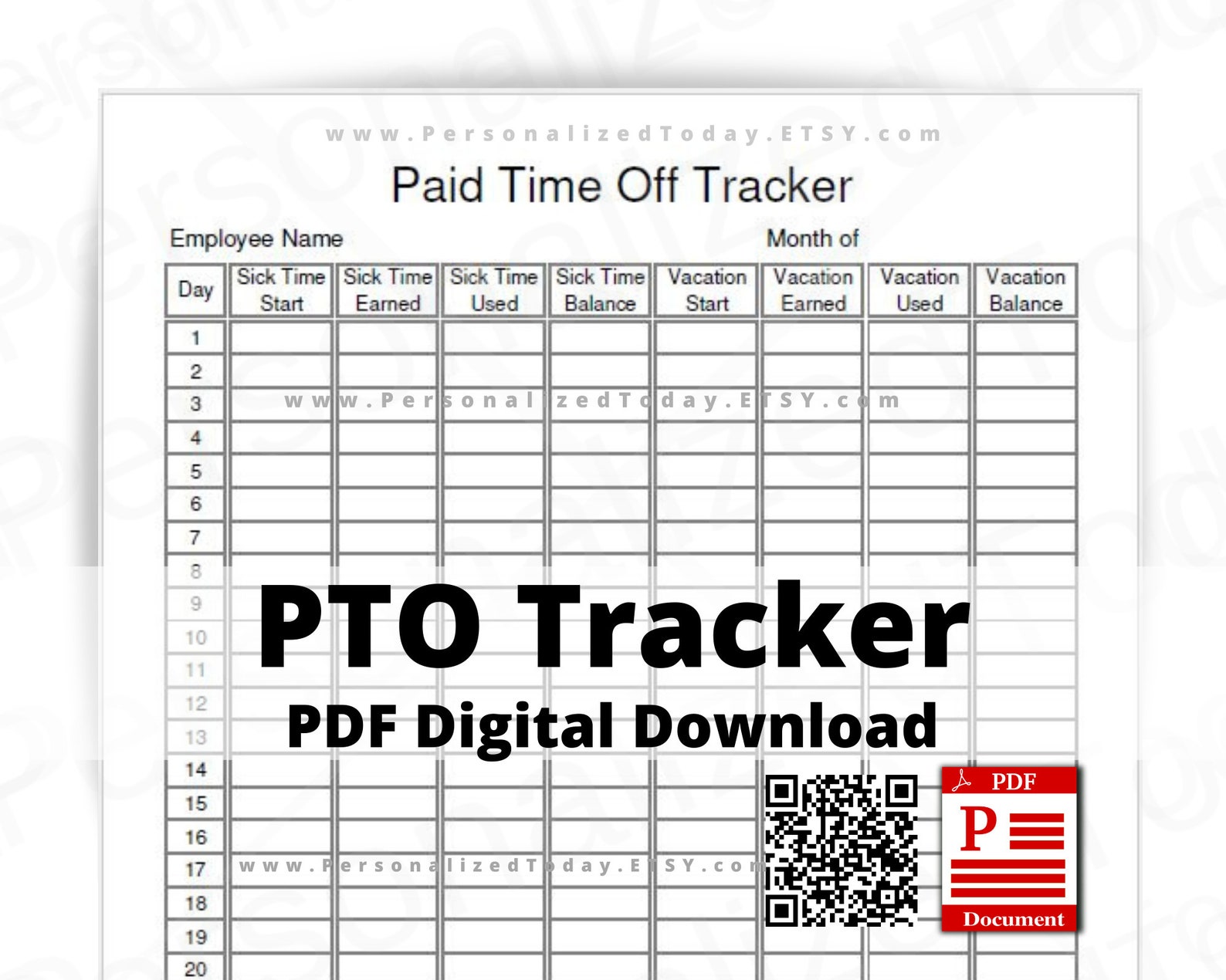
Time Off Tracking Template
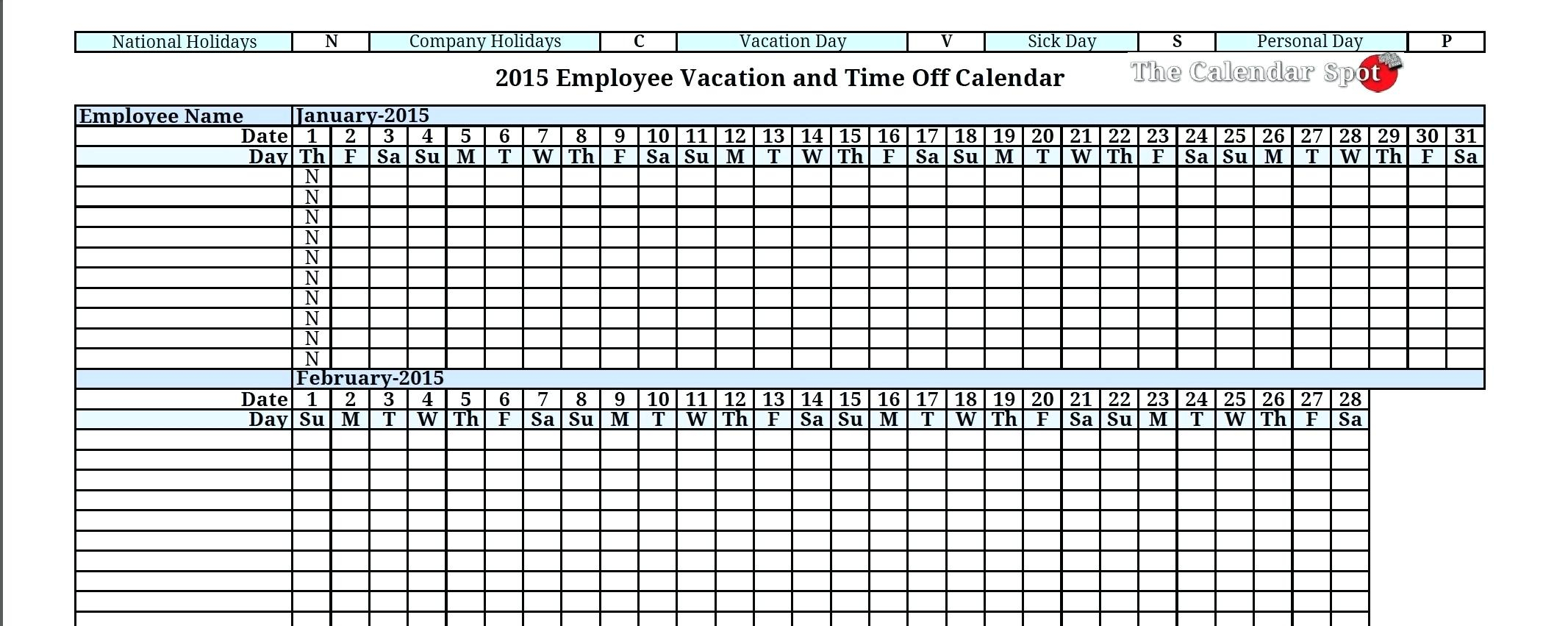
Employee Paid Time Off Tracking Spreadsheet —
The Correct Past Tense Of The Verb Pay Is Paid, As Long As The Word Is Used In The Financial Or Transactional Sense.
To Give Over (Money) In Exchange For Something.
You Can Say, For Example, That Someone Is Well Paid When They Receive A Lot Of Money For The Work That They Do.
Being Given Money For Something:
Related Post: