
Profit And Loss Template Free
Profit And Loss Template Free - Profit is the money earned by a business when its total revenue exceeds its total expenses. Profit refers to the total earnings left after settling all direct and indirect expenses. Profit is the financial gain a business realizes when its revenue surpasses its expenses. Profit is total revenue minus total expenses, costs, and taxes and serves as a key indicator of a business’s financial health and operational efficiency. How to use profit in a sentence. Any profit a company generates goes to its owners, who may choose to distribute the. Calculate profit margin, net profit and profit percentage from the cost and revenue. A profit occurs when a company's revenue exceeds its expenses. In economics, profit is the excess over the returns to capital, land, and labour. There are different ways to. How to use profit in a sentence. Profit is total revenue minus total expenses, costs, and taxes and serves as a key indicator of a business’s financial health and operational efficiency. Put simply it's what a business gets to keep after paying for everything it takes to make or sell its products or services. Profit is the money earned by. How to use profit in a sentence. Profit is total revenue minus total expenses, costs, and taxes and serves as a key indicator of a business’s financial health and operational efficiency. In everyday scenarios, the term does not always equate to financial gain or money earned; Given cost and selling price, calculate profit margin and profit percentage. The meaning of. Profit is the money earned by a business when its total revenue exceeds its total expenses. There are different ways to. Profit, in business usage, the excess of total revenue over total cost during a specific period of time. The meaning of profit is a valuable return : Given cost and selling price, calculate profit margin and profit percentage. Profit refers to the total earnings left after settling all direct and indirect expenses. Given cost and selling price, calculate profit margin and profit percentage. Put simply it's what a business gets to keep after paying for everything it takes to make or sell its products or services. In everyday scenarios, the term does not always equate to financial gain. There are different ways to. The meaning of profit is a valuable return : It serves as the reward for taking risks, innovating, and efficiently managing resources, acting as a. Profit is total revenue minus total expenses, costs, and taxes and serves as a key indicator of a business’s financial health and operational efficiency. In everyday scenarios, the term does. Profit, in business usage, the excess of total revenue over total cost during a specific period of time. Profit is total revenue minus total expenses, costs, and taxes and serves as a key indicator of a business’s financial health and operational efficiency. Put simply it's what a business gets to keep after paying for everything it takes to make or. There are different ways to. How to use profit in a sentence. In everyday scenarios, the term does not always equate to financial gain or money earned; Profit is the money earned by a business when its total revenue exceeds its total expenses. Profit refers to the total earnings left after settling all direct and indirect expenses. The meaning of profit is a valuable return : Profit, in business usage, the excess of total revenue over total cost during a specific period of time. Profit is total revenue minus total expenses, costs, and taxes and serves as a key indicator of a business’s financial health and operational efficiency. In economics, profit is the excess over the returns. In everyday scenarios, the term does not always equate to financial gain or money earned; Profit, in business usage, the excess of total revenue over total cost during a specific period of time. Given that profit is defined as the difference in total revenue and total cost, a firm achieves its maximum profit by operating at the point where the. In economics, profit is the excess over the returns to capital, land, and labour. Put simply it's what a business gets to keep after paying for everything it takes to make or sell its products or services. Profit is the financial gain a business realizes when its revenue surpasses its expenses. Calculate profit margin, net profit and profit percentage from. In everyday scenarios, the term does not always equate to financial gain or money earned; Given that profit is defined as the difference in total revenue and total cost, a firm achieves its maximum profit by operating at the point where the difference between the two is at its greatest. There are different ways to. Profit is the financial gain. Profit, in business usage, the excess of total revenue over total cost during a specific period of time. There are different ways to. In economics, profit is the excess over the returns to capital, land, and labour. Any profit a company generates goes to its owners, who may choose to distribute the. It serves as the reward for taking risks,. Profit, in business usage, the excess of total revenue over total cost during a specific period of time. There are different ways to. Profit is the money earned by a business when its total revenue exceeds its total expenses. A profit occurs when a company's revenue exceeds its expenses. In economics, profit is the excess over the returns to capital,. It serves as the reward for taking risks, innovating, and efficiently managing resources, acting as a. Put simply it's what a business gets to keep after paying for everything it takes to make or sell its products or services. Given cost and selling price, calculate profit margin and profit percentage. In everyday scenarios, the term does not always equate to. Profit is total revenue minus total expenses, costs, and taxes and serves as a key indicator of a business’s financial health and operational efficiency. There are different ways to. It serves as the reward for taking risks, innovating, and efficiently managing resources, acting as a. Given that profit is defined as the difference in total revenue and total cost, a. Profit refers to the total earnings left after settling all direct and indirect expenses. Profit is total revenue minus total expenses, costs, and taxes and serves as a key indicator of a business’s financial health and operational efficiency. In economics, profit is the excess over the returns to capital, land, and labour. Profit, in business usage, the excess of total. Profit, in business usage, the excess of total revenue over total cost during a specific period of time. Given that profit is defined as the difference in total revenue and total cost, a firm achieves its maximum profit by operating at the point where the difference between the two is at its greatest. Profit is the money earned by a. Given that profit is defined as the difference in total revenue and total cost, a firm achieves its maximum profit by operating at the point where the difference between the two is at its greatest. It serves as the reward for taking risks, innovating, and efficiently managing resources, acting as a. Profit is the money earned by a business when. A profit occurs when a company's revenue exceeds its expenses. It serves as the reward for taking risks, innovating, and efficiently managing resources, acting as a. Put simply it's what a business gets to keep after paying for everything it takes to make or sell its products or services. Any profit a company generates goes to its owners, who may. In economics, profit is the excess over the returns to capital, land, and labour. Calculate profit margin, net profit and profit percentage from the cost and revenue. Put simply it's what a business gets to keep after paying for everything it takes to make or sell its products or services. Profit, in business usage, the excess of total revenue over. Profit is the money earned by a business when its total revenue exceeds its total expenses. Put simply it's what a business gets to keep after paying for everything it takes to make or sell its products or services. Calculate profit margin, net profit and profit percentage from the cost and revenue. It serves as the reward for taking risks,. How to use profit in a sentence. Given that profit is defined as the difference in total revenue and total cost, a firm achieves its maximum profit by operating at the point where the difference between the two is at its greatest. There are different ways to. Put simply it's what a business gets to keep after paying for everything. There are different ways to. Calculate profit margin, net profit and profit percentage from the cost and revenue. How to use profit in a sentence. Profit is total revenue minus total expenses, costs, and taxes and serves as a key indicator of a business’s financial health and operational efficiency. In everyday scenarios, the term does not always equate to financial. In economics, profit is the excess over the returns to capital, land, and labour. Put simply it's what a business gets to keep after paying for everything it takes to make or sell its products or services. It serves as the reward for taking risks, innovating, and efficiently managing resources, acting as a. Given that profit is defined as the. Profit is the money earned by a business when its total revenue exceeds its total expenses. In everyday scenarios, the term does not always equate to financial gain or money earned; A profit occurs when a company's revenue exceeds its expenses. How to use profit in a sentence. In economics, profit is the excess over the returns to capital, land,. How to use profit in a sentence. There are different ways to. The meaning of profit is a valuable return : Profit refers to the total earnings left after settling all direct and indirect expenses. Profit, in business usage, the excess of total revenue over total cost during a specific period of time. How to use profit in a sentence. It serves as the reward for taking risks, innovating, and efficiently managing resources, acting as a. In economics, profit is the excess over the returns to capital, land, and labour. Profit is total revenue minus total expenses, costs, and taxes and serves as a key indicator of a business’s financial health and operational. Profit, in business usage, the excess of total revenue over total cost during a specific period of time. Profit is the financial gain a business realizes when its revenue surpasses its expenses. Profit is total revenue minus total expenses, costs, and taxes and serves as a key indicator of a business’s financial health and operational efficiency. Put simply it's what. There are different ways to. Put simply it's what a business gets to keep after paying for everything it takes to make or sell its products or services. In everyday scenarios, the term does not always equate to financial gain or money earned; It serves as the reward for taking risks, innovating, and efficiently managing resources, acting as a. How. Profit refers to the total earnings left after settling all direct and indirect expenses. In economics, profit is the excess over the returns to capital, land, and labour. Put simply it's what a business gets to keep after paying for everything it takes to make or sell its products or services. Given cost and selling price, calculate profit margin and. Profit refers to the total earnings left after settling all direct and indirect expenses. Profit, in business usage, the excess of total revenue over total cost during a specific period of time. There are different ways to. In economics, profit is the excess over the returns to capital, land, and labour. Any profit a company generates goes to its owners,. Profit is the money earned by a business when its total revenue exceeds its total expenses. Given cost and selling price, calculate profit margin and profit percentage. Calculate profit margin, net profit and profit percentage from the cost and revenue. Profit, in business usage, the excess of total revenue over total cost during a specific period of time. How to. Profit refers to the total earnings left after settling all direct and indirect expenses. Profit is the financial gain a business realizes when its revenue surpasses its expenses. Any profit a company generates goes to its owners, who may choose to distribute the. There are different ways to. Given cost and selling price, calculate profit margin and profit percentage. In everyday scenarios, the term does not always equate to financial gain or money earned; Profit refers to the total earnings left after settling all direct and indirect expenses. Given cost and selling price, calculate profit margin and profit percentage. Calculate profit margin, net profit and profit percentage from the cost and revenue. Profit is the financial gain a business. In everyday scenarios, the term does not always equate to financial gain or money earned; Any profit a company generates goes to its owners, who may choose to distribute the. Profit is total revenue minus total expenses, costs, and taxes and serves as a key indicator of a business’s financial health and operational efficiency. Profit refers to the total earnings. It serves as the reward for taking risks, innovating, and efficiently managing resources, acting as a. Profit refers to the total earnings left after settling all direct and indirect expenses. Any profit a company generates goes to its owners, who may choose to distribute the. Calculate profit margin, net profit and profit percentage from the cost and revenue. Given that profit is defined as the difference in total revenue and total cost, a firm achieves its maximum profit by operating at the point where the difference between the two is at its greatest. Given cost and selling price, calculate profit margin and profit percentage. Profit is total revenue minus total expenses, costs, and taxes and serves as a key indicator of a business’s financial health and operational efficiency. In economics, profit is the excess over the returns to capital, land, and labour. There are different ways to. A profit occurs when a company's revenue exceeds its expenses. How to use profit in a sentence. The meaning of profit is a valuable return : Profit is the money earned by a business when its total revenue exceeds its total expenses.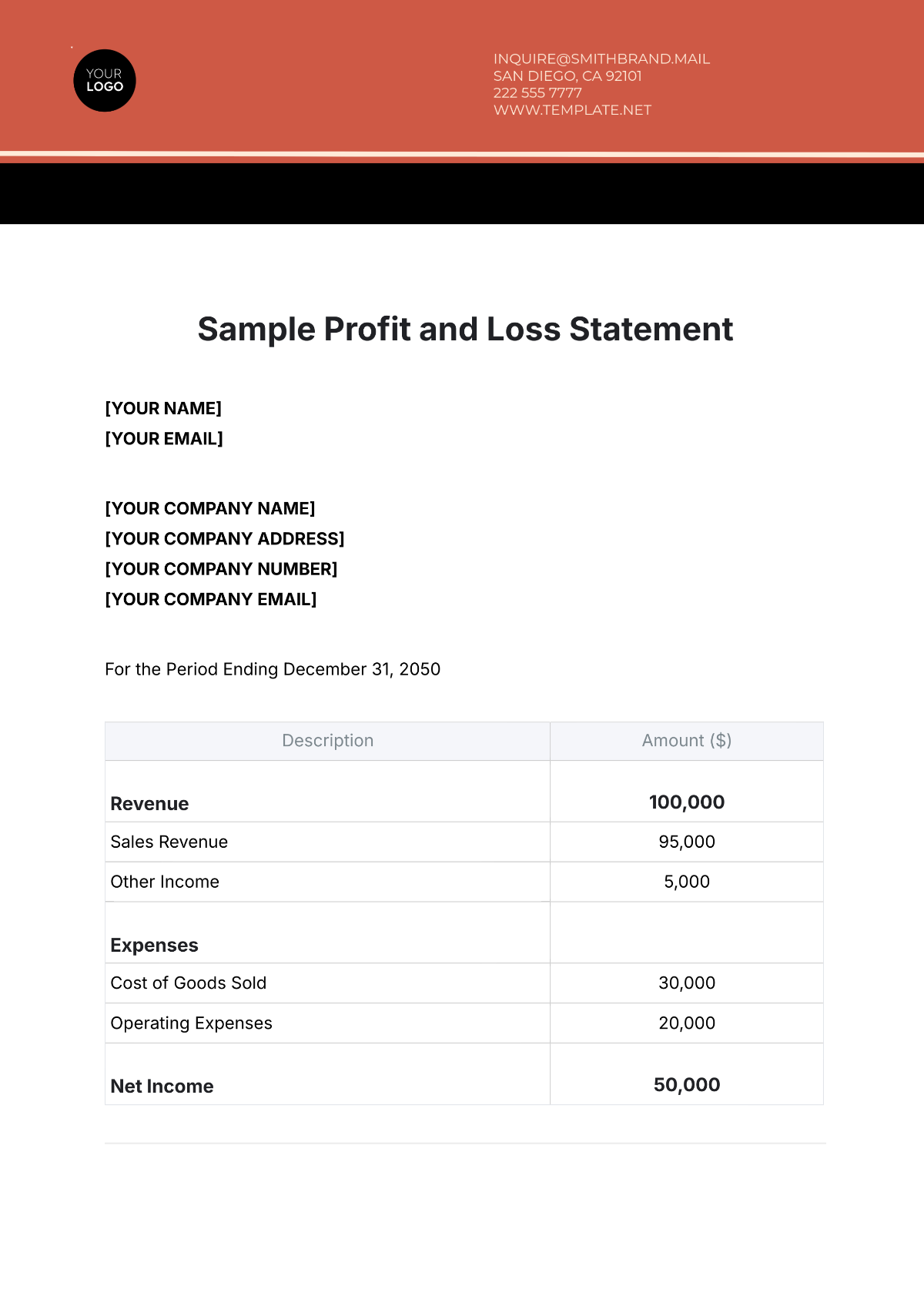
Profit And Loss Template
Printable Profit And Loss Statement

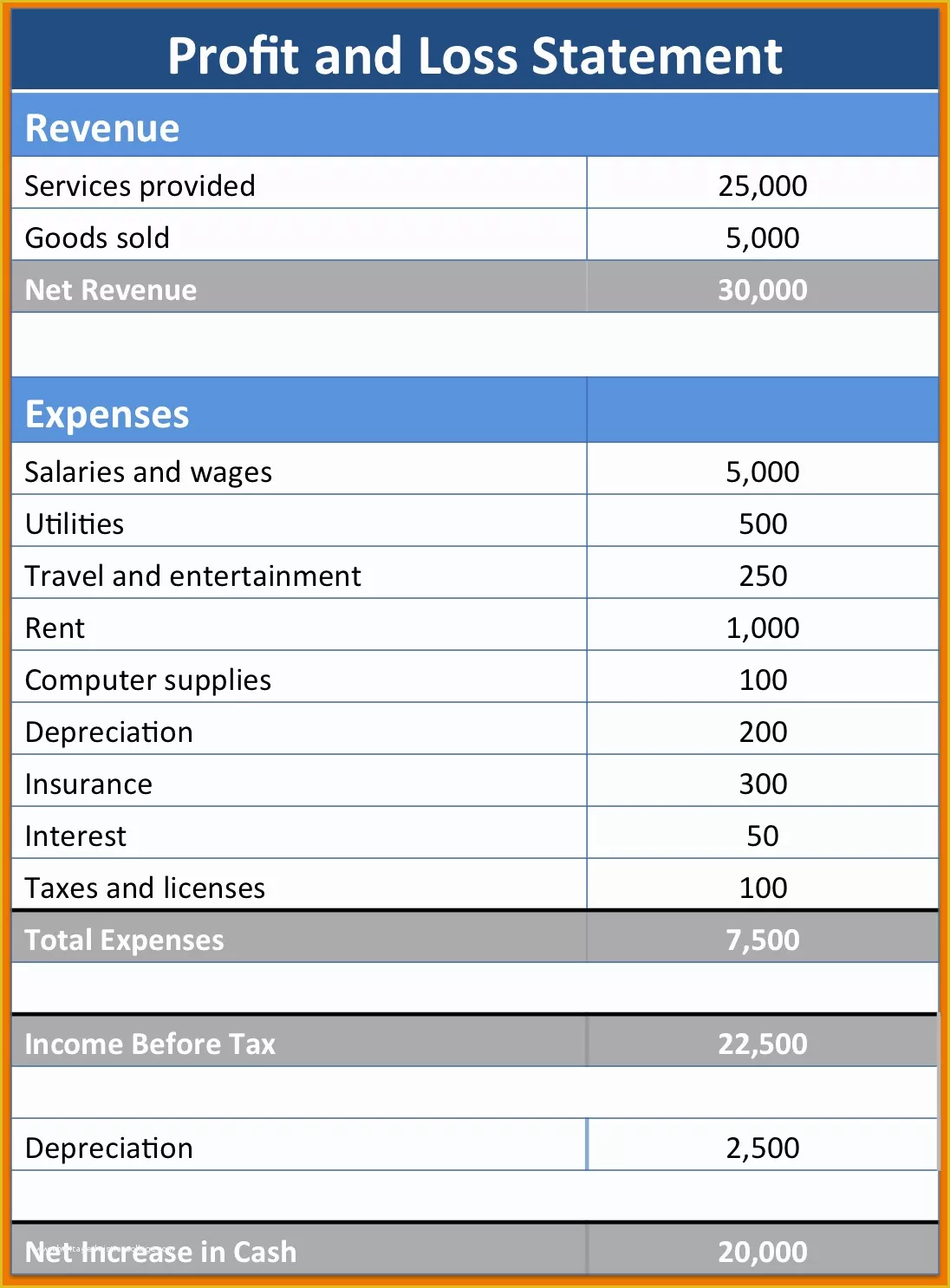
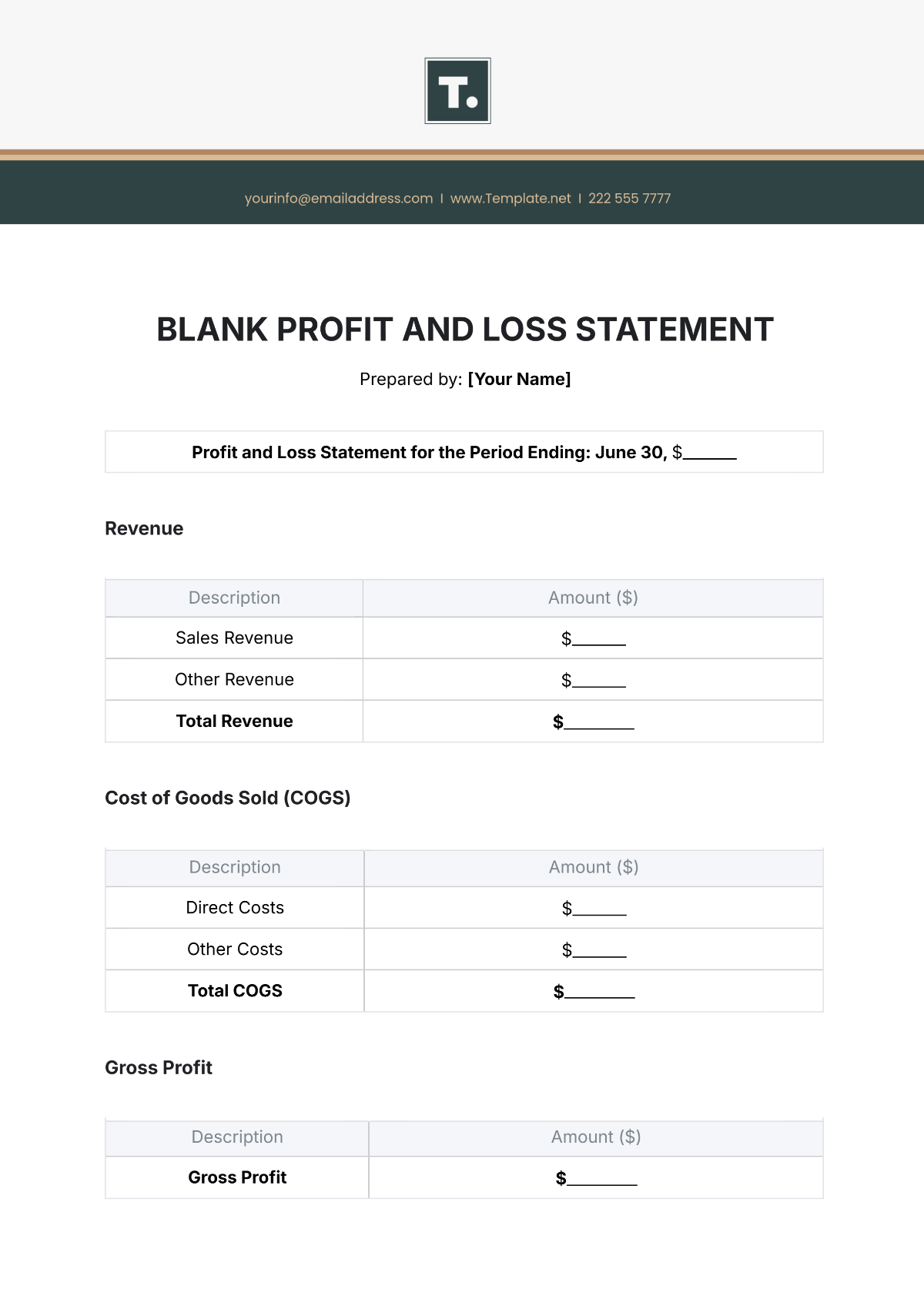
Profit and Loss Template Pdf Free Of Profit and Loss Statement Template
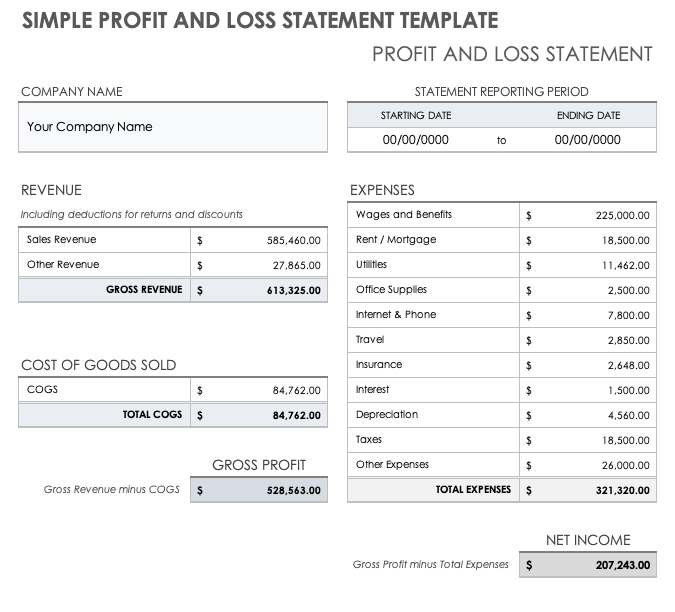
![Free Printable Profit And Loss Statement Templates [PDF, Word, Excel]](https://www.typecalendar.com/wp-content/uploads/2023/06/Editable-Profit-and-Loss-Statement-PDF.jpg)
Free Printable Profit And Loss Statement Templates [PDF, Word, Excel]
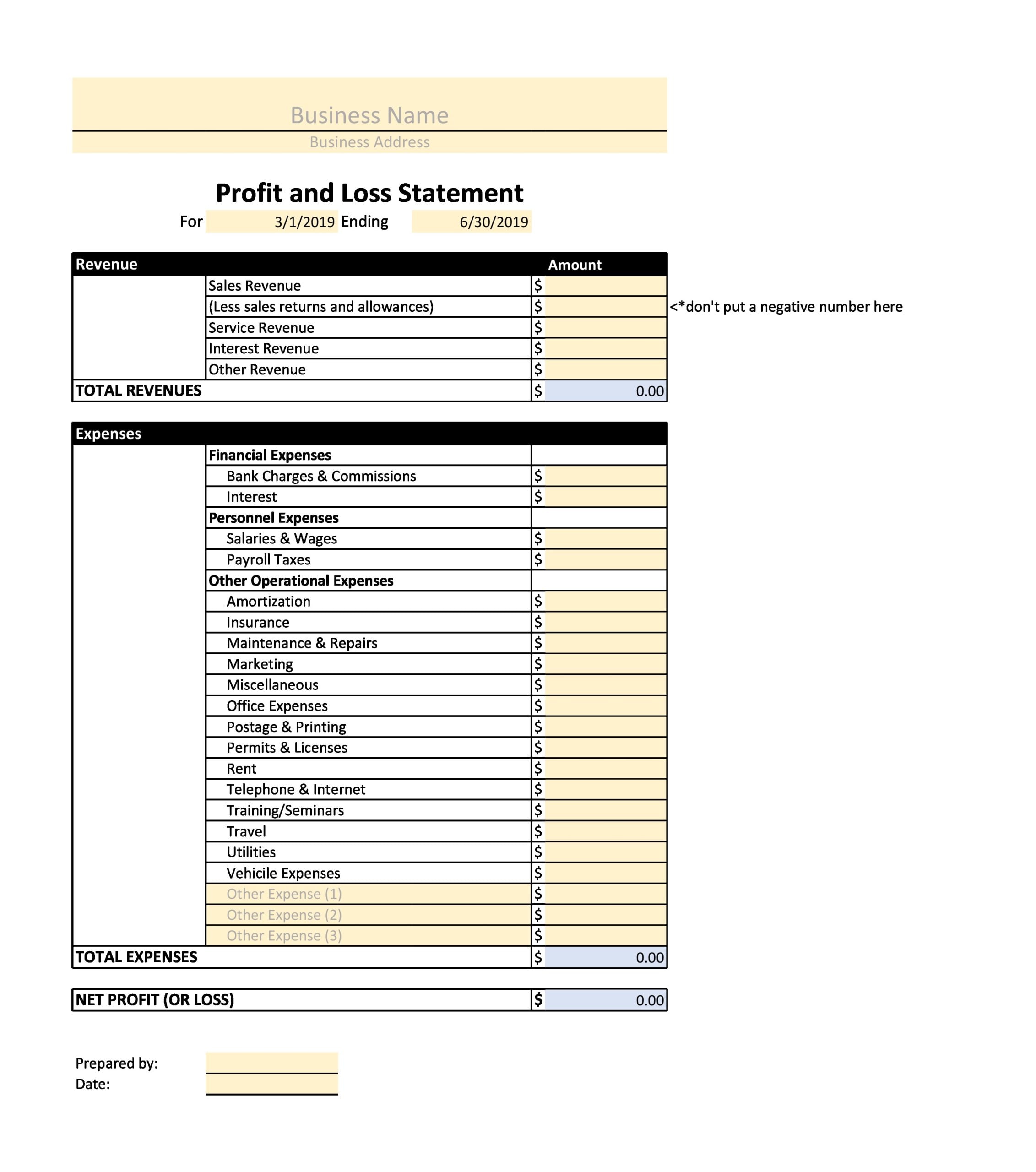
30 Free Profit and Loss Templates (Monthly / Yearly / YTD)
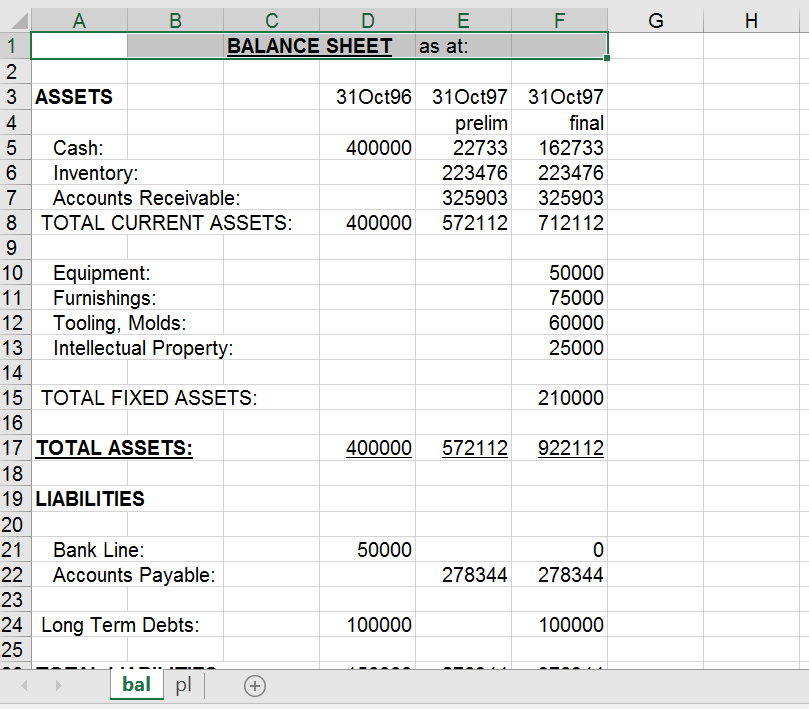
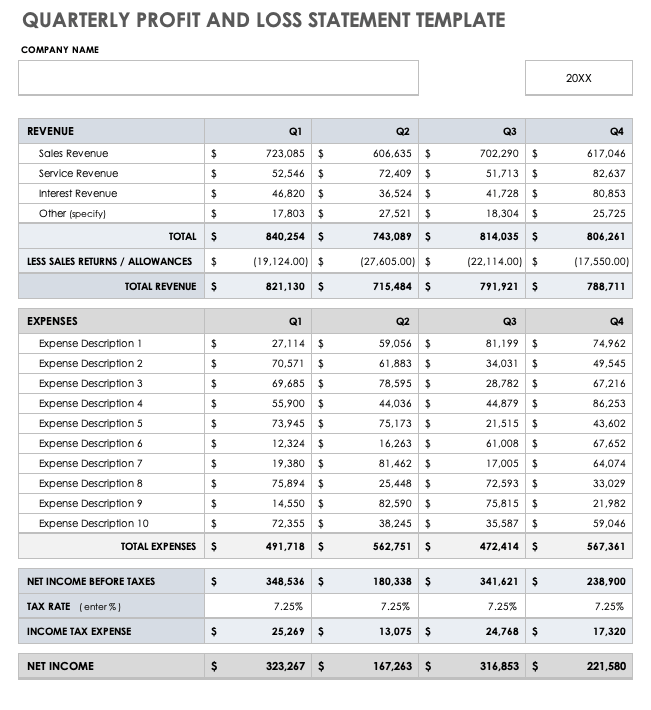
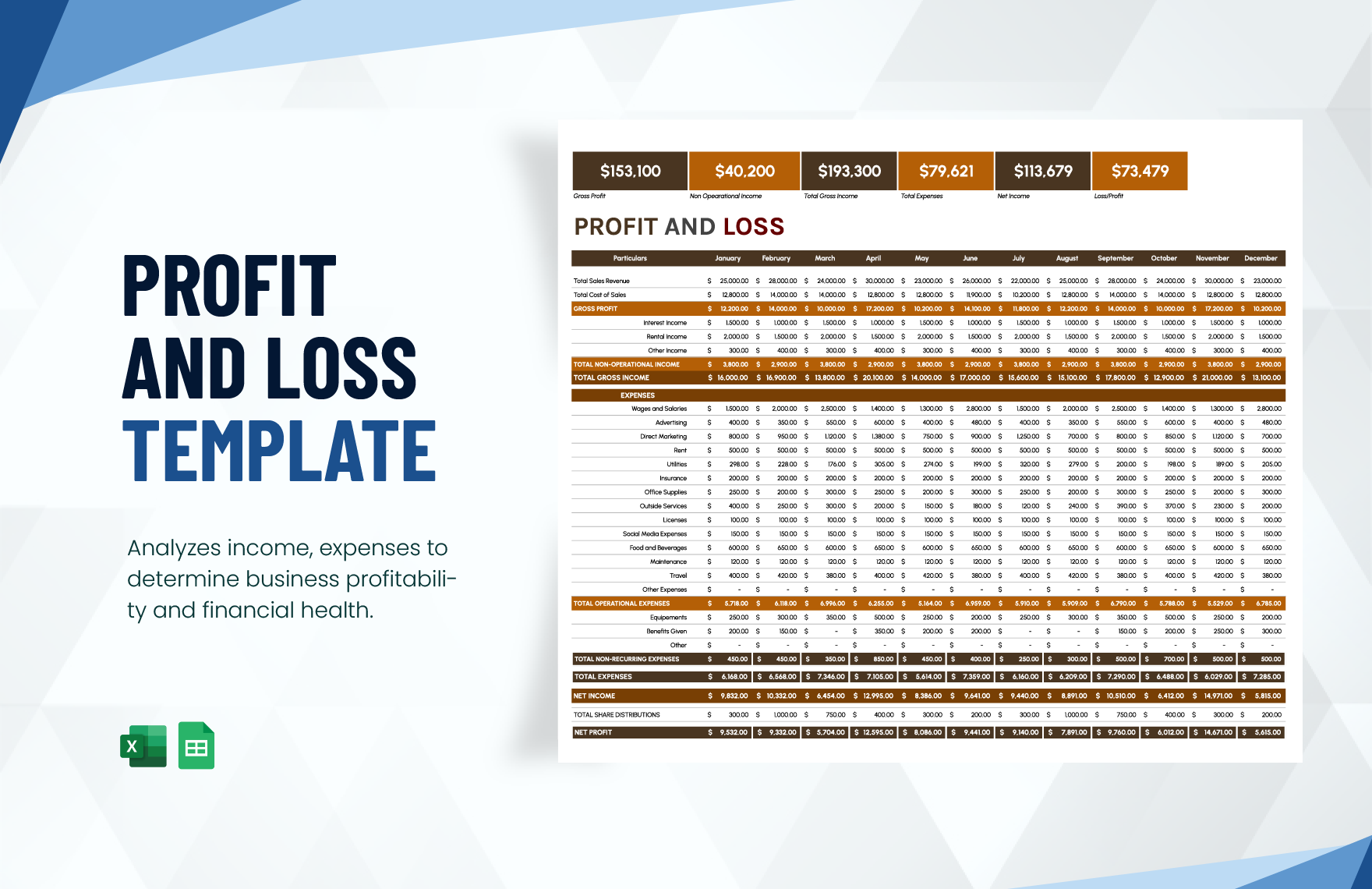
Editable Profit and Loss Statement Templates in Excel to Download
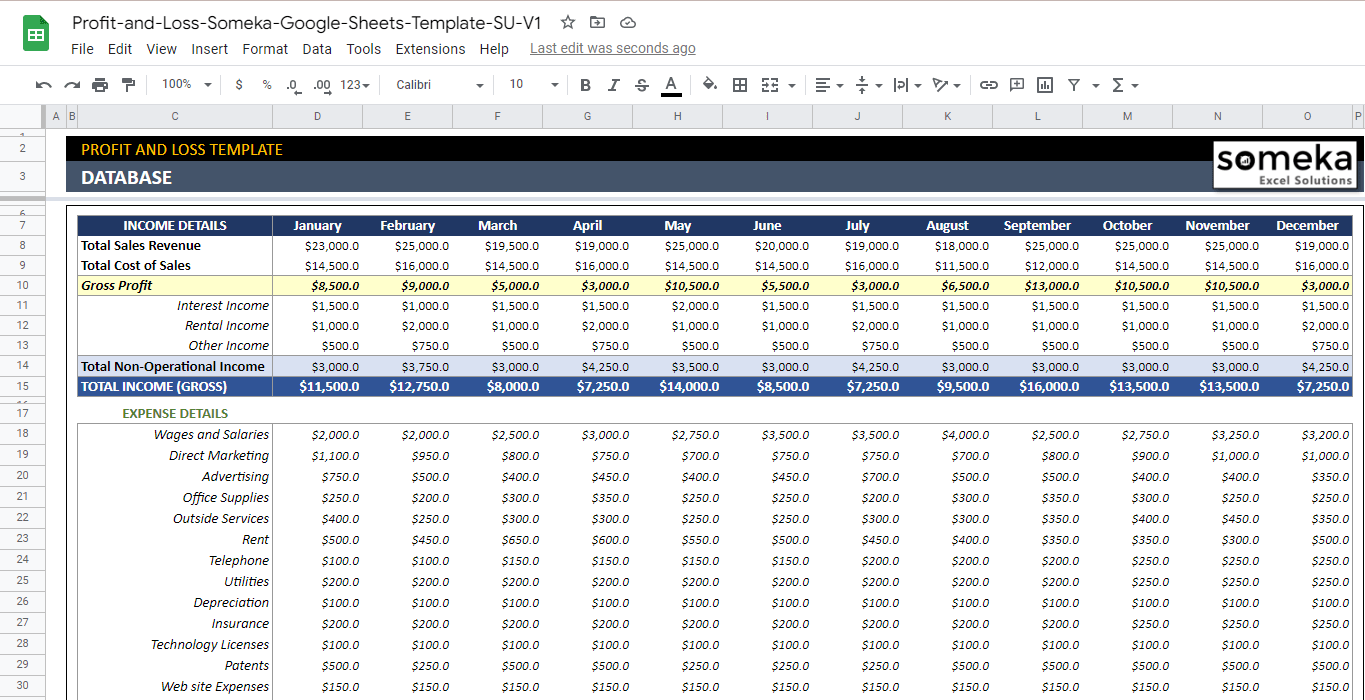
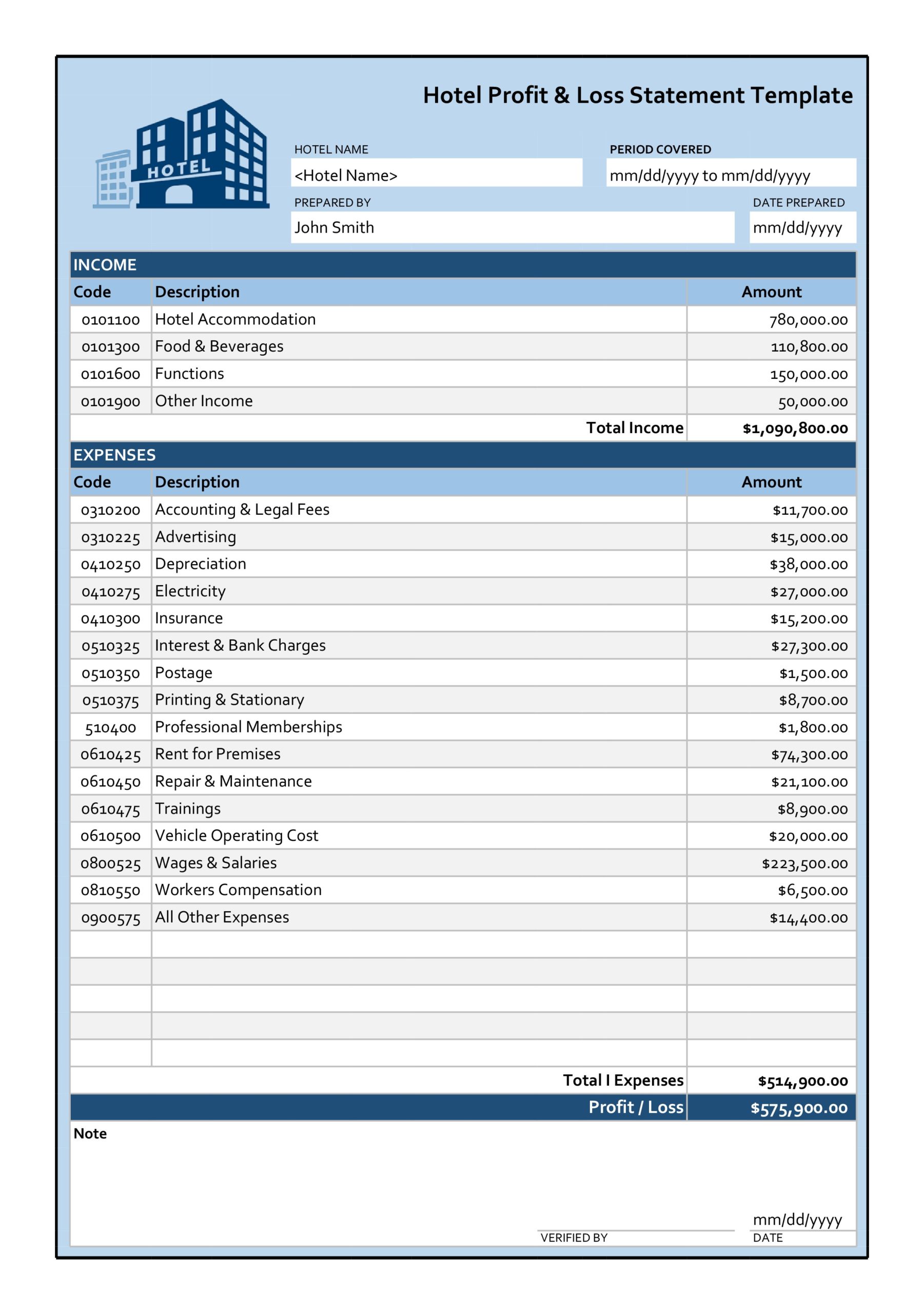
Profit And Loss Statement Template Microsoft Word Free Word Template
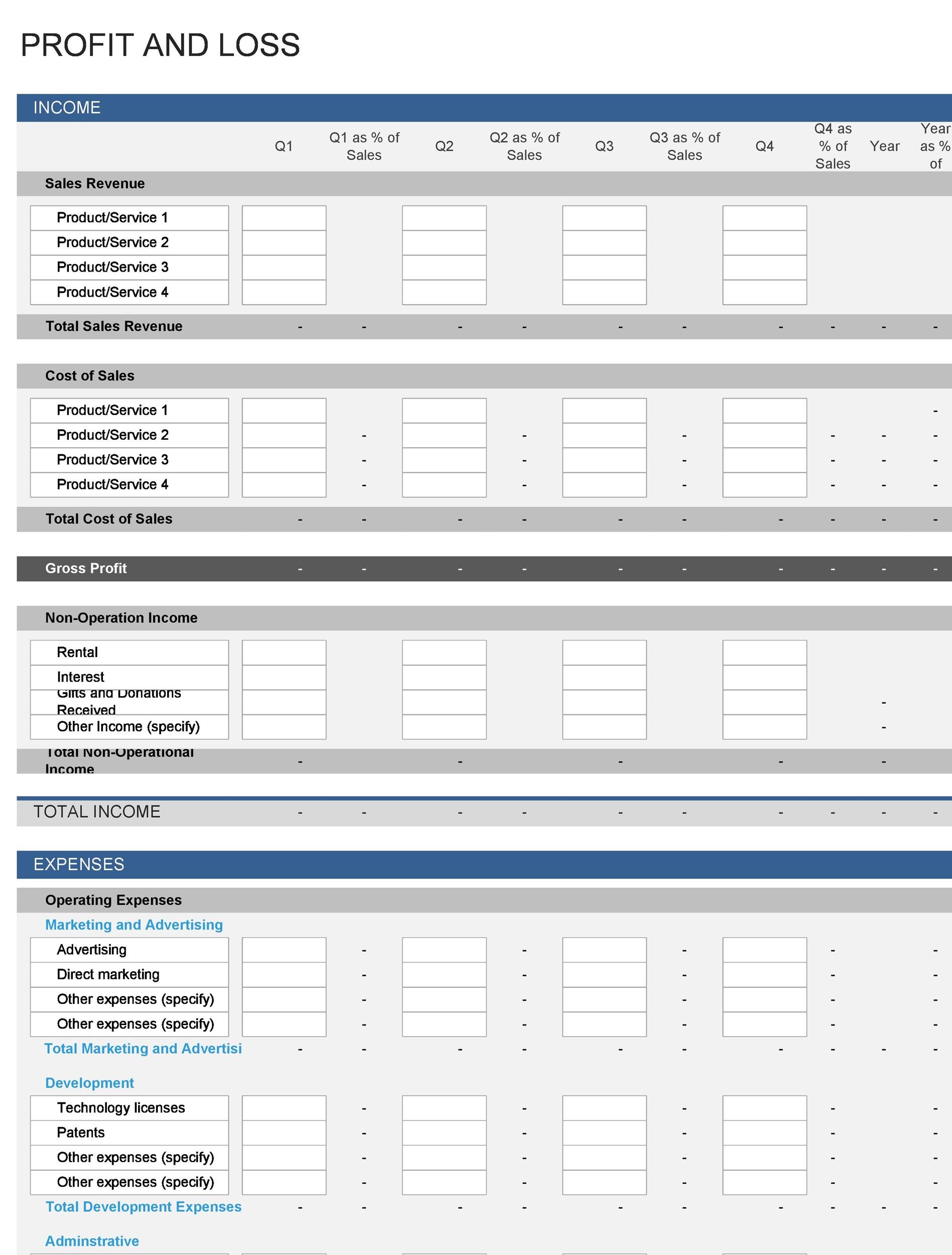
35+ Profit and Loss Statement Templates & Forms
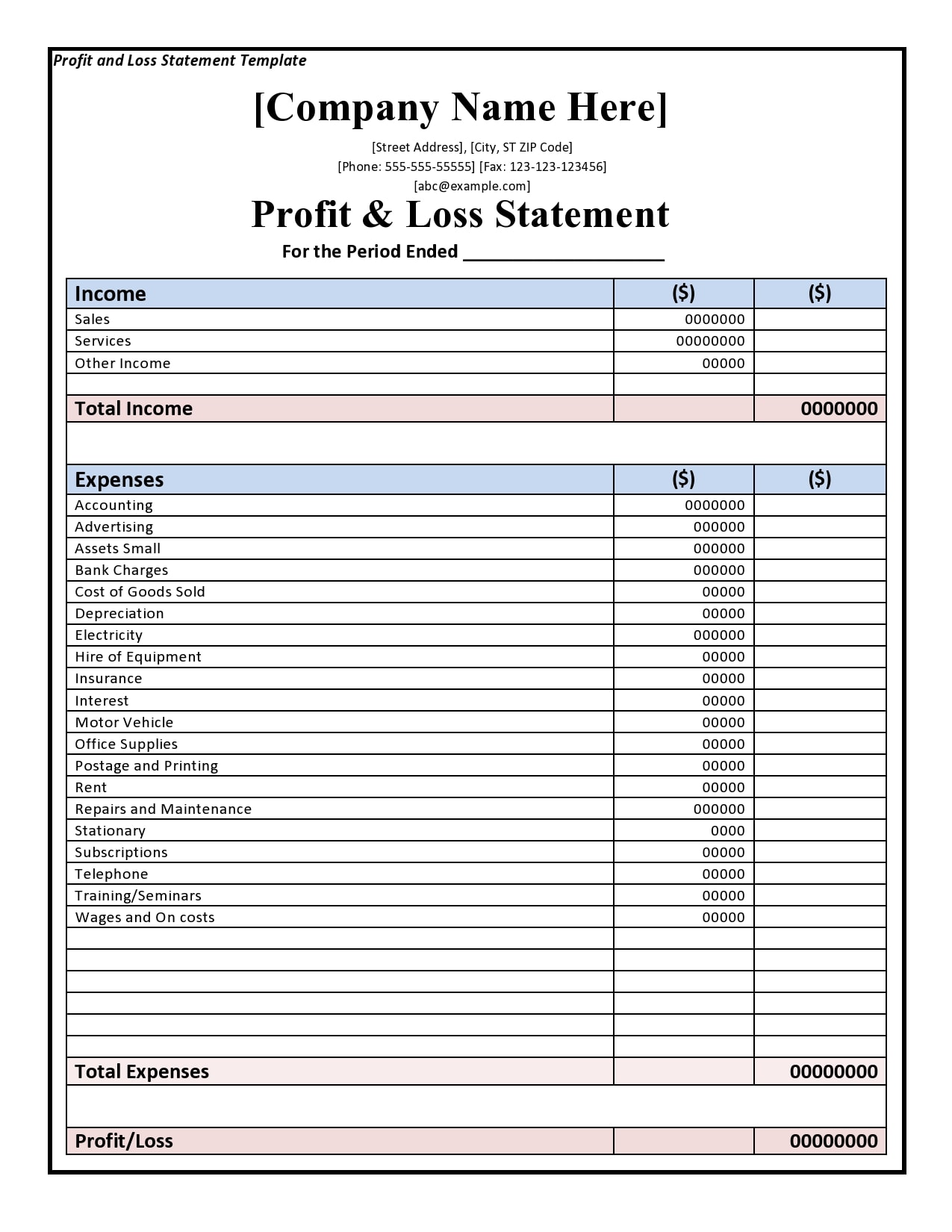
30 Free Profit and Loss Templates (Monthly / Yearly / YTD)
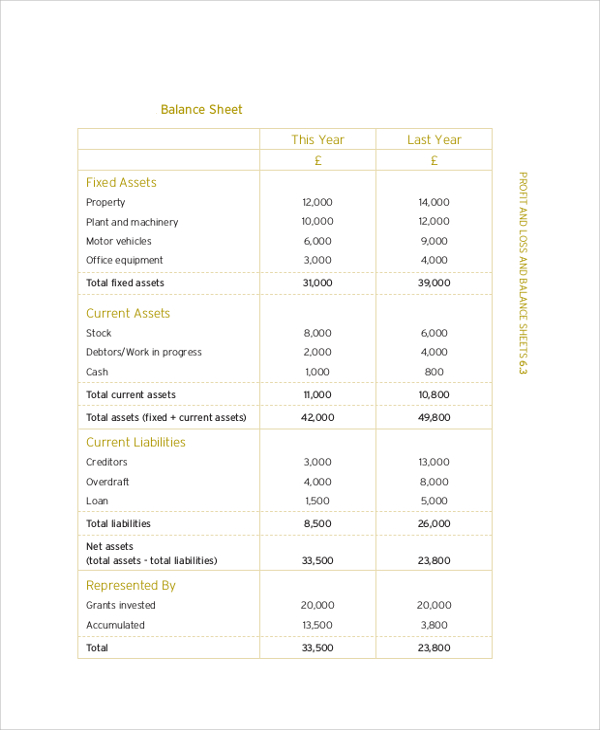
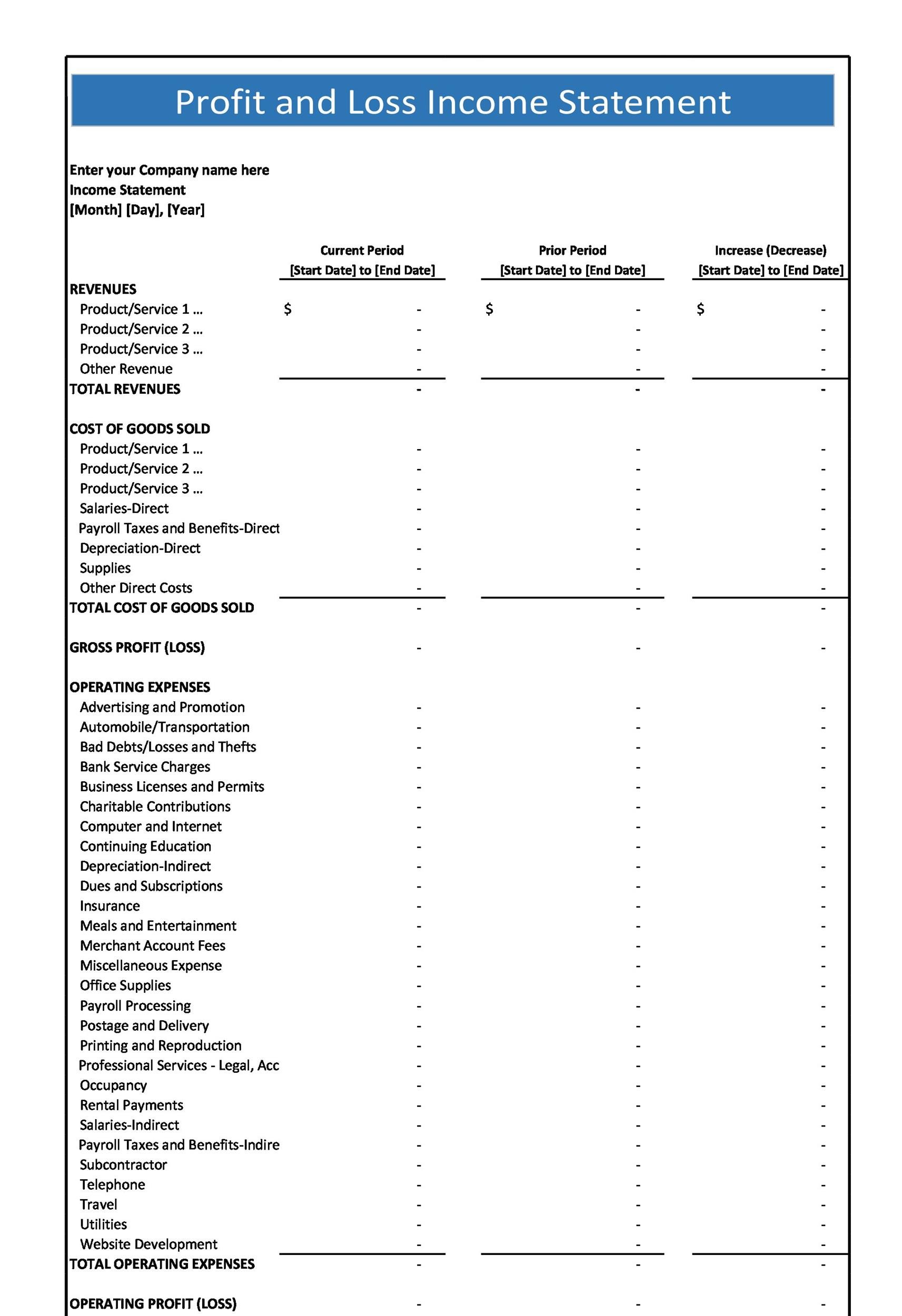
35+ Profit and Loss Statement Templates & Forms
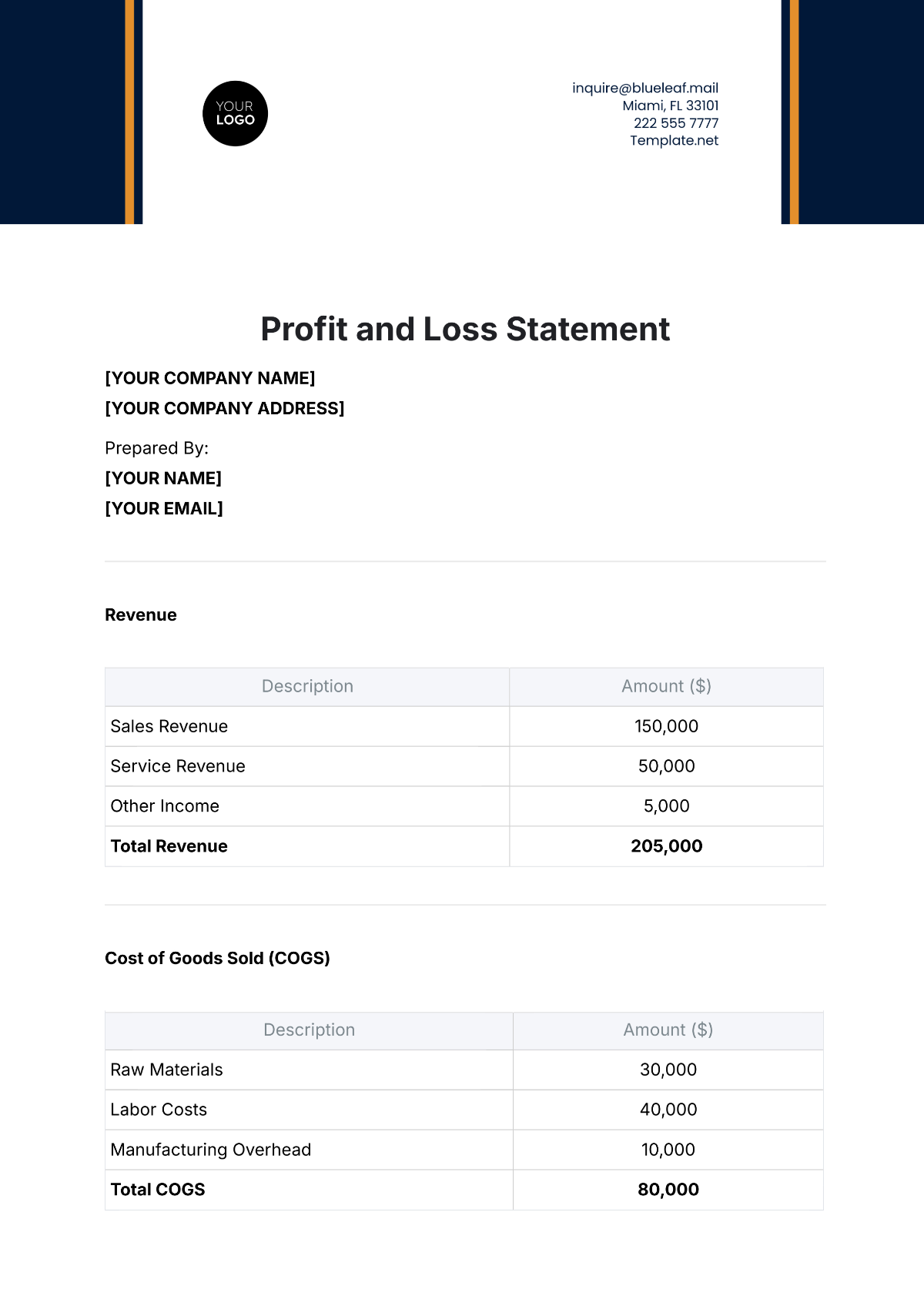
Free Profit and Loss Templates to Edit Online

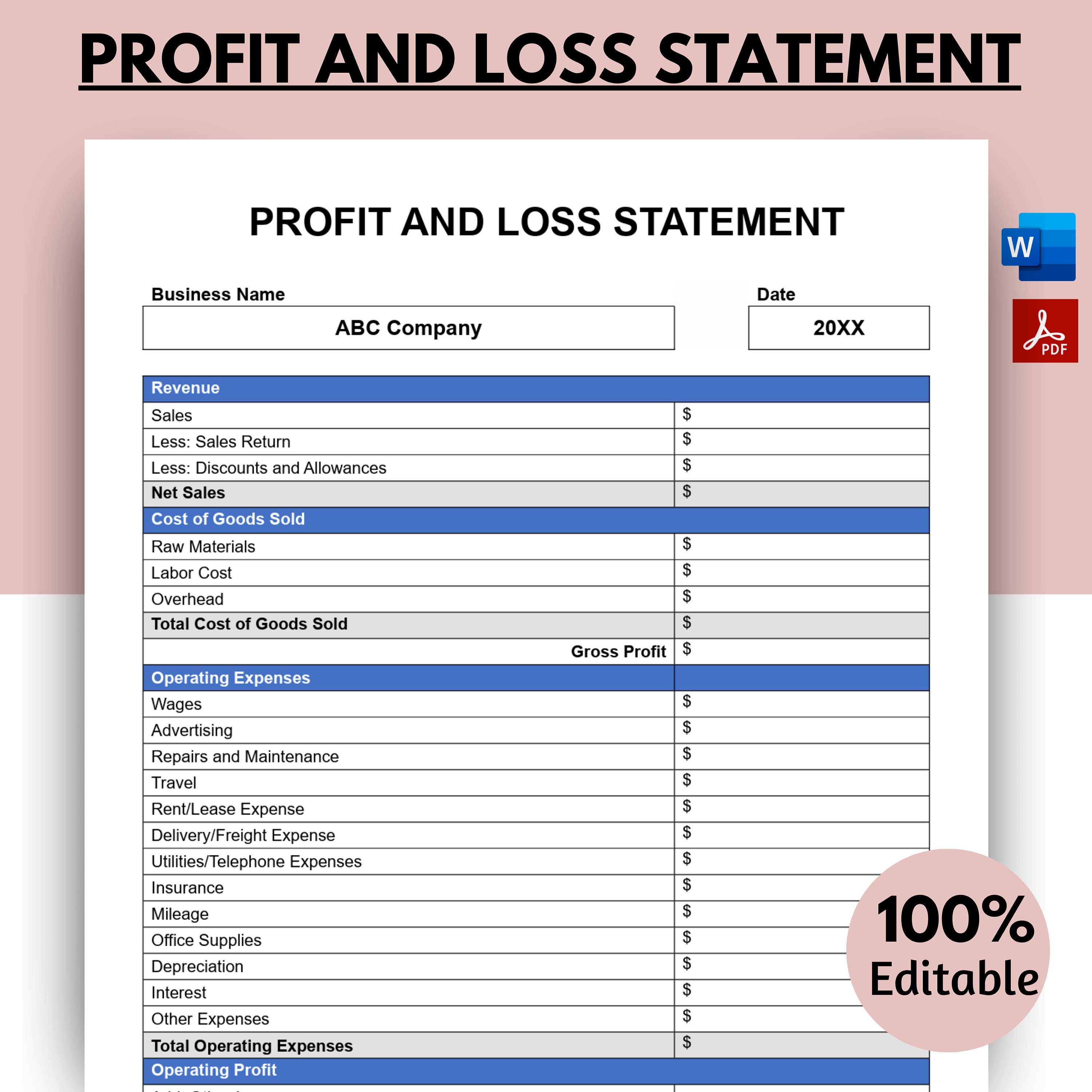
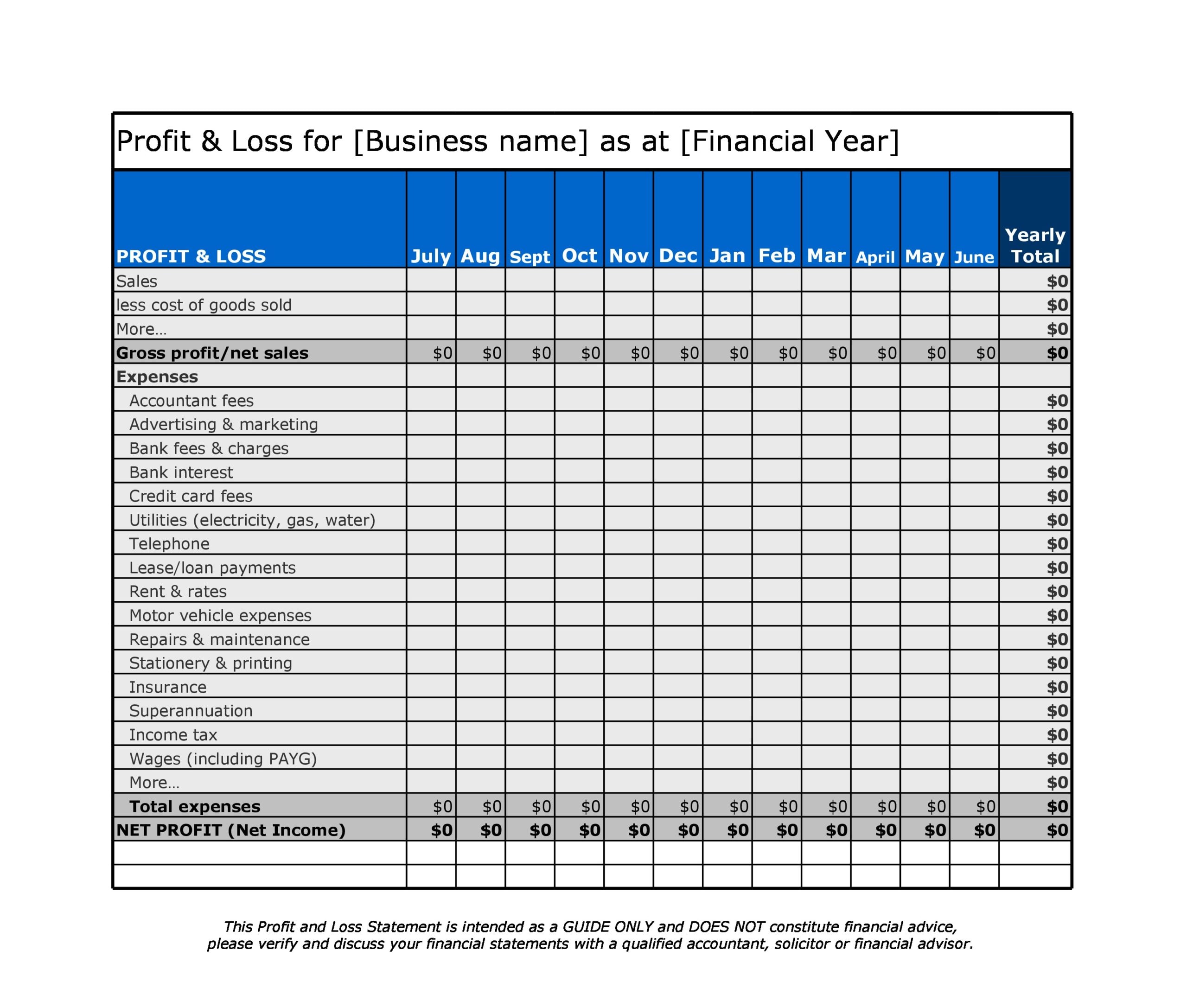
30 Free Profit and Loss Templates (Monthly / Yearly / YTD)
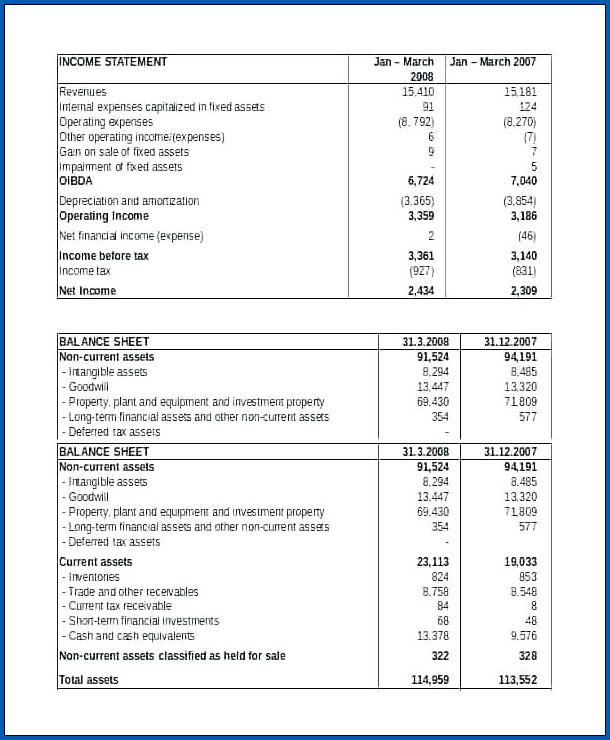
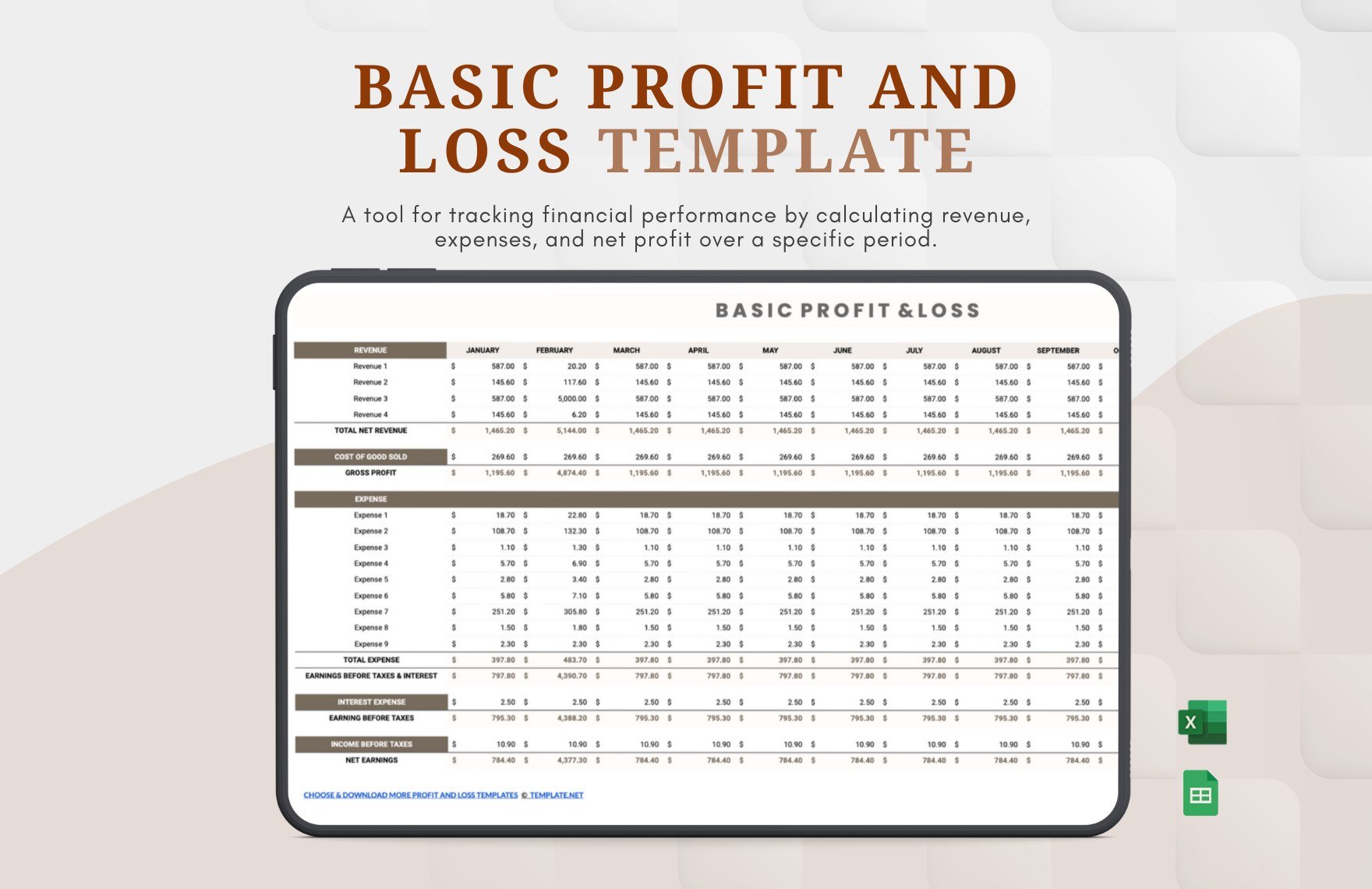
Free Profit and Loss Templates to Edit Online
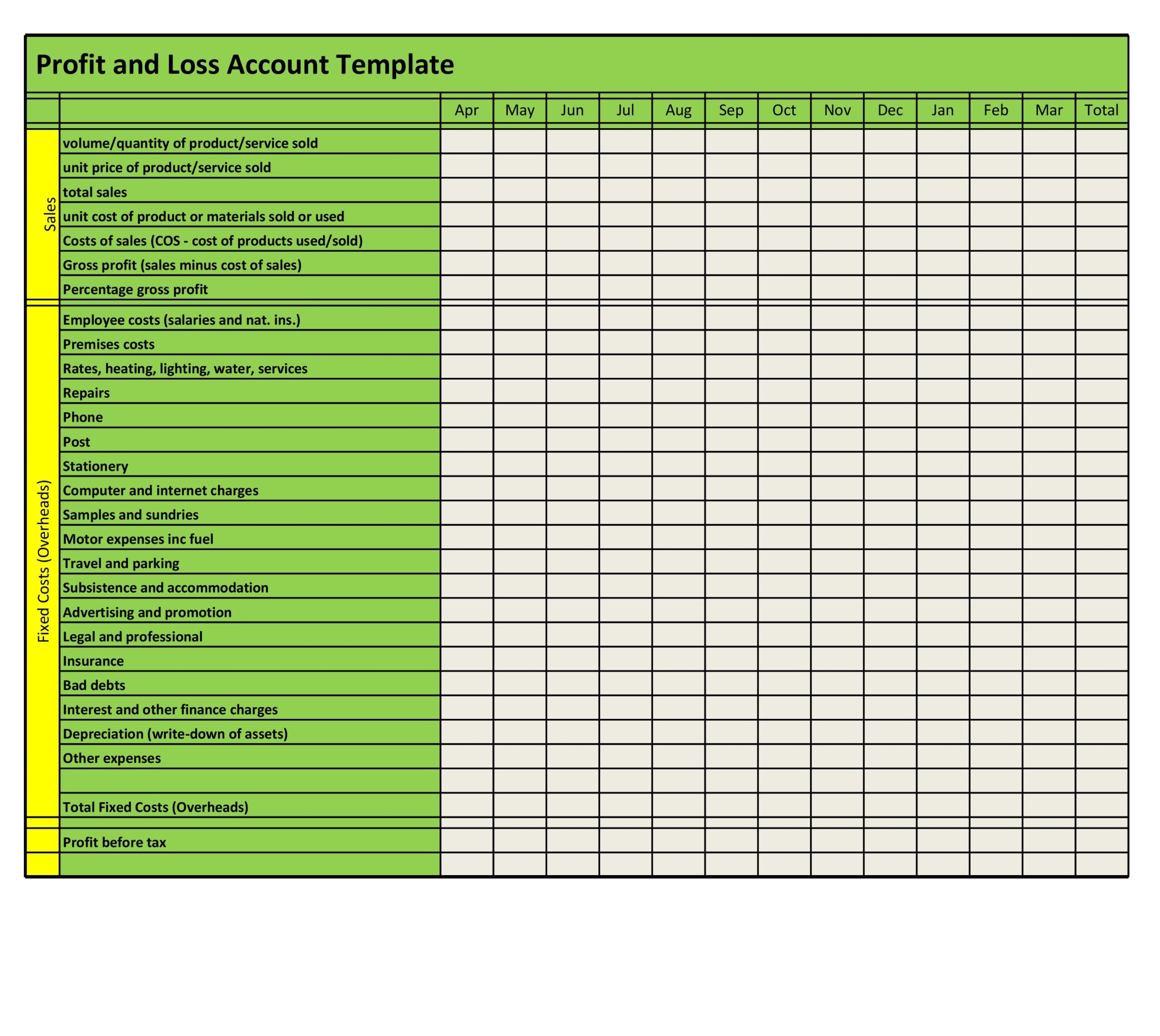
30 Free Profit and Loss Templates (Monthly / Yearly / YTD)
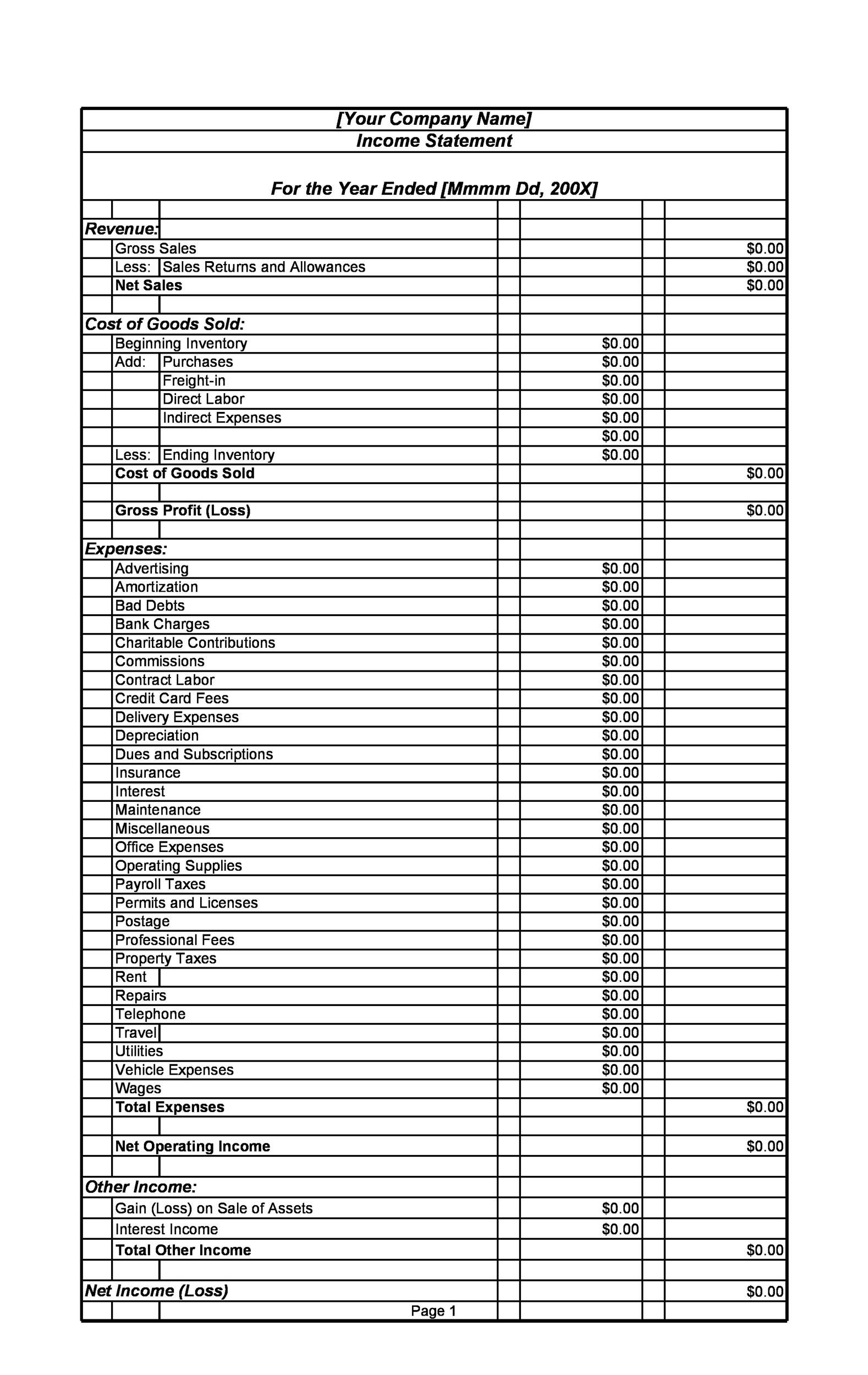
35+ Profit and Loss Statement Templates & Forms
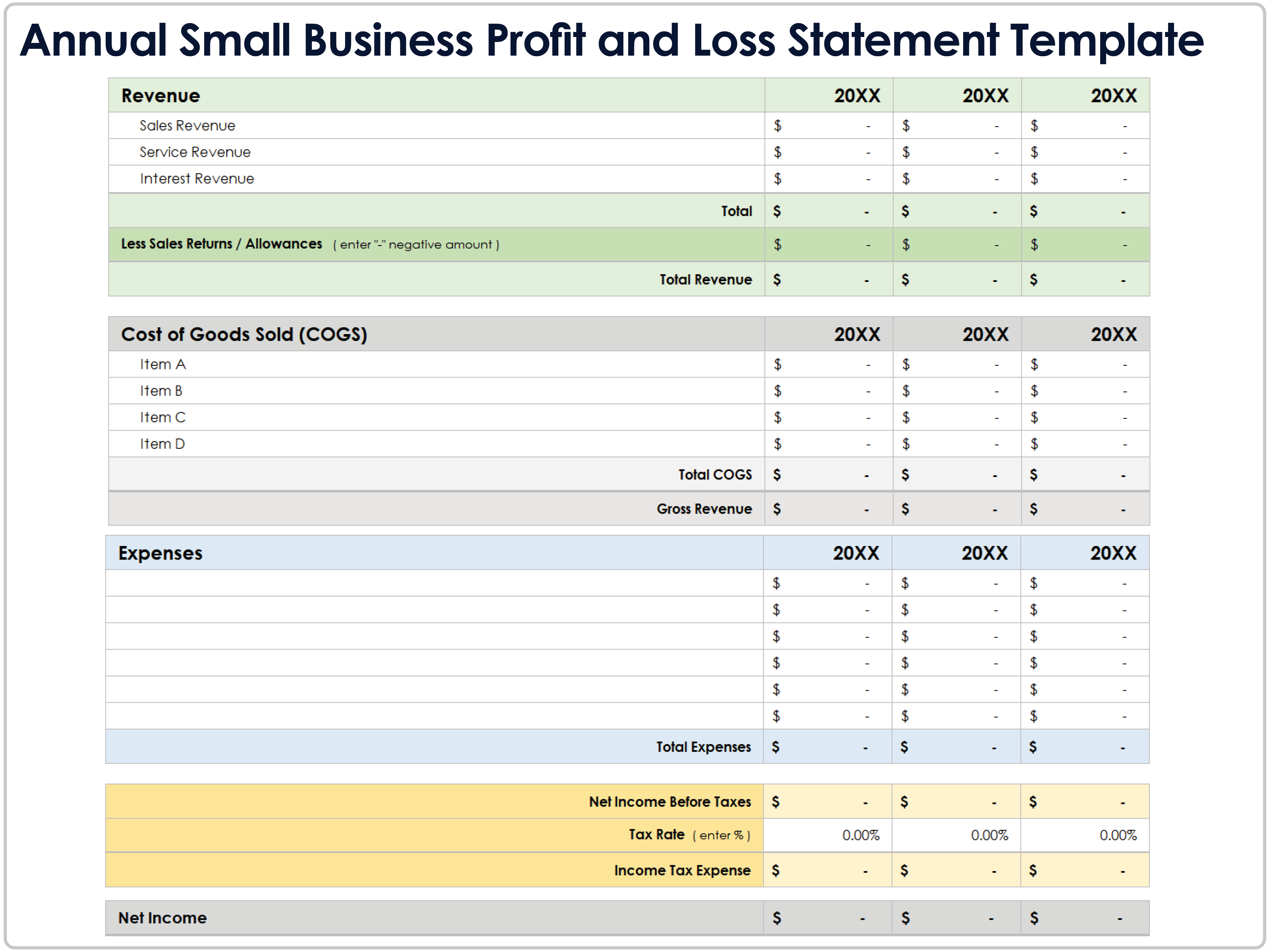
Profit And Loss Template

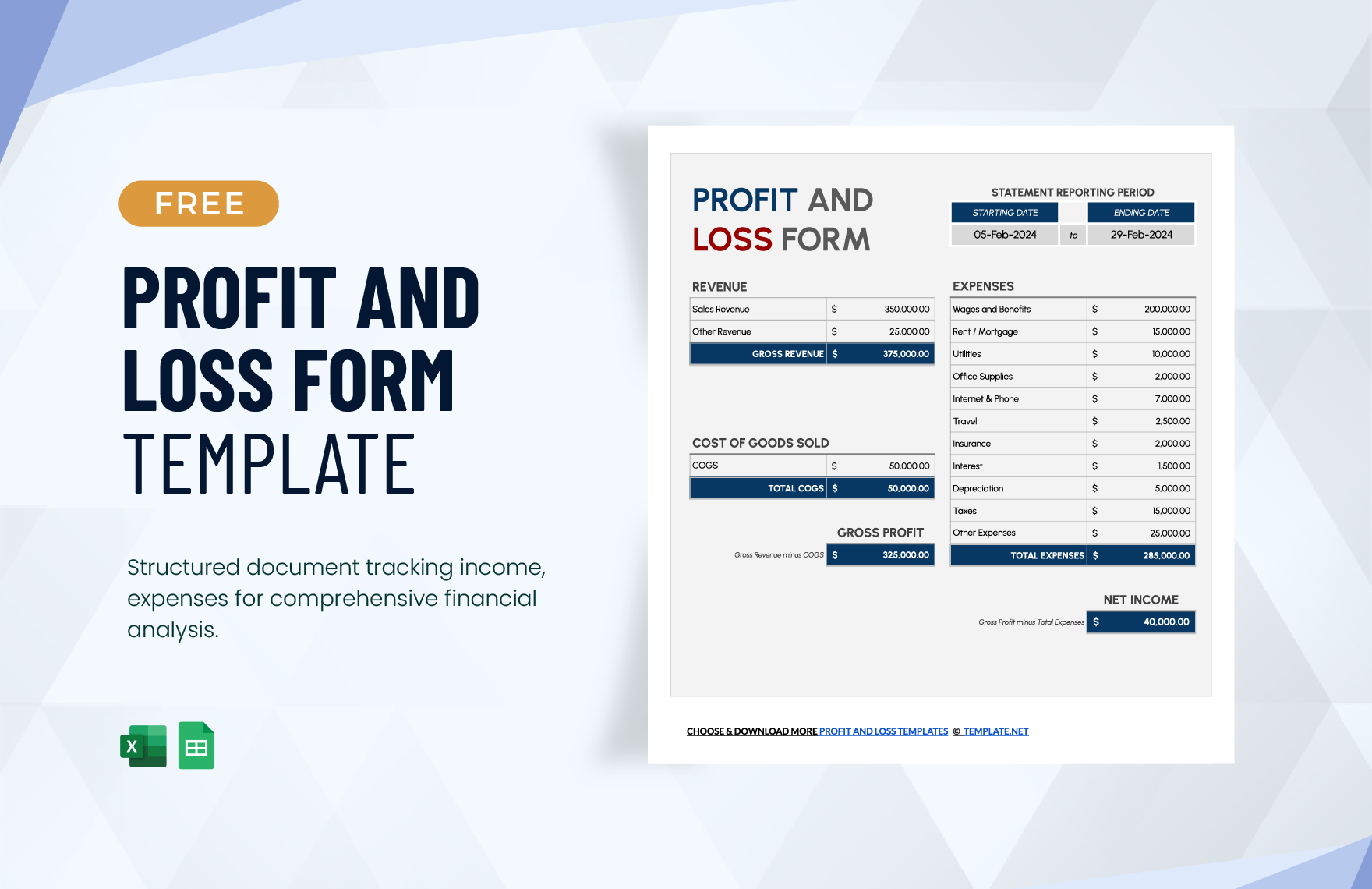
FREE Profit and Loss Template Download in Word, Google Docs, Excel
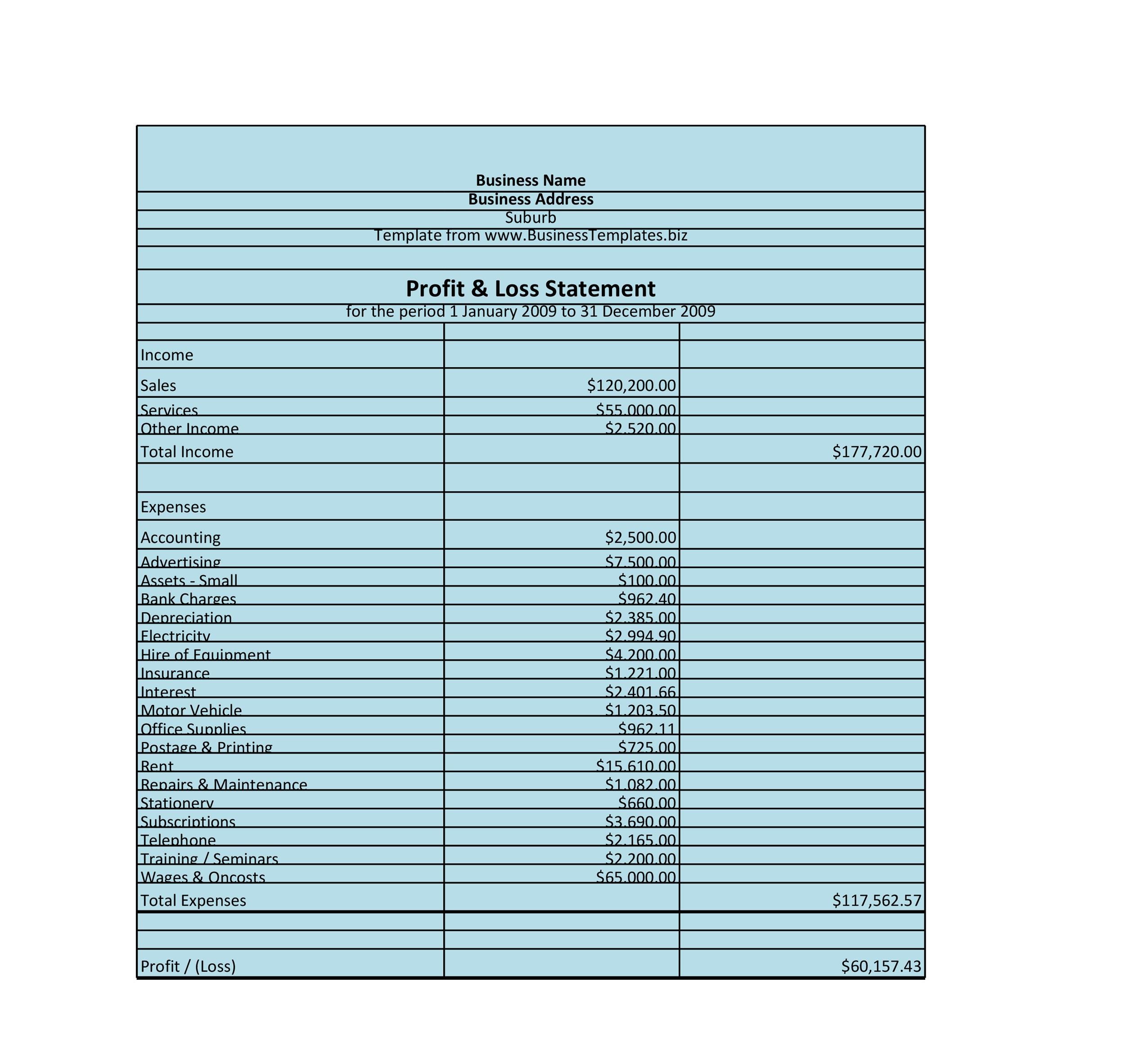
35+ Profit and Loss Statement Templates & Forms
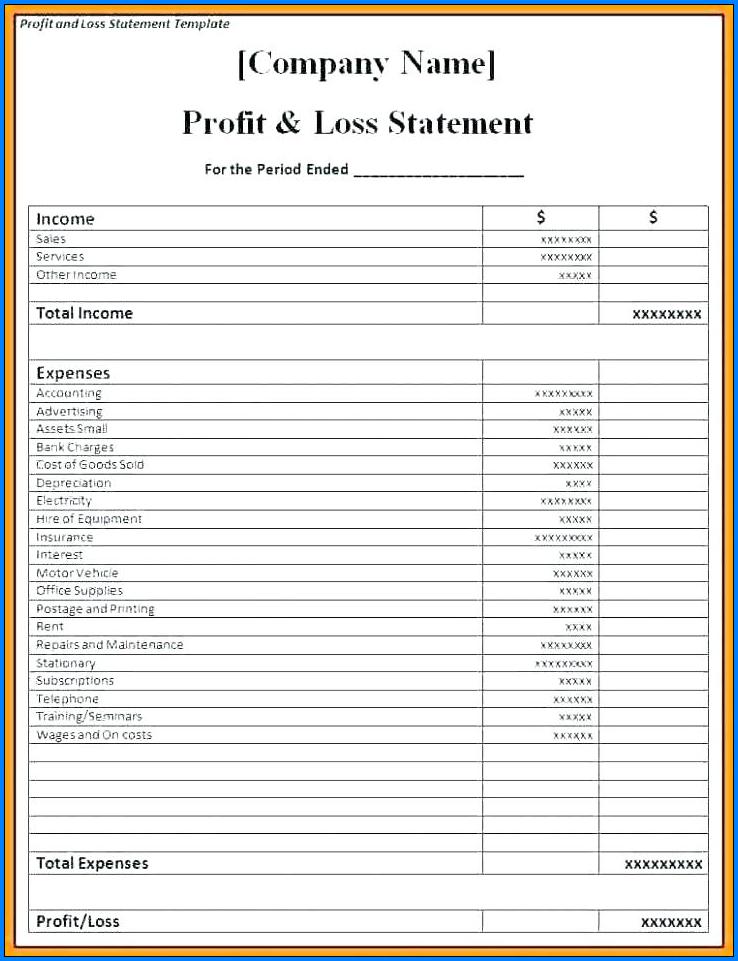
√ Free Printable Profit Loss Template to Manage Your Financial Business
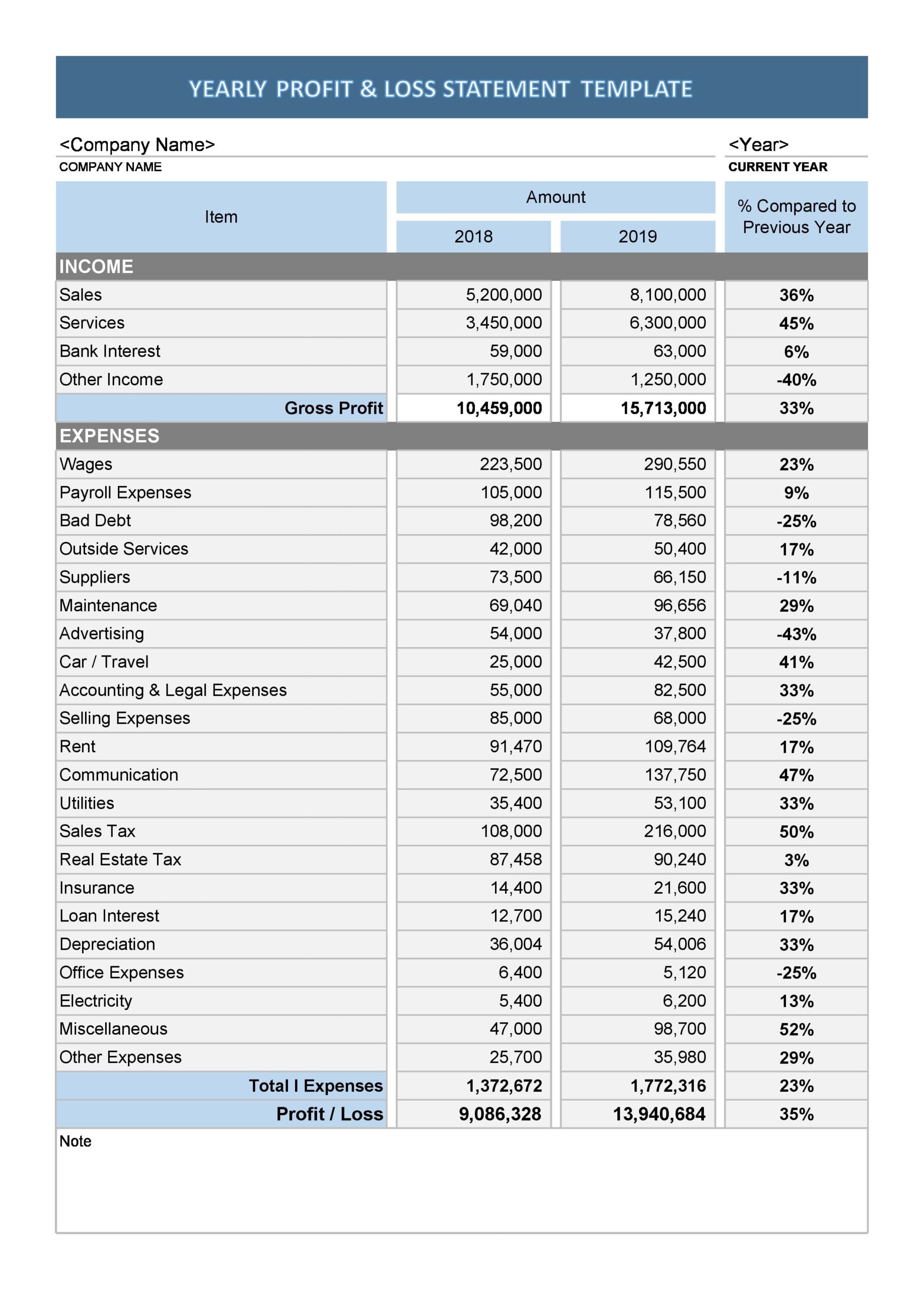
Sample Profit And Loss Excel Sheet Design Talk
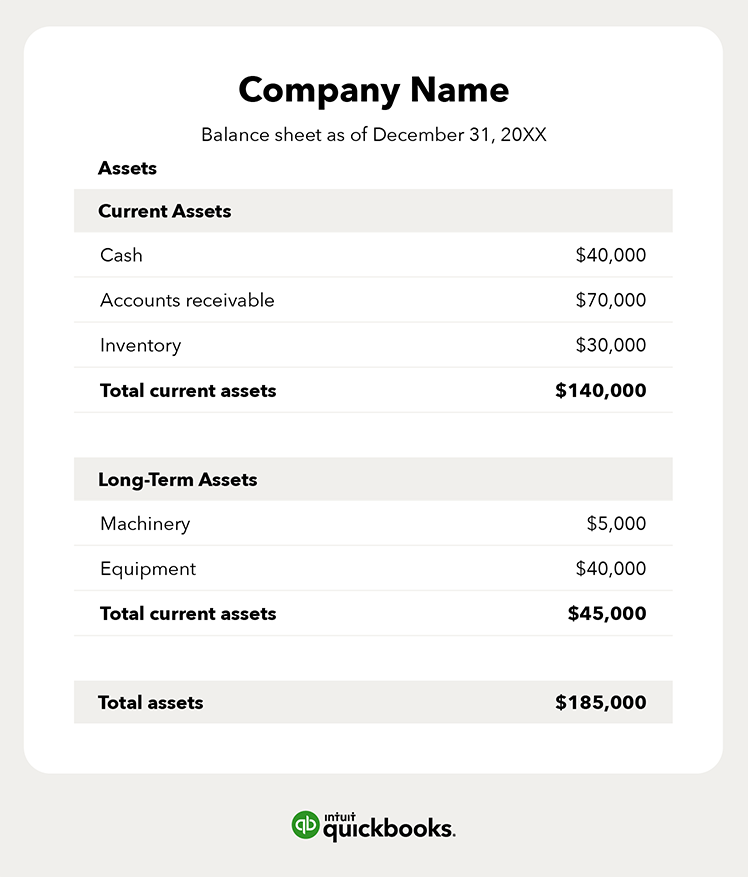
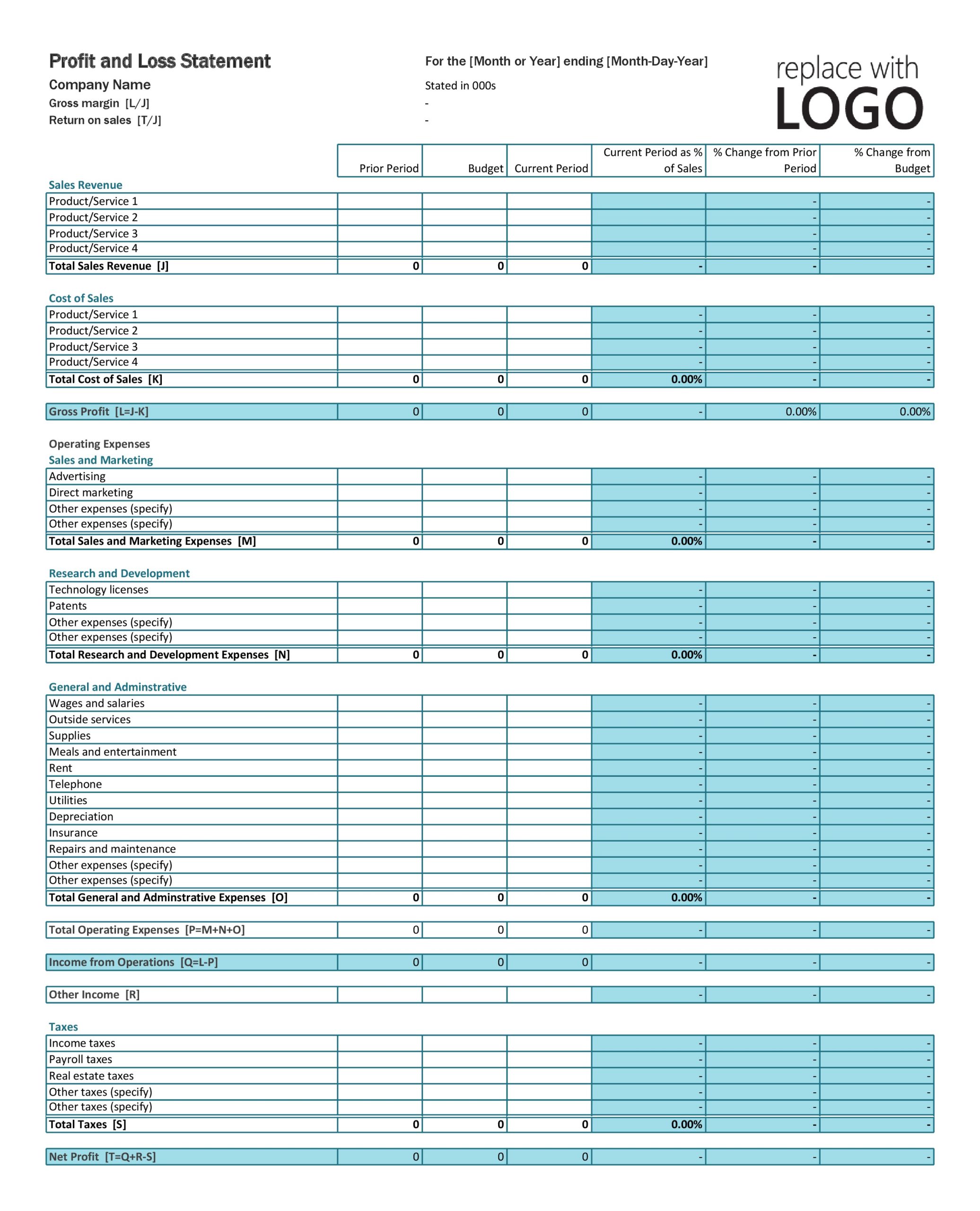
30 Free Profit and Loss Templates (Monthly / Yearly / YTD)
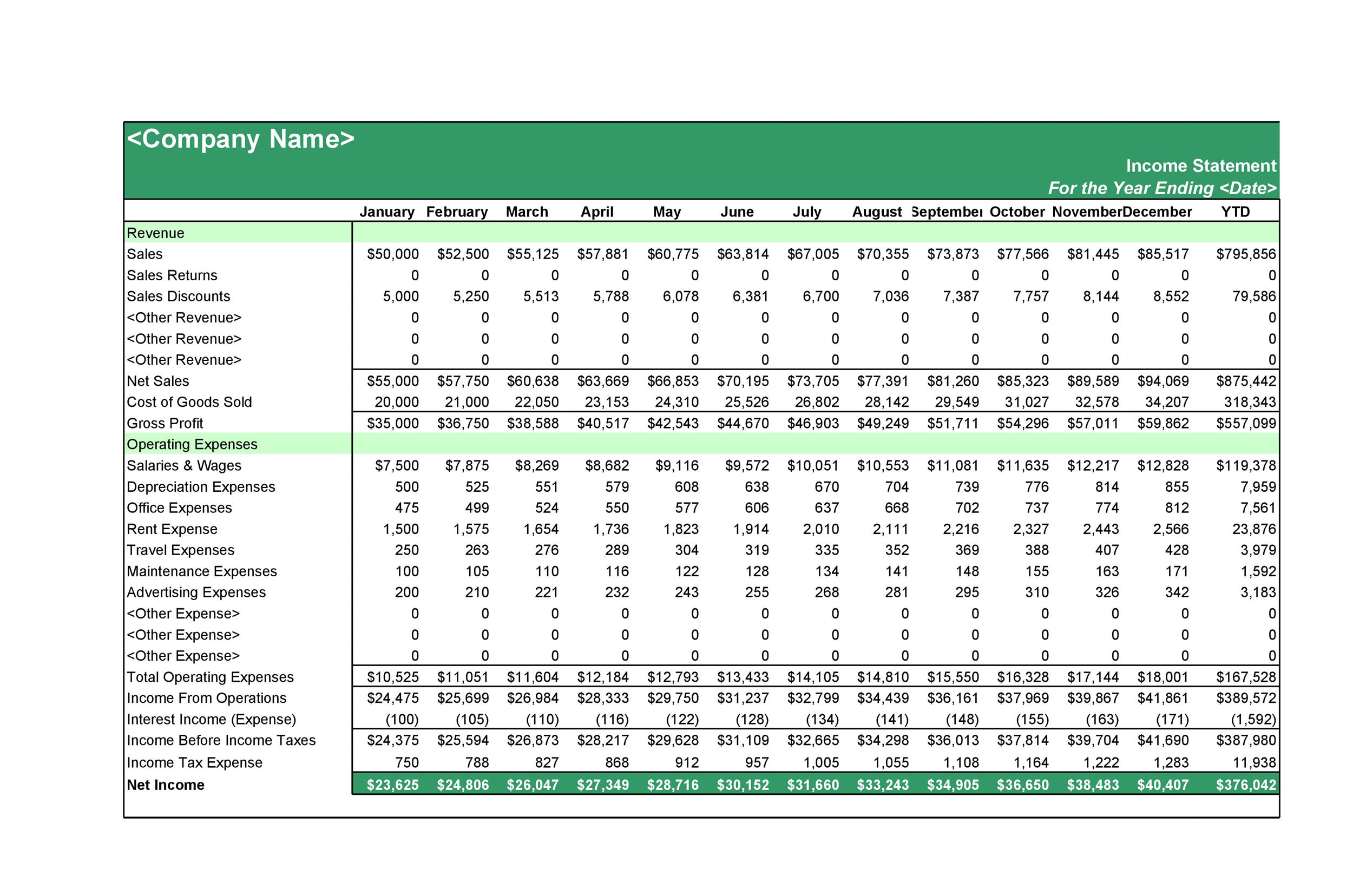
35+ Profit and Loss Statement Templates & Forms
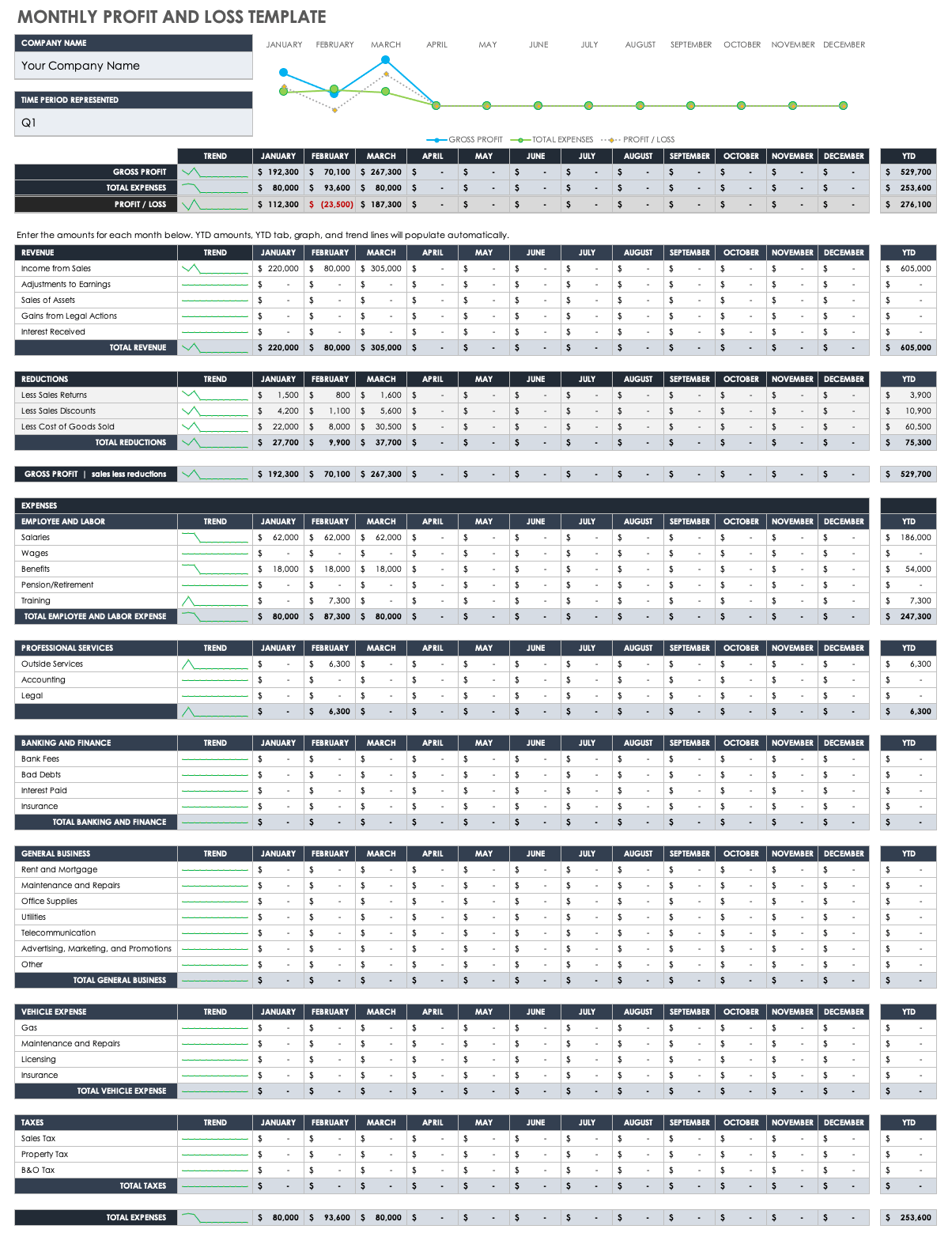
In Everyday Scenarios, The Term Does Not Always Equate To Financial Gain Or Money Earned;
Put Simply It's What A Business Gets To Keep After Paying For Everything It Takes To Make Or Sell Its Products Or Services.
Profit Is The Financial Gain A Business Realizes When Its Revenue Surpasses Its Expenses.
Profit, In Business Usage, The Excess Of Total Revenue Over Total Cost During A Specific Period Of Time.
Related Post: