
Skull Mount Plaque Template
Skull Mount Plaque Template - The skull consists of the rounded brain case that houses the brain and the facial bones that form the upper and lower jaws, nose, orbits, and other facial structures. Skull, skeletal framework of the head of vertebrates, composed of bones or cartilage, which form a unit that protects the brain and some sense organs. It also holds or supports several of your main sensory organs, like your eyes, ears, nose,. The skull includes the upper jaw. There are 29 bones (including the hyoid and middle ear bones). An overview of the bones of the skull, including the cranium, facial skeleton, and sutures, with key anatomical features and clinical relevance. During fetal development, the bones of the skull form within tough, fibrous. The skull is one of the most vital bony structures of the human body, as it houses and protects the most important organs, including the brain. The skull forms the frontmost portion of the axial skeleton and is a product of cephalization and vesicular enlargement of the brain, with several special senses structures such as the eyes, ears, nose,. Your skull is the part of your skeleton that holds and protects your brain. Skull, skeletal framework of the head of vertebrates, composed of bones or cartilage, which form a unit that protects the brain and some sense organs. During fetal development, the bones of the skull form within tough, fibrous. It also holds or supports several of your main sensory organs, like your eyes, ears, nose,. Your skull is the part of your. During fetal development, the bones of the skull form within tough, fibrous. The skull includes the upper jaw. It also holds or supports several of your main sensory organs, like your eyes, ears, nose,. Your skull is the part of your skeleton that holds and protects your brain. There are 29 bones (including the hyoid and middle ear bones). The skull consists of the rounded brain case that houses the brain and the facial bones that form the upper and lower jaws, nose, orbits, and other facial structures. The skull forms the frontmost portion of the axial skeleton and is a product of cephalization and vesicular enlargement of the brain, with several special senses structures such as the eyes,. The skull includes the upper jaw. It also holds or supports several of your main sensory organs, like your eyes, ears, nose,. An overview of the bones of the skull, including the cranium, facial skeleton, and sutures, with key anatomical features and clinical relevance. Skull, skeletal framework of the head of vertebrates, composed of bones or cartilage, which form a. There are 29 bones (including the hyoid and middle ear bones). Skull, skeletal framework of the head of vertebrates, composed of bones or cartilage, which form a unit that protects the brain and some sense organs. The skull forms the frontmost portion of the axial skeleton and is a product of cephalization and vesicular enlargement of the brain, with several. The skull forms the frontmost portion of the axial skeleton and is a product of cephalization and vesicular enlargement of the brain, with several special senses structures such as the eyes, ears, nose,. The skull is one of the most vital bony structures of the human body, as it houses and protects the most important organs, including the brain. An. It also holds or supports several of your main sensory organs, like your eyes, ears, nose,. Skull, skeletal framework of the head of vertebrates, composed of bones or cartilage, which form a unit that protects the brain and some sense organs. The skull is one of the most vital bony structures of the human body, as it houses and protects. There are 29 bones (including the hyoid and middle ear bones). Your skull is the part of your skeleton that holds and protects your brain. The skull includes the upper jaw. It also holds or supports several of your main sensory organs, like your eyes, ears, nose,. Skull, skeletal framework of the head of vertebrates, composed of bones or cartilage,. It also holds or supports several of your main sensory organs, like your eyes, ears, nose,. Skull, skeletal framework of the head of vertebrates, composed of bones or cartilage, which form a unit that protects the brain and some sense organs. The skull includes the upper jaw. The skull forms the frontmost portion of the axial skeleton and is a. During fetal development, the bones of the skull form within tough, fibrous. The skull consists of the rounded brain case that houses the brain and the facial bones that form the upper and lower jaws, nose, orbits, and other facial structures. There are 29 bones (including the hyoid and middle ear bones). An overview of the bones of the skull,. Your skull is the part of your skeleton that holds and protects your brain. During fetal development, the bones of the skull form within tough, fibrous. The skull consists of the rounded brain case that houses the brain and the facial bones that form the upper and lower jaws, nose, orbits, and other facial structures. An overview of the bones. The skull forms the frontmost portion of the axial skeleton and is a product of cephalization and vesicular enlargement of the brain, with several special senses structures such as the eyes, ears, nose,. The skull includes the upper jaw. It also holds or supports several of your main sensory organs, like your eyes, ears, nose,. During fetal development, the bones. The skull is one of the most vital bony structures of the human body, as it houses and protects the most important organs, including the brain. An overview of the bones of the skull, including the cranium, facial skeleton, and sutures, with key anatomical features and clinical relevance. The skull forms the frontmost portion of the axial skeleton and is. During fetal development, the bones of the skull form within tough, fibrous. The skull includes the upper jaw. The skull is one of the most vital bony structures of the human body, as it houses and protects the most important organs, including the brain. Skull, skeletal framework of the head of vertebrates, composed of bones or cartilage, which form a. An overview of the bones of the skull, including the cranium, facial skeleton, and sutures, with key anatomical features and clinical relevance. During fetal development, the bones of the skull form within tough, fibrous. It also holds or supports several of your main sensory organs, like your eyes, ears, nose,. Skull, skeletal framework of the head of vertebrates, composed of. Skull, skeletal framework of the head of vertebrates, composed of bones or cartilage, which form a unit that protects the brain and some sense organs. The skull is one of the most vital bony structures of the human body, as it houses and protects the most important organs, including the brain. The skull includes the upper jaw. It also holds. It also holds or supports several of your main sensory organs, like your eyes, ears, nose,. Your skull is the part of your skeleton that holds and protects your brain. There are 29 bones (including the hyoid and middle ear bones). The skull forms the frontmost portion of the axial skeleton and is a product of cephalization and vesicular enlargement. The skull forms the frontmost portion of the axial skeleton and is a product of cephalization and vesicular enlargement of the brain, with several special senses structures such as the eyes, ears, nose,. There are 29 bones (including the hyoid and middle ear bones). The skull is one of the most vital bony structures of the human body, as it. Your skull is the part of your skeleton that holds and protects your brain. The skull is one of the most vital bony structures of the human body, as it houses and protects the most important organs, including the brain. It also holds or supports several of your main sensory organs, like your eyes, ears, nose,. The skull forms the. It also holds or supports several of your main sensory organs, like your eyes, ears, nose,. Skull, skeletal framework of the head of vertebrates, composed of bones or cartilage, which form a unit that protects the brain and some sense organs. During fetal development, the bones of the skull form within tough, fibrous. The skull includes the upper jaw. There. Skull, skeletal framework of the head of vertebrates, composed of bones or cartilage, which form a unit that protects the brain and some sense organs. The skull forms the frontmost portion of the axial skeleton and is a product of cephalization and vesicular enlargement of the brain, with several special senses structures such as the eyes, ears, nose,. The skull. An overview of the bones of the skull, including the cranium, facial skeleton, and sutures, with key anatomical features and clinical relevance. Skull, skeletal framework of the head of vertebrates, composed of bones or cartilage, which form a unit that protects the brain and some sense organs. During fetal development, the bones of the skull form within tough, fibrous. The. There are 29 bones (including the hyoid and middle ear bones). It also holds or supports several of your main sensory organs, like your eyes, ears, nose,. Skull, skeletal framework of the head of vertebrates, composed of bones or cartilage, which form a unit that protects the brain and some sense organs. The skull forms the frontmost portion of the. There are 29 bones (including the hyoid and middle ear bones). The skull consists of the rounded brain case that houses the brain and the facial bones that form the upper and lower jaws, nose, orbits, and other facial structures. The skull forms the frontmost portion of the axial skeleton and is a product of cephalization and vesicular enlargement of. There are 29 bones (including the hyoid and middle ear bones). The skull consists of the rounded brain case that houses the brain and the facial bones that form the upper and lower jaws, nose, orbits, and other facial structures. The skull forms the frontmost portion of the axial skeleton and is a product of cephalization and vesicular enlargement of. The skull forms the frontmost portion of the axial skeleton and is a product of cephalization and vesicular enlargement of the brain, with several special senses structures such as the eyes, ears, nose,. During fetal development, the bones of the skull form within tough, fibrous. It also holds or supports several of your main sensory organs, like your eyes, ears,. Your skull is the part of your skeleton that holds and protects your brain. An overview of the bones of the skull, including the cranium, facial skeleton, and sutures, with key anatomical features and clinical relevance. The skull forms the frontmost portion of the axial skeleton and is a product of cephalization and vesicular enlargement of the brain, with several. The skull consists of the rounded brain case that houses the brain and the facial bones that form the upper and lower jaws, nose, orbits, and other facial structures. Skull, skeletal framework of the head of vertebrates, composed of bones or cartilage, which form a unit that protects the brain and some sense organs. Your skull is the part of. The skull consists of the rounded brain case that houses the brain and the facial bones that form the upper and lower jaws, nose, orbits, and other facial structures. The skull is one of the most vital bony structures of the human body, as it houses and protects the most important organs, including the brain. Your skull is the part. There are 29 bones (including the hyoid and middle ear bones). The skull includes the upper jaw. The skull consists of the rounded brain case that houses the brain and the facial bones that form the upper and lower jaws, nose, orbits, and other facial structures. It also holds or supports several of your main sensory organs, like your eyes,. Your skull is the part of your skeleton that holds and protects your brain. It also holds or supports several of your main sensory organs, like your eyes, ears, nose,. The skull consists of the rounded brain case that houses the brain and the facial bones that form the upper and lower jaws, nose, orbits, and other facial structures. The. The skull forms the frontmost portion of the axial skeleton and is a product of cephalization and vesicular enlargement of the brain, with several special senses structures such as the eyes, ears, nose,. The skull consists of the rounded brain case that houses the brain and the facial bones that form the upper and lower jaws, nose, orbits, and other. The skull includes the upper jaw. The skull is one of the most vital bony structures of the human body, as it houses and protects the most important organs, including the brain. The skull forms the frontmost portion of the axial skeleton and is a product of cephalization and vesicular enlargement of the brain, with several special senses structures such. Skull, skeletal framework of the head of vertebrates, composed of bones or cartilage, which form a unit that protects the brain and some sense organs. The skull includes the upper jaw. An overview of the bones of the skull, including the cranium, facial skeleton, and sutures, with key anatomical features and clinical relevance. It also holds or supports several of. The skull includes the upper jaw. The skull is one of the most vital bony structures of the human body, as it houses and protects the most important organs, including the brain. An overview of the bones of the skull, including the cranium, facial skeleton, and sutures, with key anatomical features and clinical relevance. Skull, skeletal framework of the head. There are 29 bones (including the hyoid and middle ear bones). The skull consists of the rounded brain case that houses the brain and the facial bones that form the upper and lower jaws, nose, orbits, and other facial structures. The skull forms the frontmost portion of the axial skeleton and is a product of cephalization and vesicular enlargement of the brain, with several special senses structures such as the eyes, ears, nose,. During fetal development, the bones of the skull form within tough, fibrous. An overview of the bones of the skull, including the cranium, facial skeleton, and sutures, with key anatomical features and clinical relevance. Your skull is the part of your skeleton that holds and protects your brain. The skull is one of the most vital bony structures of the human body, as it houses and protects the most important organs, including the brain. The skull includes the upper jaw.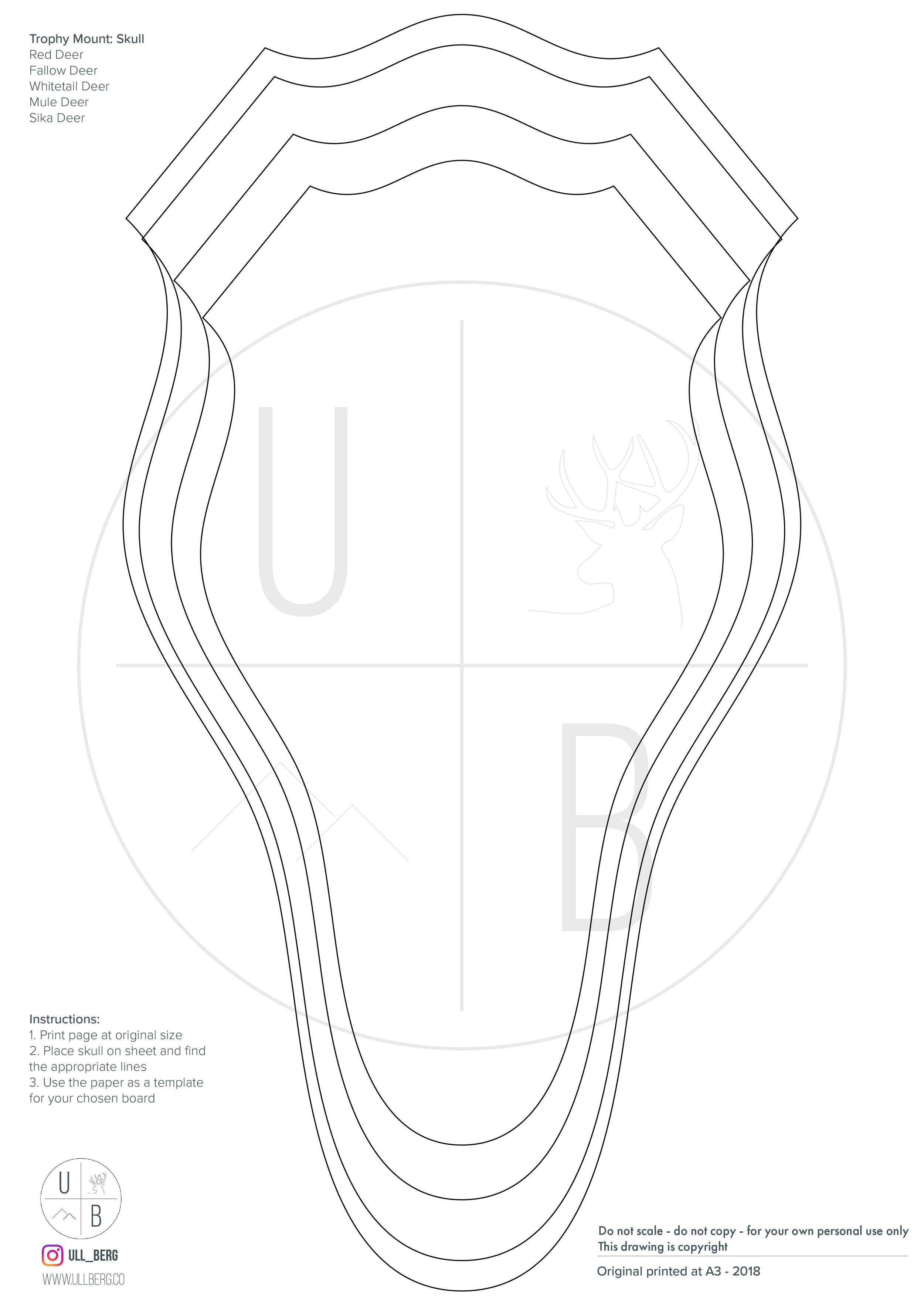
Printable European Mount Plaque Template

Skull Mount Plaque Template AT A GLANCE

Skull Mount Plaque Template Printable And Enjoyable Learning
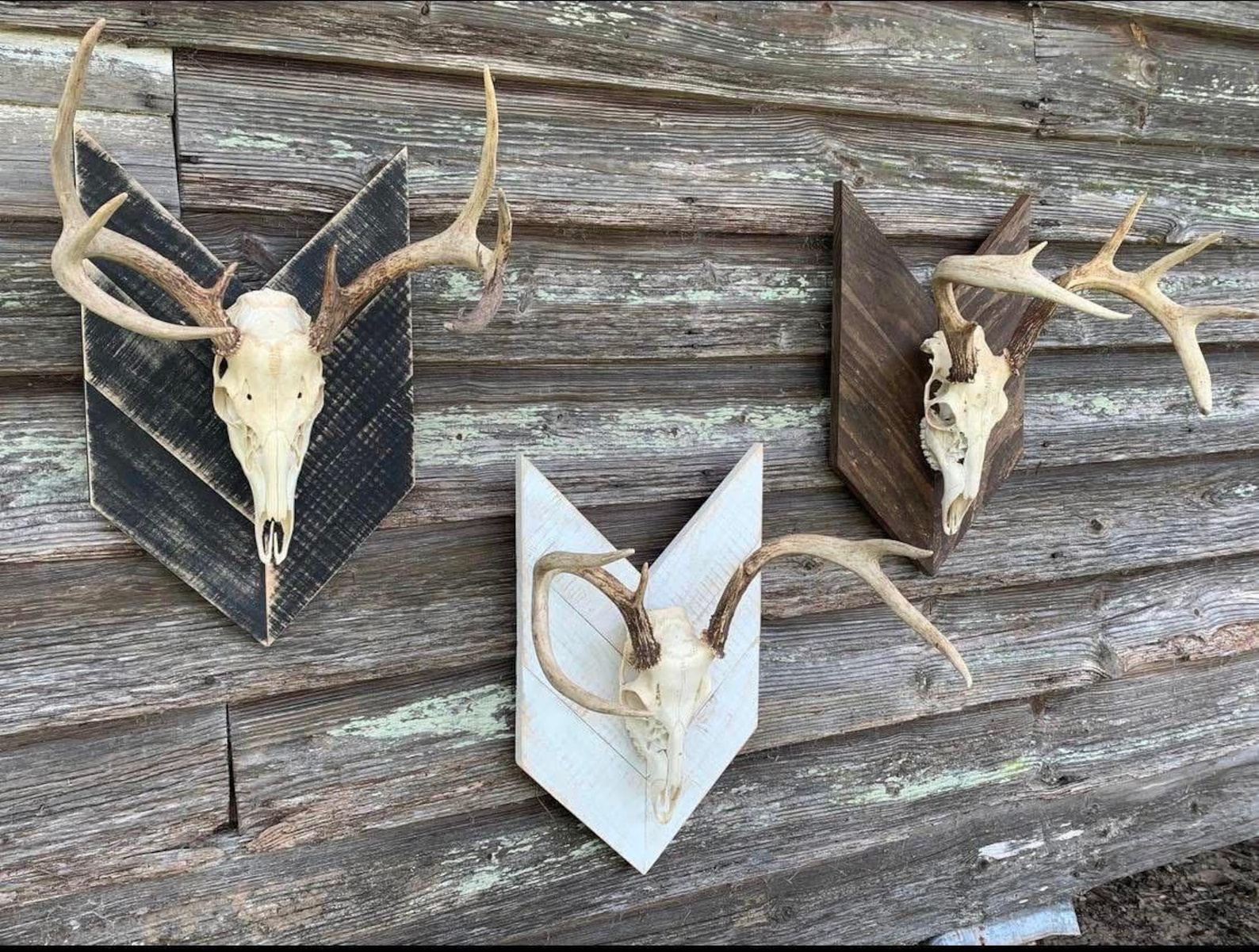
European Skull Mount Plaque for Deer Rustic Wooden Euro Mount Display

Mule Deer European Skull Mount Plaque, Hunting, Deer Skull Mount, Mule

European Mount Plaque Template Printable And Enjoyable Learning
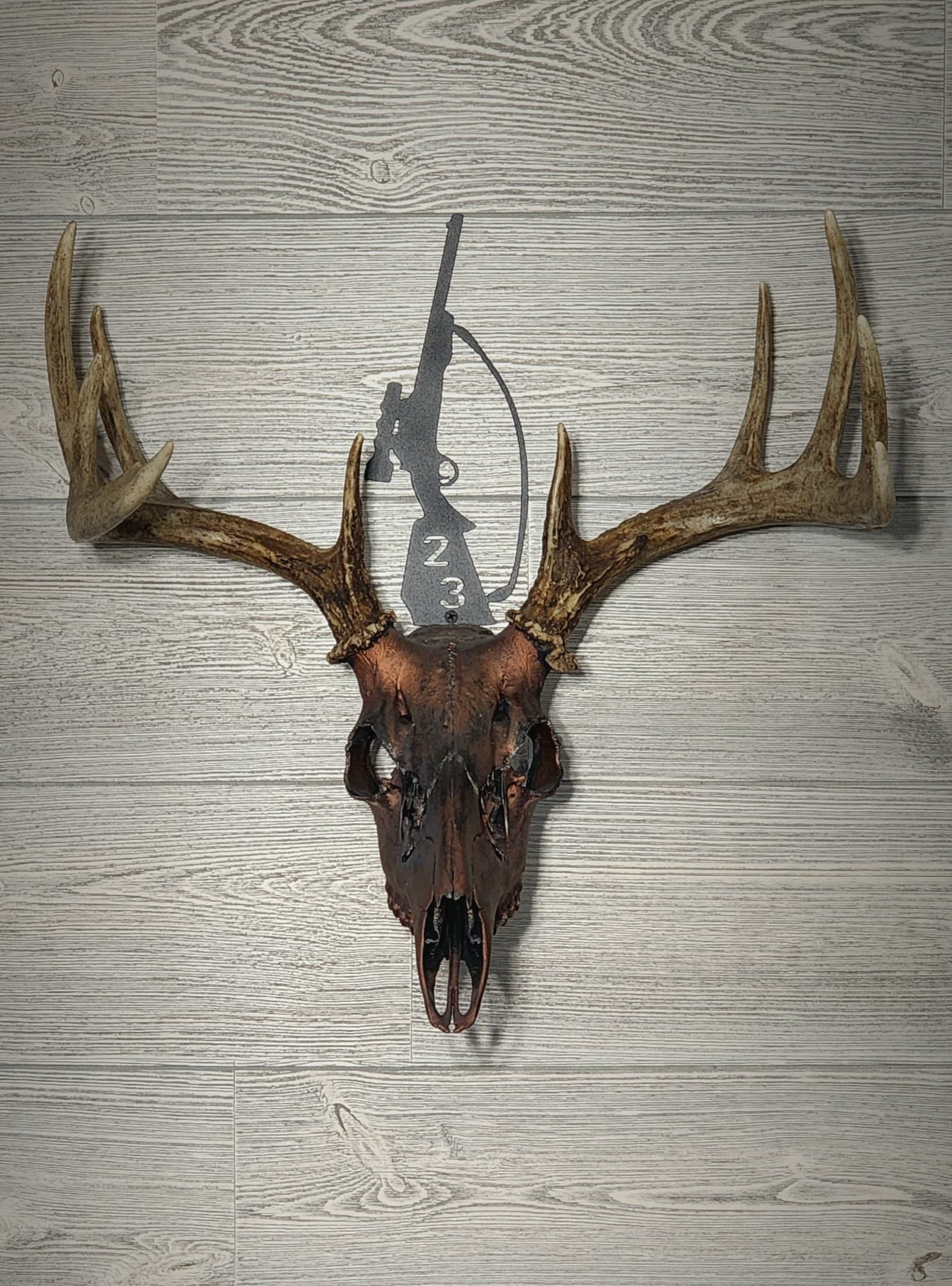
European Skull Mount Plaque Etsy

European Skull Mount Plaque Template AT A GLANCE
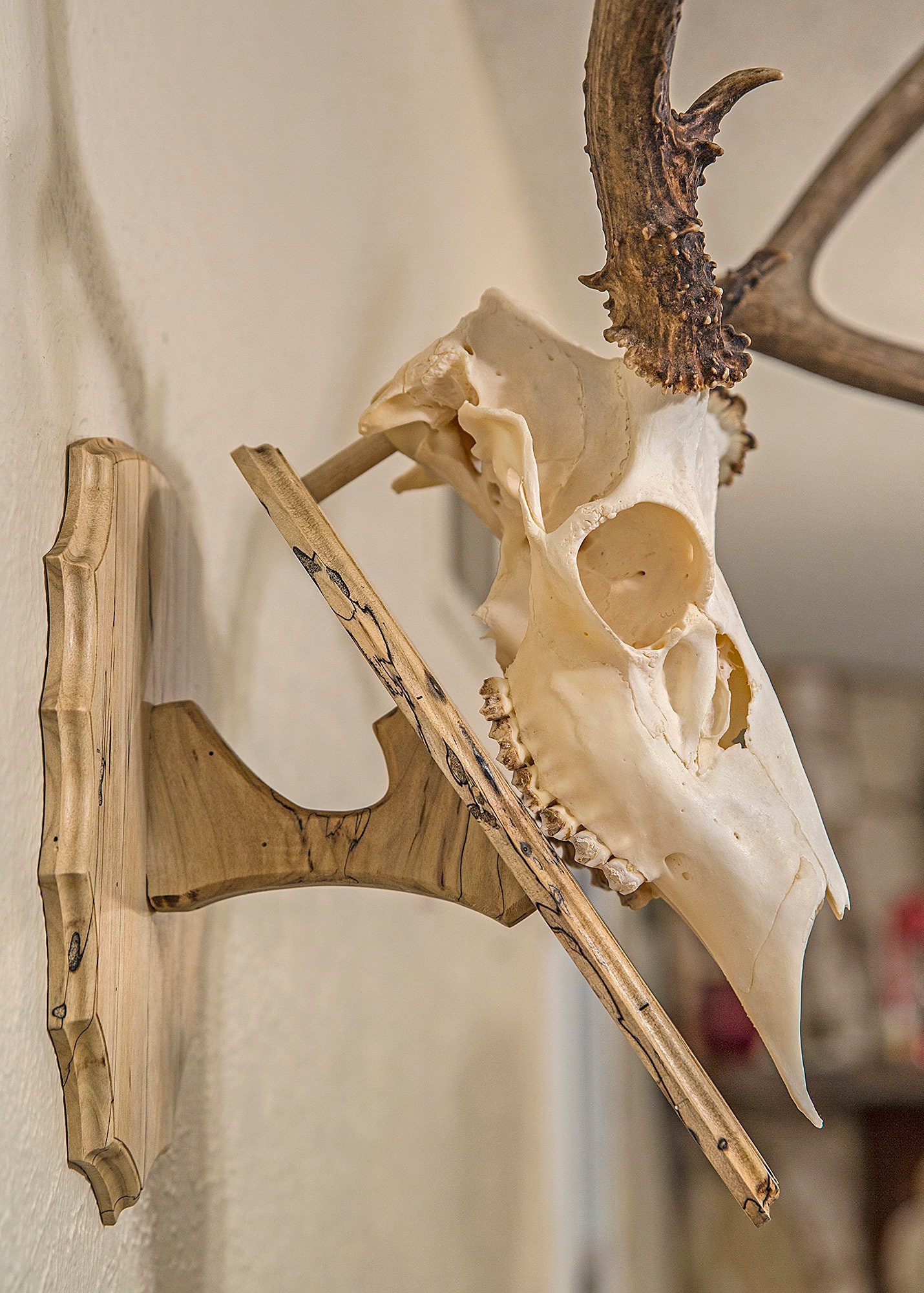
Template for DIY European Mount Deer Skull Plaque Etsy
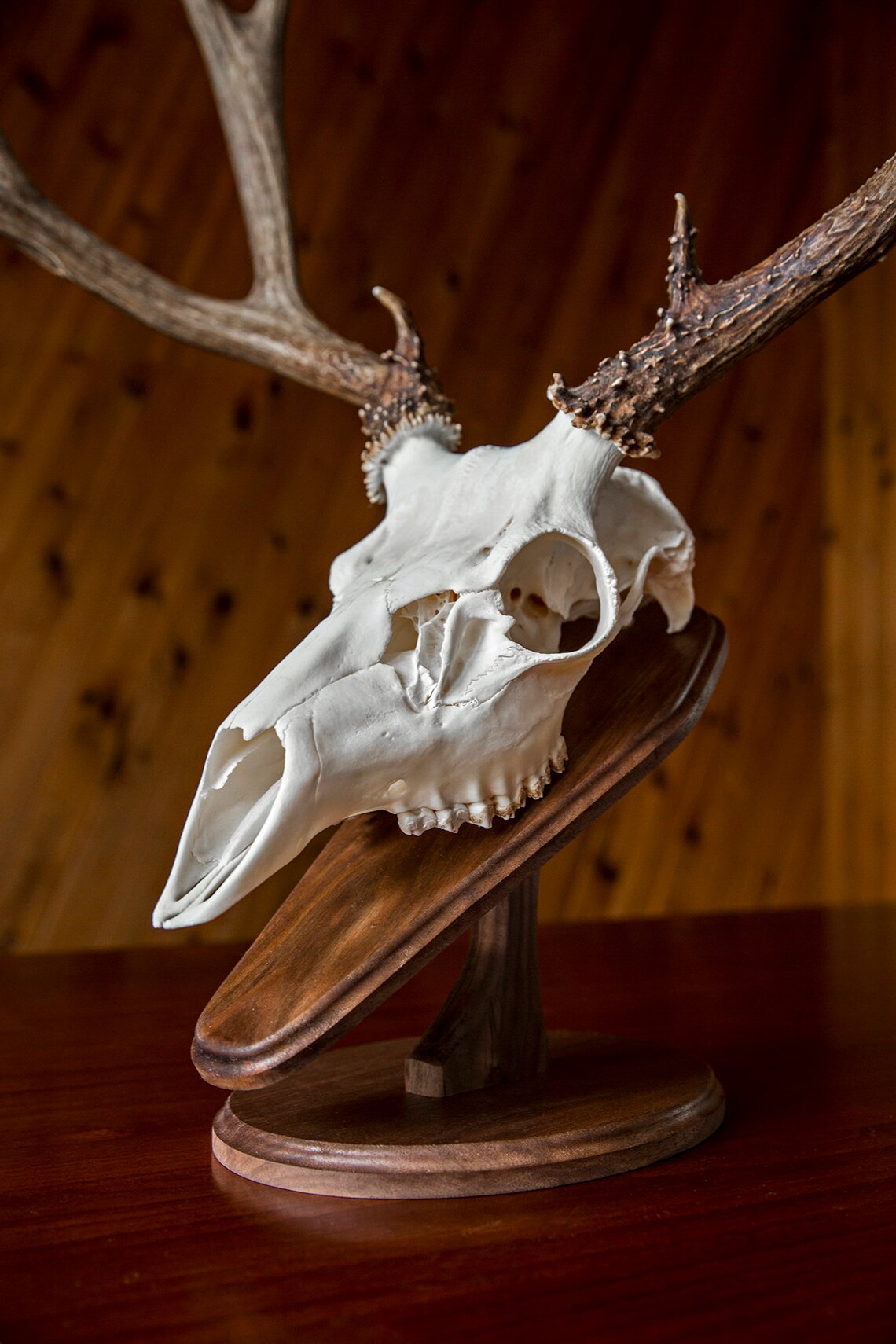
Template for DIY European Mount Deer Skull Plaque Etsy
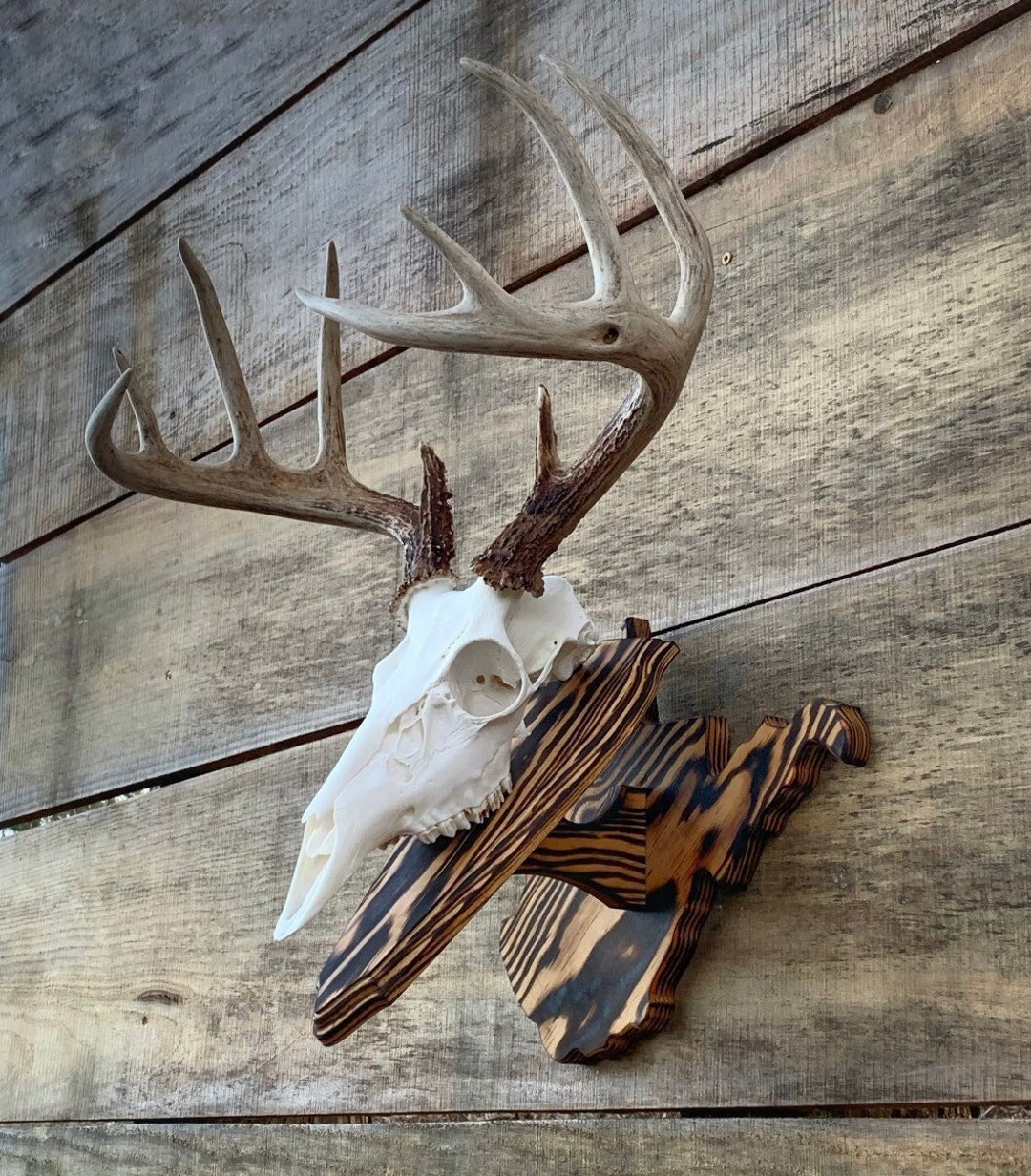
Deer Skull Mount Plaques

Skull Mount Plaque Template Educational Printable Activities
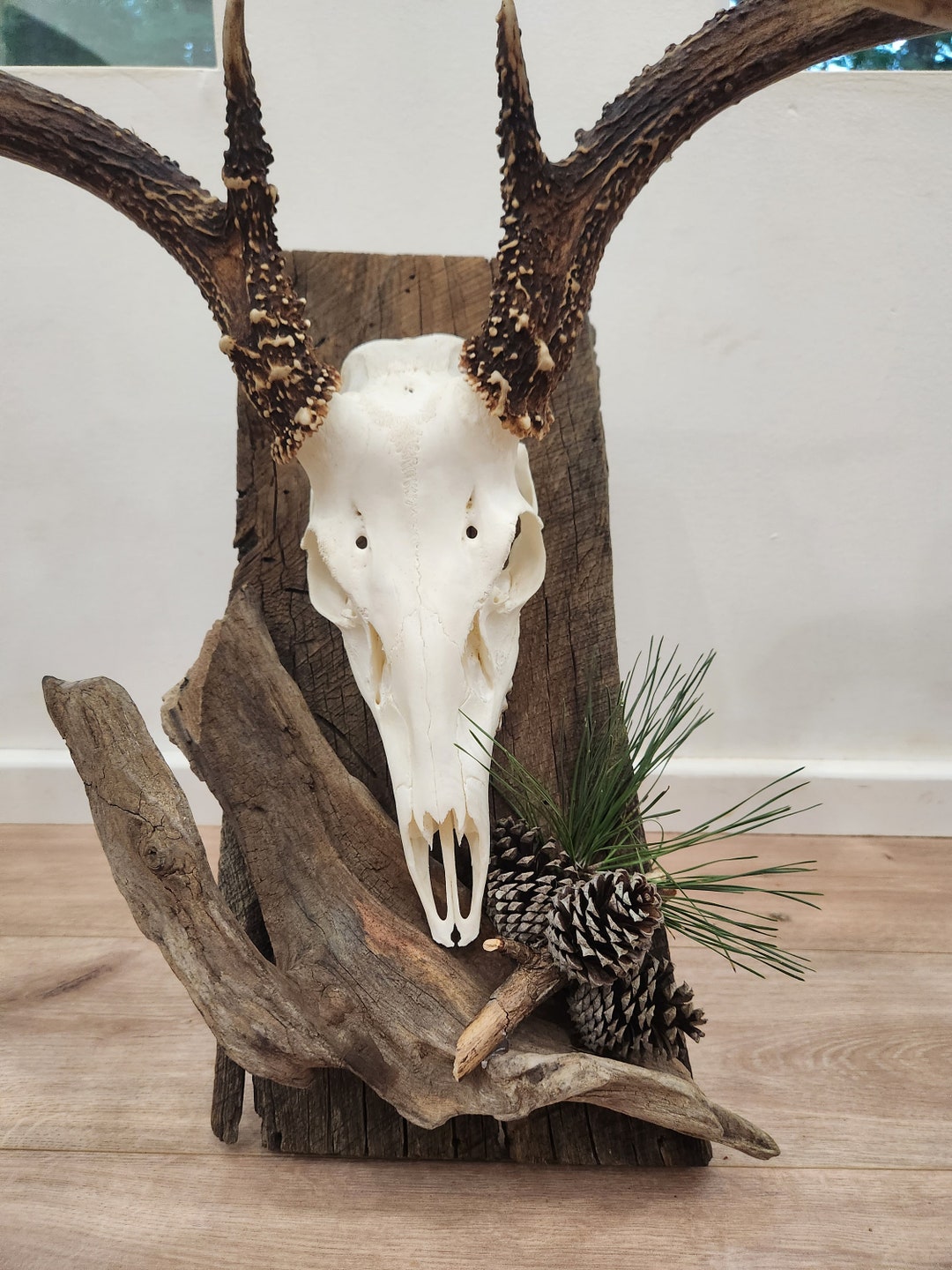
Custom Barn Wood Handcrafted Deer Skull European Mount Plaque Etsy
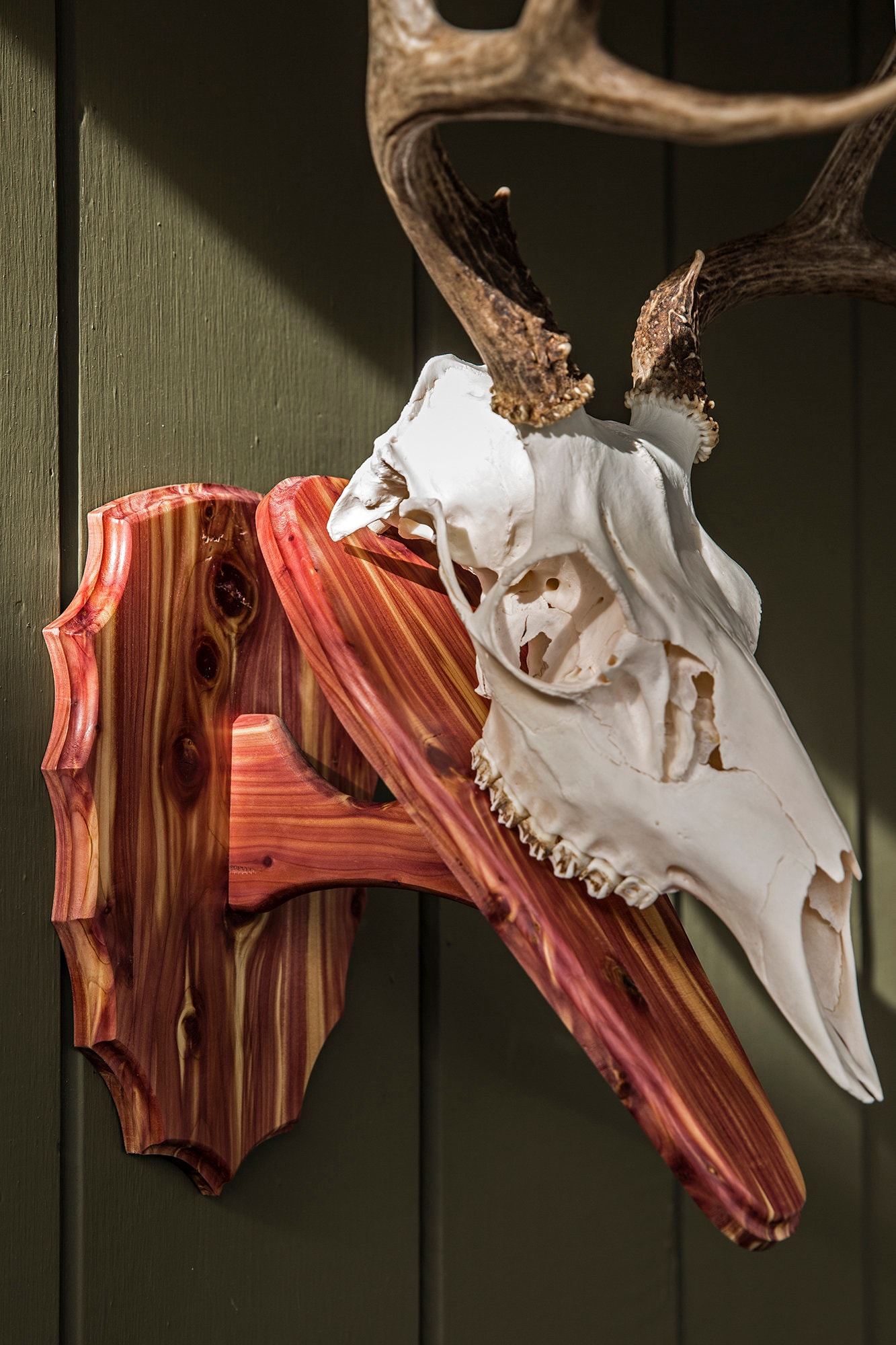
Template for DIY European Mount Deer Skull Plaque Etsy
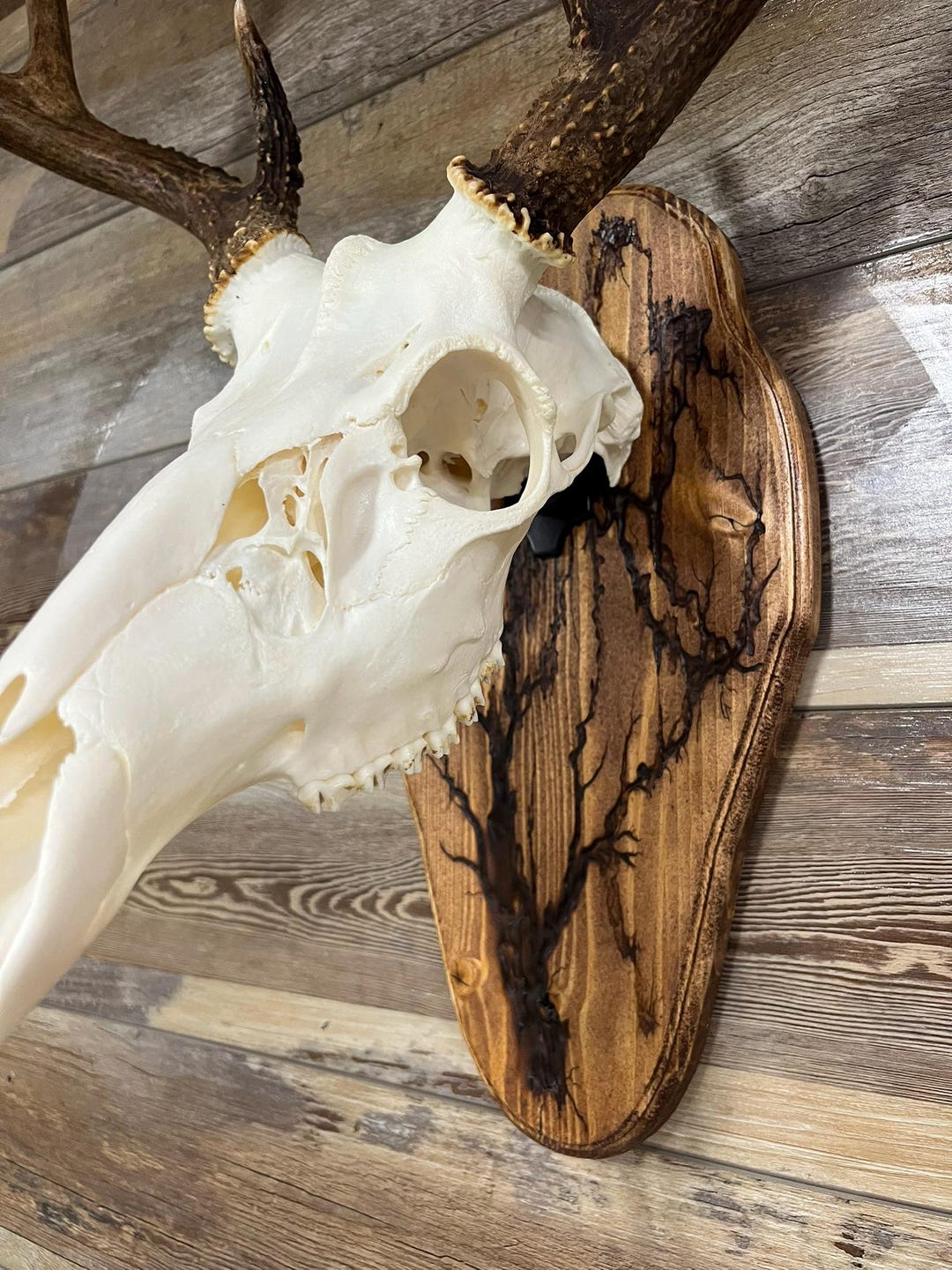
Fractal Burned Deer Skull Mount Rustic Euro Mount Plaque Etsy
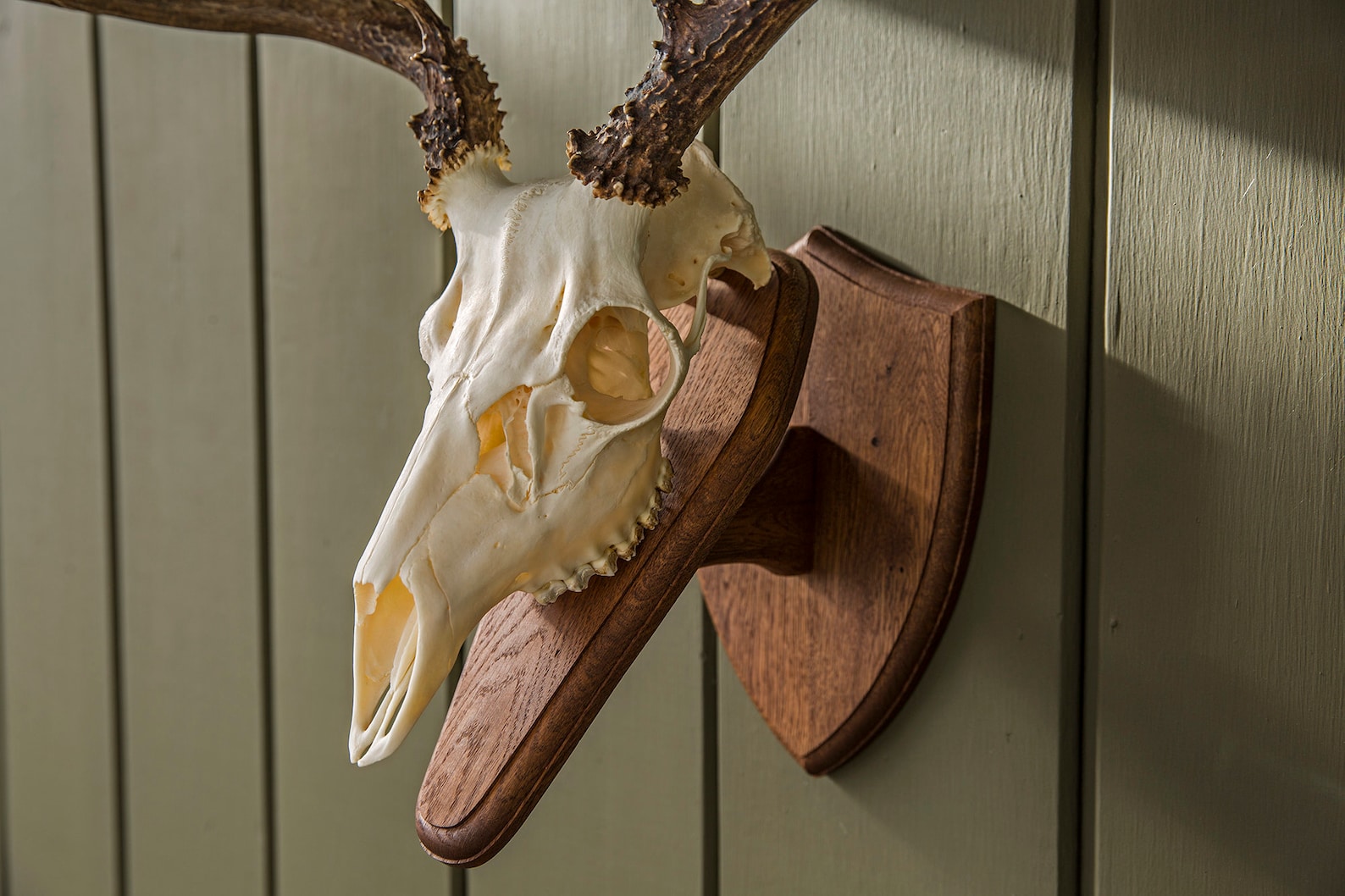
Template for DIY European Mount Deer Skull Plaque Etsy
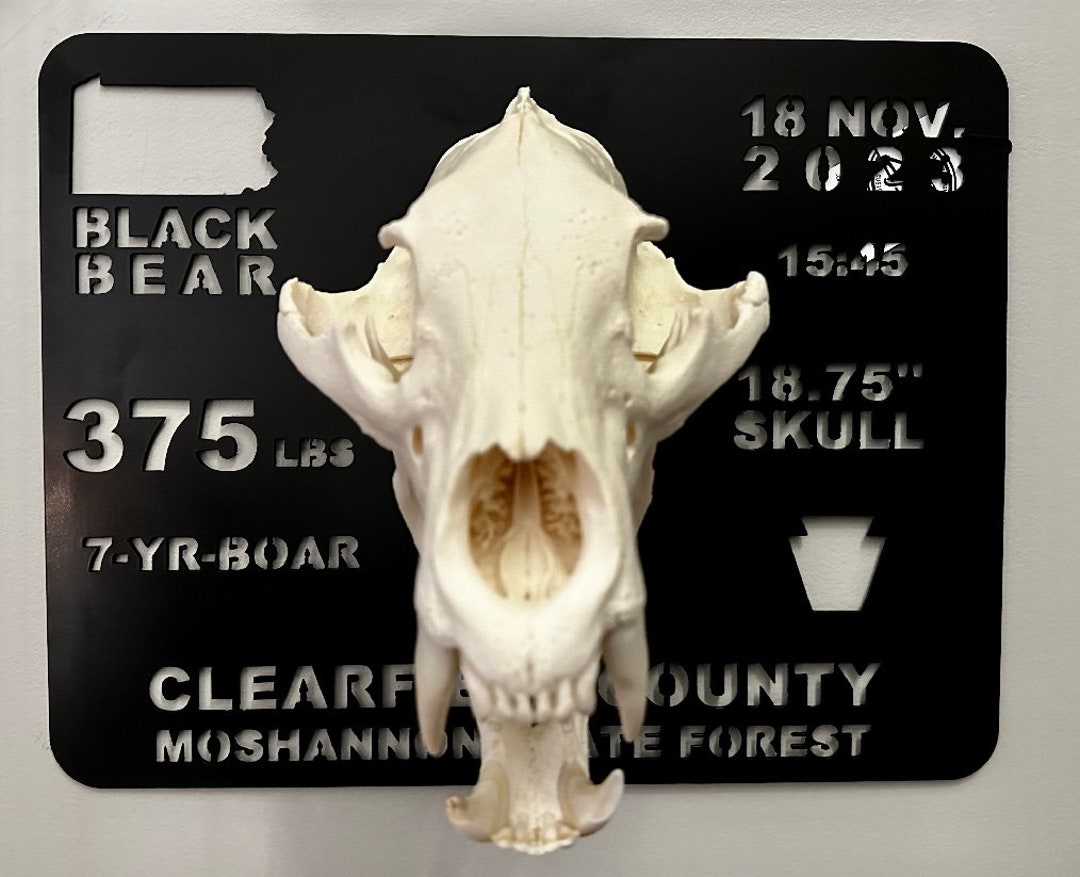
Bear Skull Mount Plaque Etsy

Skull Mount Plaque Template Printable And Enjoyable Learning
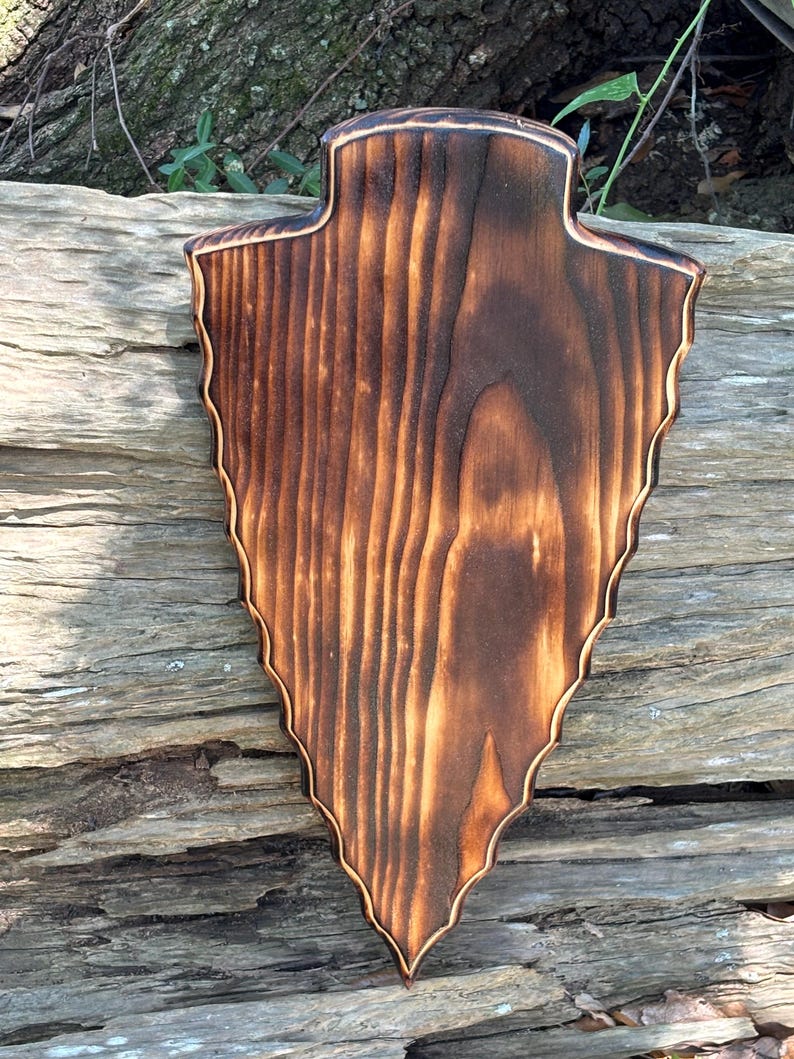
Skull Mount Plaque Etsy

Skull Mount Plaque Template
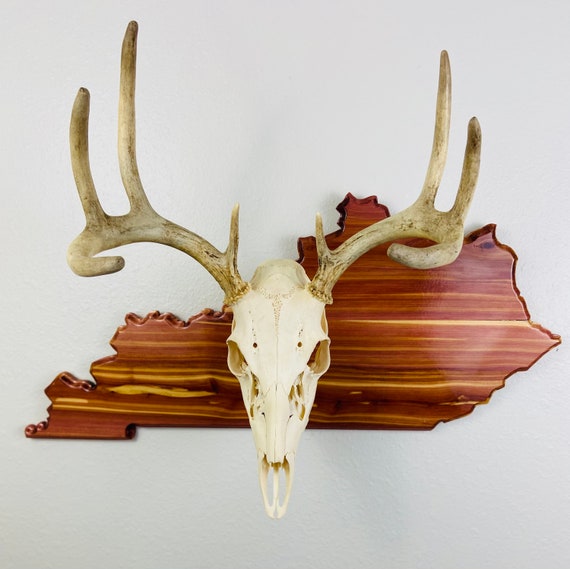
State Shaped European Skull Mount Plaques Etsy

Skull Mount Plaque Template AT A GLANCE

Novabright Deer Skull Mount Plaques Acacia European Mount

European Skull Mount Plaque Template

Skull Mount Plaque Template
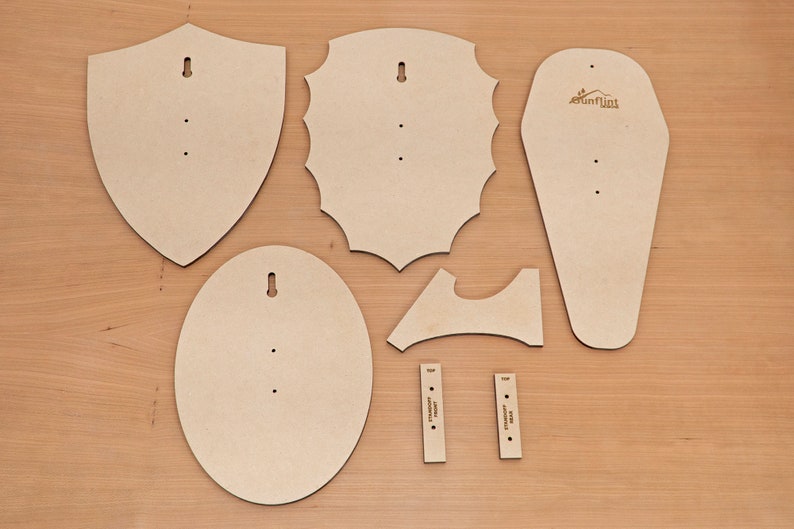
Template for DIY European Mount Deer Skull Plaque Etsy

European Skull Mount Plaque Template Educational Printable Activities
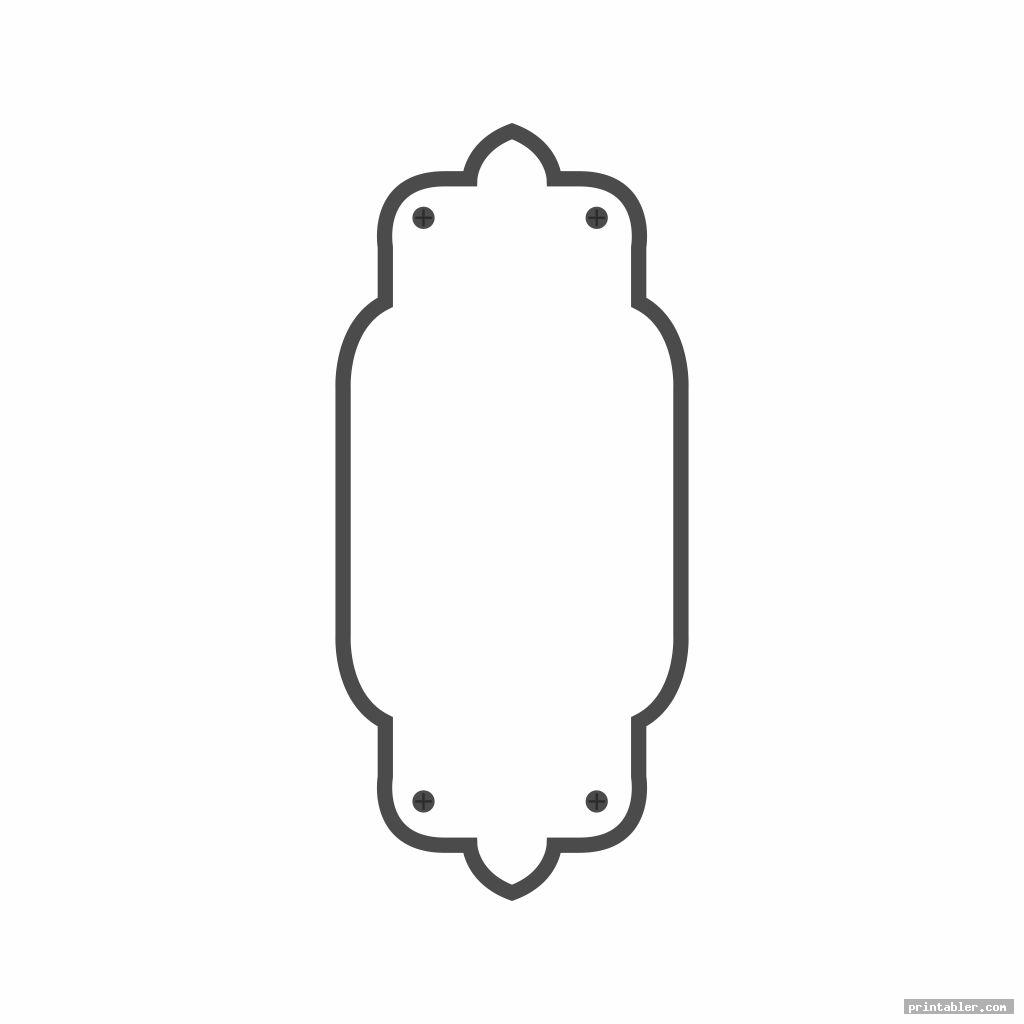
Skull Mount Plaque Patterns and Shapes Printable
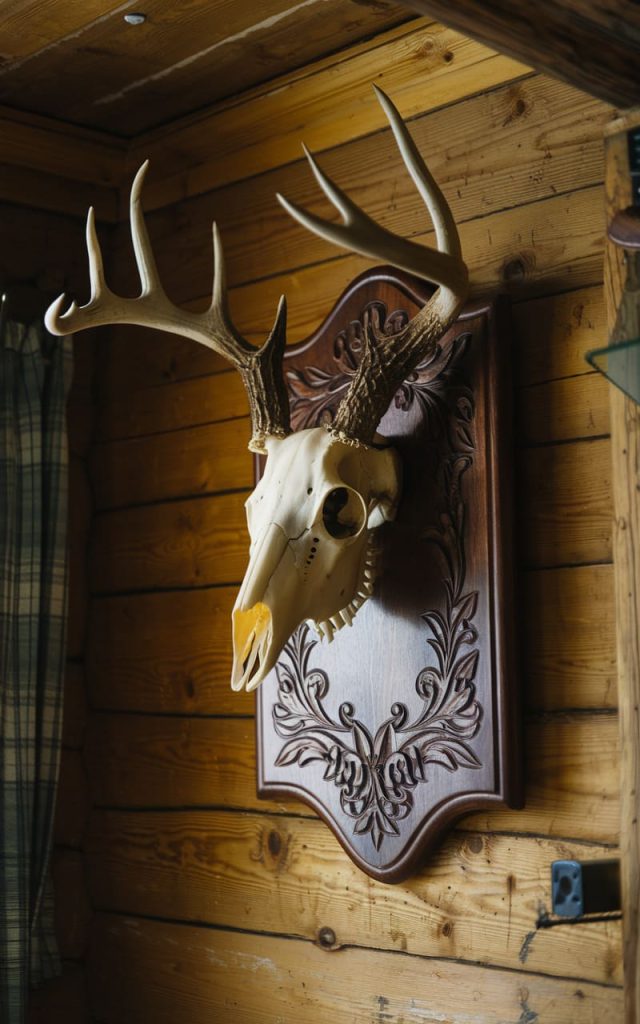
60 Beautiful European/Skull Mount Ideas Rhythm of the Home

Skull Mount Plaque Template Educational Printable Activities
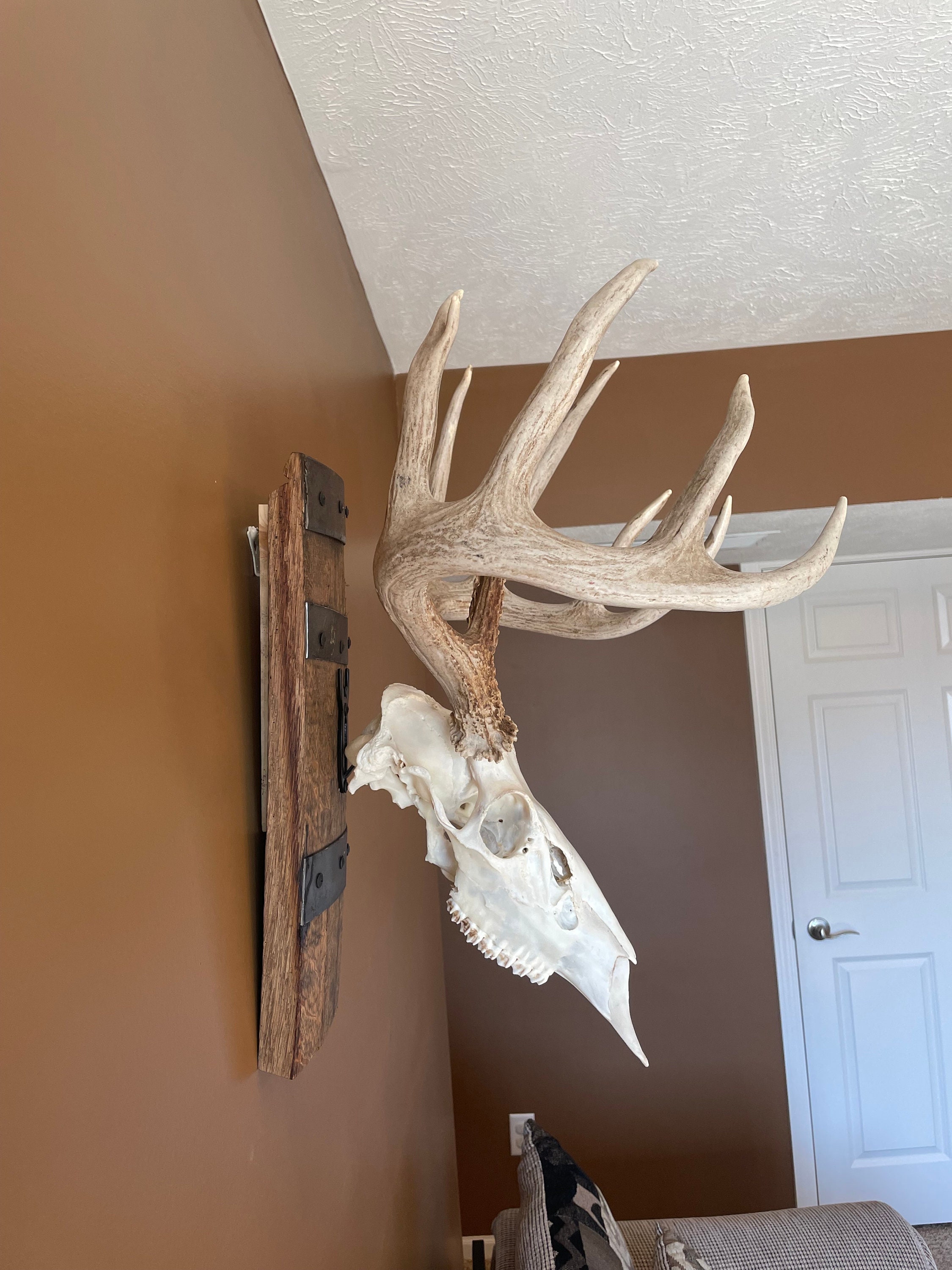
European Mount Plaque With Deer Skull Hanger. Euro Skull Mount Etsy
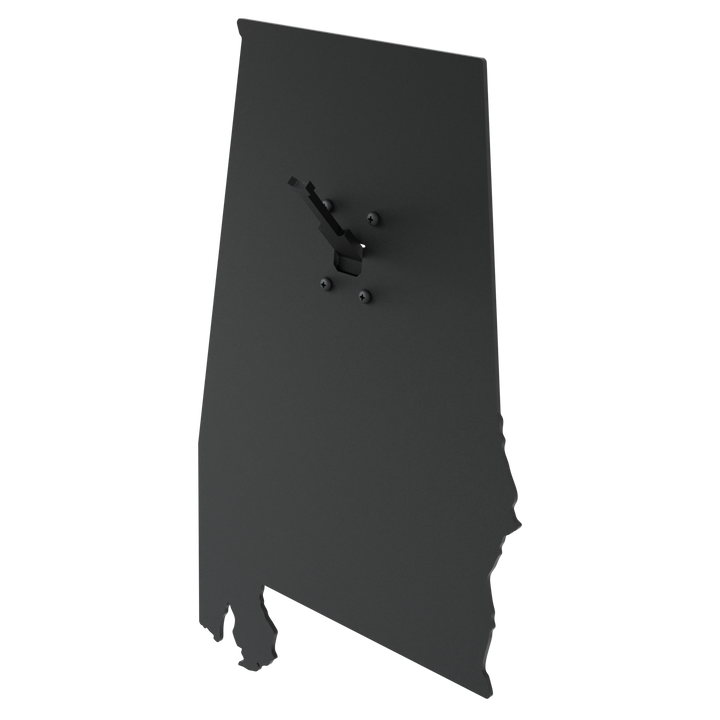
State Outline European Mount Plaques European Mount Skull Hanger
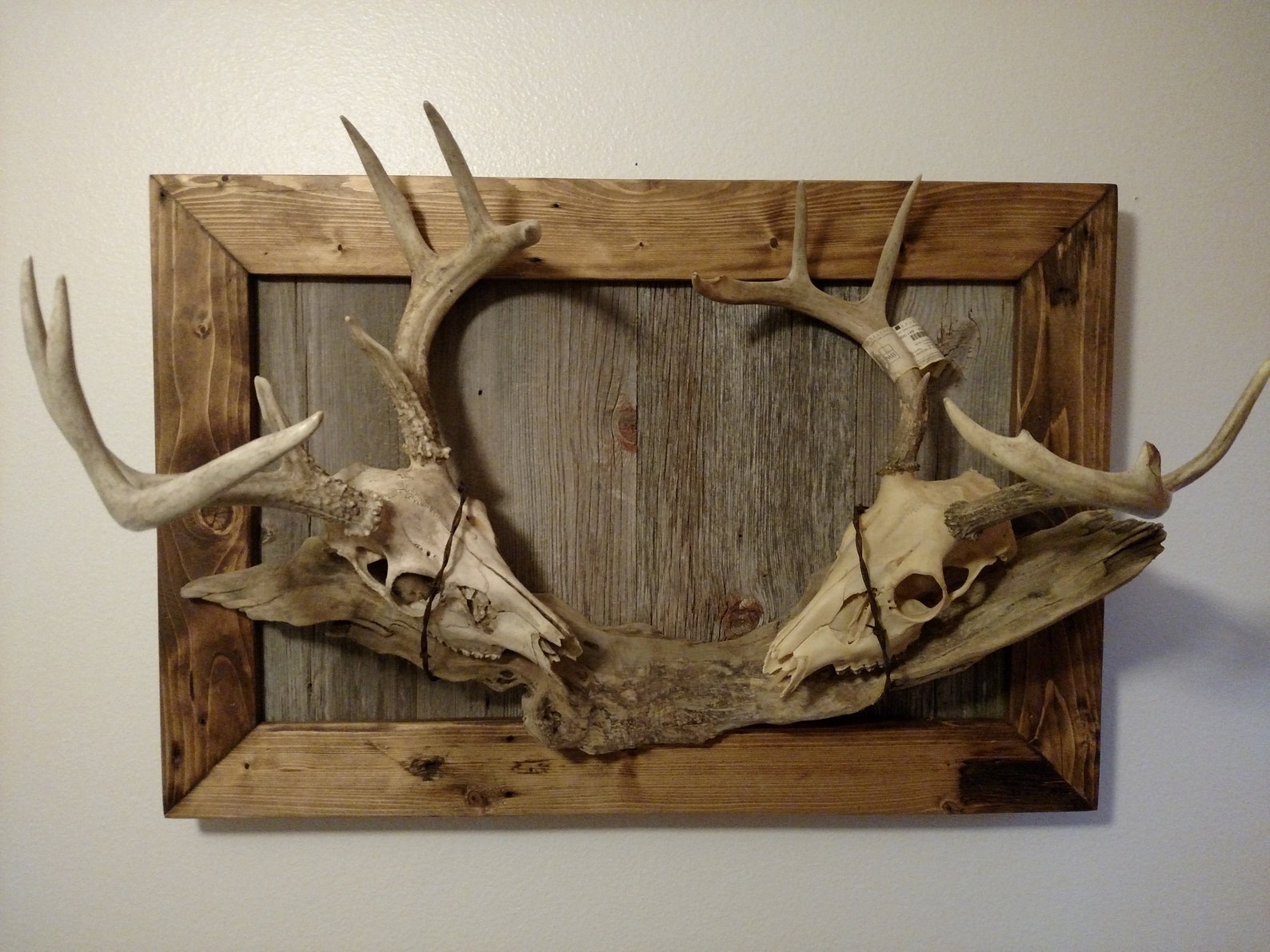
Custom Plaque for European Mount, Skulls, Horns, Taxidermy Etsy
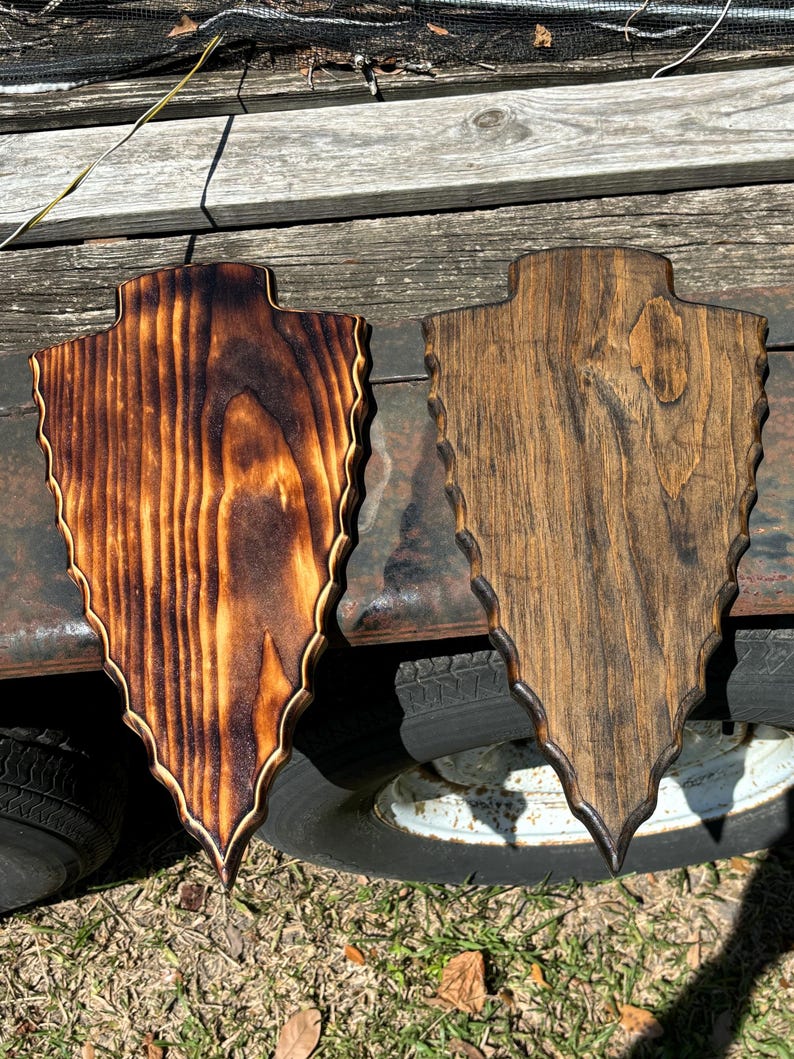
Skull Mount Plaque Etsy
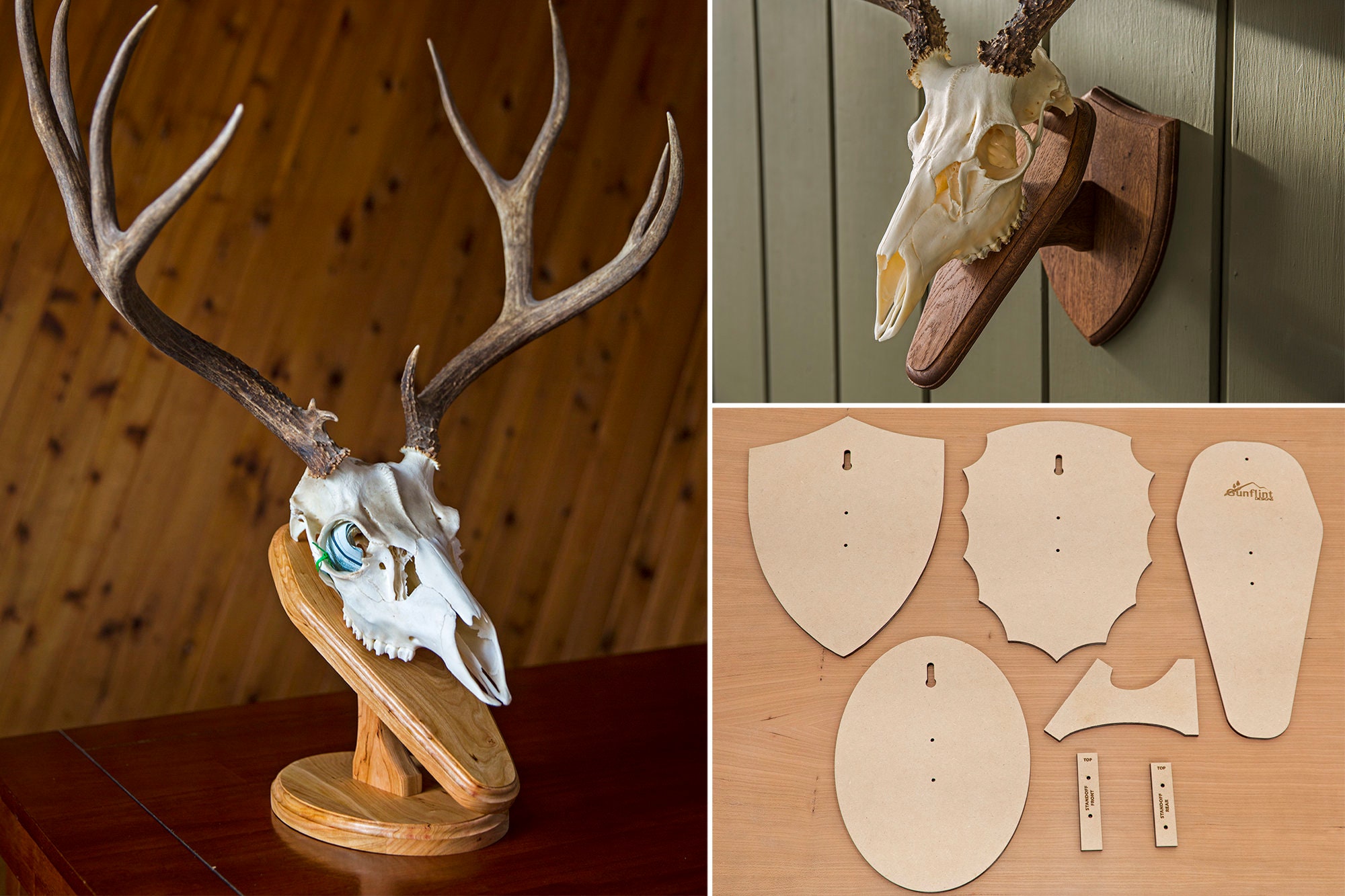
Template for DIY European Mount Deer Skull Plaque Etsy
Skull, Skeletal Framework Of The Head Of Vertebrates, Composed Of Bones Or Cartilage, Which Form A Unit That Protects The Brain And Some Sense Organs.
It Also Holds Or Supports Several Of Your Main Sensory Organs, Like Your Eyes, Ears, Nose,.
Related Post: