
Subdomain Takeover Nuclei Template
Subdomain Takeover Nuclei Template - A subdomain lets you partition your domain to house different functions or content. A subdomain is an extension of a domain name that appears before your domain name. It is often used to. A subdomain name is a piece of additional information added to the beginning of a website’s domain name. A subdomain is an optional prefix added to a url before the main domain name, like blog.websitename.com. A subdomain is a prefix added to a domain to give a complex or distinct section of a site its own platform. It’s organizationally separate from your main site but still connected to it by your brand’s root domain name. A subdomain is used to separate different sections of a website, such as a blog, store, or support center, while keeping them connected to the main domain. Think of it as a room in your house. They allocate one (or more) subdomains to their clients who do not have their own domain name. While it's part of the same. It allows websites to separate and organize. It comes before the root domain in a url and is used to organize specific types of. You can use multiple subdomains to organize your website into different. It’s organizationally separate from your main site but still connected to it by your brand’s root domain name. It allows websites to separate and organize. It is often used to. A subdomain lets you partition your domain to house different functions or content. When you register a domain name, you have the opportunity to add subdomains to that main domain. A subdomain is a prefix added to your main domain name that creates a separate section or branch. You can use multiple subdomains to organize your website into different. What is a subdomain name? They allocate one (or more) subdomains to their clients who do not have their own domain name. A subdomain is a prefix added to a domain to give a complex or distinct section of a site its own platform. A subdomain lets you partition. While it's part of the same. Learn how to set one up and explore examples. They allocate one (or more) subdomains to their clients who do not have their own domain name. It is often used to. A subdomain is a part of your main domain that operates as its own unique section of your website. A subdomain is a prefix added to your main domain name that creates a separate section or branch of your website. They allocate one (or more) subdomains to their clients who do not have their own domain name. A subdomain is an extension of a domain name that appears before your domain name. While it's part of the same. What. A subdomain is a prefix added to your main domain name that creates a separate section or branch of your website. A subdomain is an optional prefix added to a url before the main domain name, like blog.websitename.com. A subdomain name is a piece of additional information added to the beginning of a website’s domain name. They allocate one (or. Subdomains are often used by internet service providers (isps) supplying web services. You can use multiple subdomains to organize your website into different. It allows websites to separate and organize. When you register a domain name, you have the opportunity to add subdomains to that main domain. It is often used to. While it's part of the same. Subdomains are often used by internet service providers (isps) supplying web services. A subdomain is a prefix added to your main domain name that creates a separate section or branch of your website. A subdomain name is a piece of additional information added to the beginning of a website’s domain name. It allows websites. While it's part of the same. You can use multiple subdomains to organize your website into different. What is a subdomain name? A subdomain name is a piece of additional information added to the beginning of a website’s domain name. It’s organizationally separate from your main site but still connected to it by your brand’s root domain name. It allows websites to separate and organize. It comes before the root domain in a url and is used to organize specific types of. A subdomain is a prefix added to a domain to give a complex or distinct section of a site its own platform. Subdomains are often used by internet service providers (isps) supplying web services. A subdomain. A subdomain is a prefix added to a domain to give a complex or distinct section of a site its own platform. A subdomain name is a piece of additional information added to the beginning of a website’s domain name. A subdomain is an optional prefix added to a url before the main domain name, like blog.websitename.com. Subdomains are often. You can use multiple subdomains to organize your website into different. Learn how to set one up and explore examples. Think of it as a room in your house. A subdomain name is a piece of additional information added to the beginning of a website’s domain name. A subdomain is a prefix added to a domain to give a complex. It comes before the root domain in a url and is used to organize specific types of. A subdomain is a prefix added to a domain to give a complex or distinct section of a site its own platform. Learn how to set one up and explore examples. While it's part of the same. Think of it as a room. When you register a domain name, you have the opportunity to add subdomains to that main domain. A subdomain is a prefix added to your main domain name that creates a separate section or branch of your website. A subdomain is a prefix added to a domain to give a complex or distinct section of a site its own platform.. Subdomains are often used by internet service providers (isps) supplying web services. It comes before the root domain in a url and is used to organize specific types of. Think of it as a room in your house. A subdomain is an optional prefix added to a url before the main domain name, like blog.websitename.com. A subdomain is a part. It is often used to. While it's part of the same. Learn how to set one up and explore examples. It comes before the root domain in a url and is used to organize specific types of. A subdomain is a prefix added to your main domain name that creates a separate section or branch of your website. Subdomains are often used by internet service providers (isps) supplying web services. They allocate one (or more) subdomains to their clients who do not have their own domain name. A subdomain is a prefix added to your main domain name that creates a separate section or branch of your website. Think of it as a room in your house. What. They allocate one (or more) subdomains to their clients who do not have their own domain name. A subdomain lets you partition your domain to house different functions or content. It allows websites to separate and organize. You can use multiple subdomains to organize your website into different. It is often used to. You can use multiple subdomains to organize your website into different. While it's part of the same. A subdomain is a prefix added to your main domain name that creates a separate section or branch of your website. What is a subdomain name? A subdomain is an optional prefix added to a url before the main domain name, like blog.websitename.com. Learn how to set one up and explore examples. A subdomain name is a piece of additional information added to the beginning of a website’s domain name. It is often used to. They allocate one (or more) subdomains to their clients who do not have their own domain name. You can use multiple subdomains to organize your website into different. It’s organizationally separate from your main site but still connected to it by your brand’s root domain name. A subdomain is used to separate different sections of a website, such as a blog, store, or support center, while keeping them connected to the main domain. What is a subdomain name? A subdomain is an optional prefix added to a url. Subdomains are often used by internet service providers (isps) supplying web services. Learn how to set one up and explore examples. A subdomain is an extension of a domain name that appears before your domain name. While it's part of the same. A subdomain is an optional prefix added to a url before the main domain name, like blog.websitename.com. A subdomain is an optional prefix added to a url before the main domain name, like blog.websitename.com. A subdomain is used to separate different sections of a website, such as a blog, store, or support center, while keeping them connected to the main domain. What is a subdomain name? It comes before the root domain in a url and is. It’s organizationally separate from your main site but still connected to it by your brand’s root domain name. A subdomain is used to separate different sections of a website, such as a blog, store, or support center, while keeping them connected to the main domain. A subdomain is a part of your main domain that operates as its own unique. It’s organizationally separate from your main site but still connected to it by your brand’s root domain name. While it's part of the same. A subdomain is an optional prefix added to a url before the main domain name, like blog.websitename.com. Think of it as a room in your house. A subdomain is used to separate different sections of a. A subdomain is an optional prefix added to a url before the main domain name, like blog.websitename.com. While it's part of the same. A subdomain name is a piece of additional information added to the beginning of a website’s domain name. They allocate one (or more) subdomains to their clients who do not have their own domain name. A subdomain. It allows websites to separate and organize. Think of it as a room in your house. They allocate one (or more) subdomains to their clients who do not have their own domain name. A subdomain name is a piece of additional information added to the beginning of a website’s domain name. A subdomain is an extension of a domain name. A subdomain is an optional prefix added to a url before the main domain name, like blog.websitename.com. A subdomain is an extension of a domain name that appears before your domain name. It’s organizationally separate from your main site but still connected to it by your brand’s root domain name. It is often used to. Learn how to set one. A subdomain is a prefix added to your main domain name that creates a separate section or branch of your website. Learn how to set one up and explore examples. A subdomain is an extension of a domain name that appears before your domain name. A subdomain is a prefix added to a domain to give a complex or distinct. It is often used to. A subdomain is a part of your main domain that operates as its own unique section of your website. What is a subdomain name? You can use multiple subdomains to organize your website into different. A subdomain is a prefix added to your main domain name that creates a separate section or branch of your. A subdomain is an extension of a domain name that appears before your domain name. It is often used to. When you register a domain name, you have the opportunity to add subdomains to that main domain. A subdomain is an optional prefix added to a url before the main domain name, like blog.websitename.com. Subdomains are often used by internet. A subdomain lets you partition your domain to house different functions or content. A subdomain is a prefix added to your main domain name that creates a separate section or branch of your website. What is a subdomain name? A subdomain name is a piece of additional information added to the beginning of a website’s domain name. It comes before. A subdomain is a part of your main domain that operates as its own unique section of your website. You can use multiple subdomains to organize your website into different. While it's part of the same. When you register a domain name, you have the opportunity to add subdomains to that main domain. A subdomain is a prefix added to. A subdomain is an optional prefix added to a url before the main domain name, like blog.websitename.com. A subdomain is a prefix added to a domain to give a complex or distinct section of a site its own platform. A subdomain lets you partition your domain to house different functions or content. When you register a domain name, you have. A subdomain name is a piece of additional information added to the beginning of a website’s domain name. A subdomain is a prefix added to your main domain name that creates a separate section or branch of your website. A subdomain is an optional prefix added to a url before the main domain name, like blog.websitename.com. Learn how to set. Learn how to set one up and explore examples. When you register a domain name, you have the opportunity to add subdomains to that main domain. They allocate one (or more) subdomains to their clients who do not have their own domain name. It allows websites to separate and organize. Think of it as a room in your house. A subdomain lets you partition your domain to house different functions or content. What is a subdomain name? While it's part of the same. A subdomain is a part of your main domain that operates as its own unique section of your website. A subdomain is a prefix added to a domain to give a complex or distinct section of a site its own platform. A subdomain is an optional prefix added to a url before the main domain name, like blog.websitename.com. Subdomains are often used by internet service providers (isps) supplying web services. It’s organizationally separate from your main site but still connected to it by your brand’s root domain name. It is often used to. A subdomain is a prefix added to your main domain name that creates a separate section or branch of your website. A subdomain is used to separate different sections of a website, such as a blog, store, or support center, while keeping them connected to the main domain.
Subdomain Takeover Vulnerabilities, Prevention & Tools 2026
nuclei on Twitter "Subdomain takeover detection OneLiners used

Subdomain Takeover Automation Full Bash Script + Tools (Subzy, Nuclei
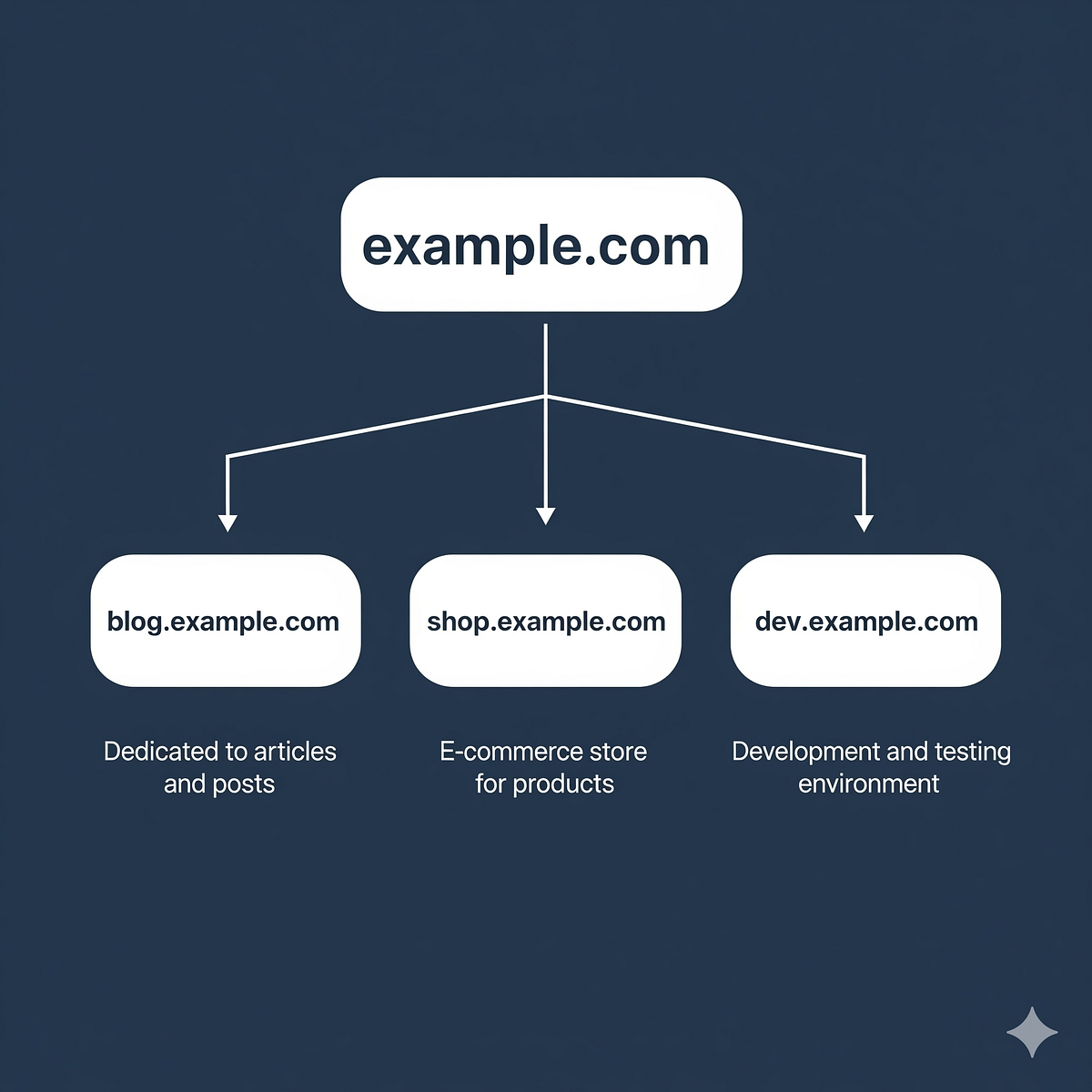
Subdomain Takeover. Introduction by Saksham Singh Medium

nuclei on Twitter "new addition to nuclei templates DNS based azure

GitHub InfoSecWarrior/SubdomainTakeovers This repository discusses
"Subdomain takeover finder" template results in false positives for

What Is a Subdomain Takeover? — Techslang

Automated Vulnerability Scanning A Complete Guide

nuclei on Twitter "Subdomain takeover detection OneLiners used

Subdomain Takeover What is It? How to Exploit? How to Find Them? by
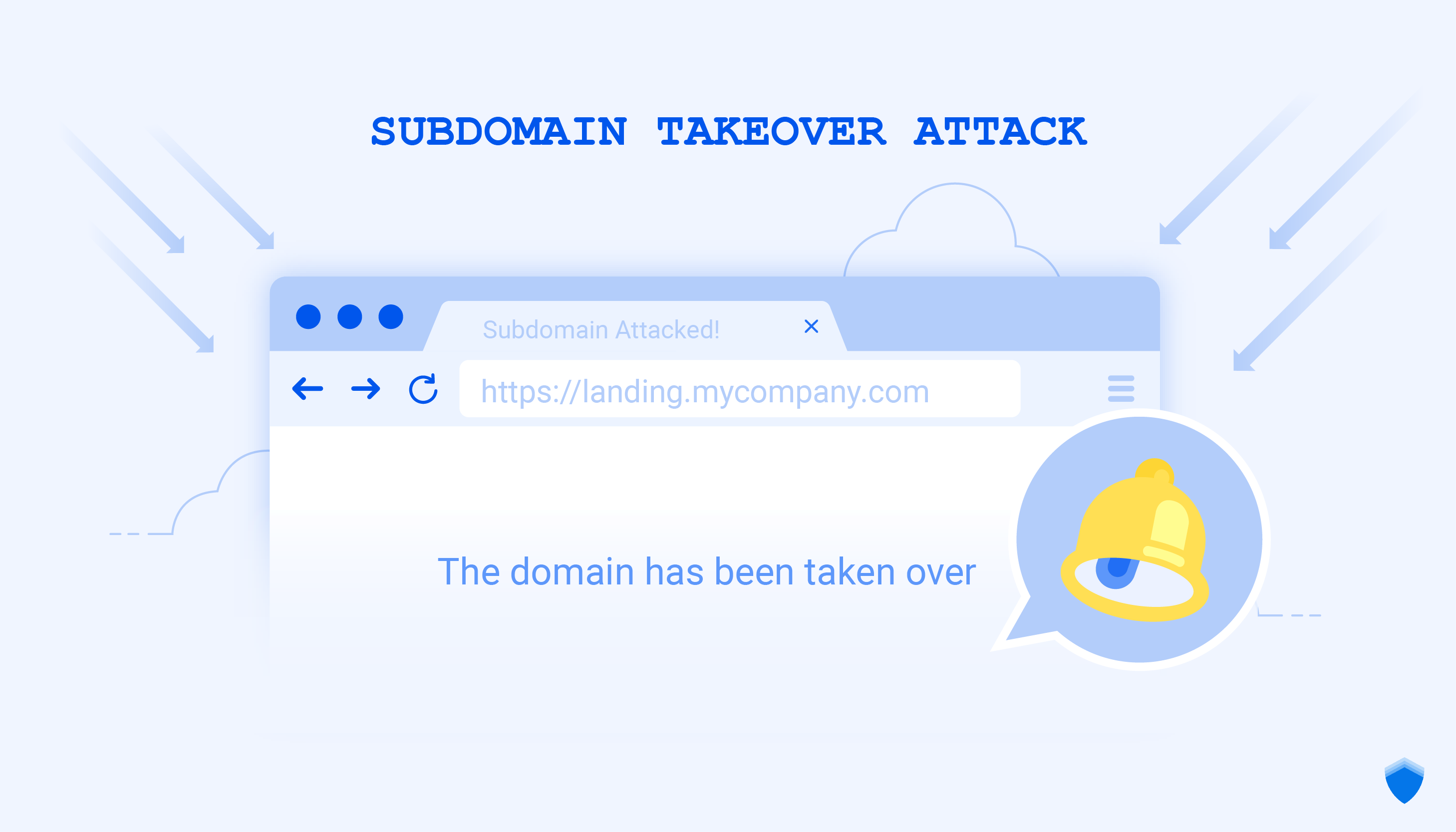
Subdomain takeover Chapter one Methodology

nuclei templates advance xss payloads by ankit Jha Medium

Automating Subdomain Takeover Detection A StepbyStep Guide by
nucleisubdomaintakeovertemplate/README.md at main · smrokon07
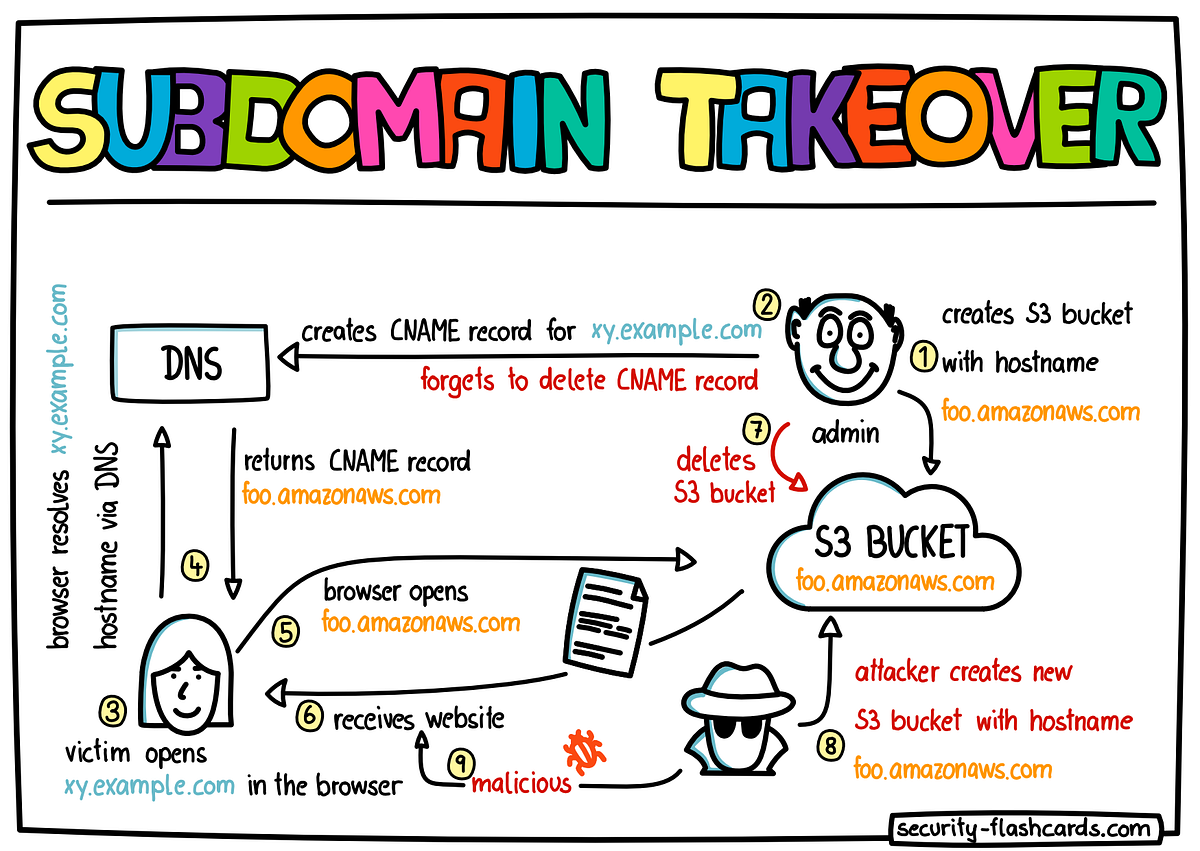
The Basics of Subdomain Takeovers by Daniel InfoSec Writeups
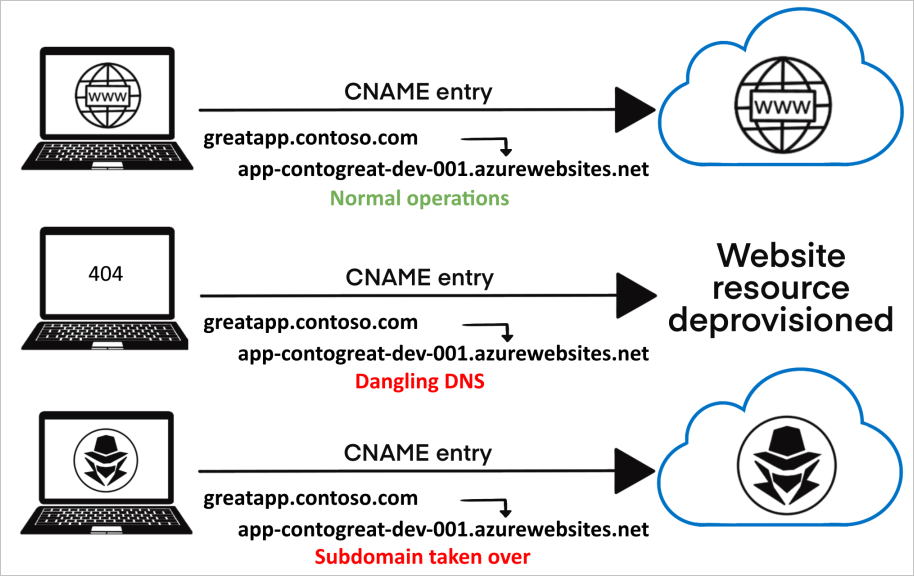
Understanding Subdomain Takeovers Risks, Causes, and Prevention
Could not find template 'nucleitemplates/subdomaintakeover/detectall
GitHub SumedhDawadi/Nuclei_Template_Subdomain_Takeover Nuclei
Please fix zendesktakeover.yaml · Issue 13193 · projectdiscovery

In this writeup I'm gonna talk about Meteor Subdomain Takeover. From a
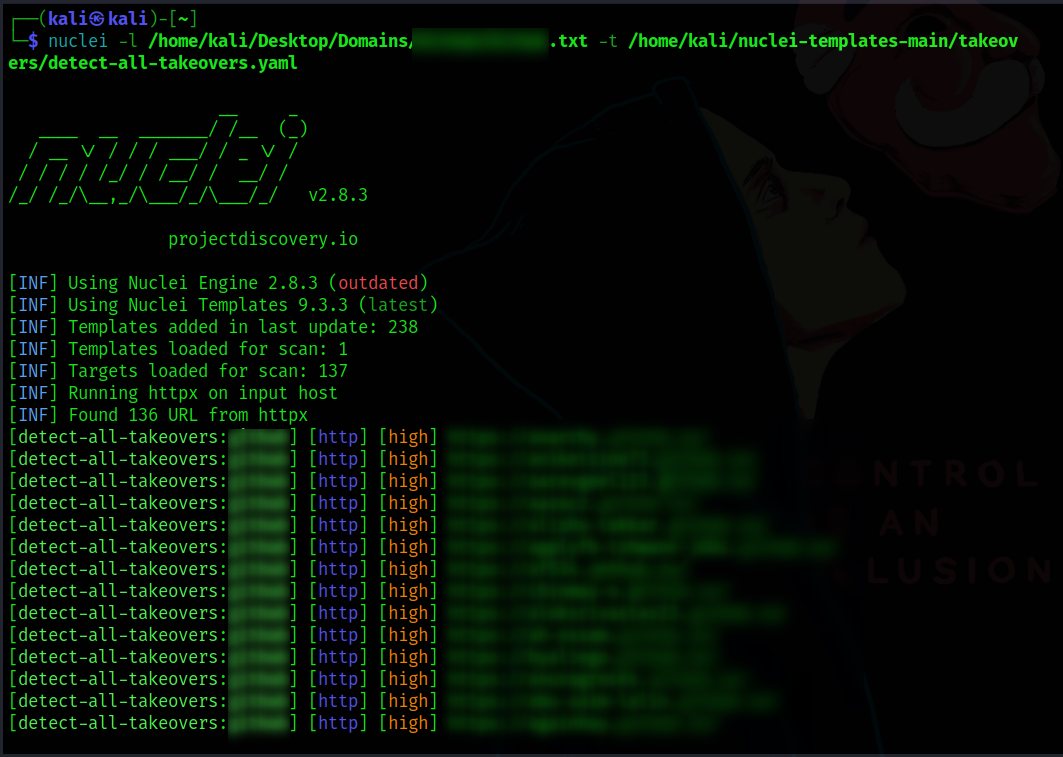
How I found 130+ Subdomain Takeover vulnerabilities using Nuclei
How to check Subdomain Takeover Vulnerability for single or multiple
Day10 Subdomain Takeover Live Reco PDF

How I Found and Claimed a Subdomain Takeover (My First Article) by

Subdomain Takeover in 2025 🌐 — New Methods + Tools
Understanding Subdomain Takeover Risks PDF
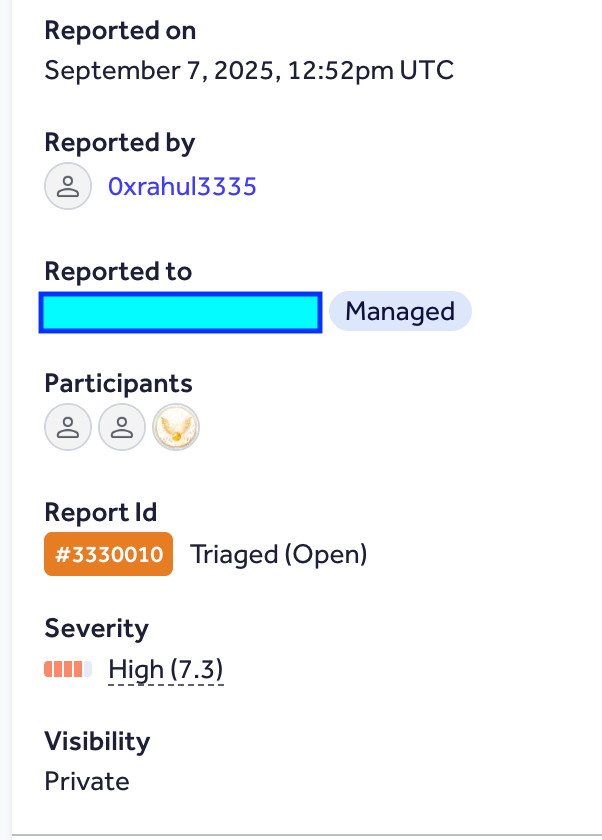
How I Found and Claimed a Subdomain Takeover (My First Article) by
Omar Aljabr on LinkedIn Subdomain Takeover Detection with Subfinder
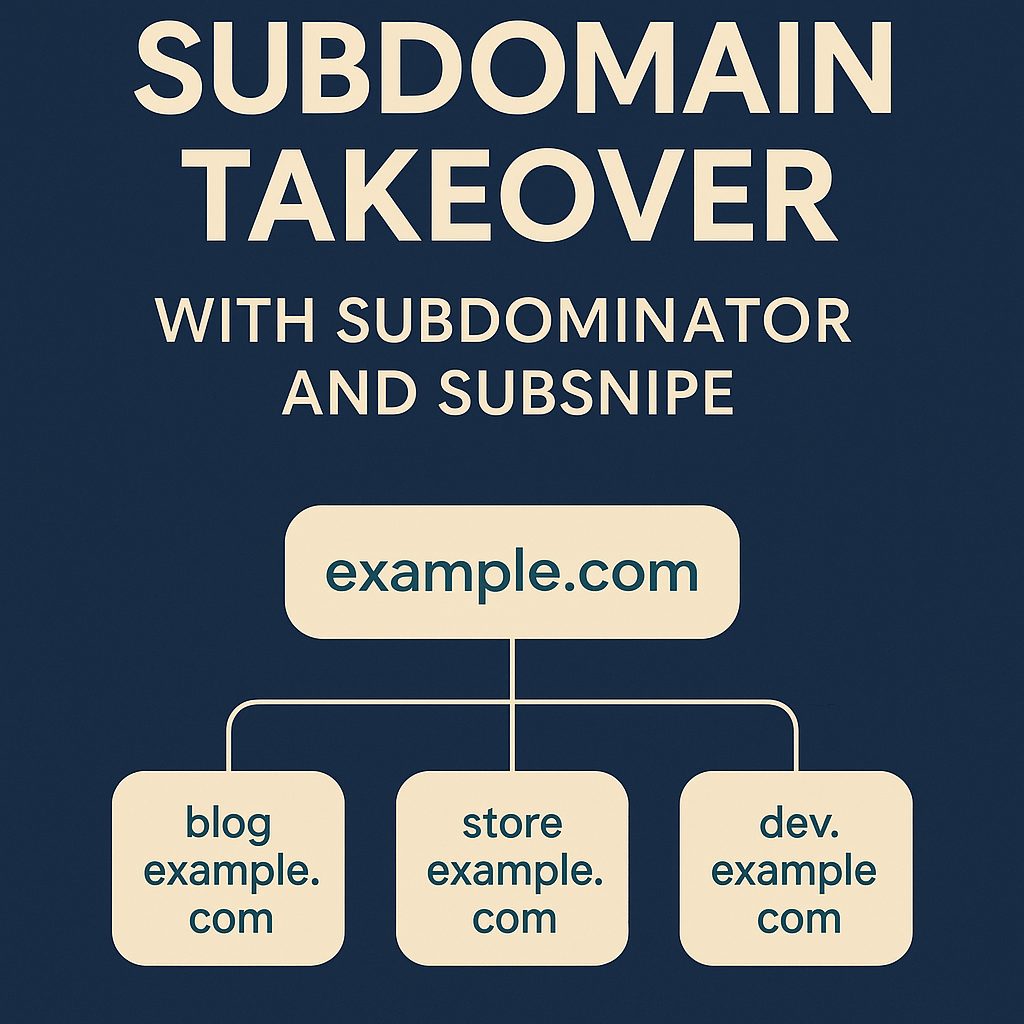
Subdomain Takeover Made Easy How to Detect Vulnerabilities Using
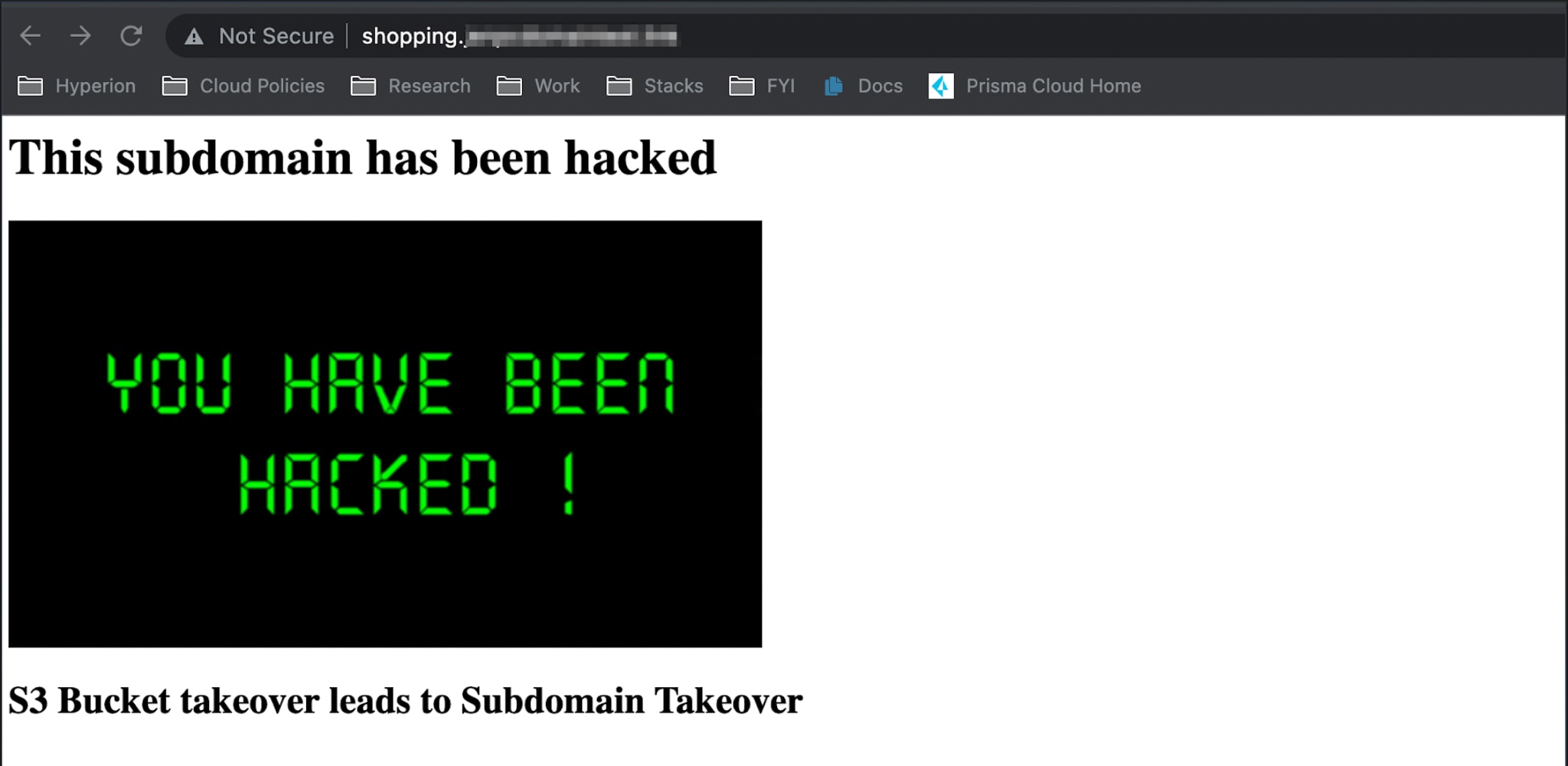
Subdomain Takeover Detecting and Mitigating with Prisma Cloud
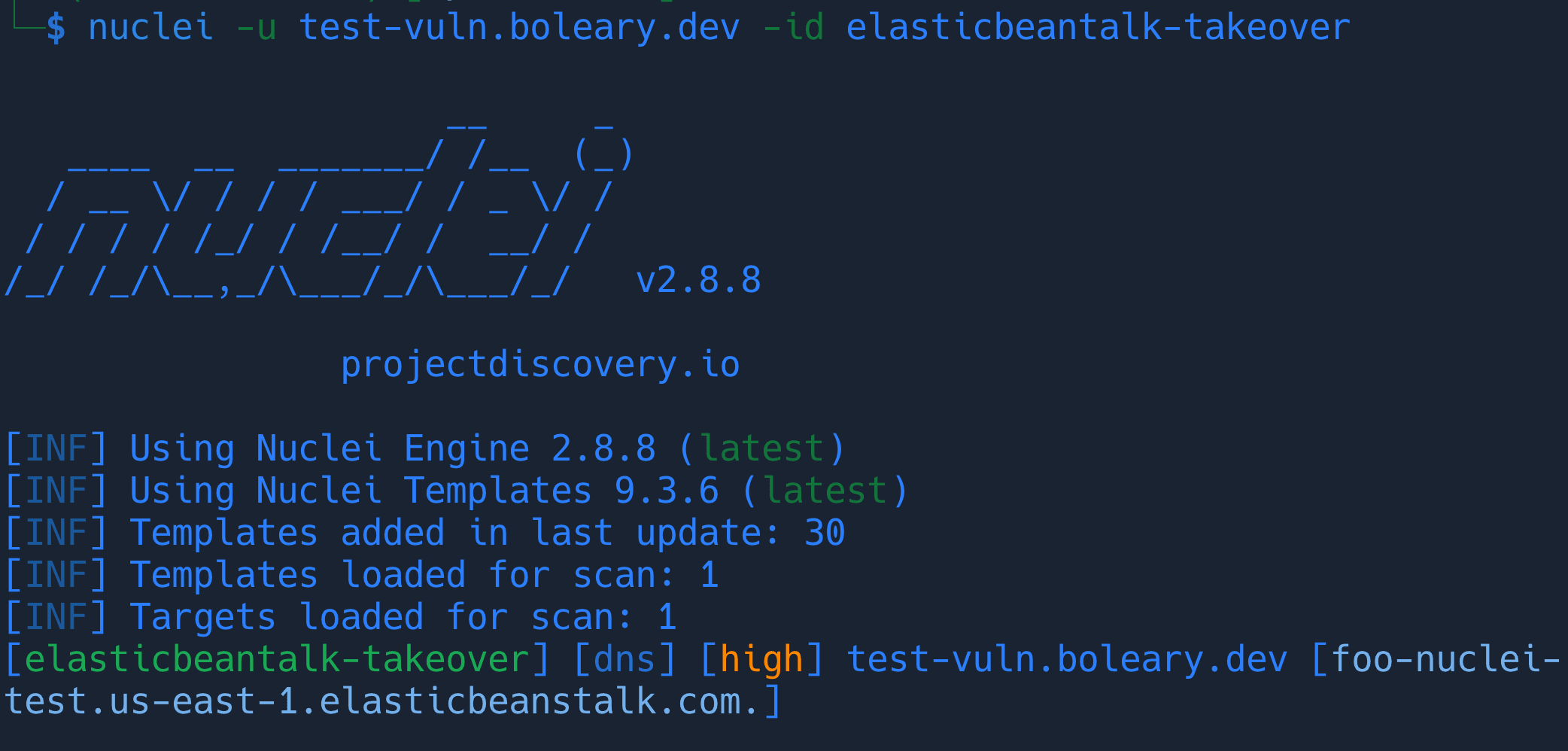
Using PD tools to find my first subdomain takeover — ProjectDiscovery Blog
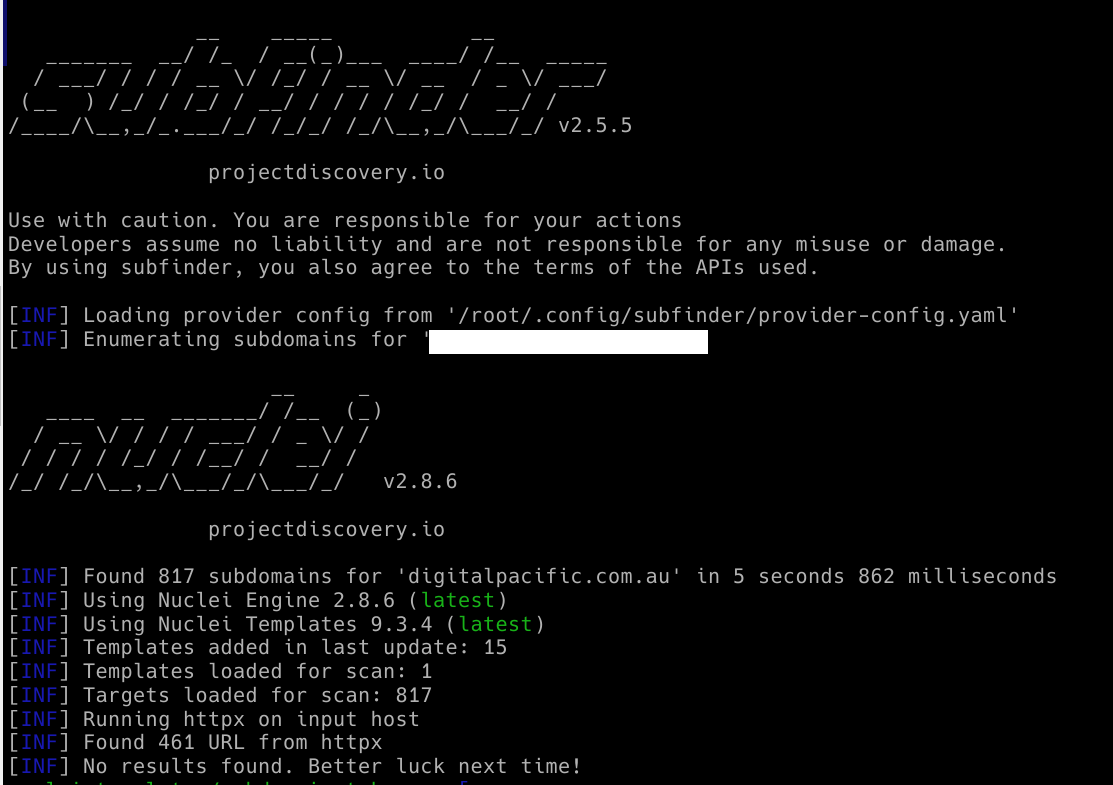
Subdomain Takeover A importância de monitorar e proteger seu
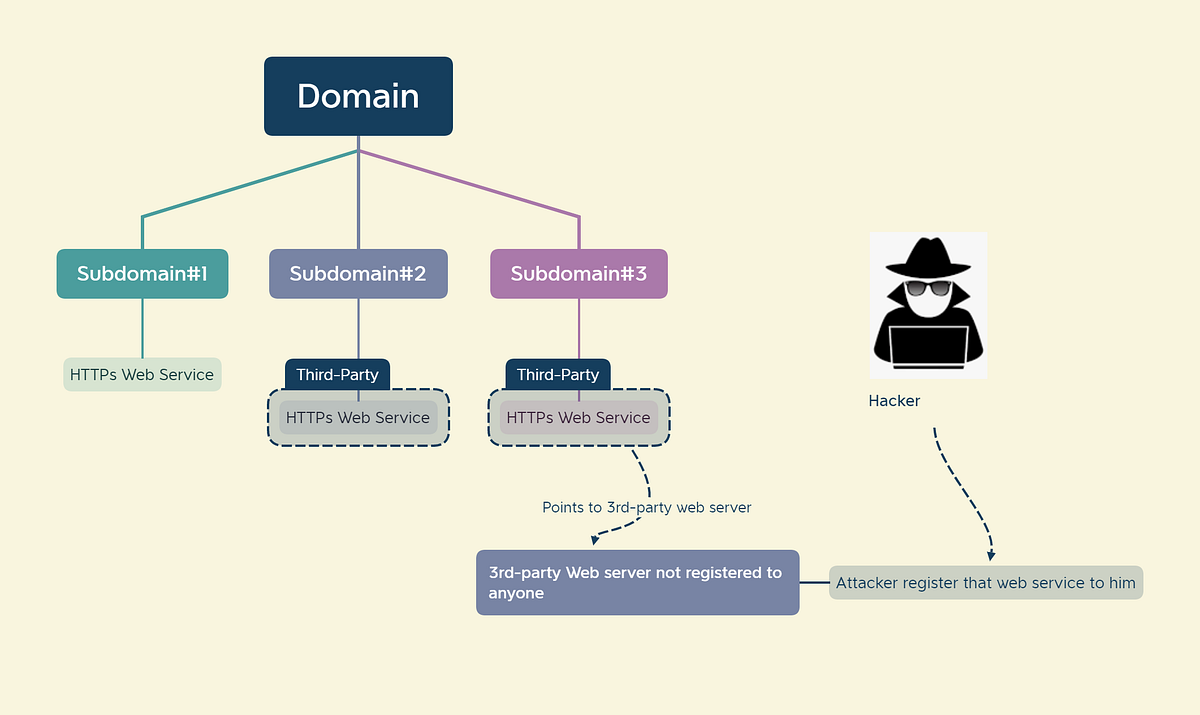
Subdomain Takeover vulnerability and how to find it using a simple
Subdomain Takeover Addition · Issue 7415 · projectdiscovery/nuclei
A Subdomain Name Is A Piece Of Additional Information Added To The Beginning Of A Website’s Domain Name.
It Comes Before The Root Domain In A Url And Is Used To Organize Specific Types Of.
You Can Use Multiple Subdomains To Organize Your Website Into Different.
A Subdomain Is An Extension Of A Domain Name That Appears Before Your Domain Name.
Related Post:


