
Which Reagent Acts As A Template For Dna Polymerase
Which Reagent Acts As A Template For Dna Polymerase - A reagent is an organic or inorganic substance that triggers chemical reactions. A reagent is a substance or compound introduced into a chemical system to cause a reaction, confirm the presence of another substance, or measure its concentration. A reagent is a substance added to a system to cause a chemical reaction, test whether one occurred, or test for a specific chemical. The meaning of reagent is a substance used (as in detecting or measuring a component, in preparing a product, or in developing photographs) because of its chemical or. By a color change, or to measure the concentration of a substance, e.g. It can also be used to determine whether certain chemicals are present in a solution. A reagent is simply a substance added to cause a chemical reaction, test for a specific chemical or establish whether a chemical reaction has already occurred. In analytical chemistry, a reagent is a compound or mixture used to detect the presence or absence of another substance, e.g. The simple definition of reagent is a substance that is used to test for the presence of another substance by causing a chemical reaction with it. A reagent is a commonly available or easily made compound or a known mixture of compounds used to treat materials, samples, other compounds, or reactants in a laboratory or, occasionally, an industrial. A reagent is simply a substance added to cause a chemical reaction, test for a specific chemical or establish whether a chemical reaction has already occurred. A reagent may be a compound, mixture, or solution. A reagent is a substance or compound introduced into a chemical system to cause a reaction, confirm the presence of another substance, or measure its. It can also be used to determine whether certain chemicals are present in a solution. A reagent may be a compound, mixture, or solution. A reagent is a substance or compound introduced into a chemical system to cause a reaction, confirm the presence of another substance, or measure its concentration. Some reagents are just a single element. A reagent is. In analytical chemistry, a reagent is a compound or mixture used to detect the presence or absence of another substance, e.g. The meaning of reagent is a substance used (as in detecting or measuring a component, in preparing a product, or in developing photographs) because of its chemical or. Reagents are substances or compounds that are added to a system. It can also be used to determine whether certain chemicals are present in a solution. A reagent is a commonly available or easily made compound or a known mixture of compounds used to treat materials, samples, other compounds, or reactants in a laboratory or, occasionally, an industrial. In analytical chemistry, a reagent is a compound or mixture used to detect. Some reagents are just a single element. They enable scientists to observe how different chemicals interact,. It can also be used to determine whether certain chemicals are present in a solution. A reagent is simply a substance added to cause a chemical reaction, test for a specific chemical or establish whether a chemical reaction has already occurred. Reagents are substances. Reagents are substances or compounds that are added to a system in order to bring about a chemical reaction or are added to see if a reaction occurs. [1]. A reagent is simply a substance added to cause a chemical reaction, test for a specific chemical or establish whether a chemical reaction has already occurred. They enable scientists to observe. It can also be used to determine whether certain chemicals are present in a solution. The simple definition of reagent is a substance that is used to test for the presence of another substance by causing a chemical reaction with it. Some reagents are just a single element. A reagent is simply a substance added to cause a chemical reaction,. Reagents are substances or compounds that are added to a system in order to bring about a chemical reaction or are added to see if a reaction occurs. [1]. The meaning of reagent is a substance used (as in detecting or measuring a component, in preparing a product, or in developing photographs) because of its chemical or. It can also. Some reagents are just a single element. The simple definition of reagent is a substance that is used to test for the presence of another substance by causing a chemical reaction with it. A reagent is a substance added to a system to cause a chemical reaction, test whether one occurred, or test for a specific chemical. Reagents are substances. A reagent is a commonly available or easily made compound or a known mixture of compounds used to treat materials, samples, other compounds, or reactants in a laboratory or, occasionally, an industrial. A reagent is an organic or inorganic substance that triggers chemical reactions. A reagent is simply a substance added to cause a chemical reaction, test for a specific. A reagent is a commonly available or easily made compound or a known mixture of compounds used to treat materials, samples, other compounds, or reactants in a laboratory or, occasionally, an industrial. A reagent is a substance or compound introduced into a chemical system to cause a reaction, confirm the presence of another substance, or measure its concentration. Reagents are. A reagent is a substance or compound introduced into a chemical system to cause a reaction, confirm the presence of another substance, or measure its concentration. They enable scientists to observe how different chemicals interact,. A reagent is simply a substance added to cause a chemical reaction, test for a specific chemical or establish whether a chemical reaction has already. It can also be used to determine whether certain chemicals are present in a solution. Reagents are substances or compounds that are added to a system in order to bring about a chemical reaction or are added to see if a reaction occurs. [1]. A reagent is a commonly available or easily made compound or a known mixture of compounds. A reagent is a commonly available or easily made compound or a known mixture of compounds used to treat materials, samples, other compounds, or reactants in a laboratory or, occasionally, an industrial. A reagent may be a compound, mixture, or solution. Reagents are substances in chemistry and biology used to initiate, participate in, or detect a chemical reaction. It can. In analytical chemistry, a reagent is a compound or mixture used to detect the presence or absence of another substance, e.g. It can also be used to determine whether certain chemicals are present in a solution. A reagent may be a compound, mixture, or solution. A reagent is a commonly available or easily made compound or a known mixture of. By a color change, or to measure the concentration of a substance, e.g. It can also be used to determine whether certain chemicals are present in a solution. A reagent is a substance or compound introduced into a chemical system to cause a reaction, confirm the presence of another substance, or measure its concentration. A reagent may be a compound,. Some reagents are just a single element. Reagents are substances or compounds that are added to a system in order to bring about a chemical reaction or are added to see if a reaction occurs. [1]. A reagent is a commonly available or easily made compound or a known mixture of compounds used to treat materials, samples, other compounds, or. A reagent may be a compound, mixture, or solution. A reagent is a substance or compound introduced into a chemical system to cause a reaction, confirm the presence of another substance, or measure its concentration. A reagent is an organic or inorganic substance that triggers chemical reactions. Reagents are substances in chemistry and biology used to initiate, participate in, or. They enable scientists to observe how different chemicals interact,. The meaning of reagent is a substance used (as in detecting or measuring a component, in preparing a product, or in developing photographs) because of its chemical or. Some reagents are just a single element. A reagent is an organic or inorganic substance that triggers chemical reactions. The simple definition of. In analytical chemistry, a reagent is a compound or mixture used to detect the presence or absence of another substance, e.g. A reagent is a commonly available or easily made compound or a known mixture of compounds used to treat materials, samples, other compounds, or reactants in a laboratory or, occasionally, an industrial. They enable scientists to observe how different. A reagent is a substance or compound introduced into a chemical system to cause a reaction, confirm the presence of another substance, or measure its concentration. A reagent is simply a substance added to cause a chemical reaction, test for a specific chemical or establish whether a chemical reaction has already occurred. They enable scientists to observe how different chemicals. A reagent is a substance or compound introduced into a chemical system to cause a reaction, confirm the presence of another substance, or measure its concentration. They enable scientists to observe how different chemicals interact,. It can also be used to determine whether certain chemicals are present in a solution. By a color change, or to measure the concentration of. A reagent is a commonly available or easily made compound or a known mixture of compounds used to treat materials, samples, other compounds, or reactants in a laboratory or, occasionally, an industrial. A reagent is an organic or inorganic substance that triggers chemical reactions. A reagent is simply a substance added to cause a chemical reaction, test for a specific. A reagent is simply a substance added to cause a chemical reaction, test for a specific chemical or establish whether a chemical reaction has already occurred. A reagent is a commonly available or easily made compound or a known mixture of compounds used to treat materials, samples, other compounds, or reactants in a laboratory or, occasionally, an industrial. Reagents are. They enable scientists to observe how different chemicals interact,. A reagent is a substance added to a system to cause a chemical reaction, test whether one occurred, or test for a specific chemical. Some reagents are just a single element. A reagent is an organic or inorganic substance that triggers chemical reactions. In analytical chemistry, a reagent is a compound. By a color change, or to measure the concentration of a substance, e.g. A reagent is a substance added to a system to cause a chemical reaction, test whether one occurred, or test for a specific chemical. Some reagents are just a single element. A reagent is a substance or compound introduced into a chemical system to cause a reaction,. They enable scientists to observe how different chemicals interact,. In analytical chemistry, a reagent is a compound or mixture used to detect the presence or absence of another substance, e.g. A reagent is simply a substance added to cause a chemical reaction, test for a specific chemical or establish whether a chemical reaction has already occurred. The simple definition of. The meaning of reagent is a substance used (as in detecting or measuring a component, in preparing a product, or in developing photographs) because of its chemical or. A reagent is a substance added to a system to cause a chemical reaction, test whether one occurred, or test for a specific chemical. A reagent is a substance or compound introduced. A reagent is a substance or compound introduced into a chemical system to cause a reaction, confirm the presence of another substance, or measure its concentration. A reagent is an organic or inorganic substance that triggers chemical reactions. They enable scientists to observe how different chemicals interact,. Some reagents are just a single element. Reagents are substances in chemistry and. A reagent is a substance or compound introduced into a chemical system to cause a reaction, confirm the presence of another substance, or measure its concentration. Reagents are substances or compounds that are added to a system in order to bring about a chemical reaction or are added to see if a reaction occurs. [1]. By a color change, or. Reagents are substances or compounds that are added to a system in order to bring about a chemical reaction or are added to see if a reaction occurs. [1]. A reagent is a commonly available or easily made compound or a known mixture of compounds used to treat materials, samples, other compounds, or reactants in a laboratory or, occasionally, an. By a color change, or to measure the concentration of a substance, e.g. A reagent is a substance added to a system to cause a chemical reaction, test whether one occurred, or test for a specific chemical. In analytical chemistry, a reagent is a compound or mixture used to detect the presence or absence of another substance, e.g. A reagent. A reagent is a commonly available or easily made compound or a known mixture of compounds used to treat materials, samples, other compounds, or reactants in a laboratory or, occasionally, an industrial. Some reagents are just a single element. The simple definition of reagent is a substance that is used to test for the presence of another substance by causing. A reagent is an organic or inorganic substance that triggers chemical reactions. A reagent is a commonly available or easily made compound or a known mixture of compounds used to treat materials, samples, other compounds, or reactants in a laboratory or, occasionally, an industrial. The meaning of reagent is a substance used (as in detecting or measuring a component, in. A reagent is a substance added to a system to cause a chemical reaction, test whether one occurred, or test for a specific chemical. The meaning of reagent is a substance used (as in detecting or measuring a component, in preparing a product, or in developing photographs) because of its chemical or. Some reagents are just a single element. Reagents. A reagent is simply a substance added to cause a chemical reaction, test for a specific chemical or establish whether a chemical reaction has already occurred. Reagents are substances or compounds that are added to a system in order to bring about a chemical reaction or are added to see if a reaction occurs. [1]. In analytical chemistry, a reagent is a compound or mixture used to detect the presence or absence of another substance, e.g. A reagent is an organic or inorganic substance that triggers chemical reactions. It can also be used to determine whether certain chemicals are present in a solution. A reagent is a substance added to a system to cause a chemical reaction, test whether one occurred, or test for a specific chemical. A reagent is a commonly available or easily made compound or a known mixture of compounds used to treat materials, samples, other compounds, or reactants in a laboratory or, occasionally, an industrial. Reagents are substances in chemistry and biology used to initiate, participate in, or detect a chemical reaction. A reagent may be a compound, mixture, or solution. Some reagents are just a single element. By a color change, or to measure the concentration of a substance, e.g. The meaning of reagent is a substance used (as in detecting or measuring a component, in preparing a product, or in developing photographs) because of its chemical or.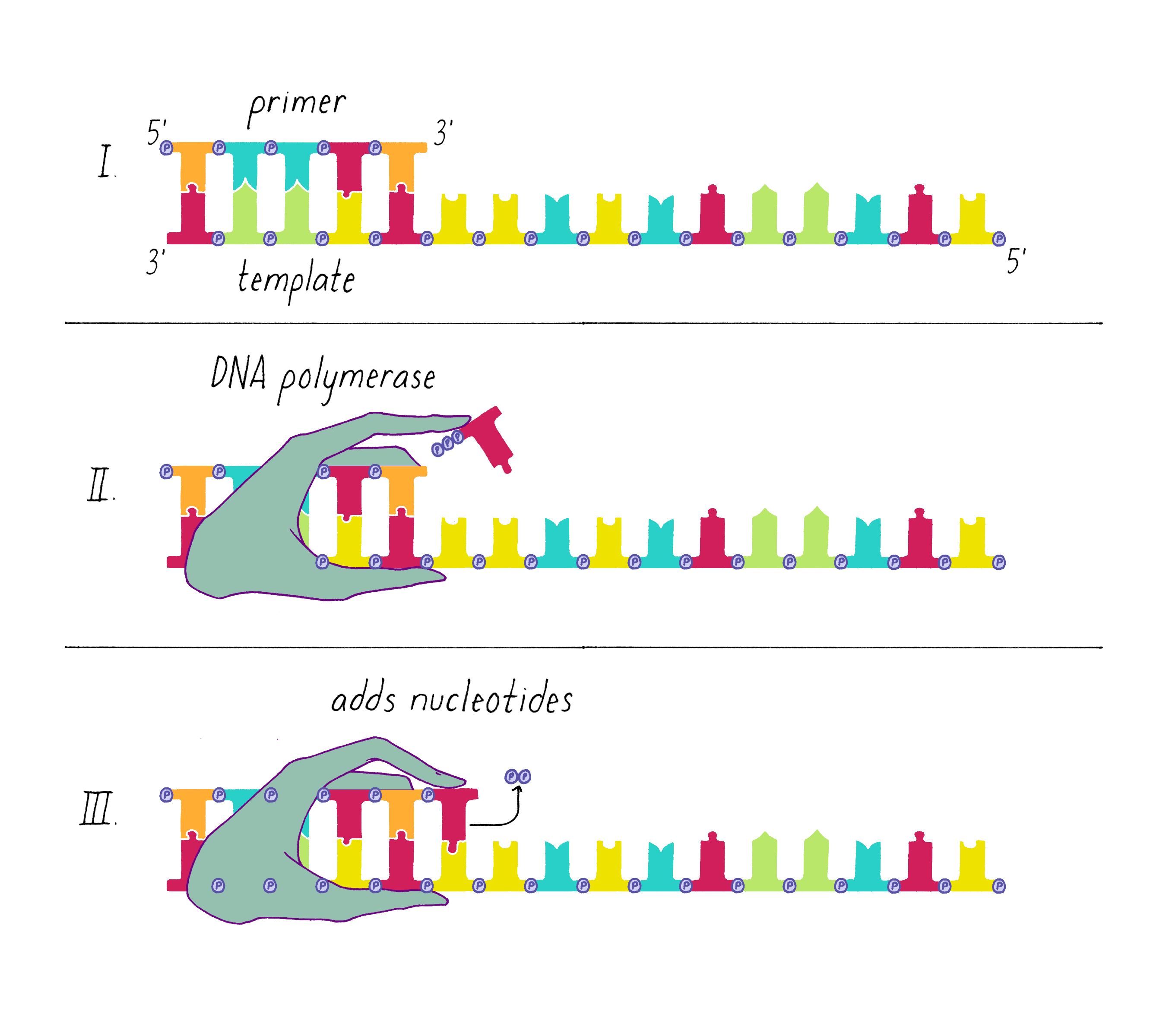
Dna Polymerase Diagram

DNA Polymerase—Four Key Characteristics for PCR Thermo Fisher
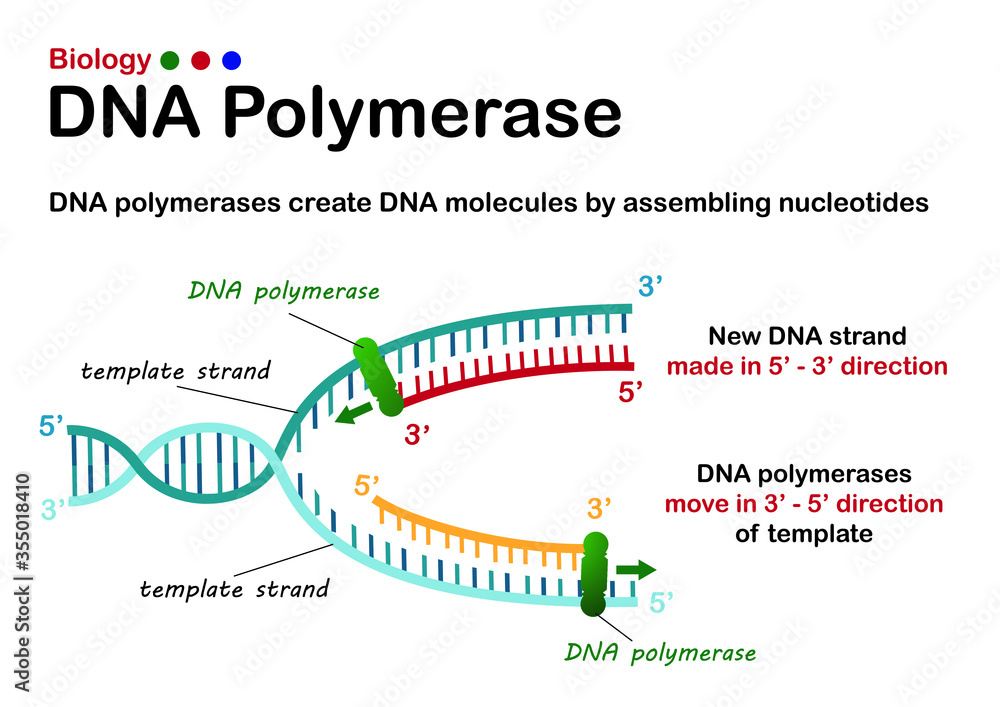
Biology diagram show process of DNA polymerase in DNA replication

What Is The Template Of The Pcr
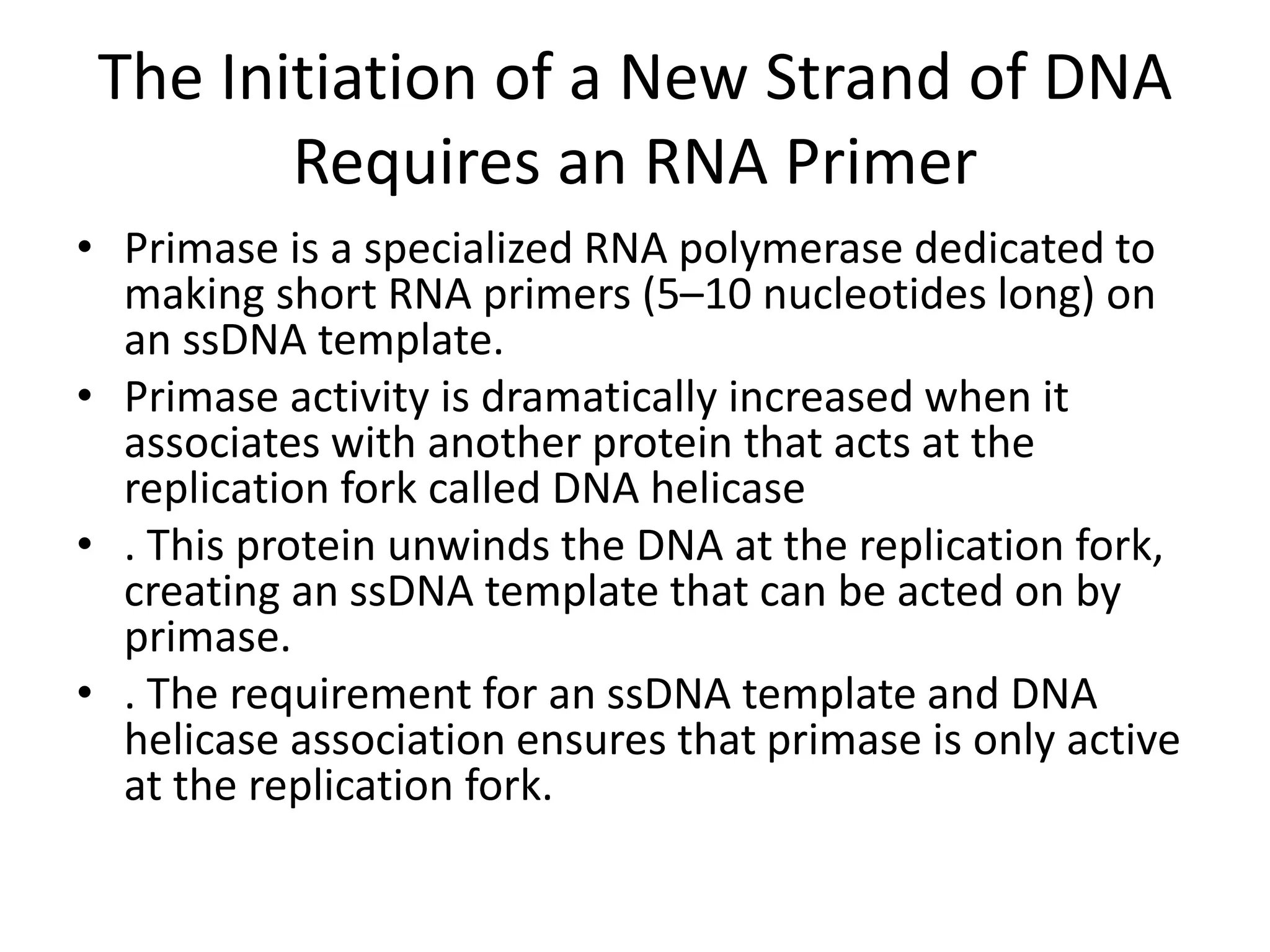
THE MECHANISM OF DNA POLYMERASE & CHEMICAL NATURTE TOPIC OF MOLECULAR

How DNA Polymerase Works YouTube
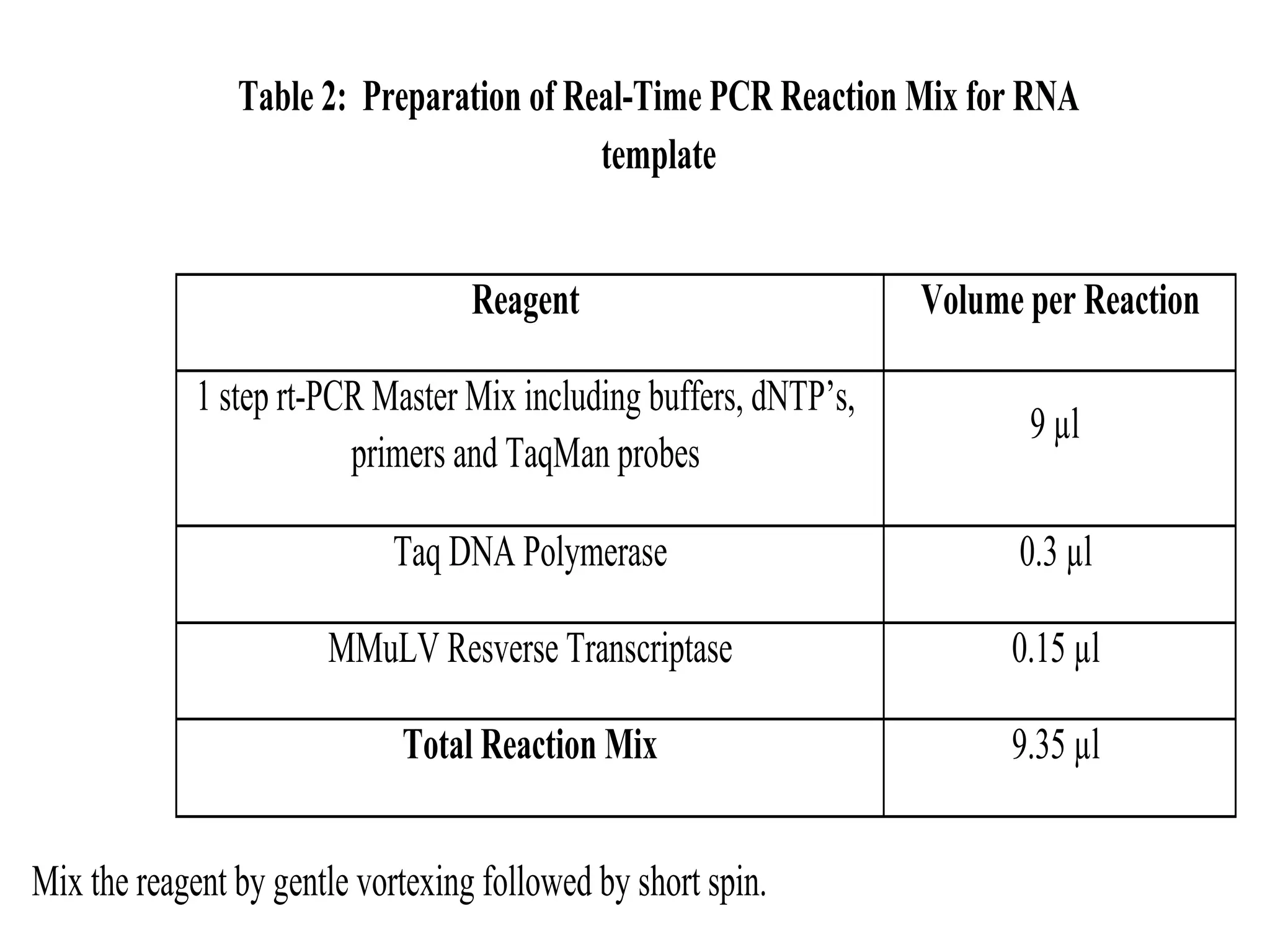
dna extraction PCR, Real Time PCR Dr. Imran.pptx
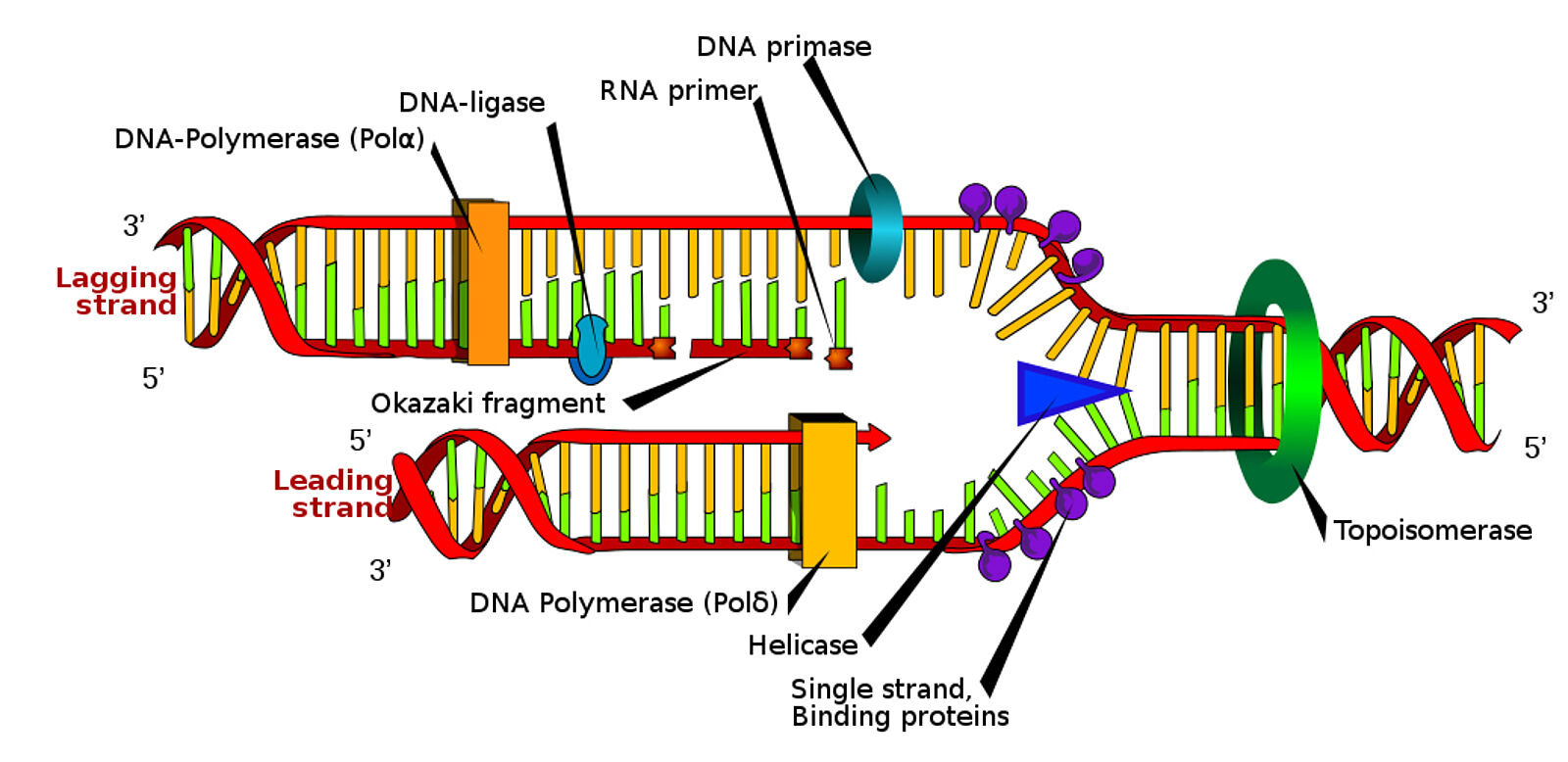
DNA & RNA polymerases get top reagents here
14.5 DNA Replication in Prokaryotes Biology LibreTexts

Dna Polymerase Diagram

of the interplay between archaeal DNA polymerases, base excision repair

DNA polymerase Alchetron, The Free Social Encyclopedia

The twometal ion mechanism of a polymerase reaction catalysed by
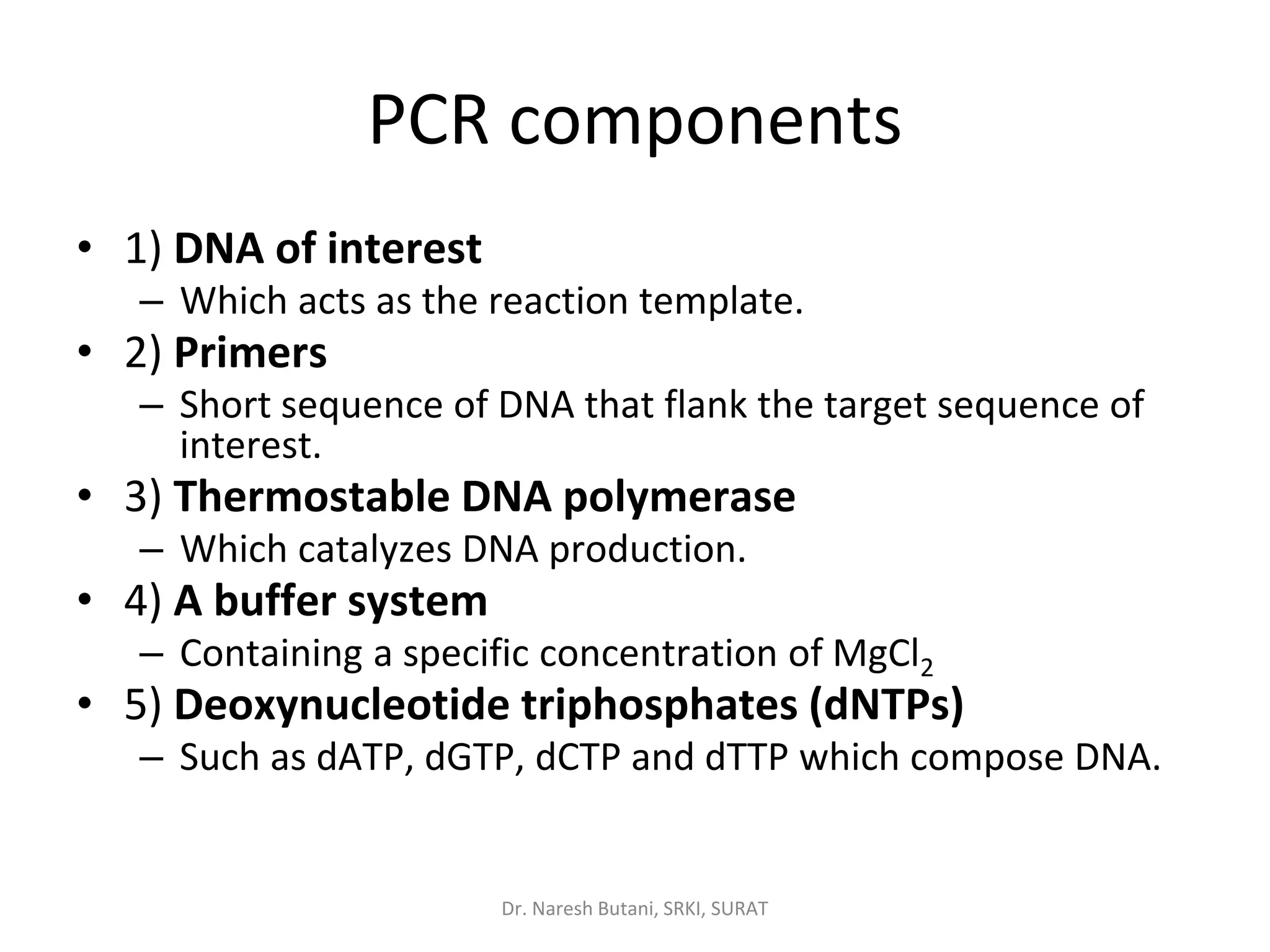
Polymerace chain reaction PPTX
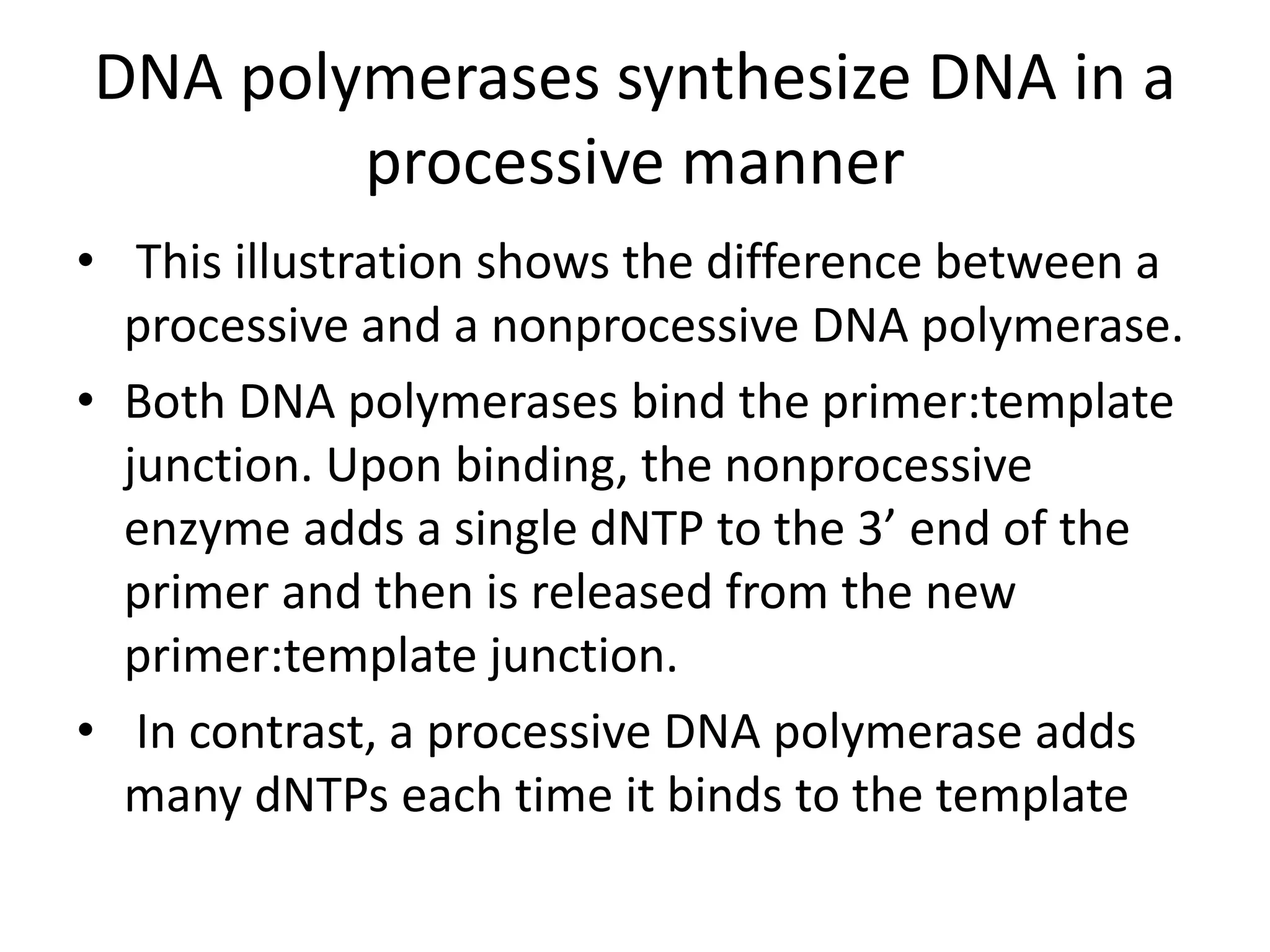
THE MECHANISM OF DNA POLYMERASE & CHEMICAL NATURTE TOPIC OF MOLECULAR
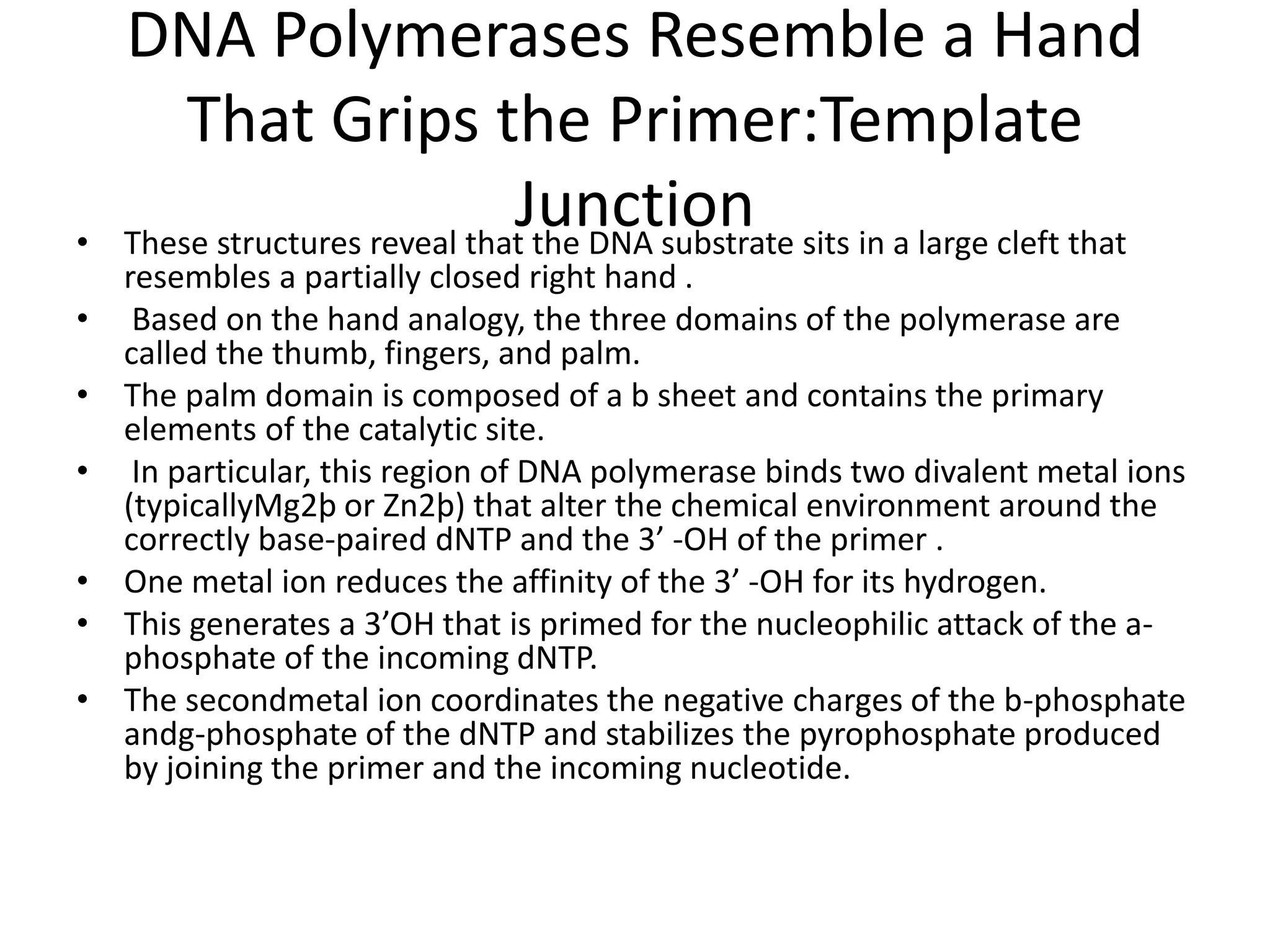
THE MECHANISM OF DNA POLYMERASE & CHEMICAL NATURTE TOPIC OF MOLECULAR

PPT Lecture 17 PowerPoint Presentation, free download ID1888309

Why is replication of DNA important? ppt download
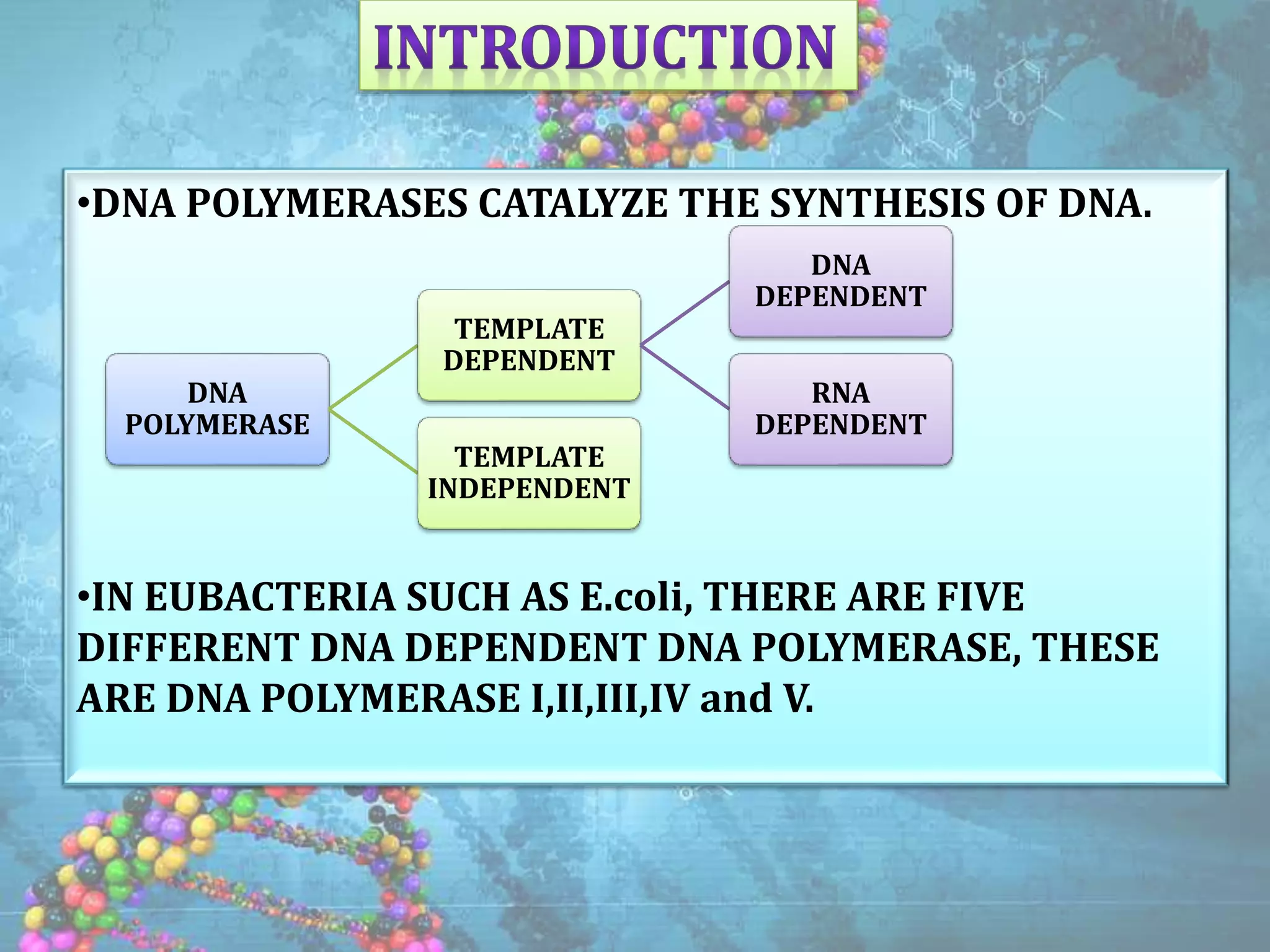
DNA POLYMERASE.pptx

Template Dna For Pcr
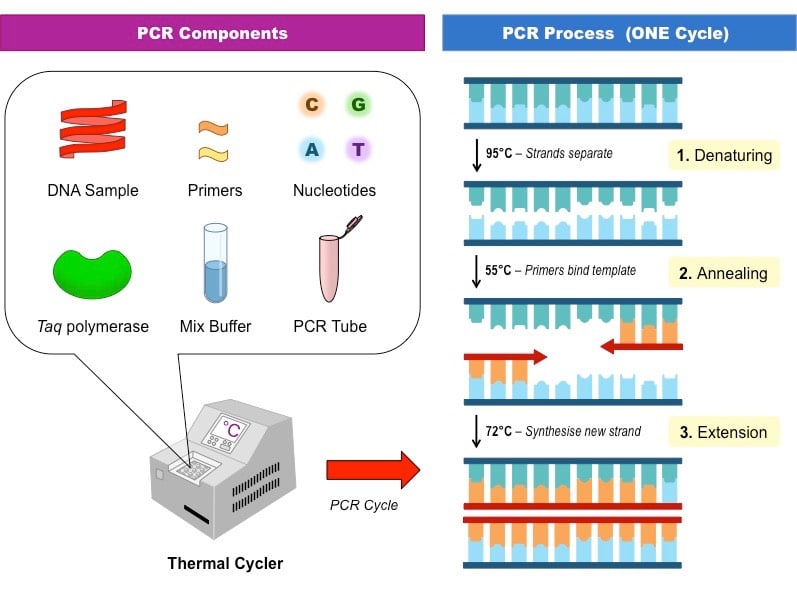
Template Dna For Pcr
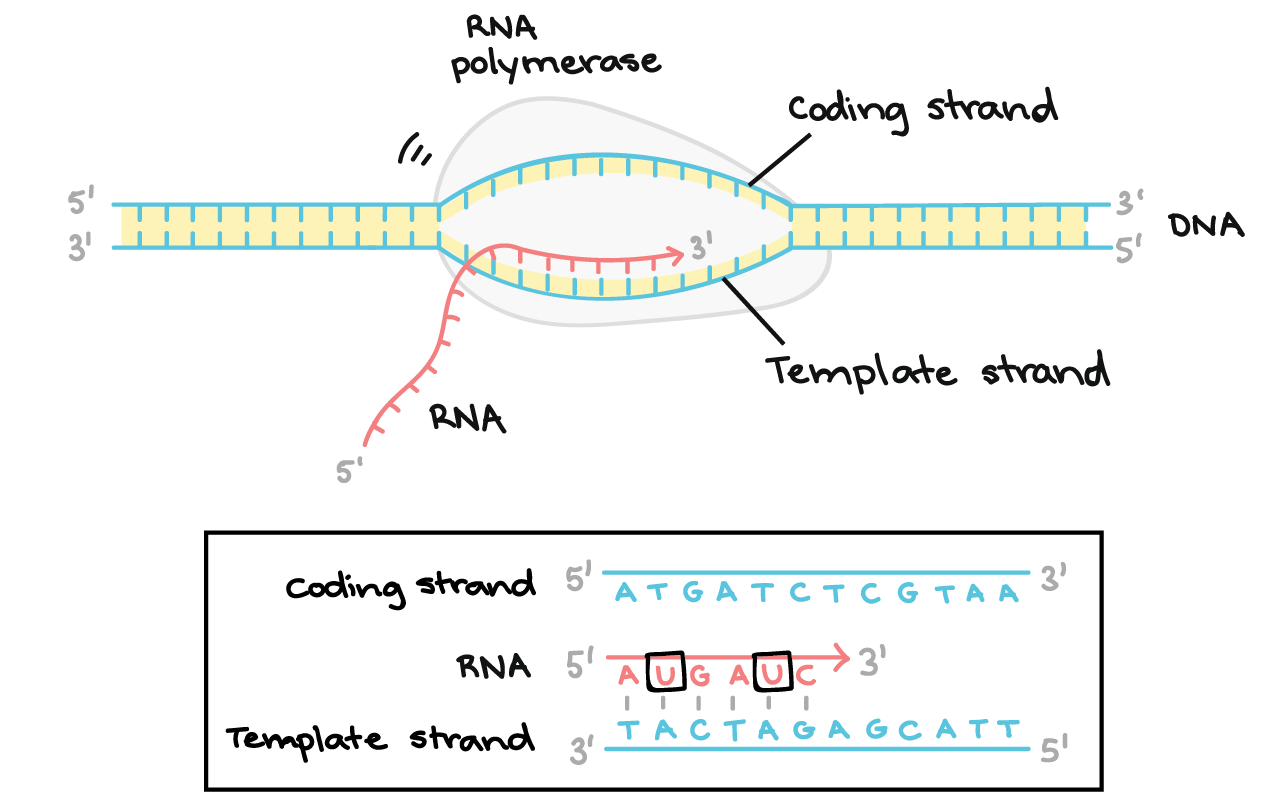
Khan Academy
DNA replication AQA ALevel Biology

Dna polymerase Artofit
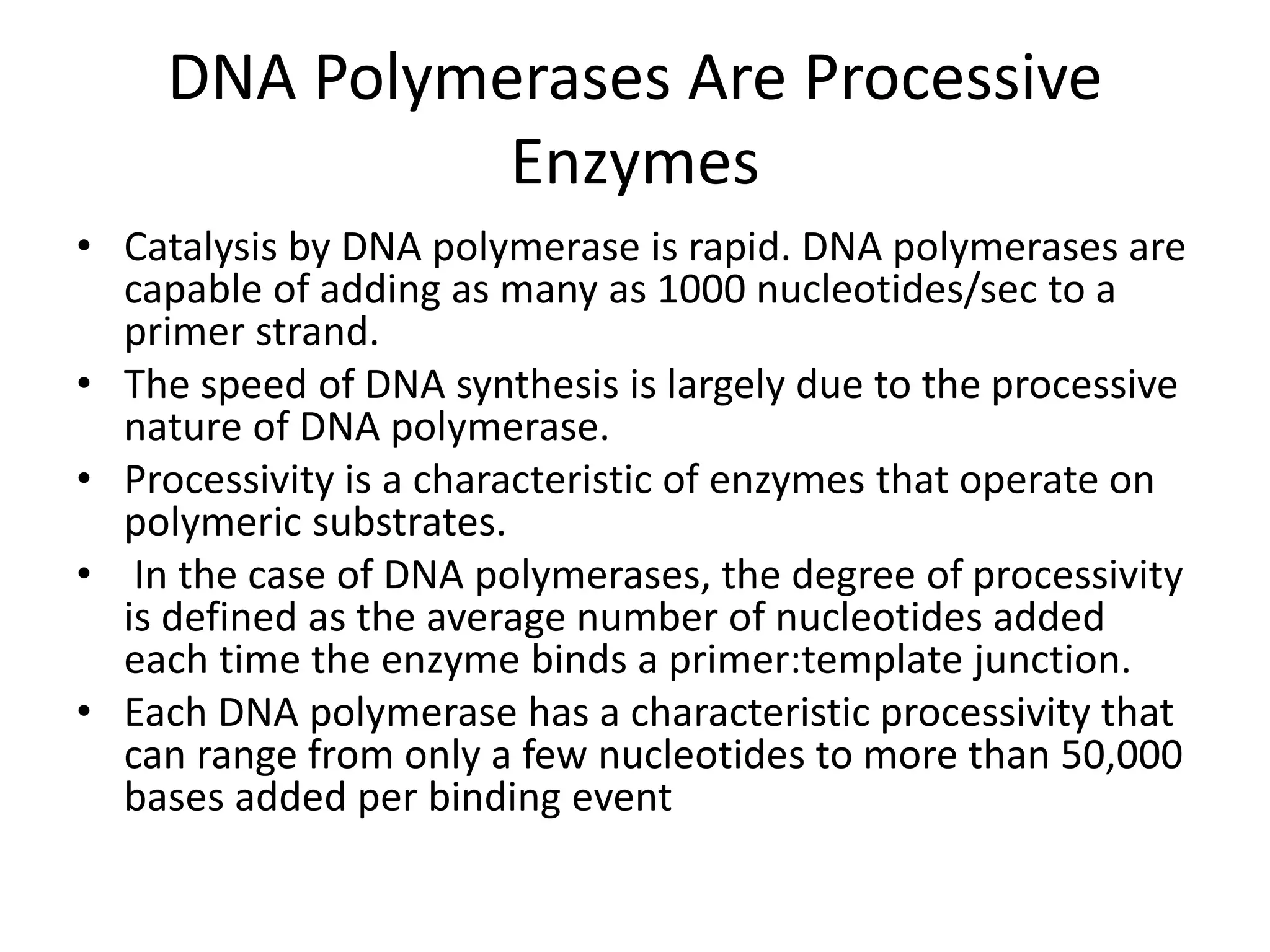
THE MECHANISM OF DNA POLYMERASE & CHEMICAL NATURTE TOPIC OF MOLECULAR
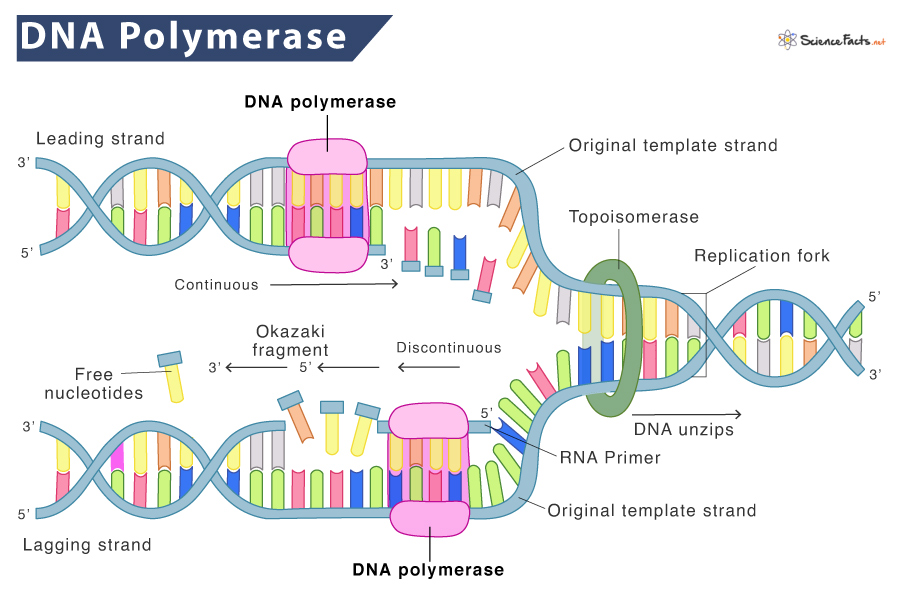
DNA Polymerase Definition, Types, Structure, and Functions

The Master Mixes For Real Time Pcr Reaction In A Test Tube That Shows
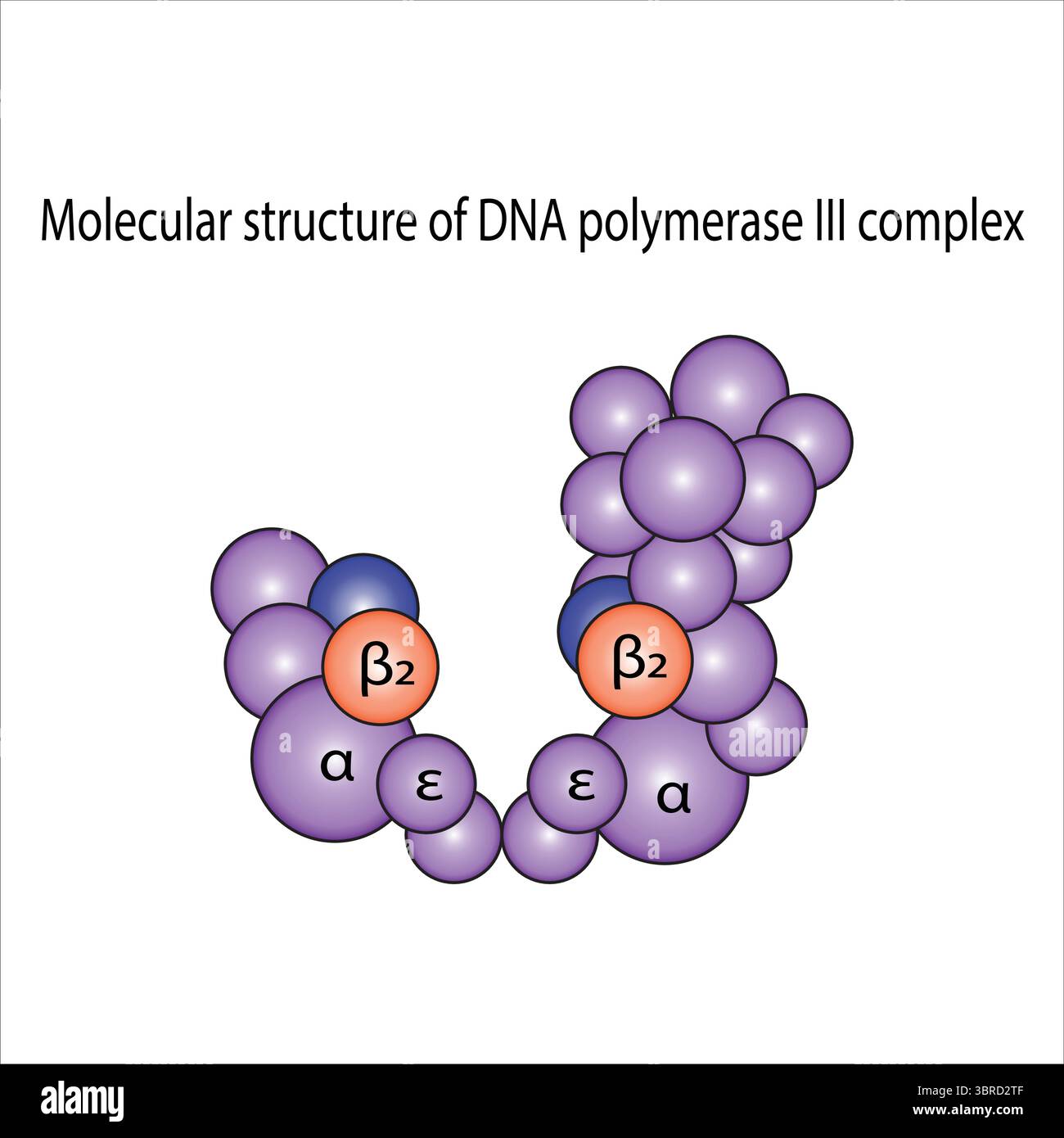
Molecular dna replication Stock Vector Images Alamy
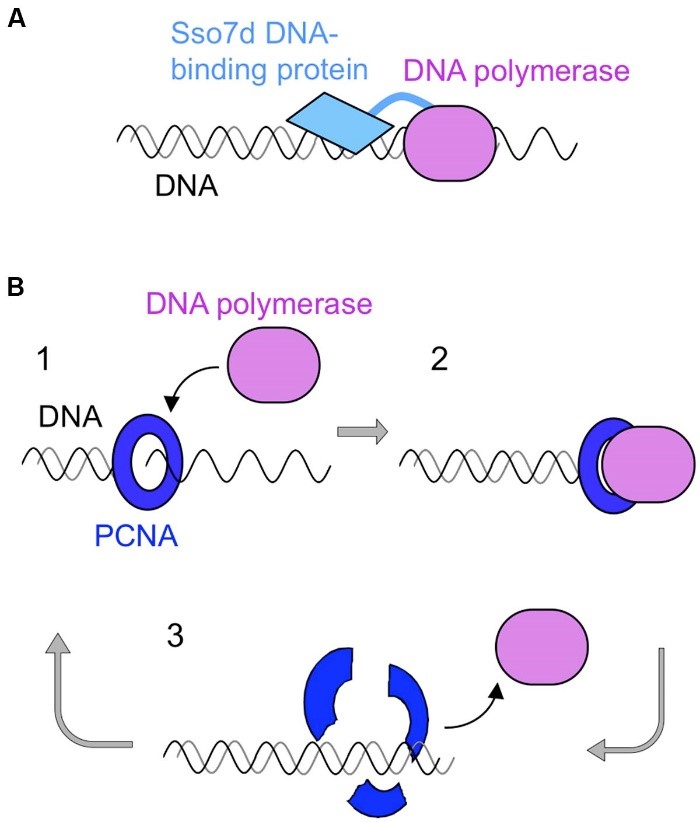
DNA Polymerase Creative Enzymes

Understanding DNA Replication An Illustrated Guide
DNA synthesis (A) DNA polymerase binds the template DNA and the new
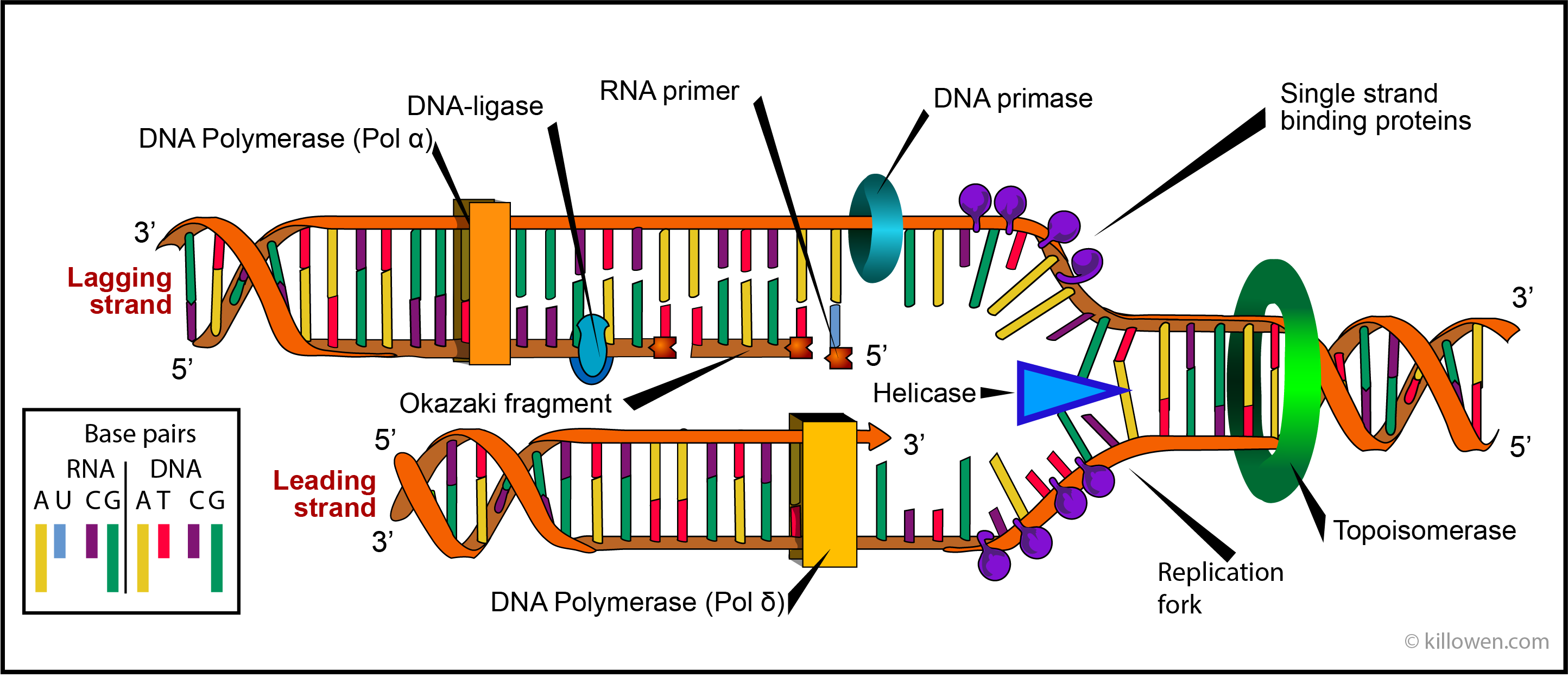
Dna Replication Template, Web to set this template's initial visibility
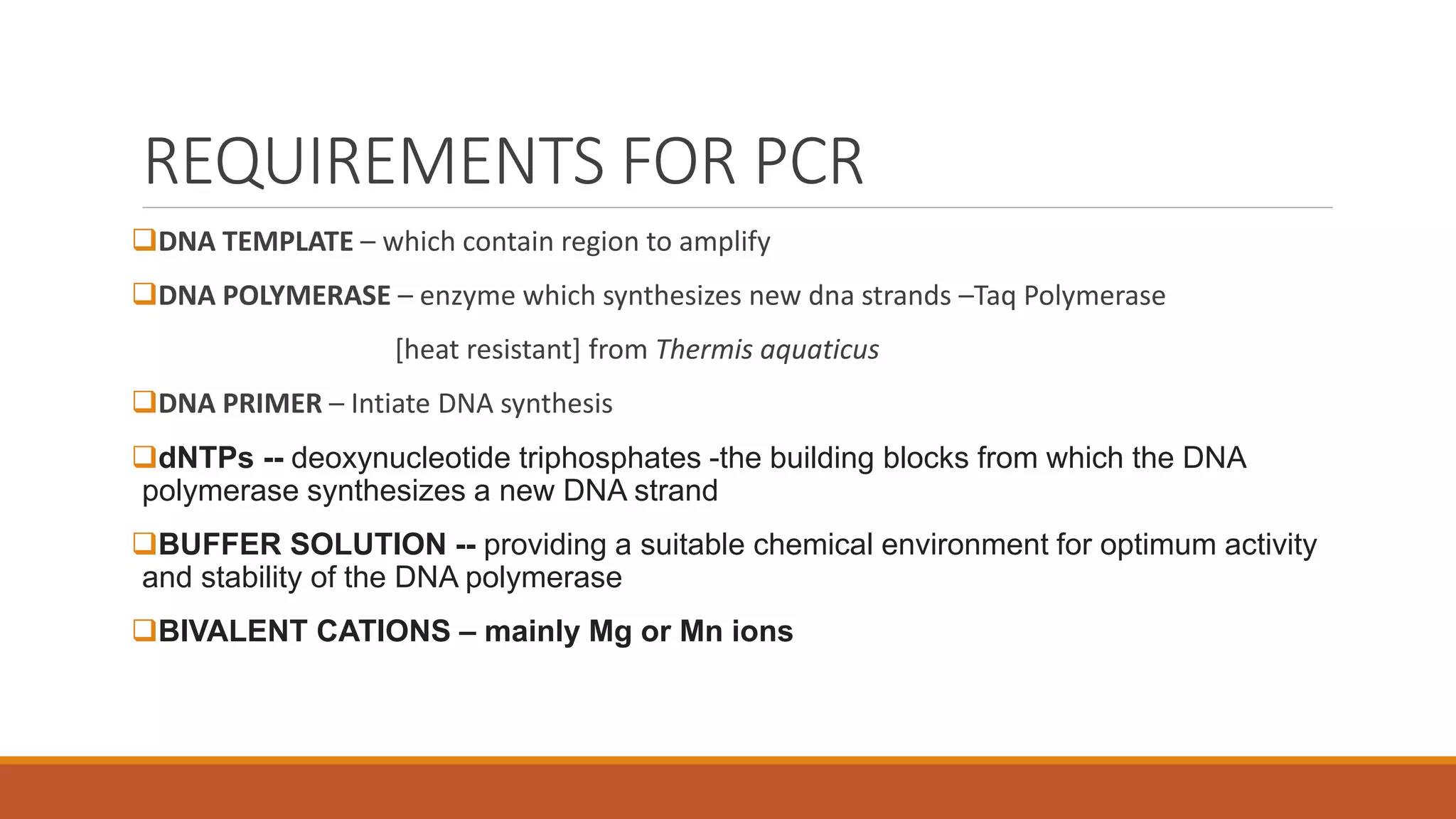
Polymerase chain reaction PPTX
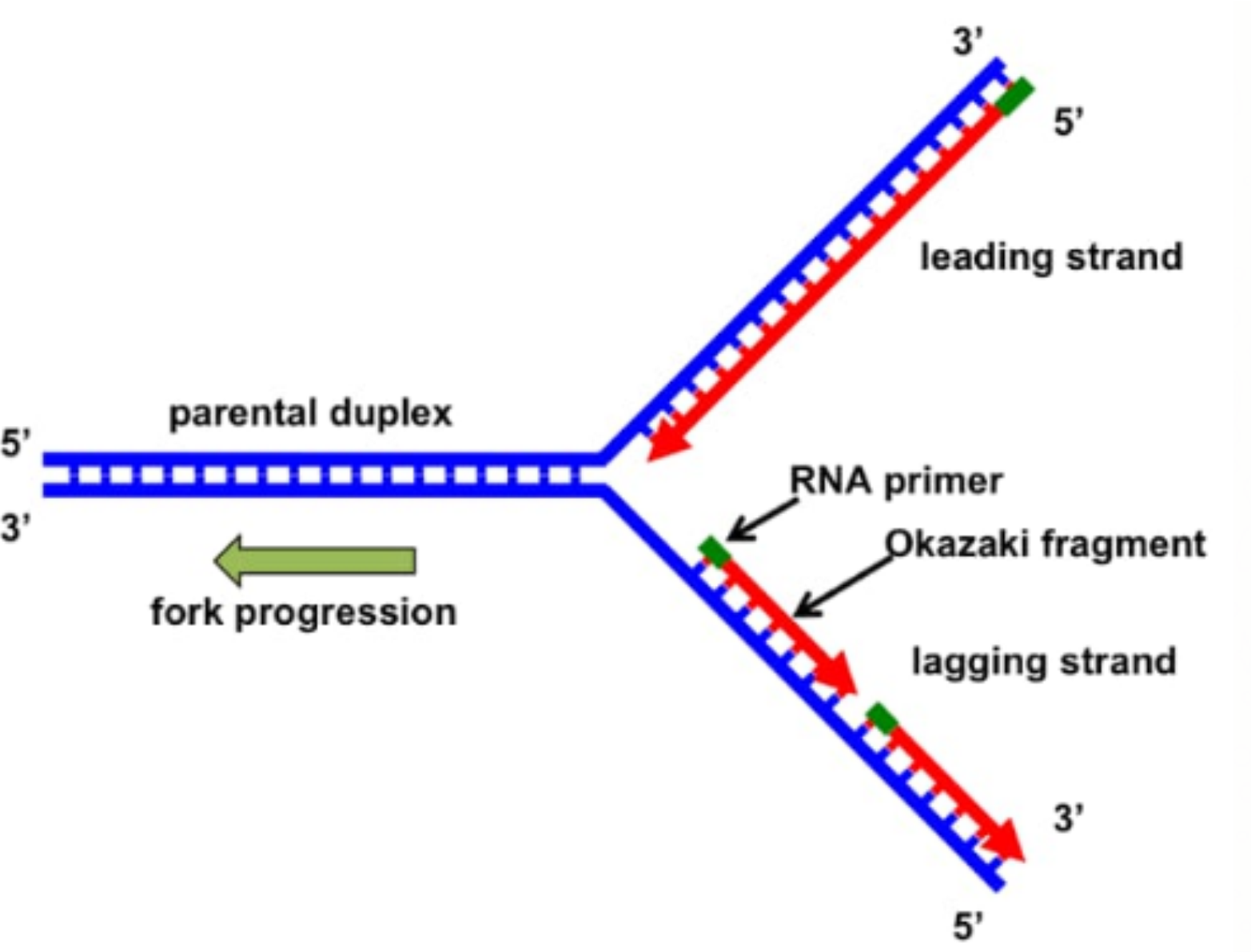
DNA Replication NEET Biology Guide Steps & Mechanism
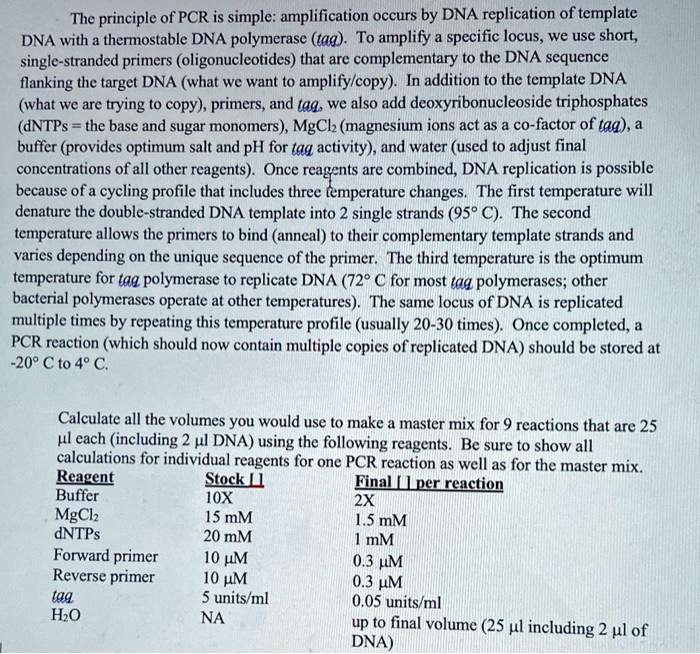
SOLVED The principle of PCR is simple amplification occurs by DNA
A Reagent Is A Substance Or Compound Introduced Into A Chemical System To Cause A Reaction, Confirm The Presence Of Another Substance, Or Measure Its Concentration.
They Enable Scientists To Observe How Different Chemicals Interact,.
The Simple Definition Of Reagent Is A Substance That Is Used To Test For The Presence Of Another Substance By Causing A Chemical Reaction With It.
Related Post:
